
Watercress
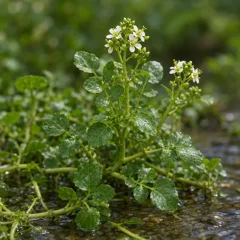
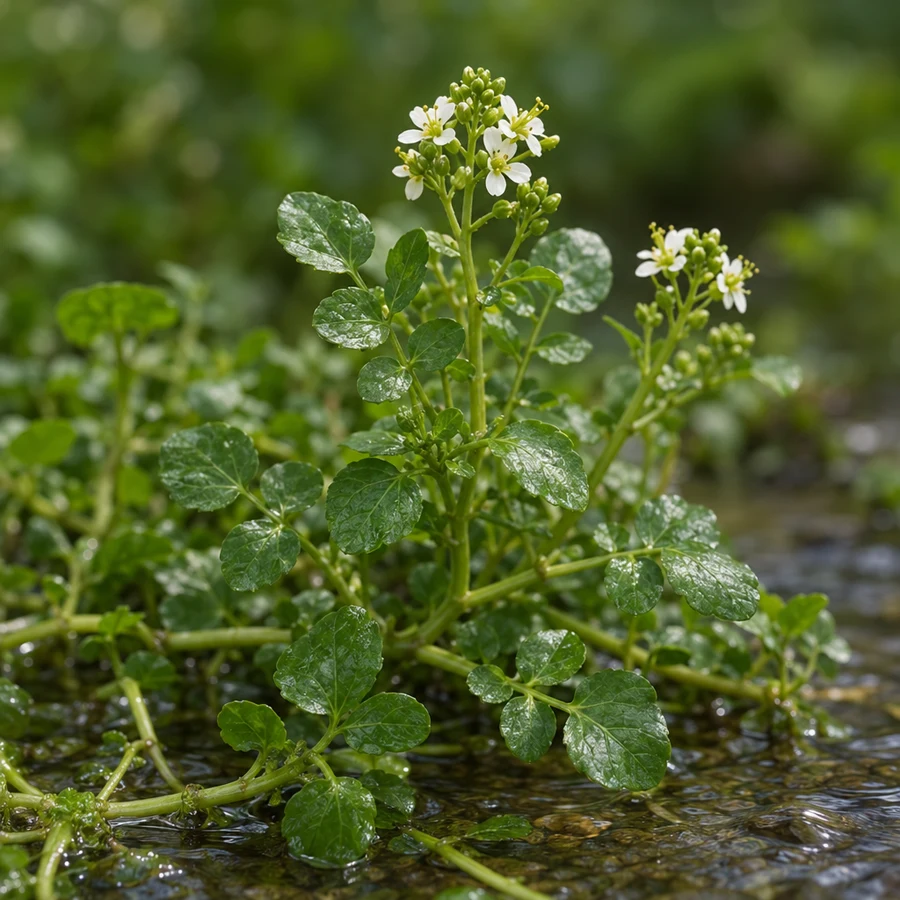
Watercress is a vigorous, semi-aquatic leafy green with glossy round leaves and a peppery, mustard-like bite. Plants trail and spread, growing 6 to 12 inches tall, and thrive with their roots in wet soil or shallow water.
The one rule is constant moisture: watercress can't dry out, even briefly. Grow it in a pot standing in a tray of water, in a container with no drainage holes, or beside a pond or water feature. Clean, fresh water makes it taste best.
Recent community discussions
No one has talked about Watercress yet. Be the first.
At a glance
| Plant type | Leafy green and herb |
| Botanical name | Nasturtium officinale |
| Annual or perennial | Perennial |
| Sun | Full sun to part shade; shade in hot climates |
| Water | Constant moisture; roots must stay wet at all times |
| Spacing | 6 to 12 inches |
| Planting depth | Surface, or 1/8 inch at most (seed likes light) |
| Days to germinate | 5 to 14 |
| Days to maturity | First cuts 4 to 8 weeks after sowing; full-size plants at about 60 days |
| Best USDA zones | 3 to 10 |
| Soil pH | 6.5 to 7.5 |
Is it watercress weather where you are? See everything to plant this month or read your zone notes.

Sow indoors or outdoors in early spring. Prefers constant moisture; can be sown in shallow water beds. In warm Zones (8+), sow fall?winter.

Germinates in 7–10 days; 45–60 days.

Zones 4–9, Apr?June; Sept?Nov in mild climates; indoors year-round in water trays.

Grows in peaty or silty soils, water-saturated, pH 6.5–7.5. Can root in shallow running water.
Pests to watch for



Diseases
A little history
Watercress is one of the oldest leafy greens eaten by people. The ancient Greeks and Romans ate it, and it grew wild in streams across Europe and Asia. In 19th-century England it was sold on the street as a cheap, nutritious snack.
When to sow in your zone
Spring: Sow seed as soon as the soil can be worked, or start indoors 4 to 6 weeks before the last frost and transplant after frost danger has passed.
Fall: Sow in early fall for a cool-weather crop. Watercress bolts and turns bitter in hot summers, so it does best in spring and fall.
Late fall and winter: Outdoor sowing in November only suits the mild zones, 8 and up. Everywhere else, a pot standing in a water tray on a bright, cool windowsill keeps you in fresh sprigs through the winter. Find your frost dates on the zone pages.
Growing it, step by step
Getting seed going
Sprinkle seed on the surface of moist seed-starting mix and press it in lightly; it needs light to sprout, so don't bury it. Keep it cool, about 50 to 65°F, and constantly wet by setting the pot in a shallow saucer of water. Seedlings appear in 5 to 14 days.
Moving it outside
Plant 6 to 12 inches apart in a pot with no drainage holes, or in a pot set in a tray of water, filled with rich, wet soil. In the ground, choose a boggy spot or the edge of clean, slow-moving water.
Growing watercress in a pot
A pot is the easiest way to grow it at home. Fill an ordinary pot with potting mix and compost, stand it in a bucket or deep tray, and keep 2 to 3 inches of water around the base so the mix stays soaked and the roots sit in water.
Water
Never let watercress dry out. Keep 2 to 3 inches of water in the tray and pour it off for fresh water once or twice a week so it doesn't go stale. Moving water is ideal if you have a pond or fountain.
Mulch
Rarely needed. In soil beds, a thin layer of compost helps hold moisture.
Feeding
Mix compost into the planting mix. If leaves start to yellow or growth slows, add a soluble complete fertilizer to the tray water at the label rate, which helps head off iron-poor yellow leaves.
Keeping it happy
Pinch back the tips often to keep plants bushy and delay flowering, which makes the leaves bitter. Replant from cuttings every year or two for fresh growth, and keep plants cool and shaded in hot weather: above about 85°F the flavor turns sharp and bitter. Watercress can spread aggressively near waterways, so keep it contained.
Never harvest wild watercress from streams, ditches, or ponds. Wild plants can carry liver fluke (a parasite spread where livestock graze) and may be contaminated by runoff or sewage. Only eat watercress you've grown in clean water or bought from a reliable source, and wash it well.
Trouble in the bed
- Aphids: Gather on stems and leaves. Rinse off or use insecticidal soap.
- Flea beetles: Pit leaves with tiny holes. Use row cover.
- Whiteflies: Tiny white insects that fly up when you brush the leaves. Rinse the undersides of leaves and use yellow sticky cards nearby.
- Spider mites: Fine speckling and webbing, mostly on indoor or hot, dry plants. Mist and rinse the leaves and keep plants cool.
- Slugs and snails: Chew leaves in moist conditions. Hand-pick or trap them.
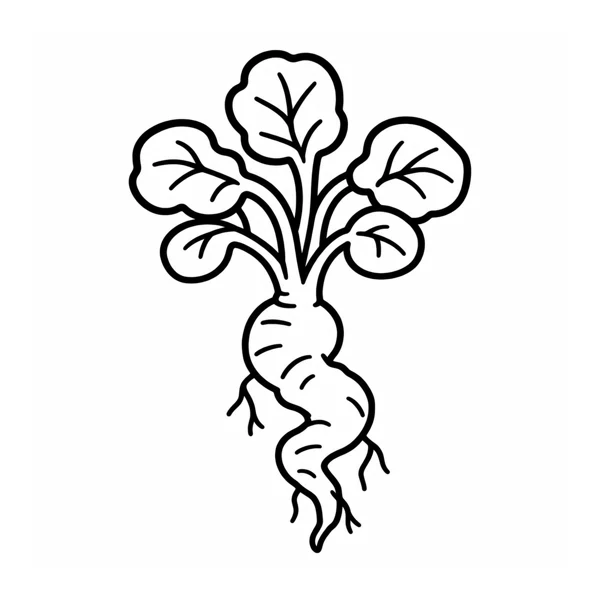
- Crook root: A watercress disease spread by tiny swimming spores in the water. Roots swell, bend and twist, and plants stall and yellow. It's worst in the cold months, from fall through spring. Pull and throw away affected plants, then start again with clean cuttings or seed in fresh water; hard, calcium-rich water tends to hold it back. Home growers rarely run into it.
Good neighbors




Good: Plants that like the same wet feet: mint (in its own pot, as it spreads), and lettuce, spinach, and other moisture-loving greens grown in damp soil at the edge of the water tray or bog bed.
Avoid: Plants that need dry soil, such as rosemary, lavender, and thyme.
Seeds that grow well in your area in November
Affiliate links — shopping through these helps keep Evening Vines free. Wild Lupine
 Common Milkweed
 PansySeeds
 PhloxSeeds
Varieties worth growing
True watercress is mostly sold as the standard broadleaf type. Several other "cresses" share the peppery taste but are different plants that grow in ordinary soil:
- Broadleaf watercress: The standard type, with large leaves and a peppery flavor. Seed sold as "aquatic watercress" is this same plant.
- Upland cress (Barbarea verna): A related plant, not true watercress, that grows in regular moist garden soil.
- Garden cress (Lepidium sativum): Another relative, not true watercress, ready in just a few weeks. Curly cress and Greek cress are types of garden cress, so they aren't true watercress either.
Watercress seeds to buy
Affiliate links — shopping through these helps keep Evening Vines free.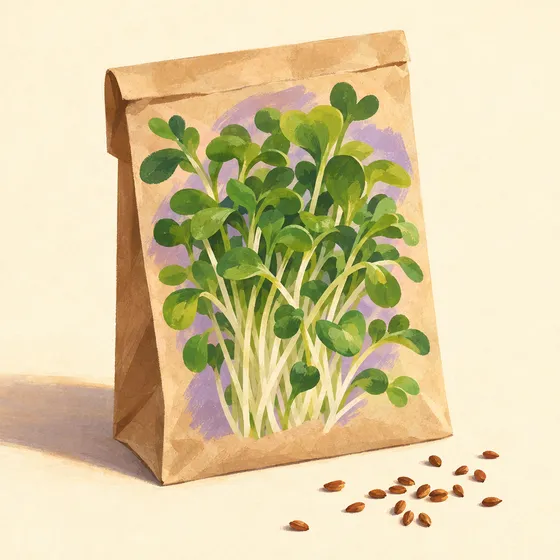 WatercressSeeds
Picking notes
Start cutting about 4 to 8 weeks after sowing, when stems are 4 to 6 inches long; plants reach full size at around 60 days. Snip above a leaf node and the plant will regrow. Rinse well and use within a few days, or keep stems upright in a glass of water in the fridge.
Saving seed for next year
Let a few plants flower and form slender pods. When the pods turn tan, collect them in a paper bag and shake out the seed. Watercress also roots easily from cuttings: put a stem in a glass of water and roots appear within days.
From garden to table
Watercress is rich in vitamins K, C, and A, plus calcium. Eat it raw in salads and sandwiches, blend it into soups and pestos, or wilt it into warm dishes.
Questions from the potting bench
Can I pick watercress from a stream? No. Wild watercress can carry liver fluke and contamination. Only eat watercress grown in clean water.
Can I grow watercress in a pot? Yes. Stand the pot in 2 to 3 inches of water, change the water once or twice a week, and give it bright light and cool temperatures.
Why is my watercress wilting? It has probably dried out. Keep the roots in water or constantly wet soil.
Why does it taste bitter? Heat or flowering. Keep it cool, shaded, and pinched back.
Grower reports
How did Watercress do in your garden? Members rate it and say which zone and month they planted, so everyone can see what works near them.
Recent community discussions
No one has talked about Watercress yet. Be the first.
Seeds to try
Affiliate links — shopping through these helps keep Evening Vines free.Essentials for Growing Watercress
 Grow Bags
Breathable fabric pots: grow almost anything on a patio, balcony or driveway, and roots never circle.
See it →
 Insect Netting
Fine mesh that keeps cabbage worms, flea beetles and birds off your crops, no sprays needed.
See it →
 Frost Cloth
Throw it over young plants on cold spring and fall nights.
See it →
 Garden Hand Tools
Trowel, transplanter and cultivator: the three tools you reach for most.
See it →
 Plant Labels
Waterproof markers so you know what's coming up where.
See it →
 Organic Fertilizer
Slow-release organic plant food for vegetable beds and containers.
See it →
