
Shallots
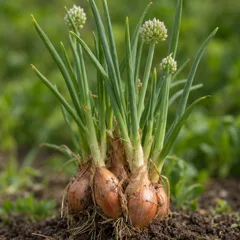
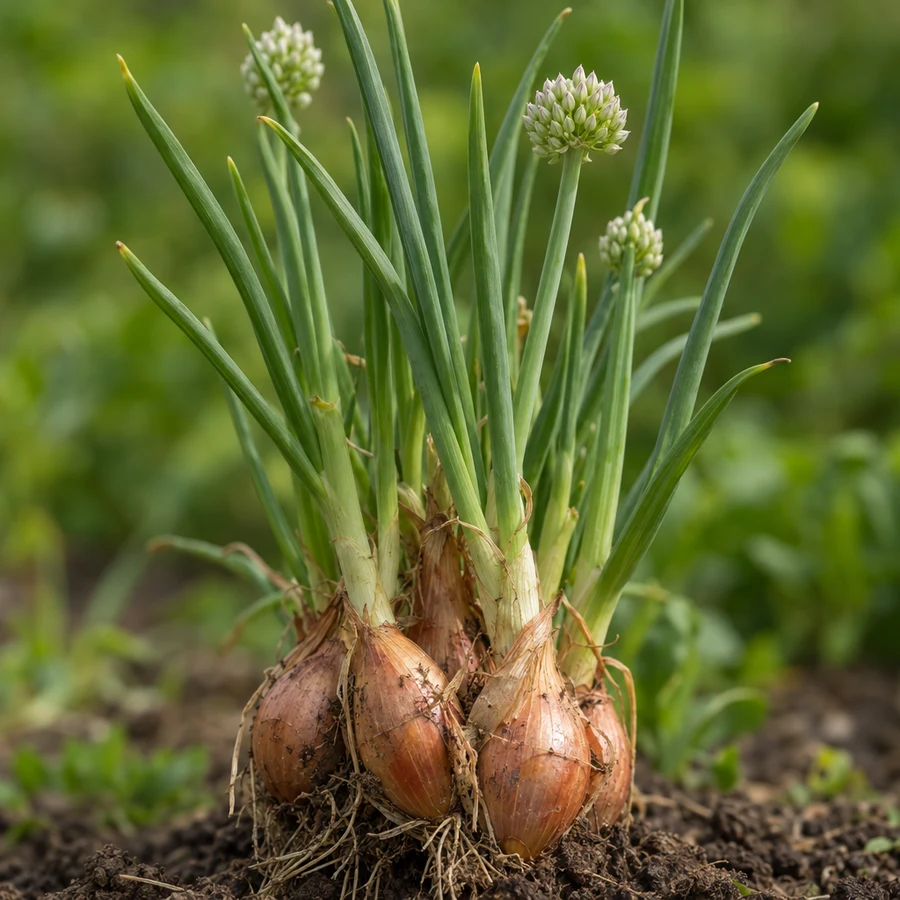
Shallots are small, mild onions that grow in clusters. Plant one bulb and it splits into a bunch of 5 to 15 new ones by summer, each wrapped in coppery, gray or rose-colored skin. The flavor is sweeter and gentler than an onion, with a hint of garlic, which is why cooks reach for them in sauces, dressings and anything where a big onion would take over.
They're one of the easiest alliums to grow. You plant sets in early spring, or in fall where winters allow, keep the weeds down, and lift a basket of bulbs in summer. Shallots store well, often six months or more, and every clump gives you planting stock for next year.
Shallots are close relatives of onions, garlic and chives.
A word on names: in New South Wales, Australia, "shallots" often means green spring onions. The bulb on this page is sold there as "French shallots" or "eschalots." In Quebec, the French word échalote is often used for green onions in the same way.
Keep shallots, like all onions, away from pets. The ASPCA lists onions as toxic to dogs, cats and horses, as they can damage red blood cells.
Recent community discussions
No one has talked about Shallots yet. Be the first.
At a glance
| Plant type | Vegetable (bulb) |
| Botanical name | Allium cepa Aggregatum Group (once called Allium ascalonicum); the French gray shallot is a separate species, Allium oschaninii |
| Annual or perennial | Perennial, grown as an annual |
| Sun | Full sun |
| Water | About 1 inch per week; stop once the tops start to fall over |
| Spacing | Sets 6 to 8 inches apart, rows about 12 inches apart |
| Planting depth | Sets with the tip just showing at the soil surface; seed 1/4 to 1/2 inch deep |
| Days to germinate | Sets root within a week or two; seed comes up in 10 to 14 days |
| Days to maturity | About 3 to 4 months from spring sets; fall sets are ready in late spring to early summer |
| Best USDA zones | 3 to 10; in mild-winter zones plant in fall or winter |
| Soil pH | 6.0 to 7.0 |
Is it shallots weather where you are? See everything to plant this month or read your zone notes.
Pests to watch for

Diseases


A little history
Shallots are an old form of the common onion, and like onions they trace back to Central and Southwest Asia, where the gray shallot still grows wild. The name comes through Old French from the Latin for "onion of Ascalon," an ancient port in the eastern Mediterranean. Botanists once treated the red shallot as its own species, but it is now grouped with the onion, as a cluster-forming type. Shallots went on to become a staple of French cooking.
When to sow in your zone
Most gardeners grow shallots from sets, which are small dormant bulbs. Seed is slower but works too.
Early spring (zones 3 to 9): Plant sets as soon as the ground can be worked, about 2 to 4 weeks before your last frost. Shallots are hardy and like to root in cool soil before the days lengthen. This is the main planting time in Canada (April to May on the prairies, March to April in Ontario and Quebec, February to March on the BC coast), the northern US, and in the UK and Ireland, where sets go in from late winter to mid-spring.
Fall (zones 5 to 8): Sets can also go in around your first fall frost for an earlier harvest the next summer. In the colder end of this range, Utah State Extension advises a mulch or frost cloth over winter. In the UK and Ireland, the RHS advises against autumn and winter planting on heavy soil, where bulbs tend to rot. On light, free-draining soil, some varieties are sold for autumn planting.
Mild winters (warm parts of zone 8, zones 9 and 10): Where the ground rarely freezes, plant sets from late fall into winter so they grow through the cool months and bulb up as the days lengthen. In Australia this means autumn and winter (about April to July), in the tropical north during the cool dry season, with a late-winter planting also possible in frosty inland areas. The old gardeners' saying is to plant on the shortest day and harvest on the longest. In hot, humid areas like Florida and the Gulf Coast, shallots often stay small and are grown mostly for their green tops.
From seed: Start seed indoors in late winter, 5 or 6 seeds to a cell, about 8 to 10 weeks before your last frost, and plant the clumps out in spring. Or sow outdoors in mid-spring. Each seed makes a single bulb in its first year, not a cluster.
Growing it, step by step
Choosing Sets
Buy sets from a garden center or seed company rather than shallots from the grocery store, which may carry disease or be suited to a different climate. Pick firm bulbs about the size of a walnut. Heat-treated sets are less likely to bolt (run to flower) after a cold spell in spring.
Soil and Sun
Full sun and loose, well-drained soil with some compost worked in. Don't plant into freshly manured ground, which can lead to soft, rotting bulbs. Waterlogged soil is the main cause of failure, so use a raised bed on heavy clay.
Planting
Push each set into the soil so the tip is just showing, 6 to 8 inches apart, in rows about 12 inches apart. Closer spacing gives more but smaller bulbs. Birds love to pull up new sets, so check them for the first couple of weeks and press back any that have been lifted. A layer of netting or row cover until they root stops the problem.
Growing in a Pot
Shallots do fine in a container at least 8 inches deep, with a few sets spaced about 6 inches apart in good potting mix. Water more often than you would in the ground.
Water
About 1 inch of water a week while the leaves are growing, as the roots are shallow. Once the tops start to yellow and fall over, stop watering so the bulbs firm up for storage.
Keeping it happy
- Weeds: Shallots have thin, upright leaves that can't shade out weeds. Hoe or hand-weed often and carefully, as the roots are close to the surface.
- Feeding: Work compost in before planting. A light nitrogen feed in early spring helps, but too much late in the season gives soft necks that don't store well.
- Mulch: A thin layer of straw or compost keeps the soil moist and the weeds down. Pull it back from the bulbs as they swell.
- Flower stalks: If a plant bolts, snap off the flower stalk. That bulb won't store well, so use it first.
- Uncovering: As the clusters fill out in summer, many growers draw a little soil away from the bulbs so they ripen in the sun.
Trouble in the bed
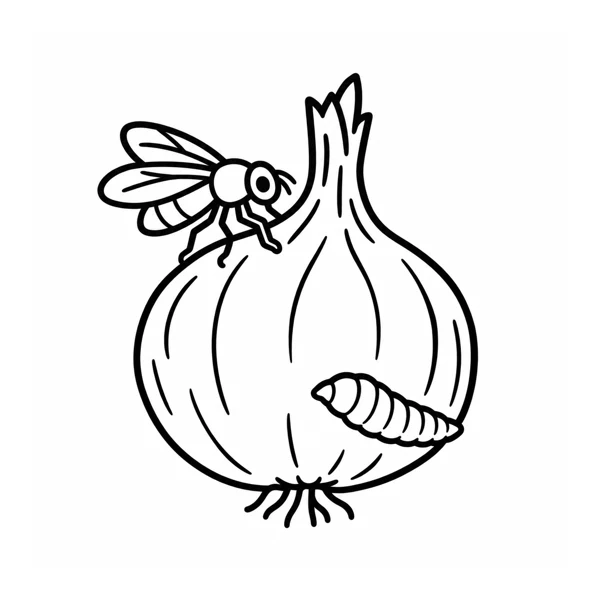
- Onion maggots: Small fly larvae tunnel into bulbs, and plants turn yellow and wilt. Rotate beds and cover young plants with row cover.
- Thrips: Tiny insects that leave silvery streaks on the leaves, worst in hot, dry weather. A hard spray of water and steady watering help.
- Downy mildew: Pale, furry patches on the leaves in cool, damp weather. Space plants for airflow and choose resistant varieties like Meloine.
- Neck rot (a gray mold): Shows up in storage as soft, moldy necks. Cure bulbs well and store only firm, sound ones.
- Rust: Orange spots on the leaves, mostly a cosmetic problem late in the season.
- White rot: A soil fungus that rots roots and bulbs and lasts in the soil for many years. Rotate onion-family crops and never bring in bulbs from infected ground.
In the UK and Ireland, allium leaf miner and leek moth can also attack, and covering plants with fine mesh keeps them off.
Good neighbors
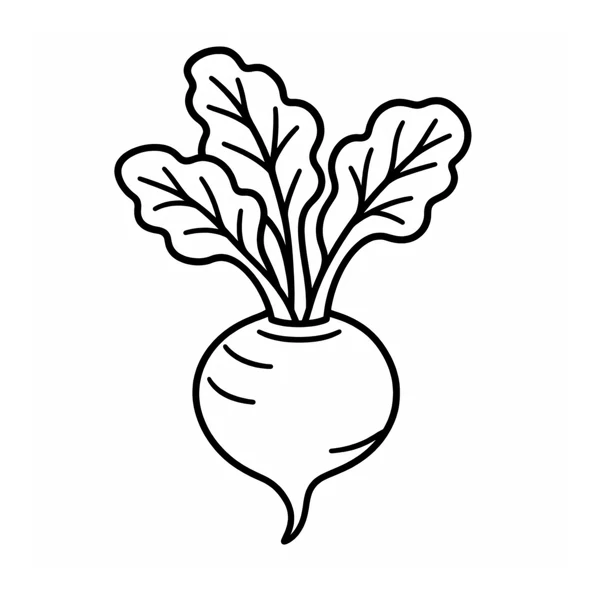


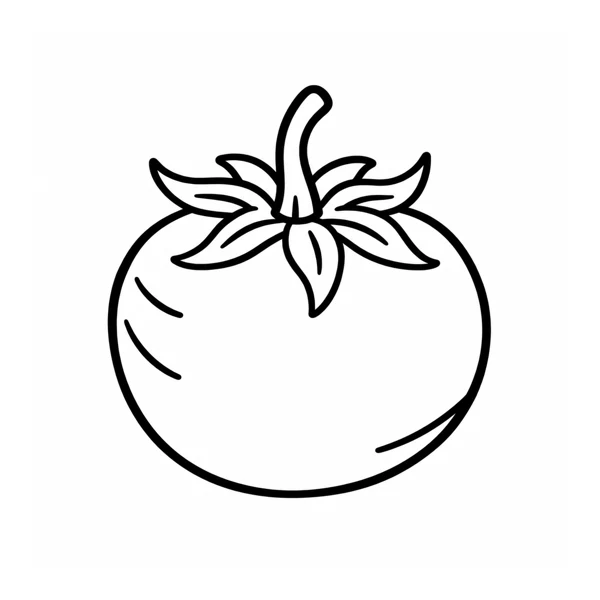
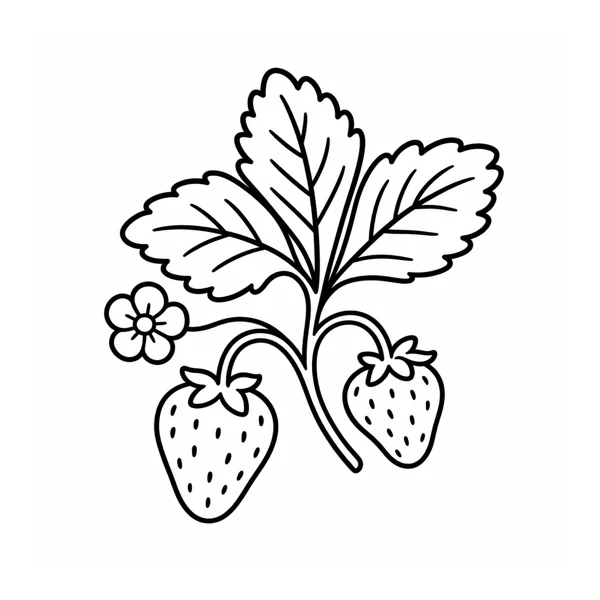
Good: Carrots, beets, lettuce, cabbage, tomatoes and strawberries. These share the same sunny bed without crowding the shallots, and low, leafy crops fill the gaps between rows.
Avoid: Peas and green beans, which tend to do poorly beside onion-family plants. Also avoid following onions, garlic or other alliums in the same bed, as they share pests and soil diseases.
Seeds that grow well in your area in November
Affiliate links — shopping through these helps keep Evening Vines free. Smooth Blue Aster
 Polka Dot Mix
 Black-Eyed SusanSeeds
 ColumbineSeeds
Varieties worth growing
Easy, all-round shallots (most zones, including Canada and the northern US):
- French Red (Red French): The most common shallot, with coppery skin and pink-tinged flesh. Stores well.
- Dutch Yellow: Round, golden bulbs with a stronger, more onion-like taste. Easy and productive.
- Gray Griselle (French Gray): Prized by cooks as having the best flavor, with gray skin and a richer taste, but it keeps for a shorter time. It's a separate species from other shallots.
Good for the UK and Ireland (cool, damp summers):
- Longor: A long, banana-shaped shallot with a good keeping record.
- Matador: Round, reddish-brown bulbs and a heavy crop.
- Meloine: Round, mild bulbs with resistance to downy mildew, a real help in wet summers.
- Zebrune: An old French torpedo-shaped type, slow to bolt.
- Camelot: Teardrop-shaped and a good keeper.
From seed:
- Ambition: A hybrid shallot grown from seed, giving reddish-brown bulbs that store well.
- Zebrune: Also sold as seed, and seed-grown plants are less likely to bolt.
In warm, mild-winter areas (southern US, coastal Australia), plant whatever sets your local garden center sells for fall and winter planting, as they're usually chosen for the local day length.
Picking notes
Shallots are ready when the leaves turn yellow, flop over and start to die back. That's usually mid to late summer from spring sets and early summer from fall sets. Lift the whole cluster gently with a fork, without bruising the bulbs, and pull the clusters apart.
Cure them in a single layer somewhere warm, dry and airy for about two weeks, in the sun if the weather is dry or under cover if it's damp, until the skins are papery and the necks are dry. Trim off the dry tops and roots, keep only firm, perfect bulbs, and store them in mesh bags or trays somewhere cool, dry and well ventilated. Stored this way they keep for six to eight months.
You can also snip a few young leaves in spring and use them like green onions.
Saving seed for next year
Shallots are kept from their own bulbs, much like garlic. At harvest, set aside some of your firmest, medium-sized bulbs and store them for planting next spring or fall. Over the years your stock adapts to your garden. Only replant from healthy beds, so you don't carry disease forward.
Seed-grown types can be left to flower in their second year, but most gardeners simply buy new seed.
From garden to table
USDA figures for raw shallots are about 72 calories per 100 grams, with 3 grams of fiber, about 330 mg of potassium, and a good amount of vitamin B6 and manganese. Use them minced in vinaigrettes and pan sauces, roasted whole, pickled, or sliced thin and fried until crisp, as in many Southeast Asian dishes. The green leaves are edible too.
Questions from the potting bench
What's the difference between shallots and onions? Shallots are a type of onion that grows in clusters instead of one big bulb. They taste milder and sweeter and keep longer than many onions.
Can I plant shallots from the grocery store? They may grow, but they could carry disease or be treated to stop sprouting. Sets from a garden center are a safer bet.
Why didn't my shallots divide? Shallots grown from seed make a single bulb the first year. Sets that were small, planted late, or crowded may also make one or two bulbs instead of a cluster.
Why did my shallots go to flower? A cold snap after planting can trigger bolting. Use heat-treated sets or seed-grown plants, and don't plant too early into very cold, wet soil.
Are green "shallots" the same thing? No. In New South Wales, "shallots" often means green spring onions, and in Quebec the French word échalote is used the same way. The cluster bulb on this page is the French shallot.
Grower reports
How did Shallots do in your garden? Members rate it and say which zone and month they planted, so everyone can see what works near them.
Recent community discussions
No one has talked about Shallots yet. Be the first.
Essentials for Growing Shallots
 Grow Bags
Breathable fabric pots: grow almost anything on a patio, balcony or driveway, and roots never circle.
See it →
 Seed Starting Tray
Reusable tray with a clear dome to give seeds a warm, humid start indoors.
See it →
 Garden Hand Tools
Trowel, transplanter and cultivator: the three tools you reach for most.
See it →
 Organic Fertilizer
Slow-release organic plant food for vegetable beds and containers.
See it →
 Watering Can
Long-spout can for gentle watering of seedlings and pots.
See it →
 Pruning Shears
Sharp bypass pruners for harvesting, deadheading and tidying.
See it →
