
Kohlrabi
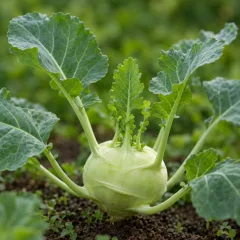
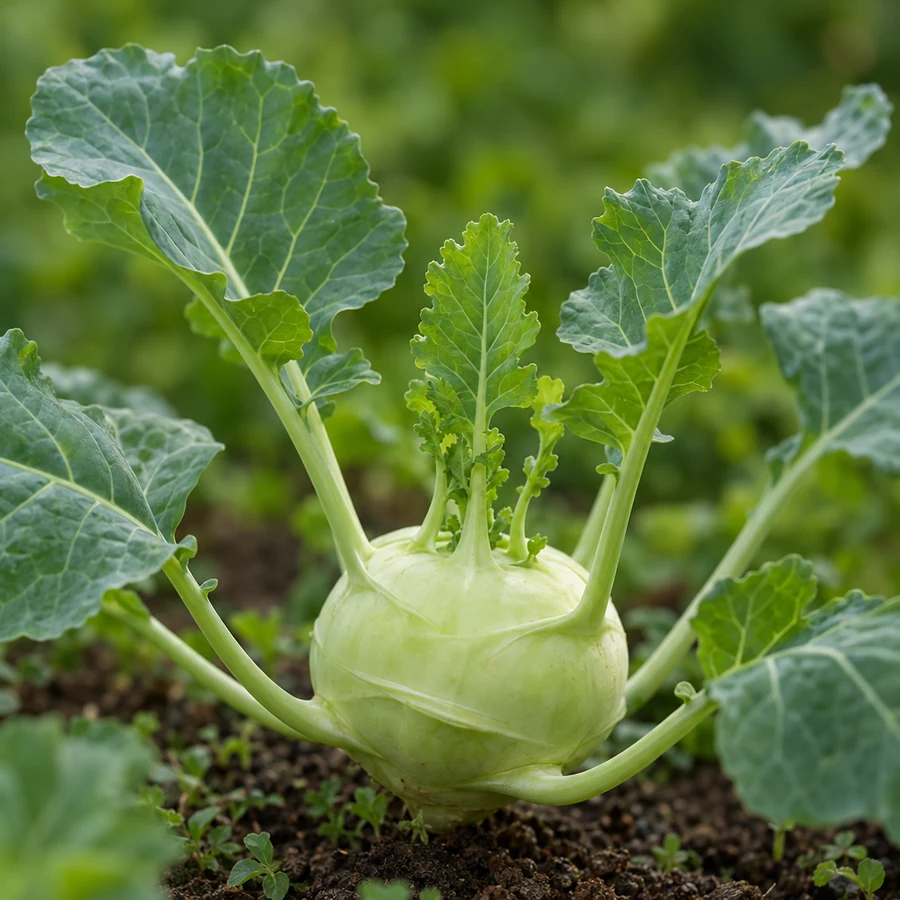
Kohlrabi looks like something from another planet: a round, smooth ball sitting just above the ground, with leaves sticking out of it on long stalks. The ball is not a root. It is the stem, swollen up just above the soil, and it tastes like a mild, sweet broccoli stem with a crunch like an apple.
It is one of the quickest brassicas you can grow. Many varieties are ready in six or seven weeks, so it fits into a spring bed before the heat comes and again in late summer for fall. Green and purple types are both white inside.
Kohlrabi is in the same family as cabbage, broccoli and kale, and needs much the same care.
Recent community discussions
No one has talked about Kohlrabi yet. Be the first.
At a glance
| Plant type | Cool-season vegetable |
| Botanical name | Brassica oleracea var. gongylodes (Gongylodes Group) |
| Annual or perennial | Biennial, grown as an annual |
| Sun | Full sun (at least 6 hours) |
| Water | About 1 inch per week, evenly |
| Spacing | 4 to 6 inches, rows 12 inches apart; giant types 12 inches |
| Planting depth | 1/4 to 1/2 inch |
| Days to germinate | 5 to 10 in soil above 50°F |
| Days to maturity | 40 to 60 for most types; giant types 60 to 90 or more |
| Best USDA zones | 2 to 11 as a spring or fall crop; fall to winter in zones 9 to 11 |
| Soil pH | 6.0 to 7.5 |
Is it kohlrabi weather where you are? See everything to plant this month or read your zone notes.
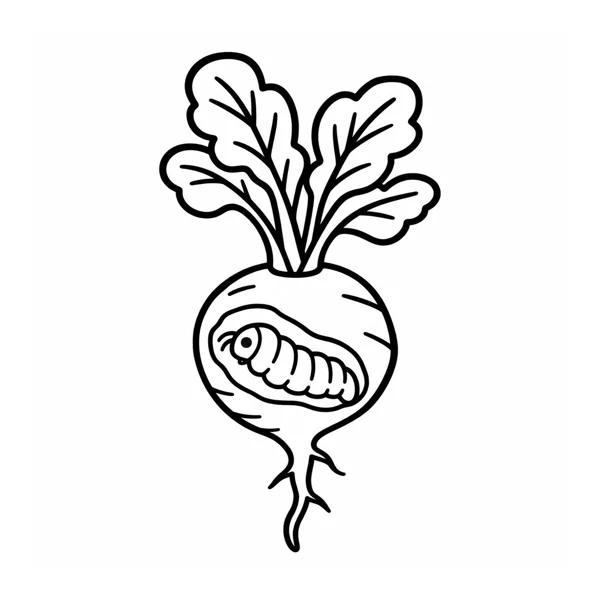
Pests to watch for
Diseases
A little history
Kohlrabi was bred from wild cabbage in Europe, and the first clear descriptions of it come from European herbals of the 1500s. The name is German: kohl means cabbage and rübe means turnip, which is a fair description of how it looks. It became a common vegetable in Germany and central Europe, and German settlers carried it to North America. It is also widely grown in India and East Asia.
When to sow in your zone
Spring: Start seed indoors 4 to 6 weeks before your last frost, or sow outside from about 3 weeks before the last frost. Don't rush it. A late hard frost, or a week or more of nights below about 50°F, can make young plants bolt to flower instead of forming a ball. Choose quick varieties so you harvest before hot summer weather.
Fall: Sow 8 to 12 weeks before your first fall frost. Fall kohlrabi is often the best of the year, because the balls swell as the nights cool and light frost sweetens them. Giant types need the longer fall season.
Mild winters: In zones 9 to 11, sow from early fall through midwinter for harvests in winter and early spring. Summer heat is too much for it there. In zone 8, stick to the late-winter and late-summer sowings above.
UK and Ireland: Sow outdoors from March, once the soil is about 50°F (10°C), with small sowings every few weeks through July, or into August where autumns are mild. Use purple types for the last sowings.
Not sure of your frost dates? See the zones page and count back from your last frost.
Growing it, step by step
From seed
Sow 1/4 to 1/2 inch deep in cells, two seeds per cell, and thin to the strongest. Grow at 60 to 70°F in bright light. No heat mat is needed. Plant out while the seedlings are still small, about 2 inches tall. Older, root-bound seedlings often bolt.
Direct Sowing
Sow seed 1 inch apart in rows 12 inches apart. Thin to 4 to 6 inches apart once the seedlings have a few true leaves. For giant types, thin to 12 inches.
Moving it outside
Harden off for a week or two. Set plants at the same depth they grew in the pot, not deeper, since the ball forms just above the soil. If a week or more of nights below about 50°F is forecast, wait, or keep the plants under a cloche or row cover, since a long cold spell can make them bolt.
Soil and Water
Kohlrabi likes loose, rich soil with plenty of compost and a pH of 6.0 to 7.5. Give about 1 inch of water a week, more on sandy soil. Steady moisture is what keeps the balls tender. Dry spells make them woody and can make them split.
Containers
Kohlrabi grows well in a pot at least 12 inches wide and deep. It is small, quick and good-looking, so it suits a patio.
Keeping it happy
- Row cover: Put a light row cover over the bed at planting to keep out cabbage moths and flea beetles. Weigh down the edges well.
- Weeds: Weed by hand or with a shallow hoe. The roots are near the surface.
- Mulch: A thin layer of mulch keeps the soil cool and moist in spring.
- Feeding: Work compost in before planting. Kohlrabi grows fast and rarely needs more. On poor soil, give a light nitrogen feed 3 weeks after planting.
- Rotation: Don't grow it where any brassica grew in the past 3 to 4 years.
Trouble in the bed
- Cabbage worms and loopers: Green caterpillars that chew holes in the leaves. Row cover keeps the moths off. Hand-pick, or spray Bt.
- Flea beetles: Tiny jumping beetles that riddle seedlings with small holes. Row cover and steady watering help seedlings outgrow them.
- Cabbage maggots: Fly larvae that tunnel in the roots of young plants, which then wilt. Row cover from planting is the best defense.
- Aphids: Gray clusters under the leaves. Spray off with water or use insecticidal soap.
- Clubroot: A soil disease that swells and distorts the roots. Rotate brassicas and lime acid soil to raise the pH to about 7.2, which slows the disease. Once it is in the soil, it can last for many years.
Because kohlrabi grows so fast, it is often out of the ground before pests build up.
Good neighbors
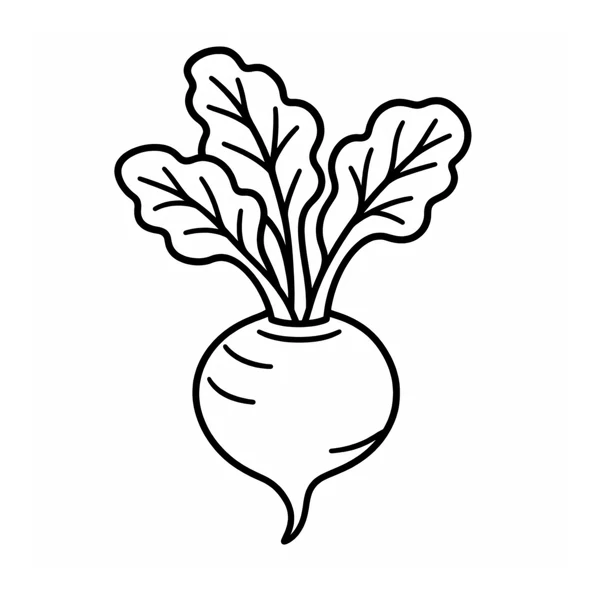



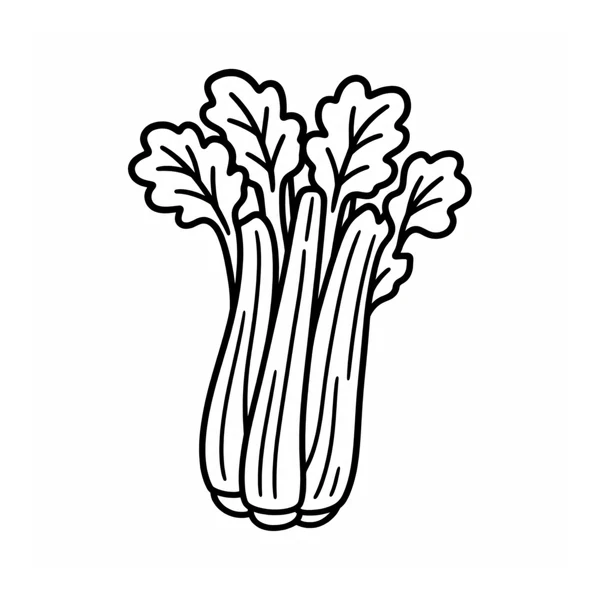
Good: Beets, lettuce, onions, dill and celery. Lettuce and onions fit well between the small plants, and dill flowers draw in small wasps that prey on caterpillars.
Avoid: Following cabbage, broccoli or other brassicas in the same bed.
Seeds that grow well in your area in November
Affiliate links — shopping through these helps keep Evening Vines free. Johnny Jump Up
 Organic Cat Grass
 Arugula Microgreens
 Organic Alfalfa
Varieties worth growing
Quick types for spring and short seasons:
- Quickstar: Ready in about 40 to 45 days, so it suits short northern seasons such as much of Canada.
- Korist: Green and good for early spring sowings, with some resistance to downy mildew. About 45 to 50 days.
- Grand Duke: A uniform, dependable green hybrid, about 45 to 50 days.
- Early White Vienna: The old pale green heirloom, about 55 to 60 days. Reliable and easy to find.
Good in cool, damp summers (UK and Ireland):
- Kolibri: Deep purple skin, white flesh, quick and sweet. About 45 to 55 days.
- Olivia: Green, slow to bolt and tolerant of disease. About 50 to 55 days.
For fall and winter:
- Early Purple Vienna: Purple heirloom, about 60 days. Purple types tend to be a little hardier, so they suit late-summer sowing.
- Kossak: A giant hybrid that stays tender at 8 inches across and stores well. About 70 to 80 days.
- Superschmelz: A giant green heirloom that can reach 10 inches without going woody. Best in long, mild falls.
In short-season areas such as Canada, pick quick types like Quickstar, Korist or Early White Vienna. In hot or subtropical areas, such as the southern US and much of Australia, grow kohlrabi in the cool months and pick fast, bolt-resistant types.
Picking notes
Cut the ball at soil level when it is 2 to 3 inches across, between golf-ball and tennis-ball size. Spring kohlrabi turns tough and woody if you leave it much longer, especially in heat. Fall crops and giant types can grow larger and stay tender. The young leaves are good to eat too.
To store, cut off the leaves and keep the balls in the refrigerator, or somewhere cool and humid. They keep about 2 weeks in the refrigerator, and longer near freezing with high humidity.
Saving seed for next year
Kohlrabi is a biennial. It flowers in its second spring, after a winter of cold. Where winters are mild you can leave plants in the ground. In cold areas, lift them in fall and replant in spring. It crosses easily with every other Brassica oleracea crop, including cabbage, broccoli, kale, cauliflower and Brussels sprouts. For seed that grows true, let only one variety flower at a time, or keep them far apart.
From garden to table
Kohlrabi is low in calories and very high in vitamin C. A cup of raw kohlrabi comes close to a full day's worth. It also gives you fiber and potassium. Peel off the tough outer skin, then slice it raw into salads and slaws, eat it like an apple with a pinch of salt, roast it, or add it to stir-fries and soups. Cook the leaves like kale or collards.
Questions from the potting bench
Is kohlrabi a root vegetable? No. The ball is a swollen stem that grows just above the soil. That is why you plant it at the same depth, not deeper.
Why did my kohlrabi go woody? It was probably left too long, got too hot, or dried out. Pick spring kohlrabi small and keep the soil moist.
Why did my plants bolt without making a ball? Cold is the usual cause. A spell of chilly nights in spring, or seedlings that sat too long in their pots, can trigger flowering. Sow a little later, plant out young seedlings, and choose bolt-resistant varieties.
Can I grow it in summer? It struggles in hot summers. Grow it in spring and fall, or through winter in mild zones.
Grower reports
How did Kohlrabi do in your garden? Members rate it and say which zone and month they planted, so everyone can see what works near them.
Recent community discussions
No one has talked about Kohlrabi yet. Be the first.
Essentials for Growing Kohlrabi
 Grow Bags
Breathable fabric pots: grow almost anything on a patio, balcony or driveway, and roots never circle.
See it →
 Seed Starting Tray
Reusable tray with a clear dome to give seeds a warm, humid start indoors.
See it →
 Garden Hand Tools
Trowel, transplanter and cultivator: the three tools you reach for most.
See it →
 Organic Fertilizer
Slow-release organic plant food for vegetable beds and containers.
See it →
 Watering Can
Long-spout can for gentle watering of seedlings and pots.
See it →
 Pruning Shears
Sharp bypass pruners for harvesting, deadheading and tidying.
See it →
