
Cabbage
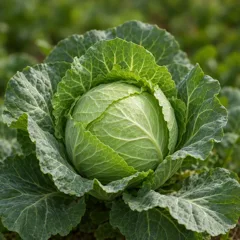
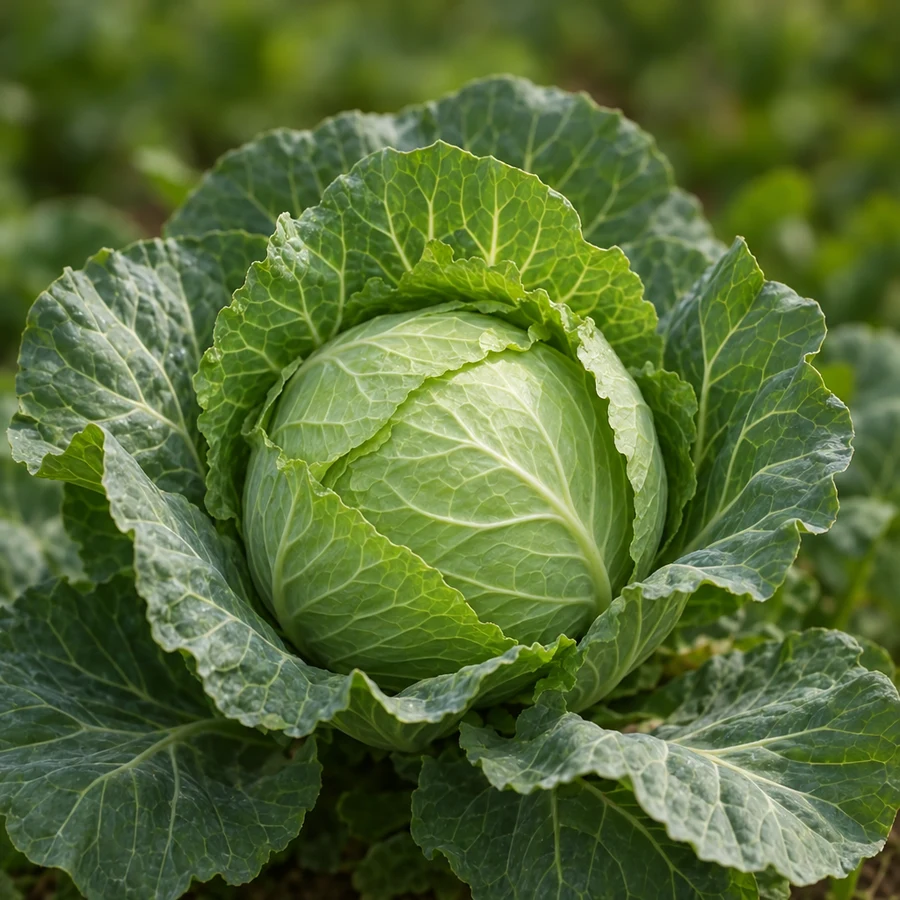
Cabbage forms a dense head of tightly wrapped leaves in green, red, or crinkled savoy. It's a cool-season staple that handles frost and keeps well after harvest. Heads range from baseball to basketball size, depending on the variety.
Fast, even growth gives sweet, tender heads. Heat or drought makes them tough, and uneven watering makes them split. Give it fertile, well-drained loam with plenty of organic matter.
Recent community discussions
No one has talked about Cabbage yet. Be the first.
At a glance
| Plant type | Cool-season vegetable |
| Botanical name | Brassica oleracea var. capitata |
| Annual or perennial | Biennial, grown as an annual |
| Sun | Full sun |
| Water | 1 to 1.5 inches per week, evenly |
| Spacing | 12 to 18 inches (24 for large late types) |
| Planting depth | 1/4 to 1/2 inch |
| Days to germinate | 4 to 10 |
| Days to maturity | About 60 to 100 from transplant |
| Best USDA zones | 3 to 10 as a seasonal crop |
| Soil pH | 6.0 to 7.5 |
From planting to harvest
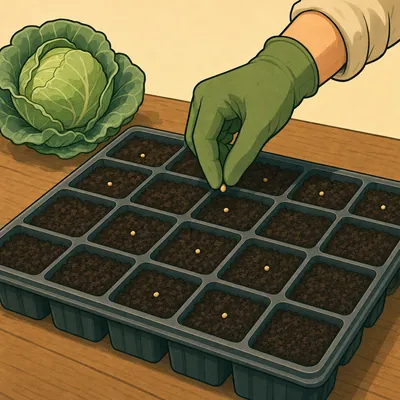
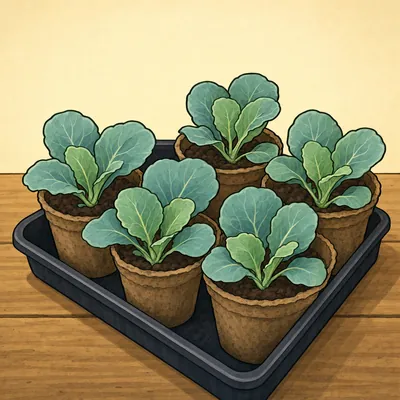
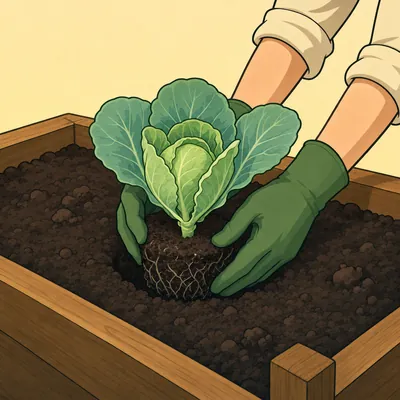
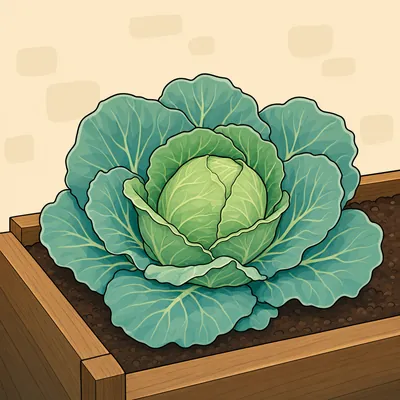
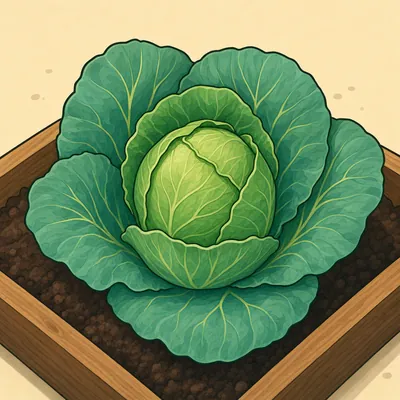
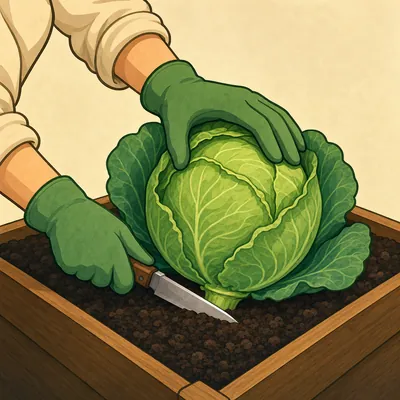
Is it cabbage weather where you are? See everything to plant this month or read your zone notes.

Indoors: 6–8 weeks before last frost. Outdoors: sow 2–4 weeks before last frost. Fall crop: sow midsummer.

60–100 days.

Zones 4–10, late spring?early summer; fall harvest also possible.

Moist, fertile clay loam, pH 6.0–7.5. Consistent fertility ensures dense heads.
Pests to watch for



Diseases


A little history
Cabbage comes from wild cabbage, a leafy plant of the sea cliffs of western Europe. The ancient Greeks and Romans grew it, but mostly as loose-leaf, kale-like plants rather than the tight balls we know. Firm, headed cabbage was worked out later by growers in the cooler north of Europe during the Middle Ages, and clear descriptions of hard heads turn up by the 1500s. It became a winter staple there, often fermented into sauerkraut, and European settlers carried it to North America.
When to sow in your zone
Spring: Start seed indoors 6 to 8 weeks before your last frost, then transplant the young plants into the garden 2 to 4 weeks before that frost date. Choose early types. Spring plantings are cut in late spring and early summer.
Fall: Start seed in midsummer, 12 to 14 weeks before the first fall frost, and transplant 6 to 8 weeks before frost. Fall plantings are cut in fall, and in zones 8 to 10 a fall planting carries on through winter.
Look up your own frost dates and cabbage timing on your zone page. Our post on starting cabbage and broccoli indoors walks through the trays step by step.
Growing it, step by step
From seed
Sow 1/4 to 1/2 inch deep in trays at 65 to 75°F. Grow the seedlings in bright light and harden them off for a week or so before planting out.
Moving it outside
Plant with the first true leaves just above the soil, 12 to 18 inches apart, and give large late types more room. Cover with row cover right away to keep egg-laying moths and flies off.
Water
Give 1 to 1.5 inches a week. Even watering prevents split heads.
Mulch
Spread 2 to 3 inches of straw, shredded leaves, or compost once the soil has warmed a little. It keeps the soil cool and evenly moist, which cabbage loves, and it smothers weeds so you hoe less near the shallow roots.
Feeding
Cabbage is a heavy feeder. Work compost in before planting. About 3 to 4 weeks after transplanting, side-dress with a nitrogen fertilizer a few inches from the stems and water it in. Stop adding nitrogen once the heads begin to form: late feeding gives loose heads that are more likely to split.
Keeping it happy
Weed gently and keep the soil evenly moist. If a ripe head is at risk of splitting after heavy rain, give it a quarter turn to break some of the roots, which slows its growth.
Rotate: don't plant cabbage where any cabbage-family crop (broccoli, kale, cauliflower, Brussels sprouts, turnips and the like) grew in the last 3 to 4 years. That keeps soil-borne troubles like clubroot from building up. Our crop rotation plan shows one easy way to lay it out.
Trouble in the bed
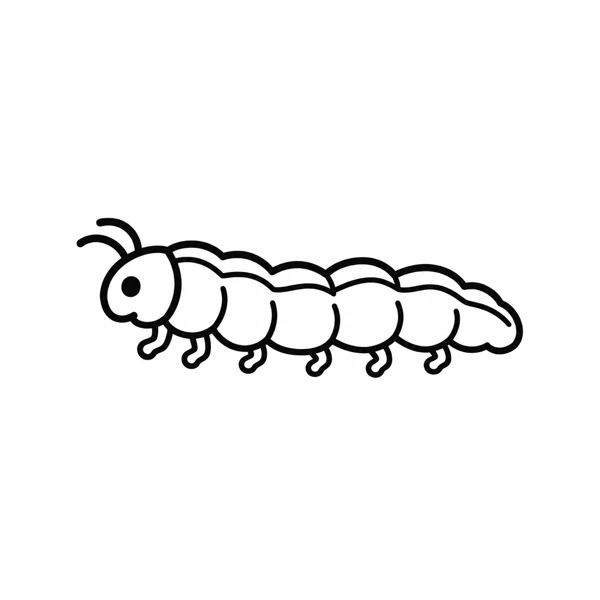
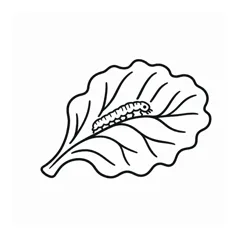
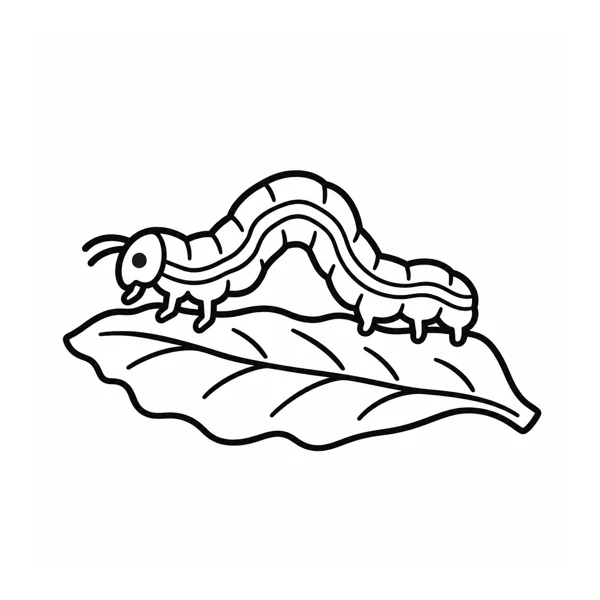
- Cabbage worms and loopers: Hand-pick, use row cover, or spray Bt.
- Cabbage maggots (root maggots): The small white larvae tunnel into roots and plants wilt. Cover transplants with row cover from day one and rotate crops.
- Aphids: Spray them off with water or use insecticidal soap.
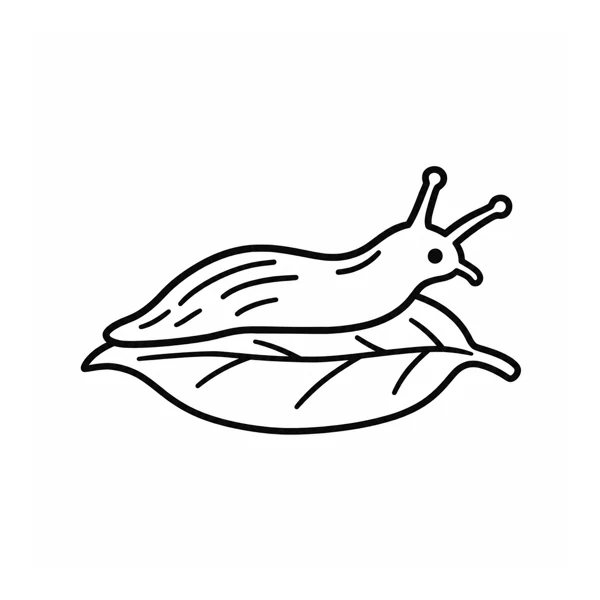
- Slugs and snails: Hand-pick at dusk or use iron phosphate bait.
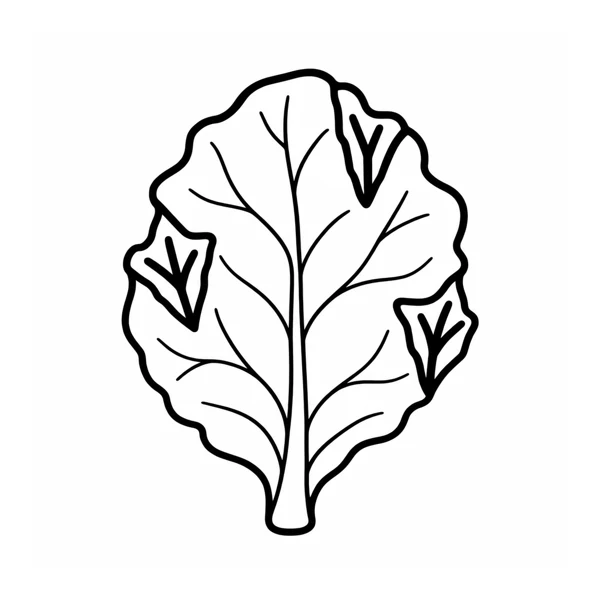
- Clubroot: Rotate crops. Where it has shown up, lime the soil to about pH 7.2, mixed in well before planting.
- Black rot and Fusarium yellows: Use clean seed and resistant varieties, and rotate. More on picking them in choose disease-resistant varieties.
Good neighbors



Seeds that grow well in your area in November
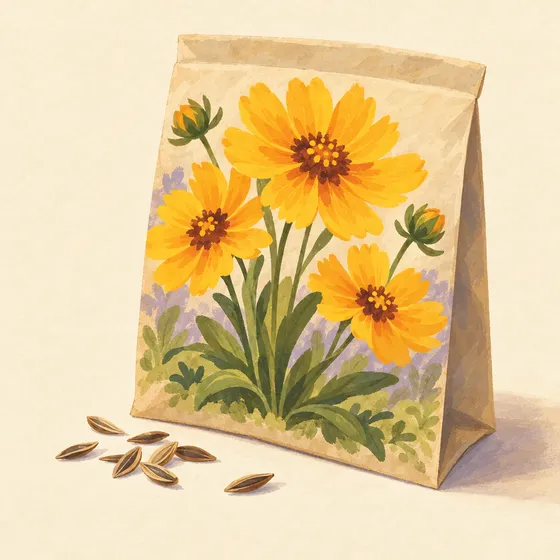
Affiliate links — shopping through these helps keep Evening Vines free. Black-Eyed SusanSeeds
 ColumbineSeeds
 Moonbeam
 Foxglove Mix
Varieties worth growing
- Early Jersey Wakefield: A fast heirloom with pointed heads, for spring. Seeds
- Golden Acre: Small, round, and early, good for small gardens. Seeds
- Copenhagen Market: A reliable early round type.
- Stonehead: A hybrid with small, very solid heads, ready around 70 days, that hold in the bed without splitting.
- Savoy Ace: A tender, mild savoy with crinkled leaves.
- Savoy King: A dark green hybrid savoy, about 80 days, that copes with warmer weather better than most.
- Red Acre: A firm red head that keeps well. Seeds
- Brunswick: A German heirloom drumhead, about 90 days, made for cool climates, storage, and sauerkraut.
- Late Flat Dutch: A big, late type for storage. Seeds
Cabbage seeds to buy
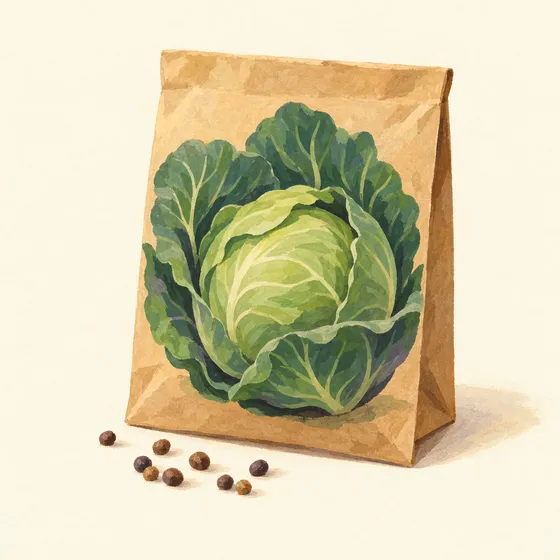 Golden AcreEarly round heads, compact size, good cold toleranceSeedsRed AcreCompact red variety, early maturing, good cold toleranceSeedsEarly Jersey WakefieldVery early pointed heads, extremely cold tolerant, reliable producerSeedsLate Flat DutchTraditional storage variety, very large heads, winter hardySeeds
Picking notes
Cut the heads when they feel firm and solid. Cut at the base with a sharp knife and leave the root in the ground, because small bonus heads often sprout. Early types are ready 60 to 70 days after transplanting, late types 90 to 100. Cabbage keeps for months somewhere cool and humid.
Saving seed for next year
Cabbage is a biennial, so seed comes in its second year. It crosses with the other Brassica oleracea crops: most kale, collards, broccoli, cauliflower, Brussels sprouts, and kohlrabi. It won't cross with turnips, bok choi, mustard, or radishes. Let only one of these crops flower at a time, or keep 800 feet to half a mile between varieties. Save from several plants, since cabbage needs a neighbor to set seed well.
Overwinter healthy heads, then cut a shallow cross in the top in spring to help the seed stalk break through. Collect the pods once they're dry and papery. Our post on saving seeds from your garden covers drying and storing.
From garden to table
Cabbage provides vitamins C and K and fiber, and it's low in calories. Eat it raw in slaws, or roast, braise, or ferment it into sauerkraut or kimchi. Red cabbage juice turns pink with acid and blue-green with alkali, which makes a fun kitchen experiment.
Questions from the potting bench
Why did my cabbage split? Heavy water after a dry spell, or nitrogen given after the heads started forming. Water evenly and harvest ripe heads promptly.
Why are my heads small or loose? Heat, crowding, or low fertility.
Can I grow cabbage in pots? Yes. Grow one plant per container, at least 12 inches deep.
Grower reports
How did Cabbage do in your garden? Members rate it and say which zone and month they planted, so everyone can see what works near them.
Recent community discussions
No one has talked about Cabbage yet. Be the first.
Seeds to try
Affiliate links — shopping through these helps keep Evening Vines free.Essentials for Growing Cabbage
 Grow Bags
Breathable fabric pots: grow almost anything on a patio, balcony or driveway, and roots never circle.
See it →
 Insect Netting
Fine mesh that keeps cabbage worms, flea beetles and birds off your crops, no sprays needed.
See it →
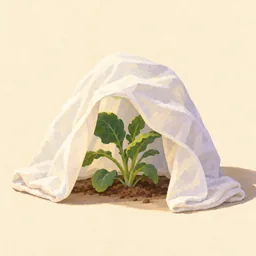 Frost Cloth
Throw it over young plants on cold spring and fall nights.
See it →
 Garden Hand Tools
Trowel, transplanter and cultivator: the three tools you reach for most.
See it →
 Plant Labels
Waterproof markers so you know what's coming up where.
See it →
 Organic Fertilizer
Slow-release organic plant food for vegetable beds and containers.
See it →
