
Mango
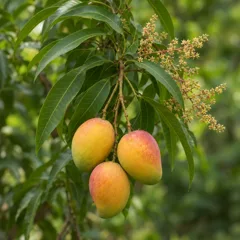
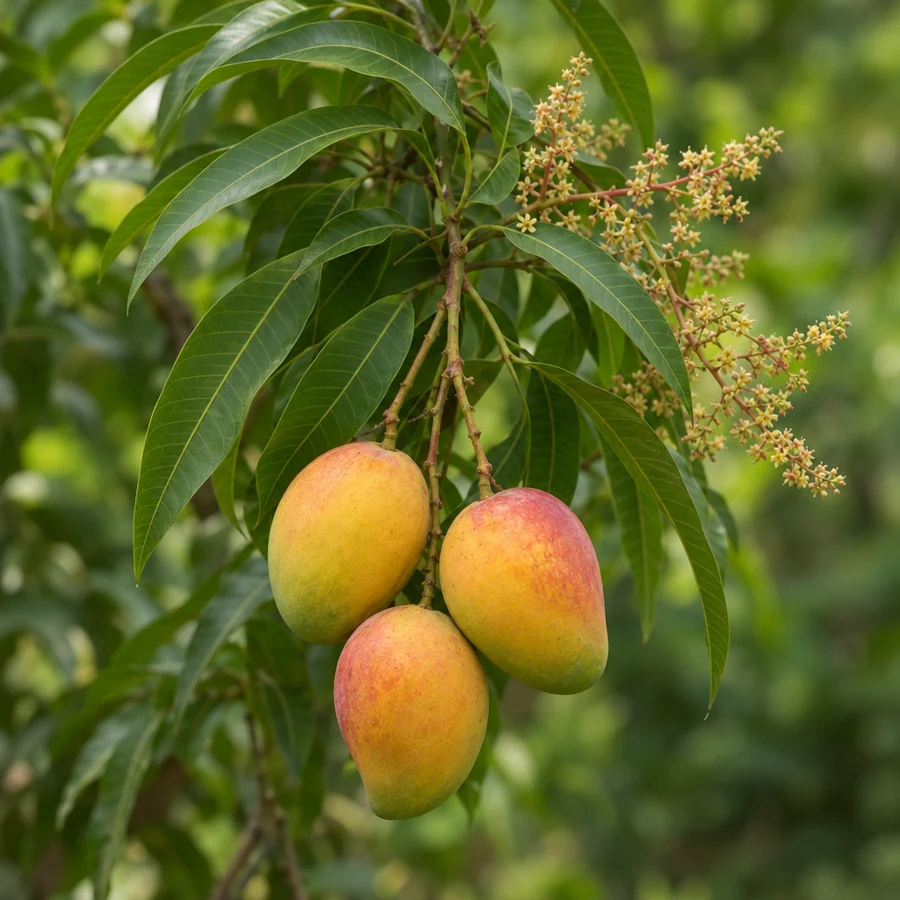
A ripe mango picked from your own tree is soft, juicy and far better than most store fruit, which is picked hard for shipping. Mango trees are handsome evergreens with long, leathery leaves that come out pink or bronze before turning dark green. One tree is enough to get fruit.
The catch is cold. Mangoes grow outside only where frost is rare and brief: south and central coastal Florida, Hawaii, Puerto Rico, a few frost-free spots in Southern California and southern Texas, and in Australia the tropical and subtropical north and east. Everywhere else, including the UK, Ireland and Canada, a mango is a pot plant for a warm conservatory or heated greenhouse, moved outdoors for summer. Compact "condo" varieties make this possible, though fruit under cover is never guaranteed.
Recent community discussions
No one has talked about Mango yet. Be the first.
At a glance
| Plant type | Fruit tree (evergreen, tropical) |
| Botanical name | Mangifera indica |
| Annual or perennial | Evergreen perennial |
| Sun | Full sun, 8 hours or more |
| Water | Regular water while young; mature trees only in long dry spells |
| Spacing | 25 to 30 feet for full-size trees; 12 to 15 feet for compact types kept pruned |
| Planting depth | Top of the root ball level with or slightly above the ground |
| Days to germinate | Usually bought as a grafted tree; a fresh seed sprouts in a few weeks in warm soil |
| Days to maturity | Grafted trees 3 to 5 years to first fruit; seedlings often 6 years or more. Fruit ripens 100 to 150 days after flowering |
| Best USDA zones | 10 to 11 outdoors; anywhere in a big pot moved under cover for winter |
| Soil pH | About 5.5 to 7.5; tolerates the limestone soils of south Florida |
Is it mango weather where you are? See everything to plant this month or read your zone notes.
Pests to watch for


Diseases


A little history
Mangoes come from the Indo-Burma region, where India, Myanmar and Bangladesh meet, and people in India have grown them for more than 4,000 years. Persian traders took mangoes to East Africa around the 10th century. Portuguese ships carried them to West Africa and Brazil in the 1500s, and they were growing in Barbados by the 1740s. Hawaii's first recorded mangoes came from Manila in 1824. Seedlings sent to Florida's Cape Sable in 1833 died after their planter, Dr. Henry Perrine, was killed. In 1889 grafted trees shipped from Bombay reached Florida, and one of them grew in the Coconut Grove yard of a Captain Haden. A seedling of that tree, named Haden by his widow, became the parent of many famous Florida mangoes.
When to sow in your zone
Mangoes go in as grafted nursery trees, not seeds, and they want warm weather to settle in.
Spring to early summer (zones 10 to 11): Plant once the cool season is over and the soil is warm, from about March to June. In Florida that runs from spring into the start of the summer rains, which water the young tree for you. In northern Australia and coastal Queensland, spring and early summer (September to December) are the usual time, so a tropical-north tree settles in as the wet season starts. Avoid planting just before the coolest weeks of the year.
Zone 9 and colder: Grow it in a pot. Set it outside in late spring once nights stay above about 50°F, and bring it back under cover in fall before nights drop toward 40°F. Mangoes don't toughen up with cold the way hardy fruit trees do.
UK, Ireland, Canada and southern Australia: Mangoes can't be planted out where frost occurs. Keep the pot in a bright conservatory, heated greenhouse or sunny room all winter, and put it outside only in the warmest summer weeks.
November in the garden: In zones 10 to 11, keep an eye on the forecast and cover young trees on any frost night, since a tree under three years old can die at 29 to 30°F. In colder places, your potted mango should already be indoors in the brightest window you have.
Growing it, step by step
Buying the Right Tree
Buy a grafted tree of a named variety. Many popular mangoes don't come true from seed, and a seedling can take years to flower and may give stringy, bland fruit. Look for a healthy tree in a 3-gallon pot with no roots circling the bottom.
Picking the Spot
Choose the warmest, sunniest place you have that never floods. Full sun also helps the flowers and fruit dry off after rain, which cuts down on disease. Leave room: an unpruned mango can grow 30 feet tall or more, so keep big varieties 25 to 30 feet from the house, power lines and other trees.
Planting
Dig a hole three to four times as wide as the pot. There's no need to add fertilizer or compost to the hole. Set the tree so the top of the root ball sits level with or slightly above the ground, fill in with the native soil, firm it gently and water well. If your ground stays wet after heavy rain, build a low mound of native soil, 2 to 3 feet high, and plant on top.
Growing in a Pot
Pick a compact variety (see Varieties). Start in a 10- to 15-gallon pot and move up to 20 gallons or more as it grows. Use a free-draining mix and a pot with big drainage holes, and give it as much sun and warmth as you can. Indoors, flowers may need help to set fruit, since the insects that usually pollinate them, mostly flies, aren't around. Brushing gently over the flower clusters with a soft paintbrush can help.
Water
Water a new tree every other day for the first week, then once or twice a week for the first couple of months. For the first three years, water weekly in any dry spell. After about four years, a mango in the ground needs water only during long droughts in spring and summer. Too much water, such as a lawn sprinkler on a timer, leads to root rot and poor fruit. Potted trees need steady water in summer and much less in winter.
Mulch
Spread 2 to 6 inches of wood chips or bark over the root zone, keeping it 8 to 12 inches from the trunk. Keep grass back too, and never hit the trunk with a mower or string trimmer.
Feeding
Feed young trees every one to two months in their first year, starting small. As the tree grows, three or four feedings a year are plenty. Once a tree bears fruit, cut back hard on nitrogen and use a fertilizer higher in potash. Too much nitrogen gives soft fruit and a big leafy tree. In alkaline soils, yellow leaves with green veins usually mean the tree needs iron and other trace minerals.
Keeping it happy
Prune soon after harvest, and finish by early fall so you don't cut off next year's flowers. On a young tree, pinch or cut the leader to get more side branches and a strong, low frame. Each year after that, take a few tall limbs back to where they start. This keeps the fruit within reach and makes the tree less likely to break in a storm. Hard pruning won't kill a mango, but it costs you a crop or two.
Cold is the big danger. Mature trees can take about 25°F for a few hours with some damage to leaves and twigs, but young trees can die at 29 to 30°F. Flowers and tiny fruit can be lost after a few hours below 40°F, even with no frost at all. On cold nights, cover small trees down to the ground and water the soil beforehand.
Trouble in the bed
- Anthracnose: The main mango disease in humid places. Black, sunken spots appear on flowers, young fruit and leaves, and ripe fruit can rot. It spreads in rain and heavy dew. Grow a resistant variety, plant in full sun, and keep sprinkler water off the tree.
- Powdery mildew: A white powder on new leaves, flower clusters and baby fruit, mostly in dry spring weather. Bad cases strip the flowers so no fruit sets. Sulfur sprays applied as the flower clusters grow help.
- Scale insects: Small crusty bumps on leaves and twigs, often with sticky honeydew and black sooty mold. Prune out heavy patches and check potted trees often.
- Thrips and mites: These scar young leaves and fruit. They rarely do serious harm to a tree in the ground. Indoors, a strong spray of water helps keep mites down.
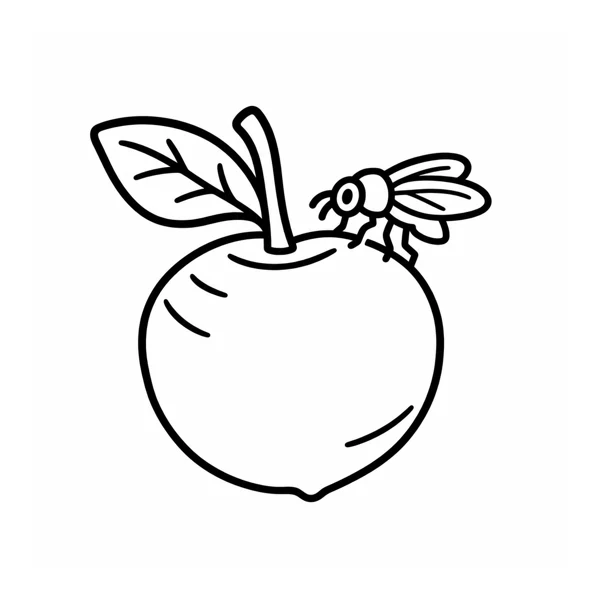
- Fruit flies: In Australia and other warm regions, fruit flies lay eggs in ripening fruit. Pick fruit promptly, clear up fallen fruit, and bag or net fruit where they're a problem.
Good neighbors


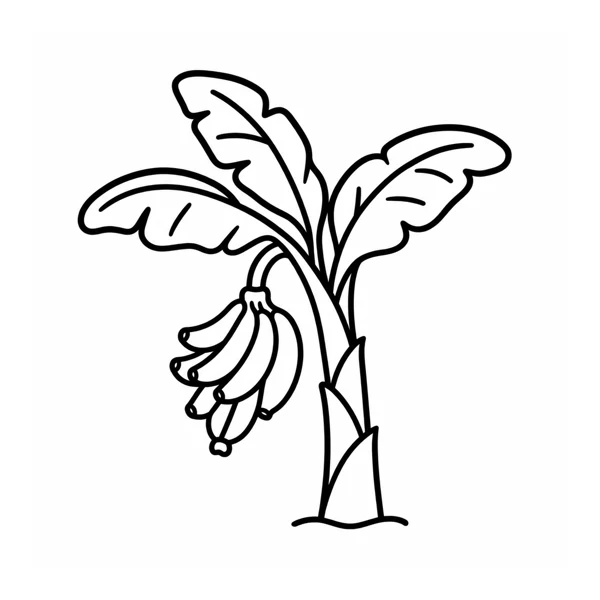
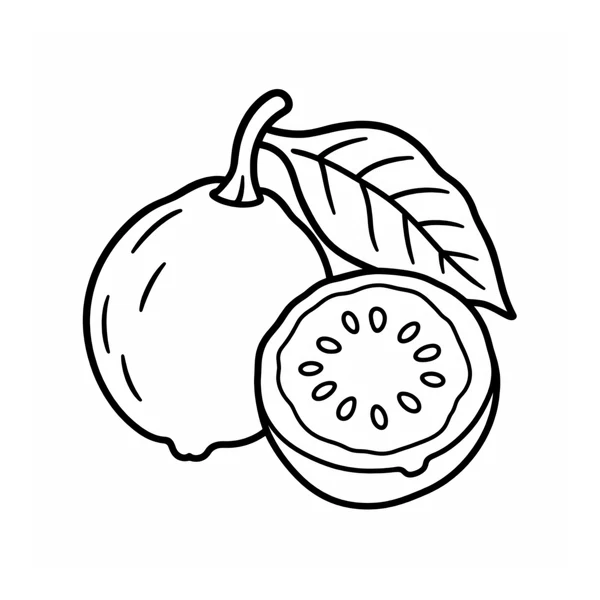
Good: Low, shallow herbs and flowers around the outer edge of the root zone, like marigolds and nasturtiums. Other warm-climate fruit such as banana, guava and lemon suit the same gardens, as long as each tree has its own space and sun.
Avoid: Lawns kept heavily fed and watered right up to the trunk, which push leafy growth and invite root rot. Don't plant mangoes where tomatoes or other vegetables have just grown, as verticillium wilt in that soil can kill young trees.
Seeds that grow well in your area in November
Affiliate links — shopping through these helps keep Evening Vines free. Wild Lupine
 Common Milkweed
 PansySeeds
 PhloxSeeds
Varieties worth growing
Compact "condo" mangoes (pots, small yards, conservatories):
- Pickering: Bushy and compact, and can be kept at about 6 feet in a container. Firm fruit with a coconut-like flavor, ripening in early summer. A good pick for growing under cover.
- Cogshall: A low-vigor Florida tree with soft, fiberless red-blushed fruit in early summer. A steady cropper for home gardens. Trees
- Julie: An old Caribbean favorite on a small, low tree. Flattish fruit with rich flavor.
- Fairchild: Small tree with green-yellow fruit. Fairly resistant to anthracnose, so it suits humid gardens.
- Rosigold: Small tree that ripens very early, from March or April in Florida.
Warm-zone favorites (Florida, Hawaii, southern Texas, Southern California):
- Glenn: Medium tree with soft, sweet, aromatic fruit; a reliable home-garden cropper.
- Nam Doc Mai: A Thai mango with long, golden fruit and fiberless flesh. It comes true from seed.
- Valencia Pride: Large, vigorous tree with big, sweet, mid-summer fruit.
- Kent and Keitt: Late-season mangoes that extend the harvest into late summer and early fall. Keitt often stays green-skinned when ripe.
Australian favorites (Queensland, Northern Territory, northern WA and NSW):
- Kensington Pride: Also called the Bowen mango. Australia's classic, with a rich, spicy aroma, and its seed comes true.
- R2E2: A big, round, red-blushed mango bred at Bowen in Queensland.
- Calypso: A newer Queensland variety with firm, sweet flesh and a small seed.
Cooler edges (Perth, Sydney, coastal California): Choose early or mid-season varieties, which ripen before the weather cools. Plant against a warm north-facing wall in Australia (south-facing in the northern hemisphere), well clear of frost hollows.
Mango trees to buy
Affiliate links — shopping through these helps keep Evening Vines free. Cogshall
Picking notes
In Florida most mangoes ripen between May and September, with the most fruit in June and July. Kensington Pride ripens in the Australian spring and summer, earlier in the Northern Territory and later in Queensland. A mango is ready to pick when the shoulders and the tip fill out and broaden, and red-blushed types start to color or turn from green toward yellow. A mature fruit snaps off with a light pull.
Pick fruit firm and let it ripen at room temperature, ideally 70 to 75°F, which takes 3 to 8 days. Don't refrigerate mangoes until they're ripe, as cold damages unripe fruit. Mangoes are related to poison ivy and cashew, and the sap from the stem and skin can blister sensitive skin. Wear gloves when picking, keep sap off your face, and wash the fruit. People who react to poison ivy may react to mango peel too. Never burn mango wood, since the smoke is very irritating.
Saving seed for next year
It depends on the variety. Many Southeast Asian mangoes, such as Nam Doc Mai, Carabao and Florigon, and Australia's Kensington Pride, have "polyembryonic" seeds that grow several sprouts identical to the parent, so they come true. Most Indian and Florida types, like Haden, Kent and Glenn, have single-embryo seeds and grow into something different.
To try, clean the stone, carefully cut open the woody husk and plant the seed inside on its side, just covered, in warm, moist mix. It will grow into a nice leafy houseplant, but expect to wait six years or more for any fruit, and in a pot indoors it may never flower.
From garden to table
Mangoes are a good source of vitamin C and also give vitamin A, folate and fiber. USDA figures for raw mango are about 60 calories, 36 mg of vitamin C and 1.6 grams of fiber per 100 grams. Eat them fresh, blend them into smoothies, freeze slices, dry them, or cook them into chutney and jam. Green, unripe mangoes are sliced into salads, pickles and relishes. Use one knife to peel and a clean one to slice, so sap from the skin doesn't get on the flesh.
Questions from the potting bench
Can I grow a mango tree in a cold climate? Yes, in a pot. Choose a compact variety like Pickering, give it a warm, bright spot under cover in winter, and put it outside only in warm summer weather. Fruit is possible but not guaranteed.
Do I need two mango trees? No. Each flower cluster has both male and perfect flowers, so a single tree can set fruit on its own.
Why didn't my mango tree set fruit? The usual culprits are cold nights below about 40°F during bloom, rain and anthracnose on the flowers, powdery mildew, or too much nitrogen. Young trees also often flower before they're ready to hold fruit.
Will a tree grown from a store mango give fruit? Sometimes, after six years or more, and only in a warm enough climate. If the variety has single-embryo seeds, the fruit won't match the one you ate.
Grower reports
How did Mango do in your garden? Members rate it and say which zone and month they planted, so everyone can see what works near them.
Recent community discussions
No one has talked about Mango yet. Be the first.
Trees to try
Affiliate links — shopping through these helps keep Evening Vines free.Essentials for Growing Mango
 Grow Bags
Breathable fabric pots: grow almost anything on a patio, balcony or driveway, and roots never circle.
See it →
 Organic Fertilizer
Slow-release organic plant food for vegetable beds and containers.
See it →
 Pruning Shears
Sharp bypass pruners for harvesting, deadheading and tidying.
See it →
 Insect Netting
Fine mesh that keeps cabbage worms, flea beetles and birds off your crops, no sprays needed.
See it →
 Soaker Hose
Waters the roots slowly, not the leaves: less disease, less water, less work.
See it →
 Garden Hand Tools
Trowel, transplanter and cultivator: the three tools you reach for most.
See it →
