
Apricot
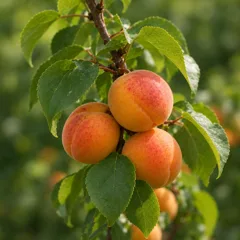
A ripe apricot picked warm off the tree is soft, juicy and much sweeter than the firm ones in the store. Apricots are small, tidy trees, and most varieties set fruit with their own pollen, so one tree is usually enough. The catch is that they bloom very early in spring, often before the last frost. Where you put the tree, and which variety you choose, matter more than anything else you do.
Recent community discussions
No one has talked about Apricot yet. Be the first.
At a glance
| Plant type | Fruit tree |
| Botanical name | Prunus armeniaca |
| Annual or perennial | Deciduous perennial |
| Sun | Full sun, 8 hours or more |
| Water | About 1 inch per week; deep, less frequent soakings |
| Spacing | Standard trees 20 to 25 feet; semi-dwarf 12 to 15 feet; hardy northern types 10 to 15 feet |
| Planting depth | Same depth as in the nursery, with the graft union 2 to 4 inches above the soil |
| Days to germinate | Not grown from seed for fruit; start from a grafted nursery tree |
| Days to maturity | 3 to 4 years to first fruit, full crops at 5 to 7 years |
| Best USDA zones | 5 to 8 (3 to 4 with hardy northern varieties; 9 with low-chill varieties) |
| Soil pH | 6.0 to 7.0 |
Is it apricot weather where you are? See everything to plant this month or read your zone notes.
Pests to watch for


A little history
Wild apricots still grow in the mountains of Central Asia. Genetic studies show that apricots were domesticated more than once from these wild trees: once in China, where they have been grown for thousands of years, and separately in Central Asia, the line that gave rise to European apricots. The fruit traveled west along trade routes through Persia and Armenia. The Romans thought it came from Armenia, which is where the botanical name armeniaca comes from. Spanish missionaries brought apricots to California in the 1700s, and California still grows most of the apricots in the United States.
When to sow in your zone
Apricots go in as young grafted trees, not seeds, and they're planted while dormant.
Spring (zones 3 to 5): Plant bare-root trees as soon as the ground can be worked, usually April or May, while the buds are still closed. In the coldest zones, spring is the only safe time, since a fall-planted tree has no time to root before the ground freezes.
Late winter to early spring (zones 6 to 7): Plant bare-root trees in February, March or early April, before the buds open. Apricots wake up early, so don't leave it late. Potted trees can go in a little later in spring.
Winter (zones 8 to 9): In mild areas, plant dormant bare-root trees from December through February, or into early March. The soil stays workable and the roots grow a little before spring.
UK and Ireland: Bare-root trees are sold from late autumn to early spring; plant them in the dormant season, finishing by March in mild areas. Potted trees can go in at other times if you keep them watered.
November in the garden: In zones 8 to 9 this is the time to order bare-root trees and get the planting hole ready. In colder zones, rake up and throw away fallen leaves and any shriveled fruit left on the tree, and put a guard around young trunks to stop rabbits and voles chewing the bark over winter.
Growing it, step by step
Starting a New Tree
Buy a grafted tree of a named variety. Apricot pits will sprout after a cold spell in the fridge, but the tree won't be true to its parent and may take years to fruit. Nursery trees are grafted onto a rootstock that sets the final size, so check the label for standard, semi-dwarf or dwarf.
Picking the Spot
Full sun and good drainage are a must. Because apricots flower so early, frost is the biggest threat to your crop. Plant on a slope or higher ground where cold air drains away, never in a low spot where frost settles. In very cold areas, a north- or east-facing spot can actually help, because the tree warms more slowly in spring and blooms a little later. In cool, damp summers, like much of the UK and Ireland, the opposite is true: a fan-trained tree on a sunny south- or west-facing wall gives the fruit the heat it needs and makes the blossom easier to cover on frosty nights.
Planting
Dig a hole wider than the roots but no deeper. Set the tree at the depth it grew in the nursery, with the graft union (the knobby bump near the base) a few inches above the soil. Spread bare roots out, firm the soil back in, and water well. Don't add fertilizer to the planting hole.
Growing in a Pot
Dwarf varieties do well in a large pot of 15 gallons or more, using a free-draining potting mix. Potted trees are handy in cool climates, because you can roll them into a greenhouse, porch or unheated garage when frost threatens the blossom. Water often in summer and feed lightly through spring.
Water
Water a young tree deeply once a week in dry weather, about an inch of water. Established trees prefer a deep soaking every week or two over frequent light sprinkles. Soggy soil is the quickest way to kill an apricot, so let the top few inches dry between waterings.
Mulch
A few inches of wood chip mulch keeps the roots cool and moist. In cold regions it also keeps the soil cold a little longer in spring, which can delay bloom by a few days. Keep mulch a hand's width from the trunk.
Feeding
Apricots need little feeding. A light, balanced fertilizer in early spring is enough for most trees. If the tree grows more than about 2 feet a year, skip it. Too much nitrogen gives soft, leafy growth that's more open to disease. In alkaline soils, yellow leaves with green veins mean the tree can't take up iron; a soil test will tell you what's needed.
Keeping it happy
Train young trees to an open vase shape with three or four main branches, so light and air reach the middle. Apricots fruit on short spurs that stay productive for only a few years, so each year take out some of the oldest wood to keep new spurs coming.
Timing matters. In wet-winter climates, prune in summer, right after harvest, while the weather is dry. Pruning cuts made in cold, wet weather let in diseases like silver leaf, bacterial canker and Eutypa dieback. In dry-winter areas some growers prune in late winter instead, but summer is the safer choice in most gardens. Clean your pruners between cuts if you're removing diseased wood.
When the young fruit is about the size of a grape, thin it to one apricot every 2 to 4 inches. It feels wasteful, but the fruit you leave grows bigger, and the branches won't snap under the weight.
If frost is forecast while the tree is in flower, cover small or wall-trained trees overnight with fleece or an old sheet held off the flowers on stakes. Take it off in the morning so bees can reach the blossom. If few bees are about, dab the open flowers with a soft paintbrush to move the pollen around.
Trouble in the bed
- Brown rot: A fungus that blights blossoms and turns ripening fruit brown and fuzzy. Pick off rotten fruit, clear away any mummified fruit, and prune out dead twigs.
- Bacterial spot and bacterial canker: Small dark spots on leaves and fruit, or sunken, oozing patches on branches. Prune in dry weather and avoid wounding the bark.
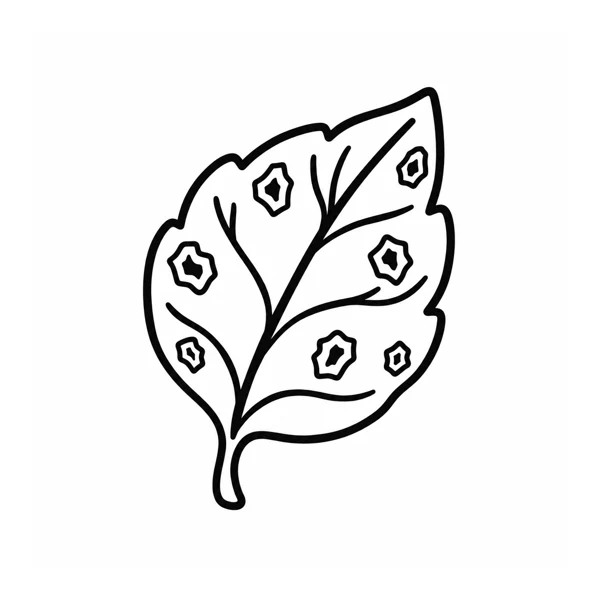
- Shot hole: A fungus that leaves small round holes in the leaves and spots on the fruit, worst after wet springs. Clean up fallen leaves and keep the canopy open.
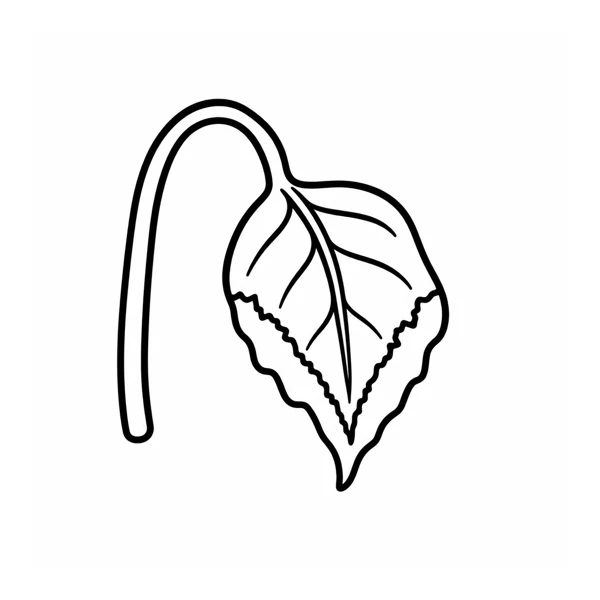
- Verticillium wilt: Whole branches wilt and die in summer, often in cool, wet soils. Cut out affected wood and don't plant where tomatoes, potatoes or eggplant have had wilt.
- Peach tree borers: Gummy sap and sawdust at the base of the trunk. Keep the trunk free of damage and check the base each summer.
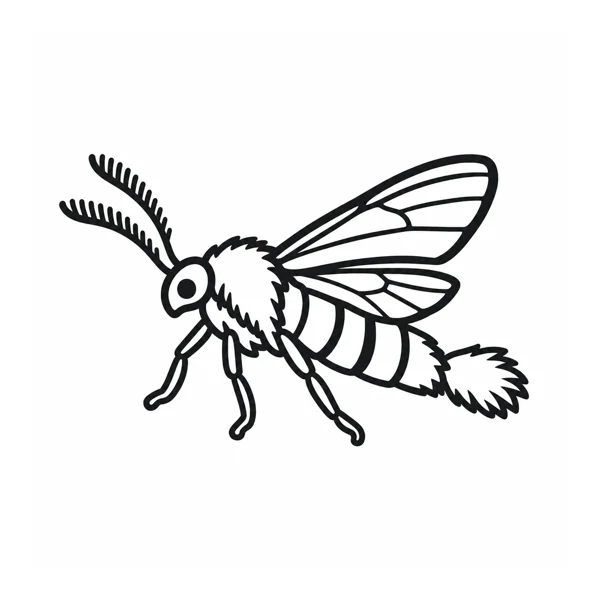
- Aphids, mites and scale: Curled leaves, fine speckling, or crusty bumps on twigs. A strong spray of water or horticultural oil deals with most of them.
- Birds and squirrels: They'll take ripe fruit fast. Net small trees as the fruit colors.
Good neighbors





Good: Low herbs and flowers that bring in bees and helpful insects, planted around the edge of the root zone, like chives, garlic, nasturtiums, marigolds, lavender and thyme.
Avoid: Tomatoes, potatoes, eggplant and peppers close to the tree, since they can carry verticillium wilt in the soil. Also keep lawn grass and thirsty plants off the root zone.
Seeds that grow well in your area in November
Affiliate links — shopping through these helps keep Evening Vines free. PhloxSeeds
 Royal Mix
 Johnny Jump Up
 Organic Cat Grass
Varieties worth growing
Cold-hardy apricots (zones 3 to 4, Canadian Prairies and northern US):
- Westcot: A Manitoba variety with large, mild, sweet freestone fruit. One of the hardiest good-eating apricots; plant a second hardy type for better crops.
- Brookcot: Bred in Alberta. Juicy fruit for eating fresh or canning, on a naturally small tree.
- Moongold and Sungold: Minnesota varieties for zone 4. Plant them together, as each pollinates the other.
Apricots for zones 5 to 8 (frosty springs and cool summers):
- Harcot and Harglow: Bred at Harrow, Ontario, for cold winters and good disease resistance.
- Tomcot: Early, reliable and self-fertile; one of the best choices for cool, cloudy summers in the UK and Ireland.
- Moorpark (and Early Moorpark): An old English favorite with rich, juicy flesh, often grown fan-trained against a warm wall.
Apricots for warm winters (zones 7 to 9):
- Blenheim (Royal): The classic California apricot, sweet and aromatic, and the best for drying. It blooms early, so it's not for cold areas.
- Gold Kist: Needs only about 300 chill hours, so it suits southern California and similar mild areas.
- Katy: Large, early fruit for warm-winter gardens.
- Trevatt: A long-time favorite in Australian home gardens, cropping heavily in summer.
For a pot: Genetic dwarfs like Garden Aprigold stay about 5 to 6 feet tall.
Picking notes
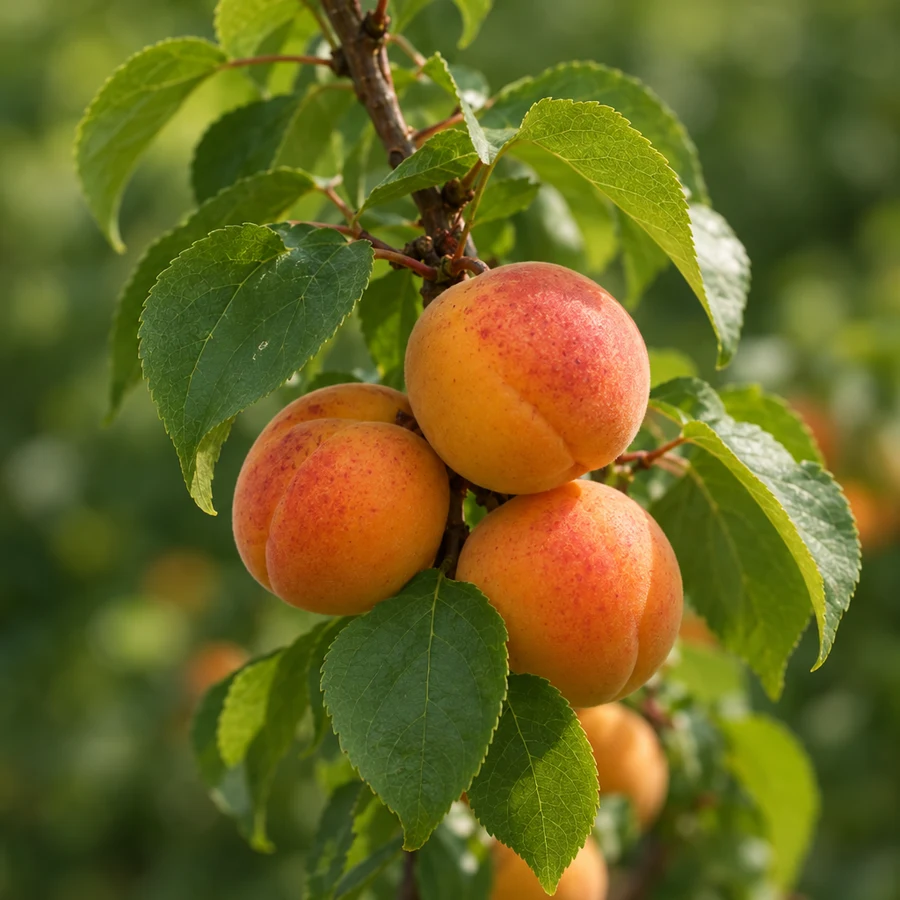
Apricots ripen from early to late summer, depending on your area and variety. Pick when the fruit is fully colored, with no green left near the stem, and gives a little when you press it gently. Lift and twist the fruit off rather than pulling, so you don't break the fruiting spurs. Tree-ripened apricots have the best flavor but bruise easily. Fruit picked a touch early will soften on the counter in a day or two.
Saving seed for next year
Not practical. Apricot pits won't grow into the same variety as the parent. To keep a variety, buy a grafted tree or learn to graft budwood onto a rootstock.
A safety note: the kernel inside the pit contains amygdalin, which turns into cyanide in the body. Food safety agencies, including those in the UK, Canada and Australia, warn against eating raw apricot kernels, and Australia and New Zealand ban their retail sale. The leaves, stems and wilted foliage contain the same compounds, so keep dogs, cats and horses from chewing them. The fruit flesh itself is perfectly safe.
From garden to table
Apricots are rich in beta-carotene, which the body turns into vitamin A, and they bring potassium, fiber and some vitamin C. USDA figures for raw apricots are about 48 calories, 2 grams of fiber and 260 mg of potassium per 100 grams. Drying concentrates everything, giving about 7 grams of fiber and over 1,100 mg of potassium per 100 grams. Eat them fresh, halve and dry them in the sun or a dehydrator, bake them into tarts, or cook them down into jam. Ripe apricots keep only a few days in the fridge.
Questions from the potting bench
Why does my apricot tree flower but give no fruit? Most often a late frost killed the blossoms. Apricots bloom very early, and even a few degrees below freezing at bloom can wipe out a crop. Choose a late-blooming variety and plant away from frost pockets.
Do I need two apricot trees? Usually not. Most apricots are self-fertile, though a second variety that blooms at the same time can improve the crop. A few, like Moongold and Sungold, need a partner.
Can I grow apricots in a cold climate? Yes. Hardy Canadian and Minnesota varieties like Westcot, Brookcot and Moongold survive zone 3 or 4 winters. Expect some years with no fruit when spring frost hits the blossom.
Can I grow apricots where winters are mild? Yes, if you pick a low-chill variety like Gold Kist or Katy. Standard varieties won't get enough winter cold and will flower poorly.
When should I prune my apricot tree? In summer, after you've picked the fruit, in dry weather. Winter pruning in wet climates lets in canker and dieback diseases.
Grower reports
How did Apricot do in your garden? Members rate it and say which zone and month they planted, so everyone can see what works near them.
Recent community discussions
No one has talked about Apricot yet. Be the first.
Essentials for Growing Apricot
 Grow Bags
Breathable fabric pots: grow almost anything on a patio, balcony or driveway, and roots never circle.
See it →
 Organic Fertilizer
Slow-release organic plant food for vegetable beds and containers.
See it →
 Pruning Shears
Sharp bypass pruners for harvesting, deadheading and tidying.
See it →
 Insect Netting
Fine mesh that keeps cabbage worms, flea beetles and birds off your crops, no sprays needed.
See it →
 Soaker Hose
Waters the roots slowly, not the leaves: less disease, less water, less work.
See it →
 Garden Hand Tools
Trowel, transplanter and cultivator: the three tools you reach for most.
See it →
