
Feijoa
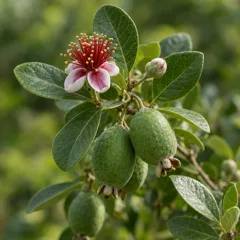
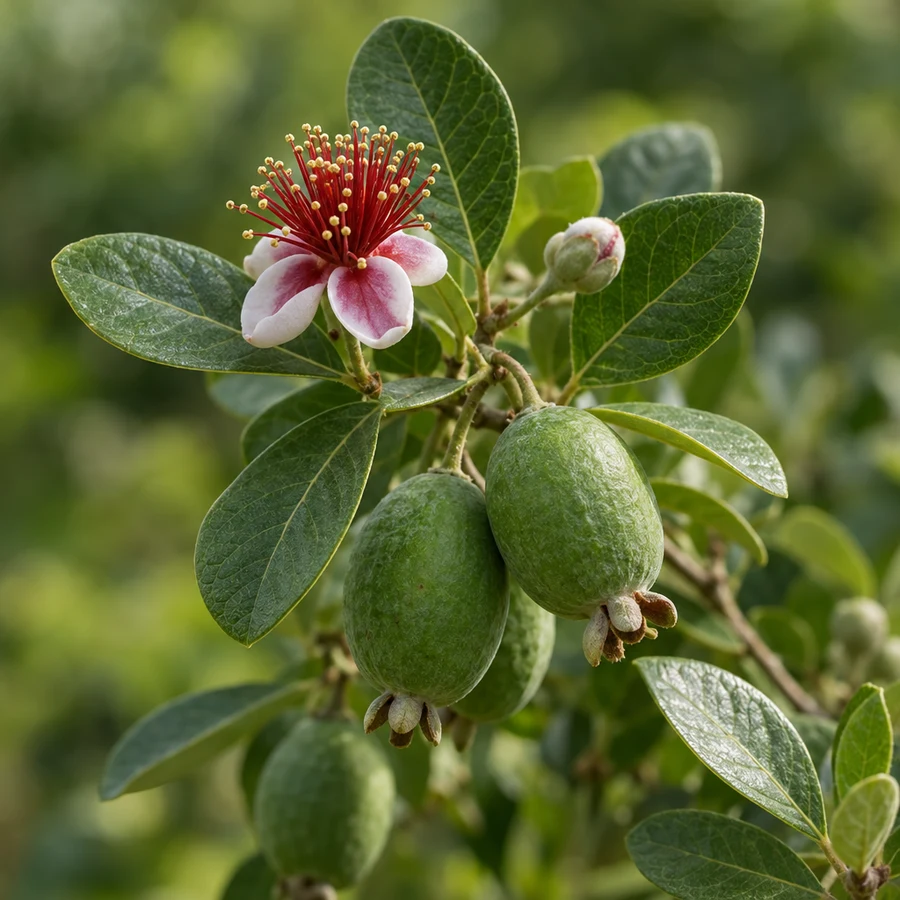
Feijoa, also called pineapple guava, is a tough evergreen shrub with gray-green leaves that are silvery-white underneath. In late spring it opens striking flowers with thick white-and-pink petals and a burst of red stamens. In fall it drops egg-sized green fruit with a perfumed, sweet-tart taste, somewhere between pineapple, guava and mint.
It's one of the hardiest of the subtropical fruits. Mature plants take about 15°F, so it grows well across the southern US, the Pacific Northwest coast, much of Australia and the milder parts of the UK and Ireland. It also makes a handsome hedge, and it doesn't mind salty coastal wind.
The one catch is pollination. Most varieties crop far better with a second, different variety nearby. We'll come back to that.
Recent community discussions
No one has talked about Feijoa yet. Be the first.
At a glance
| Plant type | Fruit tree |
| Botanical name | Acca sellowiana (also sold as Feijoa sellowiana) |
| Annual or perennial | Evergreen perennial shrub or small tree |
| Sun | Full sun for the best crop; takes part shade |
| Water | About 1 inch per week while young and while fruit swells; fairly drought tolerant once settled |
| Spacing | 10 to 15 feet for a single tree; about 7 feet apart for a hedge |
| Planting depth | Same depth as in the nursery pot |
| Days to germinate | Fresh seed sprouts readily, but seedlings won't come true; buy a named nursery plant |
| Days to maturity | 2 to 4 years to first fruit from a nursery plant (3 to 5 years or more from seed); fruit ripens about 5 to 7 months after flowering |
| Best USDA zones | 8 to 10 (11 grows a fine shrub but fruits poorly; colder zones in a big pot brought inside) |
| Soil pH | 5.5 to 7.0 |
Is it feijoa weather where you are? See everything to plant this month or read your zone notes.
Pests to watch for


Diseases
A little history
Feijoa is native to the hills of southern Brazil, Uruguay, northeastern Argentina and Paraguay. It's named for João da Silva Feijó, a Portuguese naturalist, and the species name honors Friedrich Sellow, a German plant collector who worked in southern Brazil. The French horticulturist Édouard André brought a plant from Uruguay to his garden on the French Riviera in 1890. It fruited there in 1897, and he wrote it up the next year. Seedlings and layered plants descended from his bush reached Santa Barbara, California, in 1901 and 1903, and some were sent on to Florida. New Zealand has grown it since the early 1900s and it became a backyard favorite there. Today New Zealand, California and Colombia are its main growing areas.
When to sow in your zone
Feijoas go in as young potted plants, not seeds.
Spring (all zones): Plant once the danger of frost has passed. A young feijoa is more tender than an old one, so a full warm season to root in before winter matters most in zone 8, and in the UK and Ireland.
Fall (zones 9 and 10): Where winters are mild, early fall is a fine time too. The soil is still warm and winter rain helps the roots spread. In Australia, early autumn (March and April) works the same way, and spring planting is fine everywhere.
In a pot (zone 7 and colder, most of Canada): Pot up a plant in spring, keep it outside in full sun all summer, and bring it into a bright, cool, frost-free spot before the first hard frost.
November in the garden: In zones 8 to 10, feijoas are finishing their fall crop now, so check under the bush every day for dropped fruit. In zone 9 and warmer it's still a good month to plant. In colder zones, potted feijoas should already be inside.
Growing it, step by step
Starting a New Plant
Buy a named variety from a nursery. Seed sprouts easily, but the seedlings vary a lot, often give small fruit, and take longer to bear. Cuttings are hard to root at home, so most named plants are grafted or grown from layers.
Picking the Spot
Full sun gives you the most flowers and fruit, though feijoa will grow in part shade. Choose a spot sheltered from strong wind, which bruises the fruit and can snap branches. In the UK and Ireland, a south- or west-facing wall gives extra warmth and a better chance of ripe fruit. Feijoa likes a rich, well-drained soil with plenty of organic matter. It struggles in very light sand unless you dig in compost, and water must never sit around the roots.
Pollination
This matters more than anything else for fruit. Only a few varieties are close to fully self-fertile, and even those crop better with a partner. Plant two different varieties close together, in the same bed or a few steps apart. Bees visit the flowers, and in some places birds do too, eating the sweet petals and carrying pollen as they go.
Planting
Dig a hole as deep as the root ball and twice as wide. Set the plant at the same depth it grew in the pot, firm the soil back in and water well. Feijoa roots run shallow, so don't dig or hoe close to the plant later.
Growing in a Pot
Feijoa is one of the better fruiting shrubs for a container. Start in a 5- to 7-gallon pot and move up as it grows; a grown plant is happy in a pot of about 15 to 20 gallons. Use a free-draining potting mix. Over winter, keep it in a cool, bright place like a sunroom or unheated porch that stays above freezing. A short spell of cool weather each winter helps the plant set flower buds, so a warm living room isn't ideal.
Water
Water deeply each week the first year. After that, feijoa copes with dry spells, but a long drought while the fruit is growing makes it drop fruit and leaves. Keep the soil evenly moist from flowering to harvest for the best crop. Potted plants need water more often in summer.
Mulch
A few inches of mulch over the root zone keeps the shallow roots cool and moist and keeps weeds down. Keep it a hand's width from the stems. A layer of straw under the bush also cushions fruit as it falls.
Feeding
Feijoa doesn't need much. A light feeding with a balanced fertilizer in late winter or early spring, and again in early summer, is plenty for plants in the ground. Too much nitrogen gives lots of leaves and few flowers. Potted plants do best with a balanced liquid feed about once a month from spring through summer.
Keeping it happy
Feijoa needs little pruning. Grow it as a bushy shrub with several stems, as a hedge, or train it to a small tree with one trunk. Prune lightly after the main harvest or in late winter, taking out dead, crossing or crowded branches. Flowers form on new growth, so heavy shearing reduces the crop. Hedges can be trimmed once a year, but you'll get fewer fruit than on an unclipped bush.
Mature plants handle about 12 to 15°F, but winters colder than about 16°F can kill the flower buds, and a hard frost spoils fruit still on the bush. In zone 8, protect young plants with frost cloth on the coldest nights. Summer heat above about 90°F during flowering can cut fruit set, so feijoa crops best where summers are warm rather than scorching, and a little afternoon shade helps in desert areas.
Trouble in the bed
Feijoa is one of the least troubled fruit plants. In much of the US it has no regular pests at all.
- Scale insects: Black scale and wax scale can crust the stems and leave sticky honeydew. Prune out badly crusted twigs and spray horticultural oil if needed.
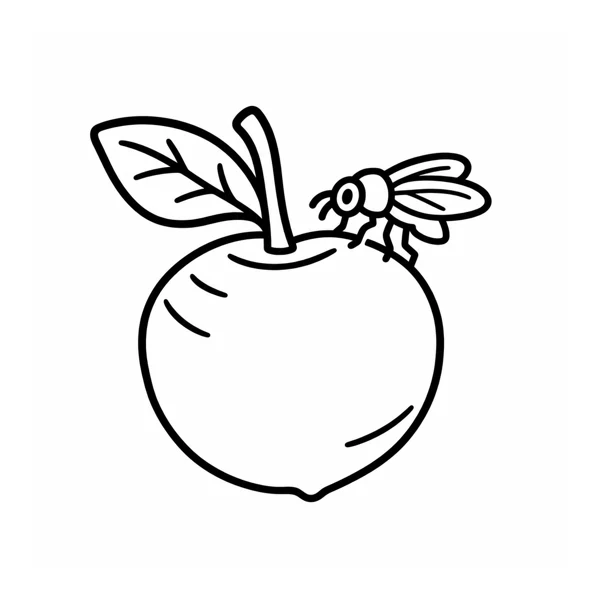
- Fruit flies: A real problem in parts of eastern Australia (Queensland fruit fly) and sometimes in California. Pick up fallen fruit every day and use traps or exclusion bags where fruit fly is common.
- Thrips: Can mark the leaves and fruit skin in some regions. Usually cosmetic.
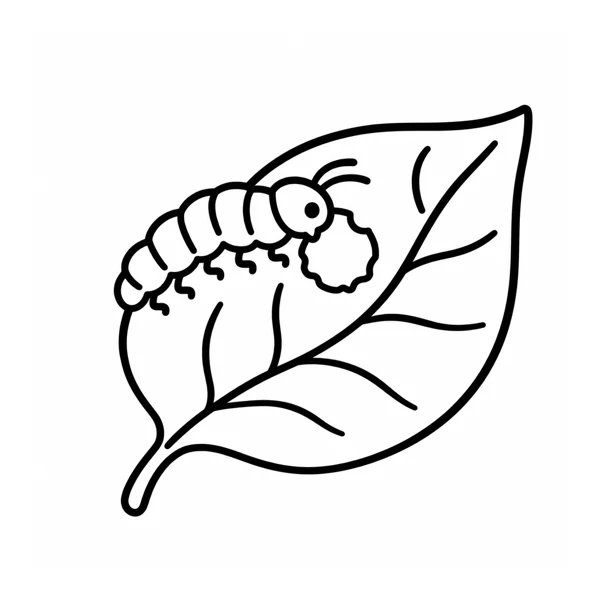
- Leaf-rolling caterpillars: Found in Australia and New Zealand. Pick off rolled leaves by hand.
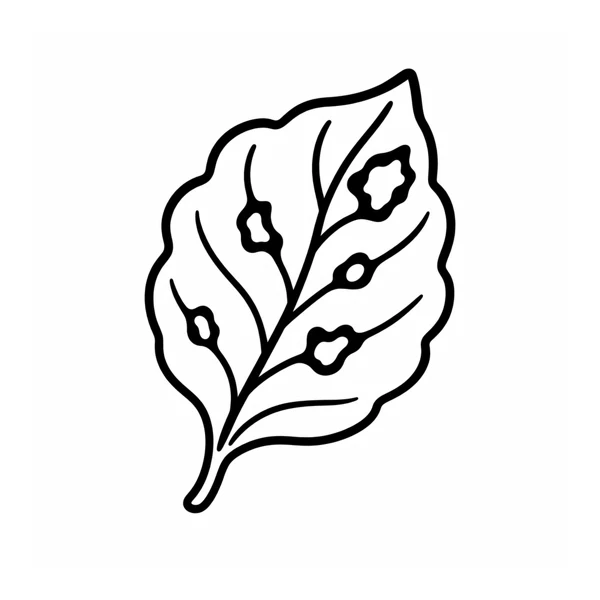
- Anthracnose: A fungal rot of the fruit in warm, wet weather. Give the plant good air flow and clear away fallen fruit.
- Birds: They peck the flower petals. They can lower the crop a little, but they also help with pollination.
Good neighbors
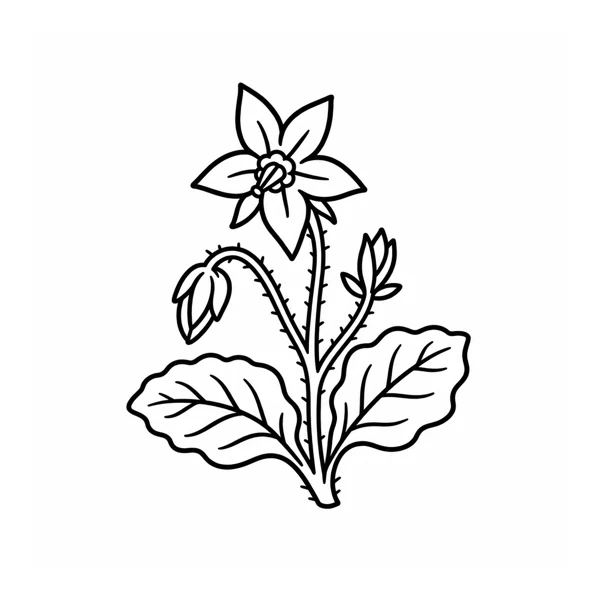



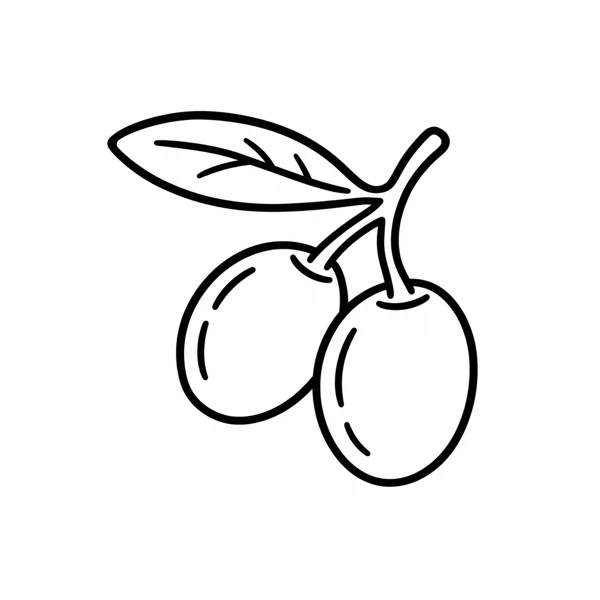
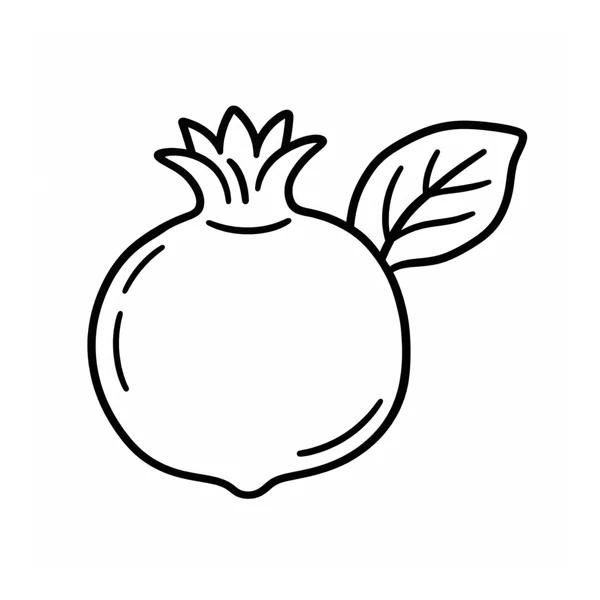
Good: Low, shallow flowers and herbs that draw bees, planted around the edge of the root zone, like borage, alyssum, calendula, chives and nasturtiums. Feijoa also sits well beside other dry-climate fruit such as olive, pomegranate and fig, and needs much the same care as guava in warm zones.
Avoid: Vegetable beds or anything that needs regular digging right around the plant. Feijoa's roots run shallow and are easy to damage.
Seeds that grow well in your area in November
Affiliate links — shopping through these helps keep Evening Vines free. PhloxSeeds
 Royal Mix
 Johnny Jump Up
 Organic Cat Grass
Varieties worth growing
Most self-fertile (good if you only have room for one):
- Unique: A New Zealand variety and the most reliably self-fertile feijoa. Bears young and ripens very early, which helps in short or cool seasons, though the flavor is mild.
- Coolidge: The old standard California variety. A dependable cropper on its own, with medium fruit and fair flavor.
- Nazemetz: A San Diego selection with large, pear-shaped fruit and very good flavor. The cut flesh is slow to turn brown. Crops better with a partner.
- Pineapple Gem: Sold in US nurseries as self-pollinating, with small to medium round fruit.
Big fruit and best flavor (plant two):
- Apollo: New Zealand. A vigorous plant with large, sweet fruit, ripening midseason. Partly self-fertile and a good pollinator for others. The fruit bruises easily, so handle it gently.
- Mammoth: New Zealand. Large round fruit with good flavor, ripening mid to late season. Sets some fruit alone, but the fruit often has empty segments, so give it a partner.
- Triumph: New Zealand. Plump, oval fruit with excellent flavor that stores well, ripening late. Pairs well with Mammoth.
- Trask: A sport of Coolidge with larger fruit, very good flavor and an early crop.
For cooler summers and short seasons (UK, Ireland, Pacific Northwest, potted in Canada):
- Unique is the best choice: it ripens very early and sets fruit on its own. Pair it with Apollo or Mammoth, which UK nurseries also sell, for a heavier crop.
For hot or subtropical areas (southern US, Queensland, northern New South Wales): Feijoa needs a little winter chill to flower well, at least about 50 hours below 45°F, and fruits poorly where winters are very warm. In Florida it grows well as a hedge in the north of the state but rarely crops well in central and south Florida. It isn't suited to the tropical north of Australia. Self-fertile Coolidge and Nazemetz are a sensible start, but cooler inland or highland spots crop far better than the steamy coast.
Feijoa trees to buy
Affiliate links — shopping through these helps keep Evening Vines free. FeijoaTrees
Picking notes
Fruit ripens in fall, from about September to November in the US and from March to June in Australia. Ripe feijoas don't change color much. The best sign is that they drop on their own. Lay straw or a soft mulch under the bush and gather fallen fruit every day. You can also cup a fruit and lift it gently. If it comes away easily, it's ready. Fruit picked too early never develops full flavor.
Ripe fruit keeps only a few days at room temperature but about four weeks in the fridge. Eat it soon after it softens, as the inside turns brown quickly once fully ripe.
Saving seed for next year
Possible but rarely worth it. Feijoa seed sprouts easily if sown fresh, but seedlings don't come true and may give small or poor fruit. Buy or graft a named variety to keep one you love.
From garden to table
Feijoas are a good source of vitamin C, with roughly 30 mg per 100 grams of fruit, and they bring fiber and potassium too. They're also unusually high in iodine for a fruit. The easiest way to eat one is to cut it in half and scoop out the soft, jelly-like middle with a spoon, like a kiwi. The fruit is lovely in smoothies, crumbles, chutney, jam and baking, where it can stand in for apple or banana.
The thick, sweet flower petals are edible too. Pick them off fresh for salads or to decorate a cake. Taking the petals doesn't stop the fruit forming.
Questions from the potting bench
Why does my feijoa flower but never fruit? Almost always poor pollination. Most varieties need a second, different variety nearby. Plant a partner, or choose a self-fertile type like Unique or Coolidge. Very warm winters can also cut flowering.
Can I grow feijoa in the UK or Ireland? Yes. It's hardy in milder, coastal parts of both countries, and grows well against a sunny, sheltered wall. Fruit sets best after a warm summer, so choose a very early, self-fertile variety like Unique. In colder inland gardens, grow it in a pot and move it under cover for winter.
Can I grow feijoa in Canada? Outdoors only in the mildest coastal pockets of British Columbia, and even there it's a gamble. Elsewhere, grow it in a large pot outside for summer and bring it in to a cool, bright, frost-free room for winter.
Is feijoa the same as guava? No. Both are in the myrtle family, but feijoa is a different plant from common guava, and it's far more cold hardy.
Grower reports
How did Feijoa do in your garden? Members rate it and say which zone and month they planted, so everyone can see what works near them.
Recent community discussions
No one has talked about Feijoa yet. Be the first.
Trees to try
Affiliate links — shopping through these helps keep Evening Vines free.Essentials for Growing Feijoa
 Grow Bags
Breathable fabric pots: grow almost anything on a patio, balcony or driveway, and roots never circle.
See it →
 Organic Fertilizer
Slow-release organic plant food for vegetable beds and containers.
See it →
 Pruning Shears
Sharp bypass pruners for harvesting, deadheading and tidying.
See it →
 Insect Netting
Fine mesh that keeps cabbage worms, flea beetles and birds off your crops, no sprays needed.
See it →
 Soaker Hose
Waters the roots slowly, not the leaves: less disease, less water, less work.
See it →
 Garden Hand Tools
Trowel, transplanter and cultivator: the three tools you reach for most.
See it →
