
Eggplant
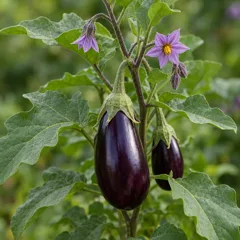
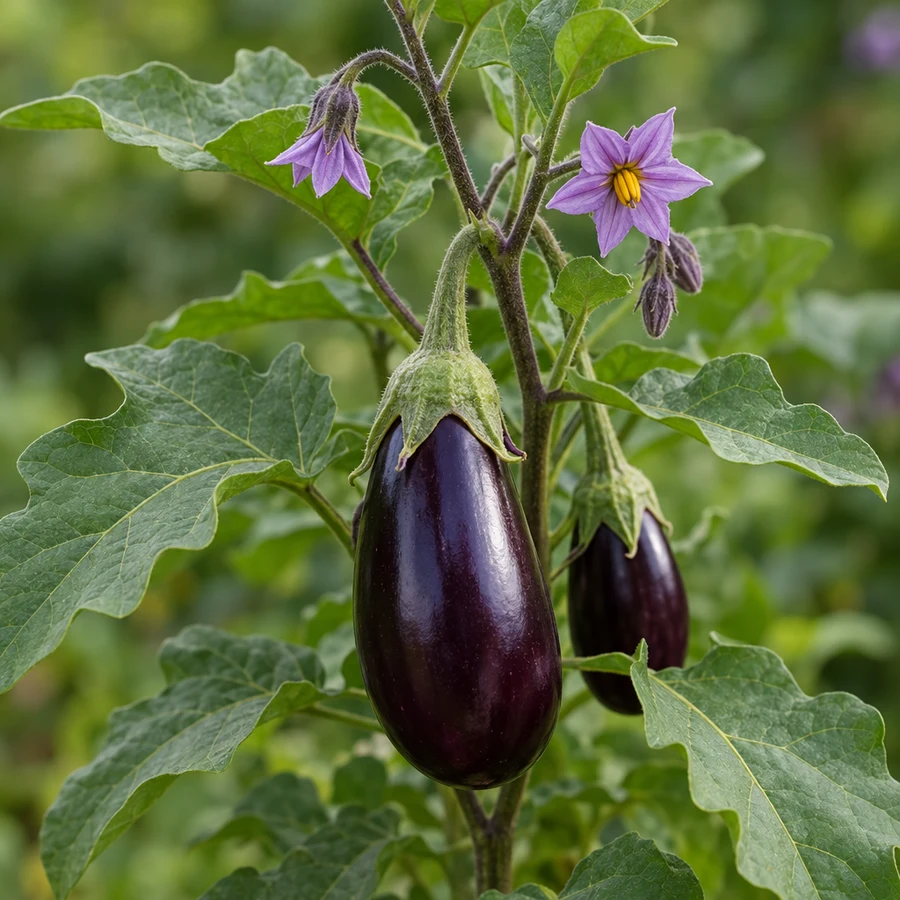
Eggplants are heat lovers. The glossy fruit comes in purple, white, green, orange and striped, and in shapes from long and slim to round as a ball. Give them warm soil, warm nights and full sun. Set them out too early and they simply sit and sulk until summer catches up.
Recent community discussions
No one has talked about Eggplant yet. Be the first.
At a glance
| Plant type | Warm-season vegetable |
| Botanical name | Solanum melongena |
| Annual or perennial | Tender perennial, grown as an annual |
| Sun | Full sun |
| Water | 1 to 2 inches per week |
| Spacing | 18 to 24 inches |
| Planting depth | 1/4 inch |
| Sowing time | Indoors 8 to 10 weeks before the last frost; plant out when the soil is at least 65°F and nights stay above 55°F |
| Days to germinate | 7 to 14 (faster on a heat mat) |
| Days to maturity | About 60 to 80 from transplant |
| Best USDA zones | 5 to 11 as a seasonal crop (zone 4 only with short-season types) |
| Soil pH | 5.5 to 6.8 |
From planting to harvest
Is it eggplant weather where you are? See everything to plant this month or read your zone notes.

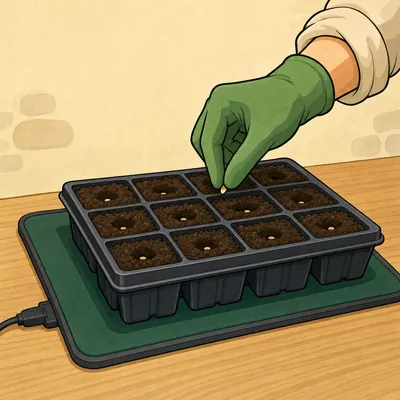
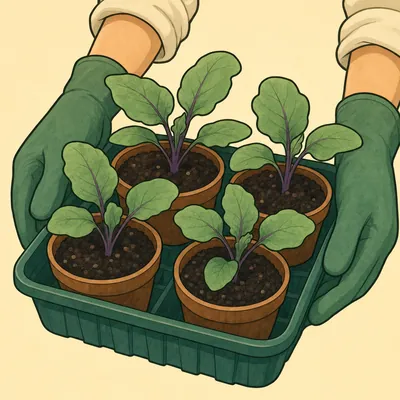
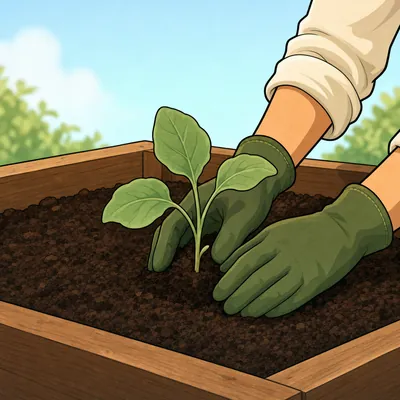
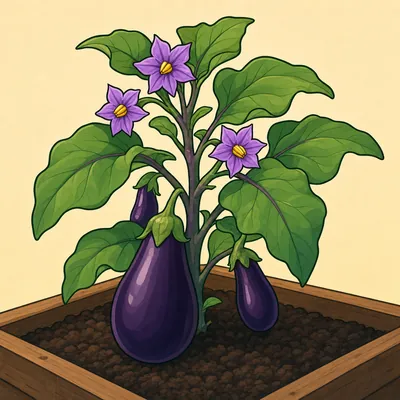
Start indoors 8–10 weeks before last frost. Transplant outdoors 2–3 weeks after last frost when soil is 70°F (21°C) or warmer.

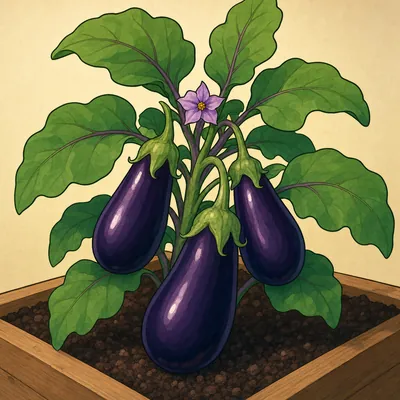
70–90 days.

Zones 5–11, summer harvest when fruit is firm, shiny, and fully colored.

Warm, fertile sandy loam, pH 5.8–6.8. Needs organic matter for best fruiting.
Pests to watch for



A little history
Eggplant was domesticated in South and Southeast Asia, though botanists still argue over exactly where. It was recorded in China by the first century BC, and Chinese growers spent centuries choosing plants with bigger, better-tasting fruit. In the Middle Ages, Arab traders and farmers carried it west into North Africa and Spain, and from there it found its way into kitchens all around the Mediterranean.
When to sow in your zone
Spring: Start seeds indoors 8 to 10 weeks before your last frost. Plant out 2 to 3 weeks after it, once the soil is at least 65°F and nights stay above 55°F.
Not sure of your dates? See when to plant eggplant in your zone on the zone pages, or count back from your last frost.
Summer: In zones 9 to 11, set out a second planting in midsummer for a fall crop.
Growing it, step by step
From seed
Sow 1/4 inch deep on a heat mat at 80 to 90°F and grow the seedlings under bright light. The tomato and pepper seed-starting post works just as well for eggplant.
Moving it outside
Harden off the seedlings and plant them into warm soil. In cooler zones, black plastic mulch laid a couple of weeks ahead warms the bed nicely. More on timing in planting out peppers and eggplant.
Water
Water deeply and evenly, so the soil never swings from soaked to bone dry. See watering a new garden deeply.
Mulch
Lay mulch once the soil has warmed up, not before.
Feeding
Work compost in at planting, then side-dress when the first fruit sets. Our mid-season feeding post has the details.
Keeping it happy
Stake or cage the plants so heavy fruit doesn't drag the stems down. Row cover keeps flea beetles off young plants; take it off when the flowers open so the bees can get in.
Trouble in the bed
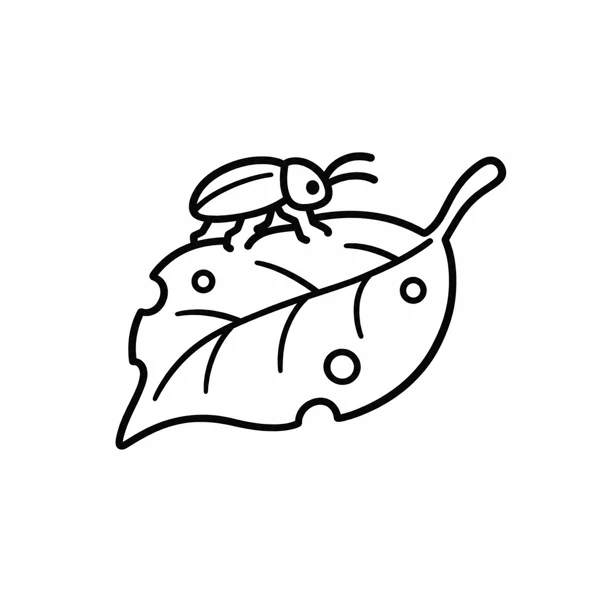
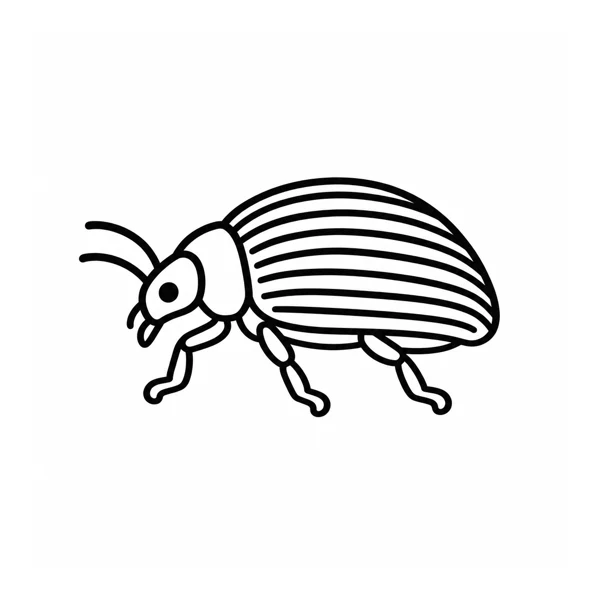
- Flea beetles: Tiny holes in young leaves. Row cover until flowering.
- Colorado potato beetles: Hand-pick the adults and the orange egg clusters under the leaves.
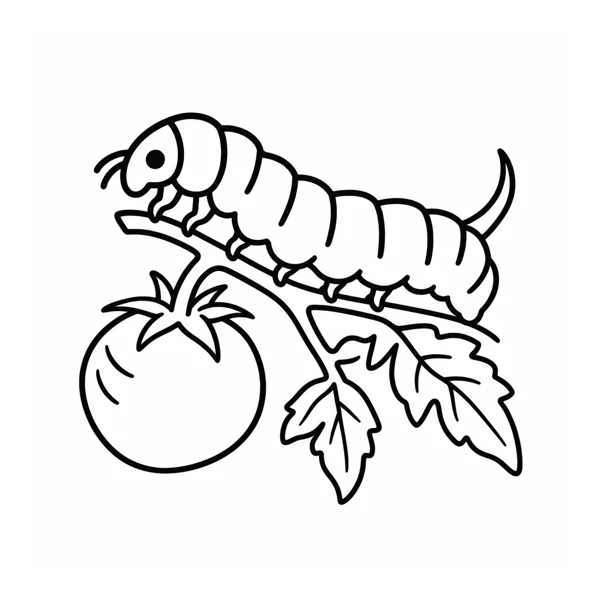
- Hornworms: Big green caterpillars that strip leaves fast. Hand-pick them.
- Spider mites and aphids: Knock them off with a strong spray of water.
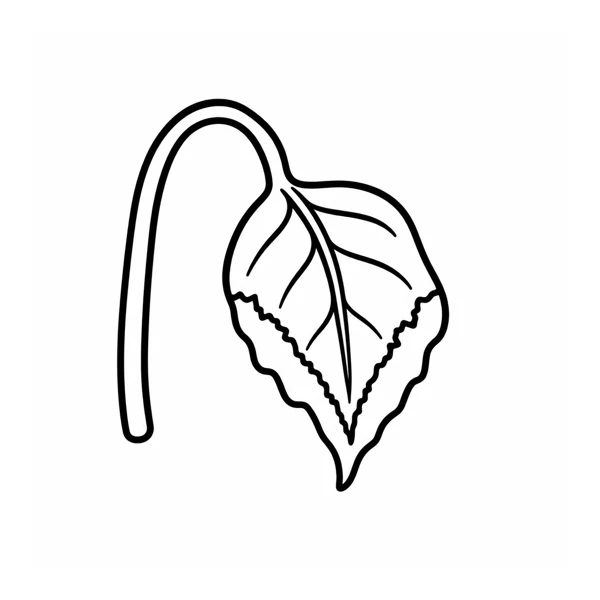
- Verticillium wilt: Leaves yellow and wilt from the bottom up. Keep eggplant out of beds that grew tomatoes, peppers or potatoes in the last 3 to 4 years.
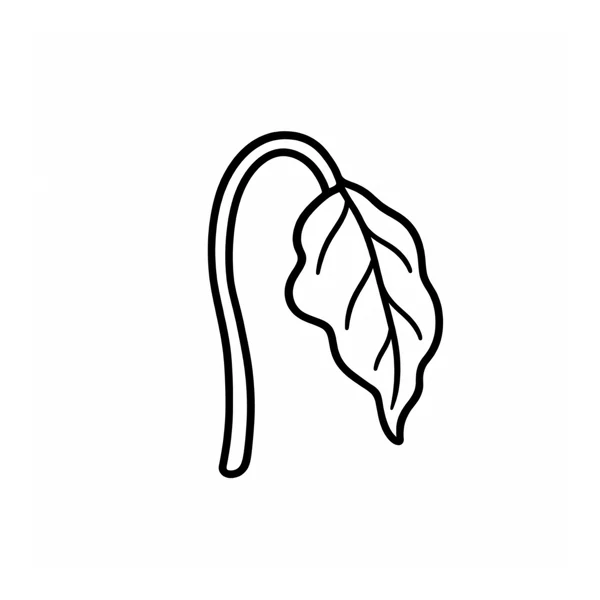
- Bacterial wilt: Whole plants collapse while the soil is still moist. Pull affected plants and throw them away rather than composting them, and rotate as above. A crop rotation plan makes this easy to keep track of.
Good neighbors


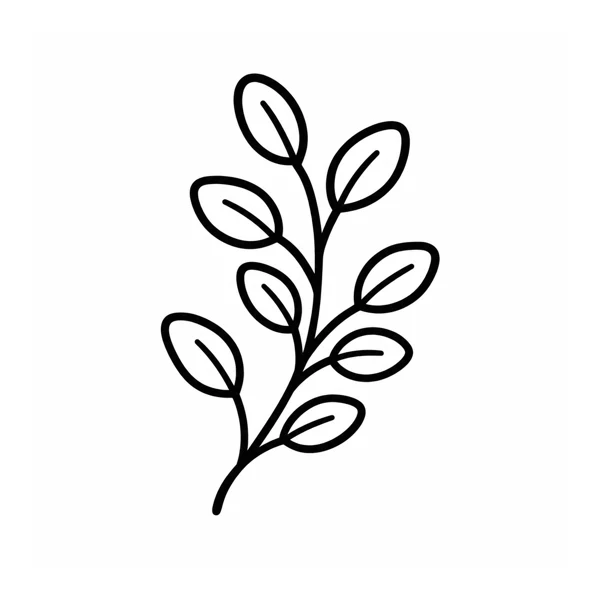
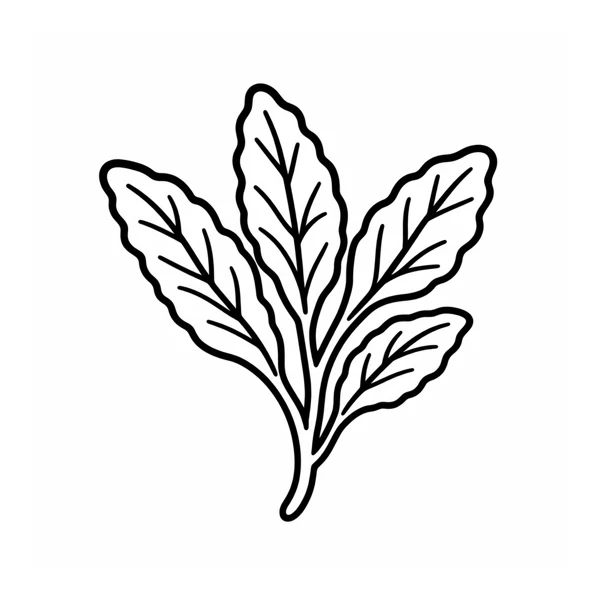
Traditional pairings: gardeners have long grown eggplant alongside basil, chamomile, cilantro, dill, lavender, mint, oregano and sage. These are old garden habits rather than tested science, but the herbs are useful in their own right and their flowers bring in bees and other helpful insects. Keep mint in a pot, or it will take over the bed.
Seeds that grow well in your area in November
Affiliate links — shopping through these helps keep Evening Vines free. Purple Coneflower
 Stinging Nettle
 Smooth Blue Aster
 Polka Dot Mix
Varieties worth growing
Eggplant seeds to buy
Affiliate links — shopping through these helps keep Evening Vines free.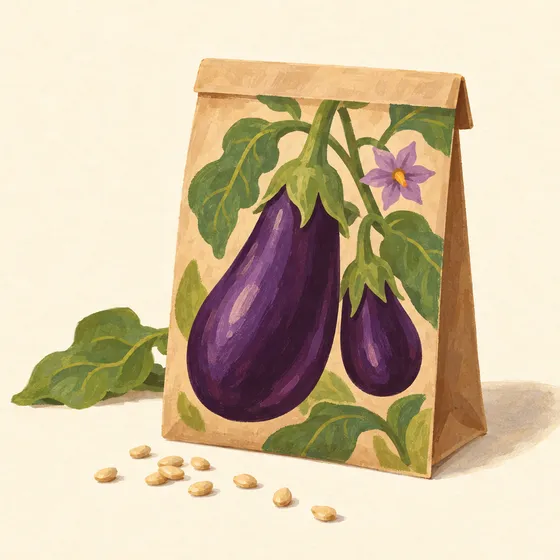 Black Beauty
Picking notes
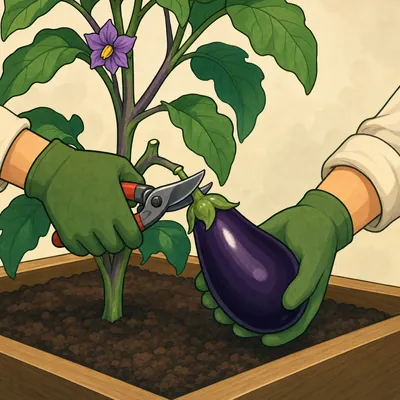
Pick while the skin is still glossy and the flesh springs back when you press it with a thumb. Dull skin means the fruit has gone past its best and will be seedy. Cut the stem with pruners rather than pulling. More in harvest at the right time.
Saving seed for next year
Leave a fruit on the plant well past eating stage, until it turns dull and yellow-brown. Then scoop out the seeds, rinse and dry them. Save only from open-pollinated types. See saving seeds from your garden.
From garden to table
Eggplant is low in calories and gives you fiber and antioxidants. Grill it, roast it, or use it in baba ghanoush, curries and moussaka.
Questions from the potting bench
My plants are full of flowers, but they keep falling off. What's going on? Usually the weather: days above about 90 to 95°F, or nights below 55°F. Uneven watering adds to it. Fruit sets again once the weather settles.
The eggplant I cooked tasted bitter. Did I do something wrong? It was most likely picked late. Look for glossy skin and pale seeds next time; dull skin and dark seeds mean it waited too long.
I've only got a sunny step, no bed. Will eggplant still grow? Yes. A compact type such as Fairy Tale is happy in a 5-gallon pot. Keep up with watering containers in summer, because pots dry out fast.
Grower reports
How did Eggplant do in your garden? Members rate it and say which zone and month they planted, so everyone can see what works near them.
Recent community discussions
No one has talked about Eggplant yet. Be the first.
Seeds to try
Affiliate links — shopping through these helps keep Evening Vines free.Essentials for Growing Eggplant
 Grow Bags
Breathable fabric pots: grow almost anything on a patio, balcony or driveway, and roots never circle.
See it →
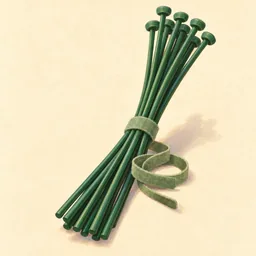 Plant Stakes
Steel stakes to keep peppers, eggplant and tall flowers from flopping.
See it →
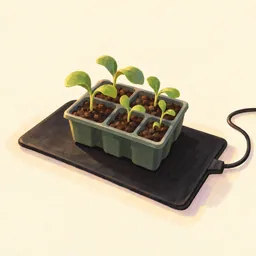 Seedling Heat Mat
Gentle bottom heat so peppers, tomatoes and eggplant sprout in a cool house.
See it →
 LED Grow Light
Full-spectrum light for sturdy seedlings through short winter days.
See it →
 Organic Fertilizer
Slow-release organic plant food for vegetable beds and containers.
See it →
 Seed Starting Tray
Reusable tray with a clear dome to give seeds a warm, humid start indoors.
See it →
