
 Bacterial Wilt
At a glance
| Type | Bacterium (two different ones go by this name) |
| Main cause | Squash family: Erwinia tracheiphila, spread by cucumber beetles. Eggplant, ginger, nasturtium: the Ralstonia solanacearum species complex (on ginger, R. pseudosolanacearum), a soil-borne bacterium |
| Worst conditions | Squash family: early summer when cucumber beetles are busy. Ralstonia (eggplant, ginger, nasturtium): hot, wet soil, especially in warm climates |
Recent community discussions
No one has talked about Bacterial Wilt yet. Be the first.
"Bacterial wilt" is two diseases that look alike: both block the plant's water pipes so it wilts even with moist soil. Which one you have depends on the plant.
Signs
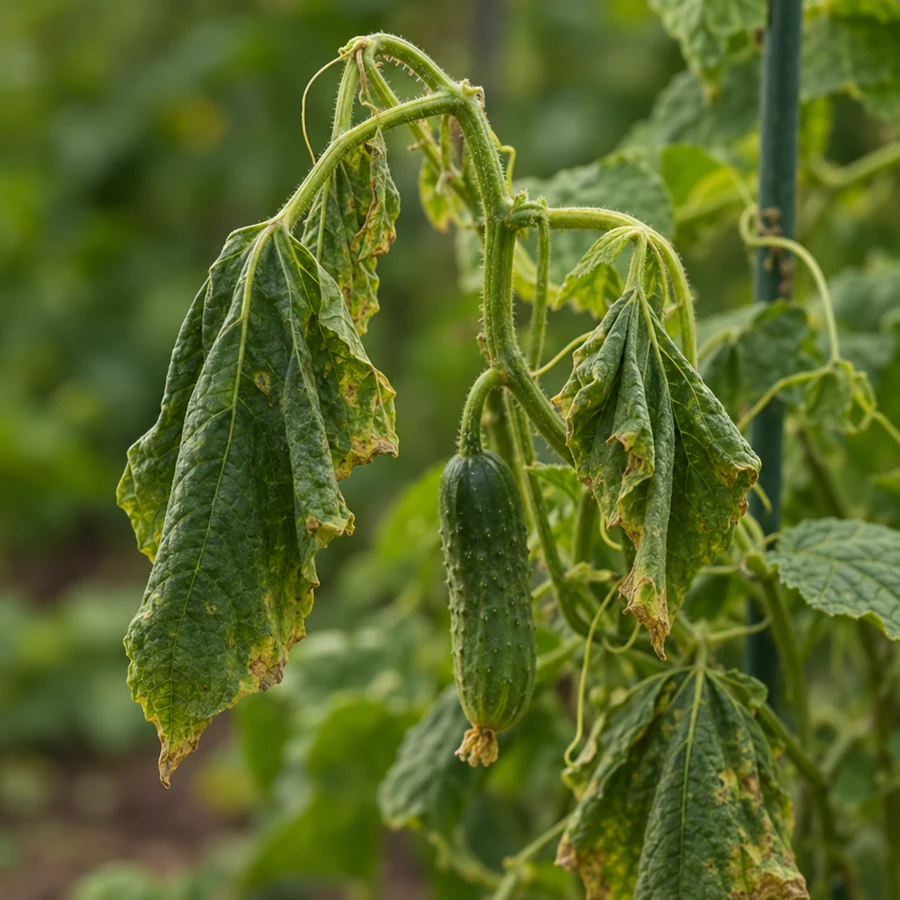
- A single vine or leaf flags in the midday heat, then the wilt spreads until the whole plant collapses, often within a week or two.
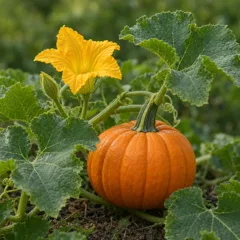
- On cucumbers and melons, wilted leaves stay dull green at first, then dry and brown. Squash and pumpkin leaves may yellow before they collapse, and early on the plant can perk up overnight before wilting again.
- Squash family test: cut a wilted stem, press the cut ends together and slowly pull them apart; sticky, stringy threads point to bacterial wilt. If you see no threads, compare with Fusarium wilt.
- Eggplant, ginger, nasturtium test: put a freshly cut stem piece in a clear glass of water; milky streams oozing out within minutes point to Ralstonia wilt.
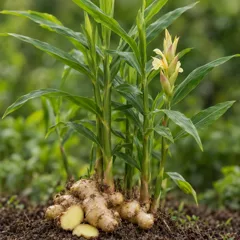
- Ginger leaves yellow from the bottom up, and the stem base goes soft and mushy. The rhizomes can rot with a bad smell.
Cause and Spread
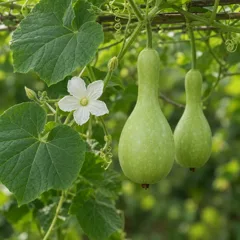
Squash family: striped and spotted cucumber beetles carry the bacteria in their guts over winter and pass it on when they feed. Cucumbers and melons are hit hardest; squash and pumpkins less so. Watermelon rarely gets it.
Eggplant, ginger, nasturtium: Ralstonia lives in the soil and in infected roots, rhizomes and water, and gets in through roots and small wounds. It has a huge host list (it also hits tomatoes, peppers and potatoes) and is worst in warm, wet climates. Ginger usually gets it from infected seed rhizomes.
Prevention
- Squash family: control the beetles. Cover young plants with row cover from the day you plant. Where beetles are bad, open the cover ends when the first flowers appear so bees can get in, then take the covers off about 10 days later; Iowa State trials found less wilt this way. With light beetle pressure, uncovering at first flower is enough. See planting out squash and cucumbers and June garden pests.
- Check plants for beetles often, from the day they come up, and hand-pick or knock them into soapy water.
- Pull wilted squash-family plants right away so beetles don't spread it to healthy ones.
- Ginger: plant only clean, certified disease-free rhizomes, never ones from a garden that had wilt.
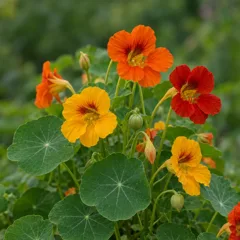
- Ralstonia (eggplant, ginger, nasturtium): rotate for several years away from eggplant, tomato, pepper, potato, ginger and nasturtium; don't move soil or water from an infected bed. A simple crop rotation plan helps you keep track.
- Plant in well-drained soil and avoid overwatering, and don't injure roots when weeding.
Organic Treatment
- There's no cure once a plant has it. Copper sprays don't help the squash-family kind (UMass), and no garden spray gives real control of Ralstonia (PestNet).
- For the squash family, the only real control is keeping beetles off early, with row covers and hand-picking. Hang yellow sticky traps to tell you when beetles arrive, so you know when to start checking hard; they won't control the beetles on their own.
- Sources disagree on resistant varieties; some cucumbers are less attractive to beetles, so look for that on seed descriptions. More in choosing disease-resistant varieties.
When to Pull the Plant
Pull and bag the plant as soon as you confirm wilt. Don't compost it. With Ralstonia, also remove as many roots as you can and don't grow any host plant in that spot for several years. Our fall clean-up of diseased plants covers the rest of the tidy-up.
Sources
- Iowa State Yard and Garden: Cucurbit Bacterial Wilt
- Iowa State Extension: Using Row Covers to Stop Cucurbit Bacterial Wilt
- UMass Extension: Cucurbits, Bacterial Wilt
- UW–Madison Extension: Bacterial Wilt of Cucurbits
- UConn IPM: Bacterial Wilt of Cucurbits
- Minnesota Department of Agriculture: Ginger Wilt
- University of Hawaii CTAHR PD-99: Bacterial Wilt of Edible Ginger in Hawai'i
- PestNet / Pacific Pests, Pathogens and Weeds: Tomato Bacterial Wilt
Plants it affects 8
Recent community discussions
No one has talked about Bacterial Wilt yet. Be the first.



