
Tulips
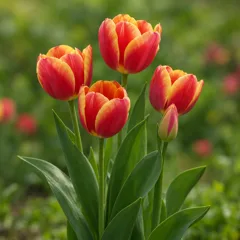
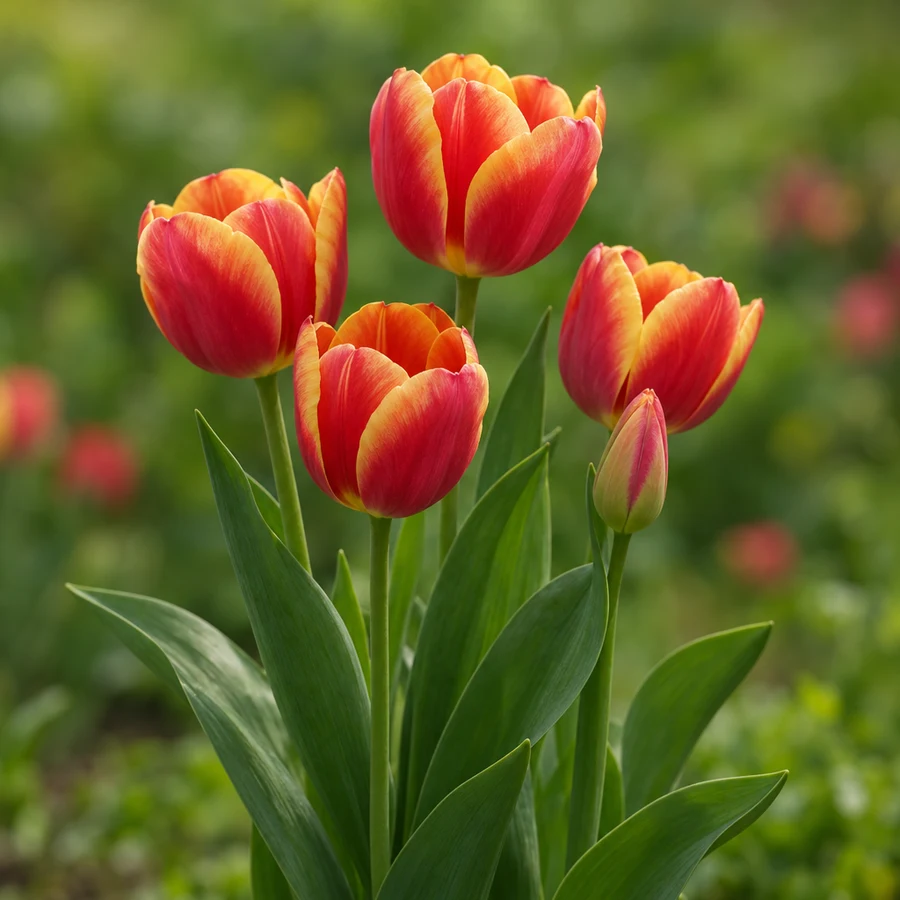
Tulips are a promise you make in fall. You push a handful of dry, papery bulbs into cool soil, forget about them for the winter, and in spring they come up in clean, bright colors that nothing else in the garden can match so early in the year. They need a real winter to flower, a sunny spot, and soil that drains. Big garden hybrids are often at their best only in their first spring, so many gardeners replant every fall, while smaller species tulips and a few hybrid groups come back for years.
Recent community discussions
No one has talked about Tulips yet. Be the first.
At a glance
| Plant type | Flower (bulb) |
| Botanical name | Tulipa spp. |
| Annual or perennial | Perennial bulb; many hybrids are best treated as annuals |
| Sun | Full sun, 6 hours or more |
| Water | Water well at planting; after that only in long dry spells while leaves are up |
| Spacing | 4 to 6 inches apart (about twice the bulb's width) |
| Planting depth | 6 to 8 inches to the base of the bulb, about three times its height; pointed end up |
| Days to germinate | Bulbs root in fall within a few weeks; shoots come up in late winter or early spring |
| Days to maturity | Flowers in spring, about 4 to 6 months after fall planting, depending on the variety |
| Best USDA zones | 3 to 8; zones 9 to 10 as annuals from pre-chilled bulbs |
| Soil pH | 6.0 to 7.0 |
Is it tulips weather where you are? See everything to plant this month or read your zone notes.




A little history
Wild tulips grow across the dry mountains of Central Asia, with the richest mix of species around the Tien Shan and Pamir ranges, and west into Turkey, Iran and southern Europe. They were treasured in the Ottoman Empire long before Europe knew them. The botanist Carolus Clusius planted tulips in the new botanical garden at Leiden in the 1590s, and from there they spread through the Netherlands. Prices for rare bulbs climbed wildly in the 1630s and crashed in early 1637, the episode known as tulip mania. The most prized bulbs then were "broken" tulips with flamed, feathered petals. Centuries later, scientists found the streaks came from a virus spread by aphids.
When to sow in your zone
Tulips go in as bulbs in fall, and they need several weeks of winter cold to flower.
Fall (zones 3 to 7): Plant once the soil has cooled below about 60°F, usually after a few frosts and several weeks before the ground freezes. In zones 3 and 4 that is often September to early October; in zones 5 to 7, October into November. Planting too early in warm soil invites rot and early leaves. In the UK and Ireland, plant in November, later than other spring bulbs; late planting helps avoid tulip fire.
Late fall (zone 8): Plant in November or December, once the soil is properly cool. In warmer zone 8 gardens, a few weeks of chilling in the fridge first helps.
Winter (zones 9 to 10): Winters here are too mild for tulips to get the cold they need. Buy pre-chilled bulbs, or chill your own in the fridge for 2 to 4 months, then plant in December or January and treat them as annuals.
Spring: Spring is too late to plant dry bulbs in the ground in cold zones. Leftover bulbs found in the garage are worth planting anyway as soon as the soil can be worked, but expect few or no flowers.
This month (November): In zones 5 to 7, this is the last good month to plant before the ground freezes, so get bulbs in now. In zones 3 and 4, plant any left over as long as you can still dig. In zone 8, plant through November and December. In zones 9 and 10, put bulbs in the fridge now for planting in December or January.
Growing it, step by step
Buying Bulbs
Choose firm, heavy bulbs with no soft spots or mold. Bigger bulbs give bigger flowers. Plant them soon after buying, or keep them somewhere cool, dry and airy until planting.
Planting
Dig a hole or trench so the base of each bulb sits 6 to 8 inches down, about three times the bulb's height. Set bulbs pointed end up, 4 to 6 inches apart, and cover. Deep planting helps hybrids come back and keeps them away from frost heaving. Tulips look best in groups of ten or more rather than single rows.
Picking the Spot
Full sun and well-drained soil matter most. Bulbs rot in soggy ground, so avoid spots where puddles sit after rain, and work in compost or plant in raised beds on heavy clay. Tulips like dry summers, so a spot that isn't watered heavily all summer suits them.
Growing in Pots
Use a pot at least 12 inches deep with drainage holes and a gritty, free-draining mix. You can pack bulbs closer in pots, almost touching, or plant two or three layers of different bulbs for a long display. In cold zones, keep the pot in an unheated garage or against a sheltered wall in winter so the soil doesn't freeze solid and crack the pot.
Water
Water well right after planting to settle the soil and start roots. After that, fall rain and snow are usually enough. In spring, water only if it stays dry for two or three weeks while leaves are growing. Pots need a check every week or so.
Mulch
In cold zones, a few inches of shredded leaves or straw after the ground starts to freeze helps keep soil temperatures even. Pull it back a little in spring when shoots appear.
Feeding
A bulb fertilizer or bone meal mixed into the planting hole, or a light balanced feed when shoots come up in spring, is plenty. Tulips you plan to keep for another year benefit from a potassium-rich liquid feed after flowering until the leaves start to yellow.
Keeping it happy
Snap off faded flowers so the plant doesn't spend energy on seed. Leave the leaves alone until they turn yellow, usually about six weeks after flowering, since they feed next year's bulb. Then cut them off.
Most big hybrids flower well for a year or two and then fade. If you want them back, plant deep, choose a dry sunny spot, and pick a hybrid group known to return (see Varieties). Or treat them as bedding and replant each fall. In wet-summer gardens you can lift bulbs once the leaves yellow, dry them, store them somewhere warm, dry and airy, and replant in fall.
Squirrels, chipmunks, mice and voles love tulip bulbs. Lay chicken wire over the planting or plant in wire cages. Deer and rabbits eat the flowers and buds.
Trouble in the bed
- Tulip fire (Botrytis): Leaves come up twisted with scorched-looking brown patches, flowers spot and rot, and gray fuzz appears in wet weather. Throw out bulbs with small black specks on the scales, remove sick plants right away, and don't plant tulips in that spot for at least three years.
- Tulip breaking virus: Streaked or flamed petals on a plain variety and weak, mottled growth. It's spread by aphids and can't be cured, so pull and throw out affected plants.
- Aphids: Cluster on shoots and on stored bulbs, and spread virus. Spray them off with water and check stored bulbs before planting.
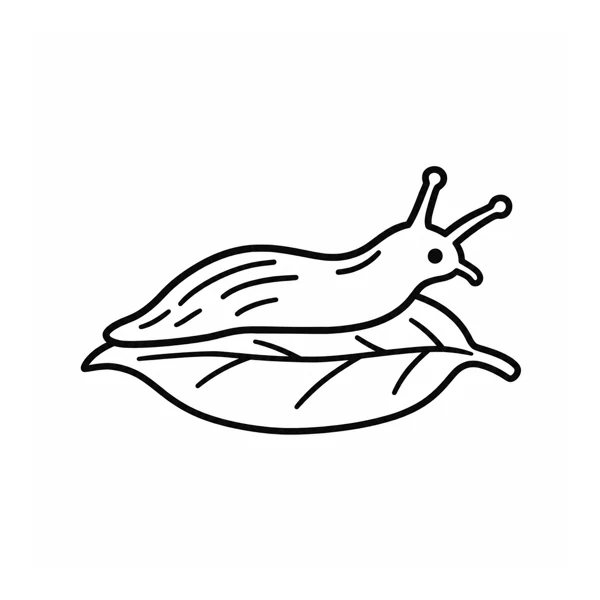
- Slugs and snails: Chew emerging leaves and flowers in damp springs. Check at dusk.
- Bulb rot: Soft, smelly bulbs in wet, poorly drained soil. Plant in good drainage and don't plant too early in warm soil.
Good neighbors




Good: Forget-me-nots, pansies and violas planted over tulip bulbs cover bare soil and bloom with them. Daffodils, grape hyacinths and early perennials such as hostas and daylilies are good neighbors too, since their new leaves hide the tulips' yellowing foliage in late spring.
Avoid: Spots that get heavy summer watering, such as next to a lawn sprinkler or thirsty vegetables, and beds where tulip fire has been a problem.
Seeds that grow well in your area in November
Affiliate links — shopping through these helps keep Evening Vines free. Wild Lupine
 Common Milkweed
 PansySeeds
 PhloxSeeds
Varieties worth growing
Tulips are grouped by flower shape and bloom time, from early to late spring. Darwin hybrids and many species tulips are the most likely to come back for years.
- Apeldoorn: Classic red Darwin hybrid, tall and strong. One of the best for returning year after year in cold-winter gardens.
- Pink Impression: Large rose-pink Darwin hybrid that holds up well and often reflowers.
- Queen of Night: Late single tulip, deep maroon-black. A favorite for pairing with white or pink.
- Ballerina: Lily-flowered, orange, scented. One of the more reliable tulips for coming back for a few years.
- Angelique: Late double, soft pink, peony-like blooms. Good for cutting.
- Red Riding Hood: Short Greigii tulip with red flowers and striped leaves. Stands up to wind and suits pots.
- Tulipa tarda: Small species tulip with starry yellow-and-white flowers. Spreads slowly in sunny, gritty spots.
- Tulipa clusiana 'Lady Jane': Slender species tulip, pink outside and white inside. Needs less winter cold than most and is one of the best choices for warm, dry gardens.
Tulips bulbs to buy
Affiliate links — shopping through these helps keep Evening Vines free. Red ImpressionBulbs
Picking notes
For the vase, cut tulips when the buds are colored but still closed. Leave as many leaves on the plant as you can if you want the bulb to come back. Tulips keep growing and bending toward light in the vase, so recut the stems and give them cool water.
Saving seed for next year
Hybrid tulips don't come true from seed, and seedlings take four to seven years to flower. Most gardeners increase tulips from the small offset bulbs that form beside the main bulb. Species tulips can be grown from seed for fun, but you'll need patience.
From garden to table
Grown for spring color in beds, borders and pots, and as cut flowers. All parts of tulips, and the bulbs most of all, are toxic to cats, dogs and horses, causing vomiting, drooling and diarrhea, so keep pets away from bulbs at planting time and store bulbs out of reach. In people, eating bulbs can upset the stomach, and handling bulbs a lot can cause an itchy skin rash, so wear gloves when planting many. Tulip petals from plants grown without sprays are sometimes used as a garnish, but never eat bulbs bought for planting.
Questions from the potting bench
Why didn't my tulips come back? Many big hybrids simply flower best in their first year. Wet summer soil, shallow planting, cutting off leaves too soon, and hungry rodents also play a part. Plant deeper, choose Darwin hybrids or species tulips, and let the leaves die down on their own.
Can I grow tulips where winters are mild? Yes, as annuals. Chill bulbs in the fridge for 2 to 4 months (in a paper bag, away from fruit, which gives off a gas that can damage the flower inside), then plant in December or January. Species tulips such as Tulipa clusiana are the most likely to return in warm, dry gardens.
Is it too late to plant tulips? If you can still dig, plant them. Bulbs left in a bag over winter will dry out and die, while bulbs planted late usually still flower, sometimes a little later and shorter.
Can I leave tulips in pots over winter? Yes, but protect the pot from a hard freeze in cold zones. Move it to an unheated garage or shed, or sink it into the ground, and bring it back out when shoots appear.
Grower reports
How did Tulips do in your garden? Members rate it and say which zone and month they planted, so everyone can see what works near them.
Recent community discussions
No one has talked about Tulips yet. Be the first.
Bulbs to try
Affiliate links — shopping through these helps keep Evening Vines free.Essentials for Growing Tulips
 Grow Bags
Breathable fabric pots: grow almost anything on a patio, balcony or driveway, and roots never circle.
See it →
 Pruning Shears
Sharp bypass pruners for harvesting, deadheading and tidying.
See it →
 Seed Starting Tray
Reusable tray with a clear dome to give seeds a warm, humid start indoors.
See it →
 Garden Kneeler
A kneeling pad that flips into a seat: easier on knees and back.
See it →
 Plant Labels
Waterproof markers so you know what's coming up where.
See it →
 Organic Fertilizer
Slow-release organic plant food for vegetable beds and containers.
See it →
