
Dahlia
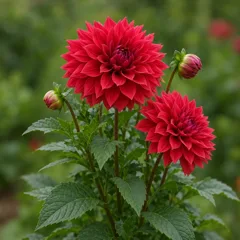
A dahlia year starts in a cardboard box. All winter the tubers sleep in the basement, and in spring they go into warm soil looking like a bundle of dried sweet potatoes. Weeks later, usually around July, the first bud opens, and from then on there's a fresh bucket of flowers for the kitchen table every few days. Then the first hard frost turns the leaves black, and it's time to dig the clumps, dry them, and tuck them back in the box. Give them sun, a stake and a well-drained bed, and they'll keep the garden busy until the cold comes.
Recent community discussions
No one has talked about Dahlia yet. Be the first.
At a glance
| Plant type | Flower (tuber) |
| Botanical name | Dahlia spp. |
| Annual or perennial | Tender perennial |
| Sun | Full sun |
| Water | Deep soak once or twice a week once shoots are up; none before |
| Spacing | 12 to 36 inches, by size |
| Planting depth | Tubers 4 to 6 inches deep |
| Days to germinate | Tubers sprout in 2 to 4 weeks; seed in about 2 to 3 weeks in a warm spot |
| Days to maturity | Tubers planted after last frost bloom from midsummer until the first frost; seed-grown plants flower later in summer |
| Best USDA zones | 8 to 11 left in the ground; all zones if lifted (zone 7 can try heavy mulch) |
| Soil pH | 6.5 to 7.0 |
Is it dahlia weather where you are? See everything to plant this month or read your zone notes.

Start indoors 6–8 weeks before last frost. Transplant after frost danger has passed. Tubers can be planted outdoors in spring after soil warms.

90–120 days from seed; tubers bloom earlier.

Zones 8–11, July?October as perennials; in Zones 3–7 bloom June?October if tubers are lifted/stored; indoors earlier.

Fertile, well-drained silty loam, pH 6.0–7.5. Rich in organic matter for tuber development.
Pests to watch for







A little history
Dahlias are native to the mountains of Mexico and Central America, where the Aztecs grew them. They reached Europe in the late 1700s, and breeders have since created tens of thousands of varieties. The dahlia is Mexico's national flower.
When to sow in your zone
Spring: Plant tubers outdoors after the last frost, once the soil has warmed to about 60°F. In short seasons, start tubers in pots indoors about 4 weeks early for an earlier first bloom. Not sure of your date? Count back from your last frost.
Bloom time: In zones 3 to 7, spring-planted tubers flower from midsummer until the first frost. In zones 9 to 11, tubers planted early can flower from early summer well into fall, sometimes resting during the hottest weeks.
Fall: After frost blackens the foliage, dig tubers in zones 7 and colder and store them for winter. In zone 7 you can try leaving them in a well-drained spot under a thick mulch instead.
This month (November): This is time-sensitive in cold zones. In zones 7 and colder, frost has usually blackened the plants by now, so lift any tubers still in the ground before the soil freezes. Cut the stems to a few inches, dig wide so you don't spear the clump, let it dry, and store it (step by step in dig and store dahlias). In zone 8, cut back the dead stems and pile on 4 inches or more of mulch. In zones 9 to 11, cut back the plants once they fade and keep the bed on the dry side through winter.
Growing it, step by step
From seed
You can grow dahlias from seed. Start it indoors about 4 to 8 weeks before your last frost (seed packets vary, so go by yours). Seedlings won't match their parents, so named varieties are always grown from tubers.
Moving it outside
Lay tubers flat, eye up, 4 to 6 inches deep. Put stakes in at planting for tall types, so you don't stab the tuber later (staking tips).
Water
Don't water tubers until shoots appear, as they rot easily in cold, wet soil. Once plants are growing, give a deep soak once or twice a week so the soil stays evenly moist but never soggy. Water more often in hot spells and in pots.
Mulch
Mulch once shoots are up and the soil is warm.
Feeding
Use a low-nitrogen, high-potassium fertilizer every 3 to 4 weeks.
Keeping it happy
When plants have three or four pairs of leaves, pinch out the tip of the main shoot for a bushier plant with more stems. Tie stems to their stakes as they grow. Snip off faded flowers often (deadheading).
To store, dig after frost and let the clumps dry for a day or two. Pack them in barely damp peat, sawdust or wood shavings and keep them somewhere cool, dark and frost-free, about 35 to 50°F. Warmer than that, they may sprout early or shrivel. Check the box once a month and throw out any soft or moldy pieces.
Trouble in the bed
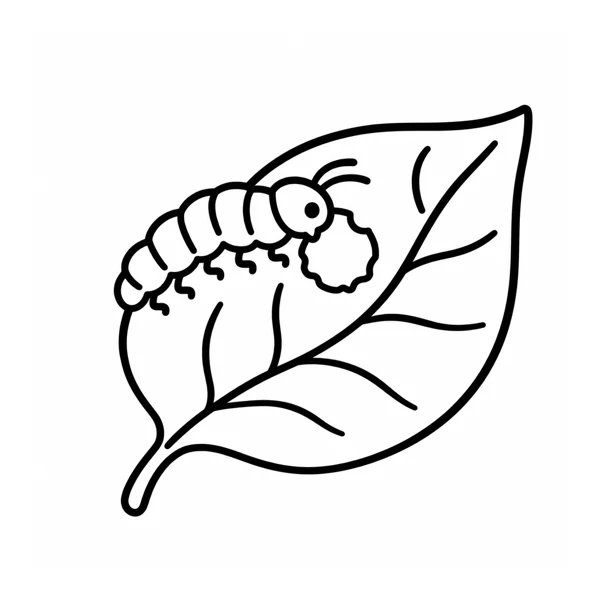
- Slugs and snails: The main threat to new shoots. Check at dusk and protect young plants.
- Earwigs: Chew petals and leaves. Trap them in rolled-up damp newspaper and empty it each morning.
- Aphids and spider mites: Spray off with water; spider mites are worst in hot, dry weather.
- Powdery mildew: Space plants for airflow (late-summer mildew).
- Tuber rot: Plant in well-drained soil and don't water until sprouted.
- Crown gall and leafy gall: Lumpy growths or tight clusters of stunted shoots at the base. Throw out affected clumps and don't divide or share them.
Good neighbors






Good: Salvia, cosmos, zinnias and marigolds. All like the same sun and summer heat, and they fill the cutting bed while dahlias get going.
Avoid: Shady spots and crowding.
Seeds that grow well in your area in November
Affiliate links — shopping through these helps keep Evening Vines free. PhloxSeeds
 Royal Mix
 Johnny Jump Up
 Organic Cat Grass
Varieties worth growing
These named varieties are sold as tubers. They don't come true from seed.
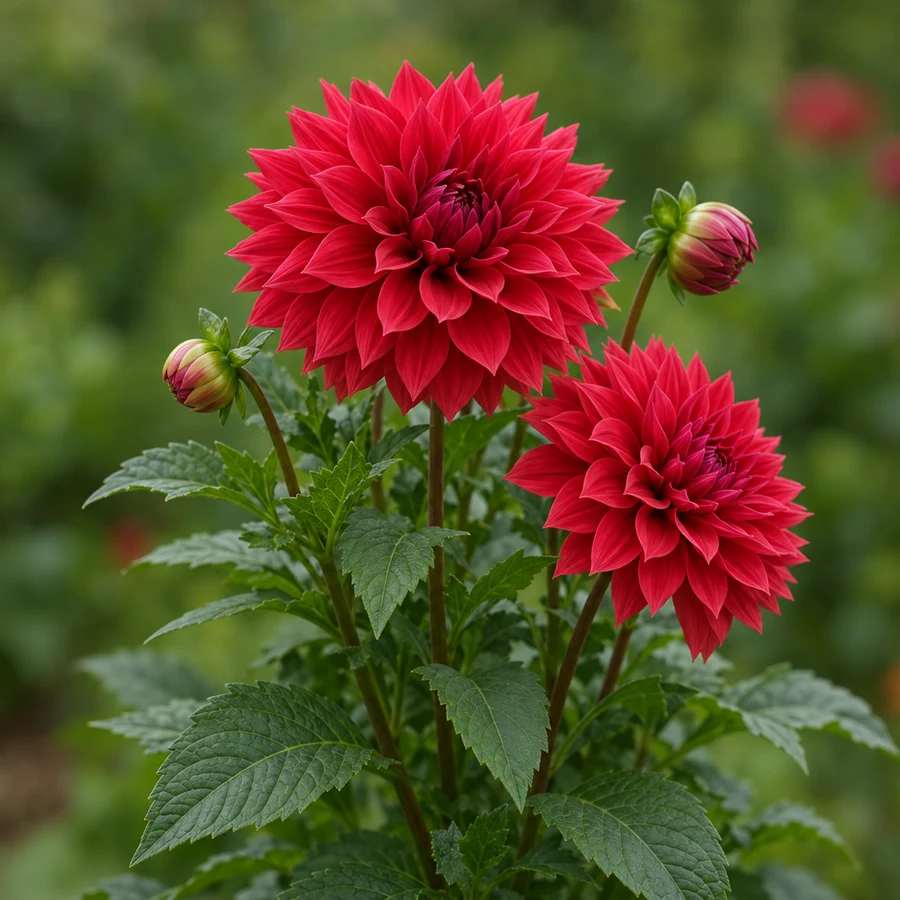
- Café au Lait: Huge blush dinner-plate blooms.
- Bishop of Llandaff: Red single, dark foliage.
- Cornel Brons: Bronze ball dahlia, great for cutting.
- Karma Choc: Deep chocolate-red.
- Jowey Winnie: Peach-pink ball.
Dahlia seeds to buy
Affiliate links — shopping through these helps keep Evening Vines free.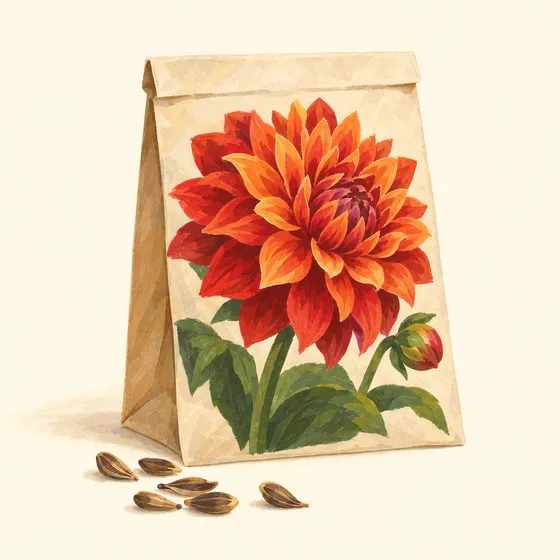 DahliaSeeds
Picking notes
Cut in the cool of the morning when flowers are almost fully open (they don't open further in the vase). Stand the stems in hot water for at least an hour for longer vase life.
Saving seed for next year
Collect dried seed heads in fall for fun, unpredictable seedlings. To keep a variety, divide and save the tubers.
From garden to table
Grown for cut flowers and borders. Dahlia tubers aren't poisonous to people and the Aztecs knew them, but how much they were ever eaten is debated, and most garden varieties taste poor. Never eat tubers bought for planting, as they may have been treated with fungicides or pesticides. The ASPCA lists dahlias as mildly toxic to dogs, cats and horses (upset stomach, skin irritation), so keep pets from chewing plants or stored tubers.
Questions from the potting bench
Do I have to dig up dahlias? In zones 7 and colder, digging is the safe choice. Zone 7 gardeners can gamble on a well-drained spot under 4 inches or more of mulch. In zones 8 to 11, mulch heavily and leave them.
Is my stored tuber still alive? Squeeze it. A good tuber is firm, with an intact neck joining it to the old stem, where the eyes form. If it's hollow, mushy or snapped at the neck, it won't grow.
Plenty of leaves but hardly any flowers. What went wrong? Usually too little sun (dahlias want at least 6 hours) or a fertilizer heavy in nitrogen, which feeds leaves instead of buds.
Will a dahlia be happy on a patio? Shorter border types do well in a pot at least 12 inches across and as deep, with drainage holes. Giant varieties need much bigger containers. Pots dry out fast in summer, so check them daily.
Grower reports
How did Dahlia do in your garden? Members rate it and say which zone and month they planted, so everyone can see what works near them.
Recent community discussions
No one has talked about Dahlia yet. Be the first.
Seeds to try
Affiliate links — shopping through these helps keep Evening Vines free.Essentials for Growing Dahlia
 Grow Bags
Breathable fabric pots: grow almost anything on a patio, balcony or driveway, and roots never circle.
See it →
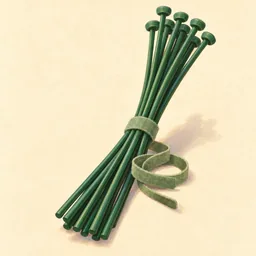 Plant Stakes
Steel stakes to keep peppers, eggplant and tall flowers from flopping.
See it →
 Pruning Shears
Sharp bypass pruners for harvesting, deadheading and tidying.
See it →
 Organic Fertilizer
Slow-release organic plant food for vegetable beds and containers.
See it →
 Garden Kneeler
A kneeling pad that flips into a seat: easier on knees and back.
See it →
 Garden Hand Tools
Trowel, transplanter and cultivator: the three tools you reach for most.
See it →
