
Delphiniums
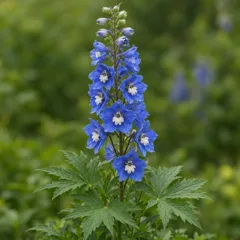
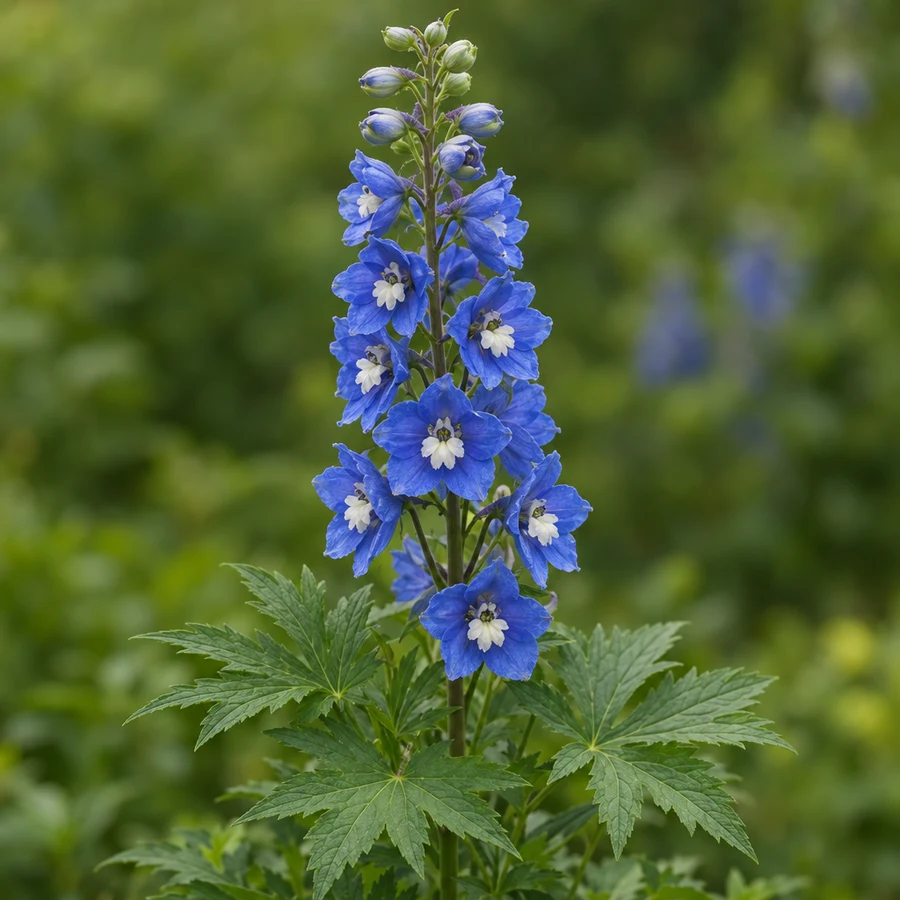
Delphiniums send up tall spires of true-blue, purple, pink, and white flowers, and they're the plant that pulls your eye to the back of the bed. They love cool summers, rich soil, and a sheltered spot out of strong wind. Give them a little fuss in spring and they'll stand head and shoulders above everything else by midsummer.
Recent community discussions
No one has talked about Delphiniums yet. Be the first.
At a glance
| Plant type | Flower |
| Botanical name | Delphinium spp. |
| Annual or perennial | Perennial |
| Sun | Full sun, with afternoon shade in hot areas |
| Water | About 1 inch per week |
| Soil | Fertile, well-drained loam that holds some moisture; add compost |
| Spacing | 18 to 36 inches |
| Planting depth | 1/8 inch |
| Days to germinate | 14 to 28 |
| Days to maturity | Standard strains such as Pacific Giants bloom the summer after sowing; first-year strains such as Guardian and Magic Fountains can bloom in late summer from an early indoor start |
| Bloom time | Early to midsummer, with a smaller second flush in late summer or early fall if cut back |
| Best USDA zones | 3 to 7 |
| Soil pH | 6.5 to 7.5 |
Is it delphiniums weather where you are? See everything to plant this month or read your zone notes.

Sow indoors 8–10 weeks before last frost. Seeds benefit from 2–3 weeks of cold stratification before sowing. Transplant outdoors in cool spring.

Germinates in 14–28 days; 90–120 days to bloom.

Zones 3–7, May?July; in mild zones April?June; indoors year-round with light.

Fertile, moisture-retentive clay loam, pH 6.5–7.5. Requires compost and drainage.
Pests to watch for





A little history
Delphiniums grow wild across the Northern Hemisphere. The name comes from the Greek for dolphin, after the shape of the flower buds. Their annual cousins are the larkspurs, and the two names still get mixed up. The tall garden delphinium took shape in the 1800s: Victor Lemoine bred early hybrids in France, and the Kelway nursery took them up in England. In the early 1900s Blackmore and Langdon of Bath built the big English strains, and in the mid-1900s Frank Reinelt bred the Pacific Giants in California.
When to sow in your zone
Spring: Chill the seed for 2 weeks, then start it indoors 8 to 10 weeks before your last frost. Count back from your last frost to find your sowing date. You can also set out nursery plants in spring.
Fall: Sow fresh seed outdoors in late summer or fall and let winter do the chilling for you.
Which year they flower: Standard strains, such as Pacific Giants, flower the summer after you sow them. Only first-year strains, such as Guardian and Magic Fountains, will bloom in late summer of the same year, and only from an early indoor start.
When to sow delphiniums where you live: find your zone page →
Growing it, step by step
From seed
Use fresh seed; it loses vigor quickly. Mix the seed into a little damp seed mix or a damp paper towel, seal it in a bag, and keep it in the fridge for 2 weeks. Then sow 1/8 inch deep, cover the tray to keep it dark, and hold it at about 65°F. Sprouts show in 2 to 4 weeks, so be patient.
Moving it outside
Harden off seedlings for a week or so, then plant at the same depth as in the pot, 18 to 36 inches apart.
Water
Water deeply at the base; don't let them dry out.
Mulch
Mulch to keep roots cool, but keep it off the crown.
Feeding
Delphiniums are heavy feeders. Add compost and a balanced fertilizer in spring.
Keeping it happy
Put in stakes early, before the spikes need them; the hollow stems snap easily in wind and rain. Our staking notes cover the options. Thin crowded clumps to a few strong shoots in spring. When the first flush fades, cut the spent spikes down to the ground and you'll often get a second, smaller bloom in late summer or early fall (more on that in deadheading for more blooms).
Trouble in the bed
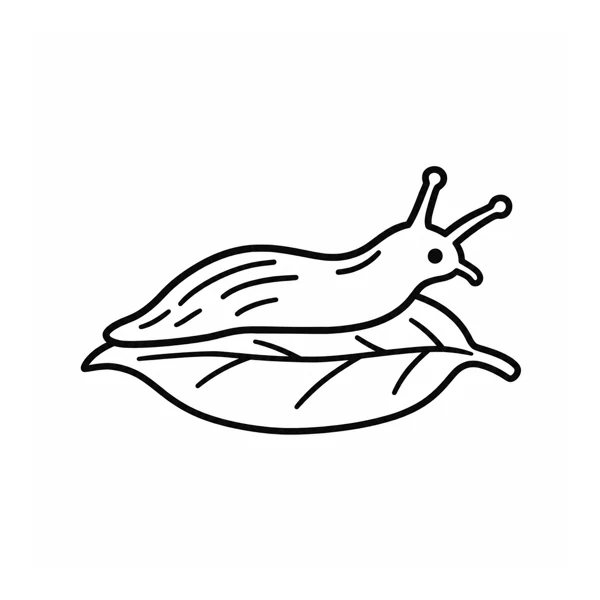
- Slugs: Protect new spring growth.
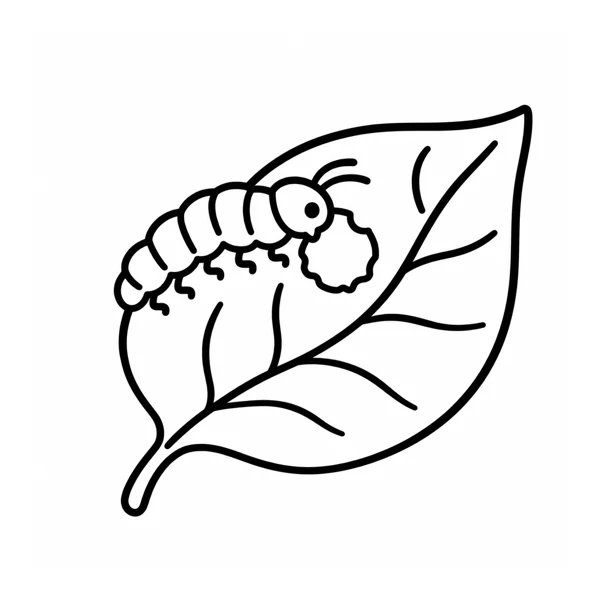
- Aphids: Spray off with water.
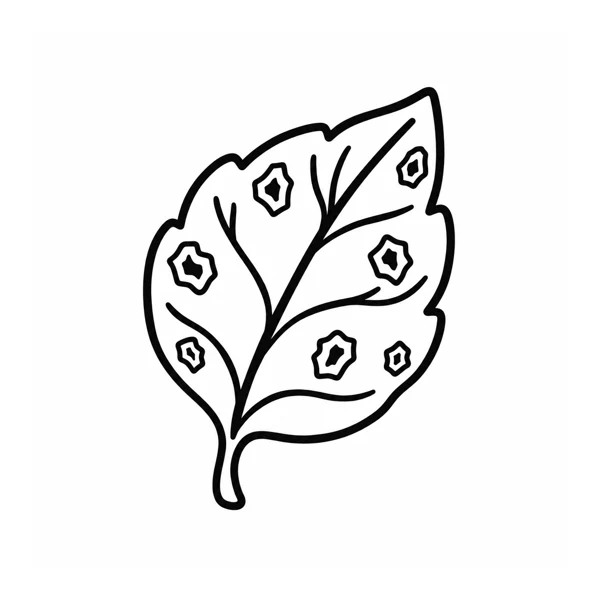
- Powdery mildew: Give airflow and water at the base.
- Crown rot: The crown turns soft and the plant collapses. It follows soggy, poorly drained soil, so plant in well-drained ground and keep mulch off the crown.
Good neighbors





Good: Roses, foxgloves, lupines, peonies, and phlox. They like the same rich, moist, well-drained border.
Avoid: Hot, windy, dry spots, and dry-loving plants that want lean soil.
Seeds that grow well in your area in November
Affiliate links — shopping through these helps keep Evening Vines free. Johnny Jump Up
 Organic Cat Grass
 Arugula Microgreens
 Organic Alfalfa
Varieties worth growing
- Pacific Giants: Tall, classic, many colors. Bloom the year after sowing.
- Magic Fountains: Shorter and sturdier; can flower the first year from an early start.
- Guardian: Strong cutting stems; a first-year strain.
- New Millennium series: Strong stems, perennial.
- Belladonna: Airy, branching, good for cutting.
Picking notes
For the vase, cut a spike when the bottom quarter to third of the flowers are open and the top buds are still closed; the rest will keep opening in water. Cut in the cool of the morning and get the stems into water straight away. Expect about a week in the vase. For drying, wait until most of the spike is open.
Saving seed for next year
Collect pods when they turn brown and dry, and sow the seed fresh. Seed from F1 strains such as Guardian won't come true, and mixed strains will give you mixed colors.
From garden to table
Grown for borders and cut flowers. All parts are toxic to people, pets, and livestock.
Questions from the potting bench
Why are my delphiniums falling over? They need staking, and shelter from wind.
Will delphiniums flower the first year from seed? Most won't: standard strains flower the summer after sowing. First-year strains like Guardian and Magic Fountains can flower in late summer if you start them early indoors.
Do delphiniums grow in hot climates? Poorly. Grow them as cool-season annuals in zones 8 and up.
Are delphiniums poisonous? Yes. Wear gloves and keep away from pets.
Grower reports
How did Delphiniums do in your garden? Members rate it and say which zone and month they planted, so everyone can see what works near them.
Recent community discussions
No one has talked about Delphiniums yet. Be the first.
Essentials for Growing Delphiniums
 Grow Bags
Breathable fabric pots: grow almost anything on a patio, balcony or driveway, and roots never circle.
See it →
 Plant Stakes
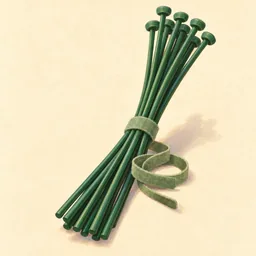
Steel stakes to keep peppers, eggplant and tall flowers from flopping.
See it →
 Pruning Shears
Sharp bypass pruners for harvesting, deadheading and tidying.
See it →
 Organic Fertilizer
Slow-release organic plant food for vegetable beds and containers.
See it →
 Seed Starting Tray
Reusable tray with a clear dome to give seeds a warm, humid start indoors.
See it →
 Garden Hand Tools
Trowel, transplanter and cultivator: the three tools you reach for most.
See it →
