
Phlox
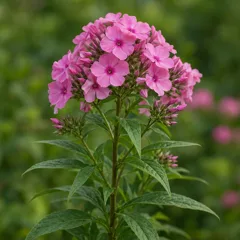
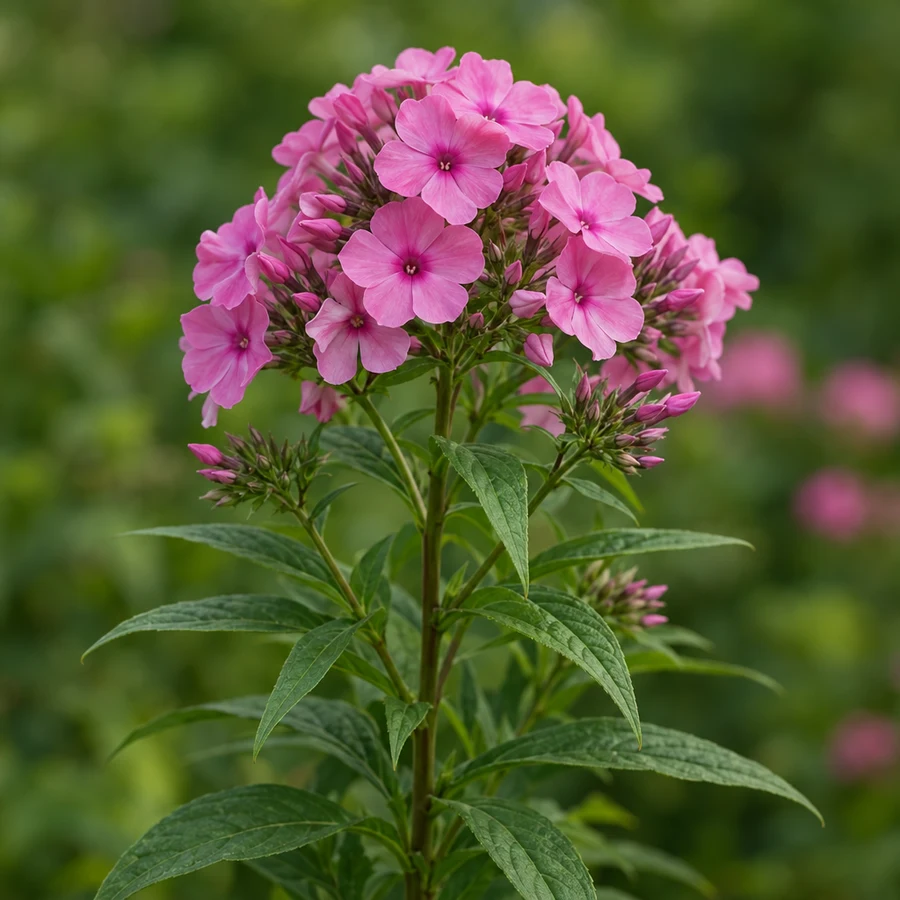
Garden phlox is a tall perennial with big clusters of fragrant flowers in summer. It attracts butterflies, bees, and hummingbirds, and it does best in rich, moist soil with good airflow.
Creeping phlox (Phlox subulata) is a different species that forms a low carpet of spring flowers. Both are easy and long-lived with sun and good drainage.
Recent community discussions
No one has talked about Phlox yet. Be the first.
At a glance
| Plant type | Flower |
| Botanical name | Phlox paniculata (garden phlox); Phlox subulata (creeping phlox) |
| Annual or perennial | Perennial |
| Sun | Full sun to light shade |
| Water | Moderate; keep evenly moist |
| Spacing | 18 to 24 inches (garden phlox) |
| Planting depth | 1/8 inch, covered |
| Days to germinate | Slow and uneven, a month or more after chilling |
| Days to maturity | 1 to 2 years to bloom from seed |
| Best USDA zones | 3 to 8 |
| Soil pH | 6.0 to 7.5 |
Is it phlox weather where you are? See everything to plant this month or read your zone notes.

Sow indoors 8–10 weeks before last frost or direct sow after danger of frost. For fall blooms, sow outdoors midsummer.

Germinates in 7–21 days; blooms in 50–90 days.

Zones 3–9, May?Sept; in mild zones April?June; indoors year-round under lights.

Fertile, moist loam or silty loam, pH 6.0–7.5. Needs steady moisture; dislikes soggy soils.
Pests to watch for




Diseases
Mateo is researching the diseases that affect this plant.
A little history
Garden phlox is native to eastern North America. It was carried to Europe, where breeders developed many colorful varieties.
When to sow in your zone
Perennial phlox seed needs a long, cold, damp rest before it will wake up, so the real question of when to plant phlox is really when to start the chilling.
Fall (the easy way): Sow outdoors in late fall, from now through early winter in zones 3 to 8, and let winter do the chilling for you. A covered pot or a milk jug works well. Seedlings come up in spring as the soil warms. Find your frost dates on the zone pages.
Spring: Mix the seed with damp sand or a damp paper towel in a sealed bag and chill it in the fridge for 8 to 12 weeks (60 to 90 days). Then sow it in pots and keep it moist. In phlox zone 5 and other cold zones, that means starting the chill in midwinter so the seed is ready by spring. Expect germination to be slow and uneven, often a month or more after chilling ends.
Plants instead: Set out nursery plants in spring or early fall. Divide established clumps in spring or early fall too.
Growing it, step by step
On the potting bench
Sow seed 1/8 inch deep and cover it with fine soil, since darkness helps it sprout. Keep the pot moist and be patient. Seed-grown plants take a year or two to flower, and they won't match named varieties, so many gardeners buy plants or divisions instead.
Into the border
Plant at the same depth as in the pot, 18 to 24 inches apart, so air can move between the clumps.
Through the summer
Water deeply once a week, more in hot spells, and aim the water at the soil so the leaves stay dry. Spread 2 inches of mulch to hold moisture and keep the roots cool, but keep it pulled back from the stems. Work compost in around the clumps in spring, then give a balanced fertilizer once in early summer.
Keeping it happy
Thin crowded stems in spring so air can move through the clump. Deadhead to stretch out the bloom. Cut stems back after frost and take them away, since that's where some pests spend the winter.
How to divide phlox: every 2 to 4 years, when the center of the clump thins out or flowering drops off, lift the clump in spring or early fall. Split it into pieces with a few healthy shoots each, throw away the tired middle, and replant the outer pieces. More on that in dividing perennials in fall.
Good air movement is the best protection against mildew.
Trouble in the bed
- Powdery mildew: The most common phlox problem. Space plants, thin stems, water at the base, and choose mildew-resistant varieties. See powdery mildew in late summer.
- Spider mites: Look for fine speckling and webbing in hot, dry weather. Rinse the undersides of the leaves with a strong spray of water.
- Phlox plant bug: A small bug that feeds mostly on phlox and leaves pale spots and stippling on the leaves. Its eggs spend the winter in old stems, so cut back and get rid of infested stems and clear the litter by late winter.
- Four-lined plant bug: Greenish yellow with four black stripes, active from late spring into early summer. It leaves small sunken brown spots. Pick it off, or use insecticidal soap on the young bugs.
- Stem nematodes: Microscopic worms that leave stems swollen and twisted, with thin, crinkled leaves, many weak shoots and few flowers. There's no cure in the garden. Dig out and throw away affected plants, clean your tools, and don't replant phlox in the same spot.
- Slugs: They chew young spring shoots. Use traps or hand-pick in the evening.
Clearing old stems in fall helps with several of these at once. See cleaning up diseased plants in fall.
Good neighbors




Good: Daylilies, coneflowers, bee balm, and ornamental grasses.
Avoid: Crowded, shady, airless spots that encourage mildew.
Seeds that grow well in your area in November
Affiliate links — shopping through these helps keep Evening Vines free. Smooth Blue Aster
 Polka Dot Mix
 Black-Eyed SusanSeeds
 ColumbineSeeds
Varieties worth growing
- Bright Eyes: Garden phlox with pale pink flowers and a crimson eye.
- Blue Paradise: Garden phlox in blue-violet shades.
- Peppermint Twist: Garden phlox with pink-and-white striped flowers.
- Candy Stripe: Creeping phlox with pink-and-white striped flowers.
- Emerald Blue: Creeping phlox with soft lavender-blue flowers.
Phlox seeds to buy
Affiliate links — shopping through these helps keep Evening Vines free. PhloxSeeds
Picking notes
For the vase, cut garden phlox stems in the cool of the morning once roughly half the little flowers in the head have opened. The rest keep opening indoors. Put the stems straight into water, and a floral preservative will help them last.
Saving seed for next year
Let the flower heads dry on the plant, then collect the seed. Seedlings often revert to the common magenta-pink and won't match named varieties. To keep a variety true, divide the plant instead.
From garden to table
Phlox is ornamental. Use garden phlox in borders, cottage gardens, and cutting beds, and creeping phlox as a groundcover or edging.
Questions from the potting bench
Why is my phlox white and powdery? That's powdery mildew. Improve airflow and choose resistant types.
Does it spread? Garden phlox can self-sow, and the seedlings are often magenta.
When should I divide it? Every 2 to 4 years, when the center of the clump thins, in spring or early fall.
Creeping phlox vs garden phlox: what's the difference? Creeping phlox stays a few inches tall and flowers in spring as a carpet. Garden phlox grows 2 to 4 feet tall and flowers in summer in the border.
Grower reports
How did Phlox do in your garden? Members rate it and say which zone and month they planted, so everyone can see what works near them.
Recent community discussions
No one has talked about Phlox yet. Be the first.
Seeds to try
Affiliate links — shopping through these helps keep Evening Vines free.Essentials for Growing Phlox
 Grow Bags
Breathable fabric pots: grow almost anything on a patio, balcony or driveway, and roots never circle.
See it →
 Pruning Shears
Sharp bypass pruners for harvesting, deadheading and tidying.
See it →
 Seed Starting Tray
Reusable tray with a clear dome to give seeds a warm, humid start indoors.
See it →
 Garden Kneeler
A kneeling pad that flips into a seat: easier on knees and back.
See it →
 Plant Labels
Waterproof markers so you know what's coming up where.
See it →
 Organic Fertilizer
Slow-release organic plant food for vegetable beds and containers.
See it →
