
Dianthus
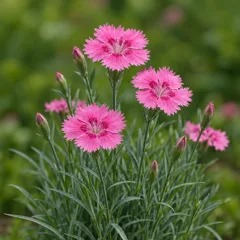
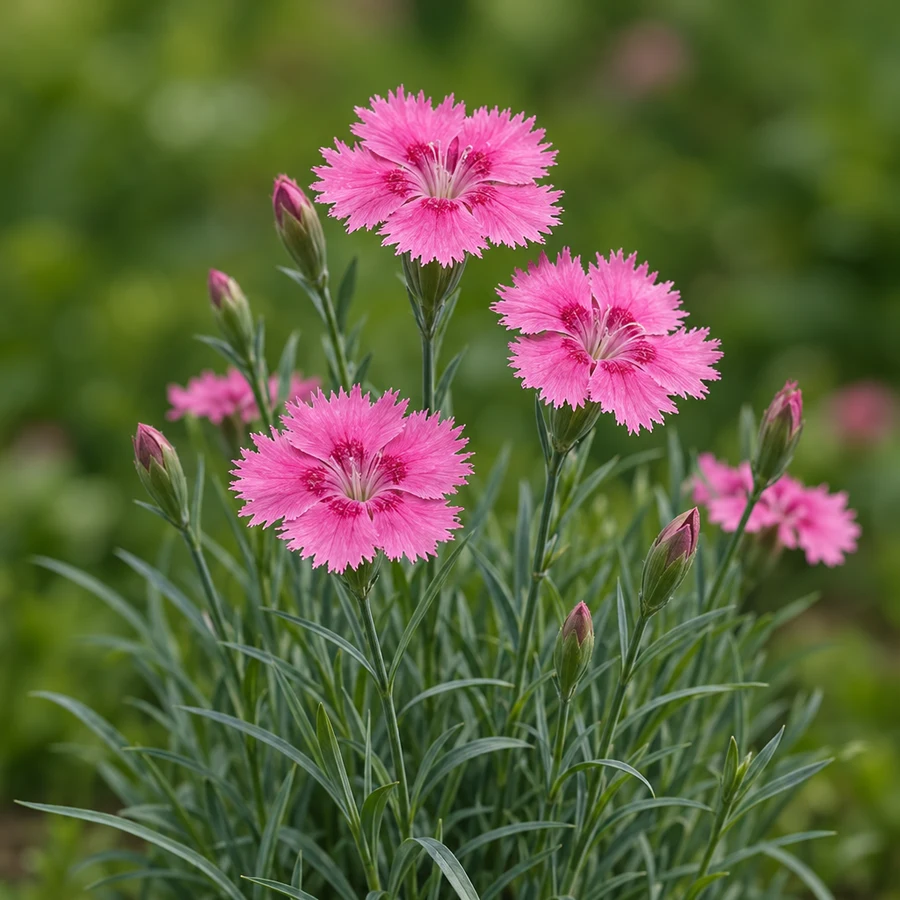
Dianthus, the plants most of us call pinks, carry small frilled flowers that smell of cloves, in pink, red, white, and two-tone mixes. Most of the perennial kinds make low, tidy cushions of narrow, silvery leaves that still look good after the flowers are over. Tuck them along the sunny front of a bed, between the stones of a dry wall or gravel patch, or in a pot by the door where you'll catch the scent on a warm evening. Deer usually pass them by.
Recent community discussions
No one has talked about Dianthus yet. Be the first.
At a glance
| Plant type | Flower |
| Botanical name | Dianthus spp. |
| Annual or perennial | Annual, biennial, or perennial by type |
| Sun | Full sun |
| Water | Low to moderate |
| Spacing | 6 to 12 inches |
| Planting depth | 1/8 inch |
| Days to germinate | 7 to 21 |
| Days to maturity | Annual types flower about 10 to 12 weeks from sowing; most perennial pinks flower in their second year |
| Bloom time | Late spring into summer, with more flowers if you deadhead |
| Best USDA zones | 3 to 9 |
| Soil pH | About 6.5 to 7.5 (neutral to slightly alkaline); puts up with 6.0 |
Is it dianthus weather where you are? See everything to plant this month or read your zone notes.

Start indoors 6–8 weeks before last frost. Direct sow outdoors after frost, or in late summer for overwintering in mild climates.

Germinates in 7–14 days; blooms in 60–90 days; some perennial.

Zones 3–9, May?October; in mild zones April?July; indoors year-round.

Light, well-drained sandy soils, pH 6.0–7.5. Prefers slightly alkaline soil.
Pests to watch for




Diseases

A little history
Dianthus grows wild across Europe and Asia, with many more species in southern Africa, and gardeners have been growing it for more than 2,000 years. The name is Greek and means "flower of the gods." The common name pinks probably comes from the ragged petal edges, which look as if they were trimmed with pinking shears, rather than from the color.
When to sow in your zone
Spring: Start seeds indoors 8 to 10 weeks before your last frost (give perennial pinks the full 10 weeks), or sow outdoors once the frost is past.
Fall: In zones 7 to 9, plant in fall for flowers the next spring.
Not sure of your dates? Find your zone on the zone pages, then count back from your last frost.
Growing it, step by step
From seed
Sow 1/8 inch deep, barely covering the seed, and keep the tray at 60 to 70°F. Expect sprouts in one to three weeks, so don't give up on a slow tray too soon.
Moving it outside
Harden off the seedlings, then plant them at the same depth they were growing (never deeper), 6 to 12 inches apart.
Water
Water until they're settled in, then only in dry spells. Pinks hate wet feet.
Mulch
Keep heavy mulch away from the crowns. A little gravel around the base suits them better.
Feeding
One light feed in spring is plenty. In acidic soil, a sprinkle of garden lime helps.
Keeping it happy
Shear or deadhead after the first flush for a second round of flowers. Perennial clumps get woody and bare in the middle after a few years, so divide them or replace them with fresh plants every 2 to 3 years.
Trouble in the bed
Most trouble with pinks starts with wet soil or still, damp air. Sharp drainage and a bit of space between plants prevent most of it.
Diseases
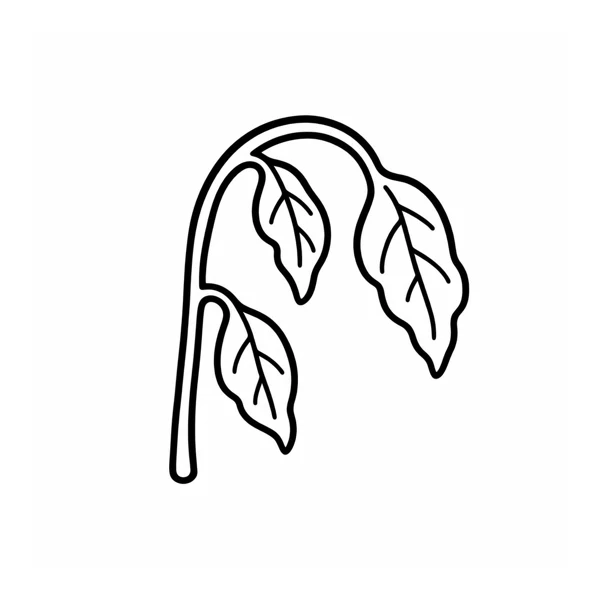
- Root and crown rot: Plants wilt and collapse at the base, usually in heavy, wet soil. It's hard to save a plant once it starts, so prevent it: plant in gritty, well-drained soil and never water into the crown.
- Rust: Small rust-red blisters on the leaves. Water at the base, pick off spotted leaves, and give plants room for air to move.
- Leaf spot: Small purplish spots that turn brown in the middle. Same fix as rust, and clear away old leaves at the end of the season.
- Botrytis (gray mold): Fading flowers and buds turn brown and fuzzy gray in damp weather. Deadhead often and avoid watering late in the day.
- Fusarium wilt: Plants yellow and wilt, often on one side first. Pull and throw away affected plants, and don't put dianthus back in the same spot.
Pests
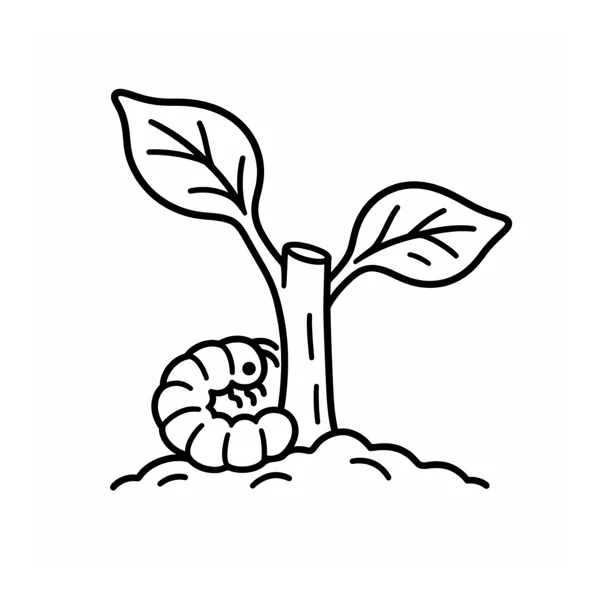
- Slugs and snails: They chew young shoots, worst in a damp spring. Go out with a flashlight in the evening and pick them off.
- Aphids: Spray them off with a jet of water.
- Thrips and spider mites: Mainly a problem under glass or on plants kept indoors. Outdoors, spider mites may show up in a hot, dry spell; rinse the undersides of the leaves.
Good neighbors








Good: Lavender, roses, salvia, and alyssum. They all like sun and fast-draining soil, so they share a bed happily.
Avoid: Damp, shady spots, and beds that get watered every day.
Seeds that grow well in your area in November
Affiliate links — shopping through these helps keep Evening Vines free. Smooth Blue Aster
 Polka Dot Mix
 Black-Eyed SusanSeeds
 ColumbineSeeds
Varieties worth growing
- Firewitch: Magenta perennial with a strong clove scent; Perennial Plant of the Year in 2006.
- Telstar series: Long-flowering annuals, quick from seed.
- Sweet William (D. barbatus): A biennial with flowers in flat, packed clusters. Seeds
- Chabaud carnations: Tall and fragrant, grown for cutting.
Dianthus seeds to buy
Affiliate links — shopping through these helps keep Evening Vines free.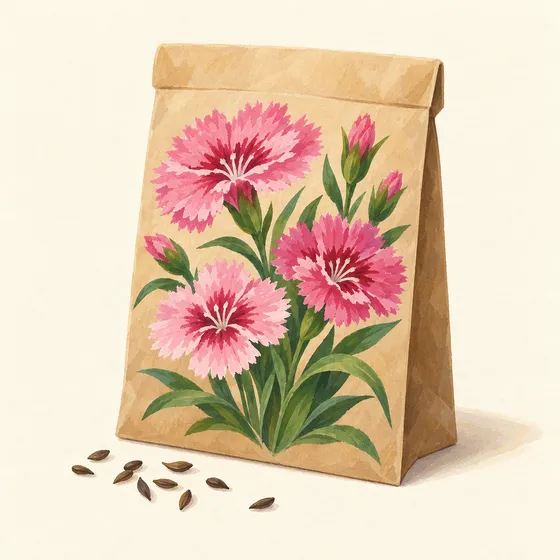 DianthusSeeds
Picking notes
Cut stems when the flowers are just opening, early in the day. With fresh water every few days, pinks often last two weeks or more in a vase.
Saving seed for next year
Let the pods dry on the plant, then shake out the seed. Hybrids such as Telstar won't come true, and different kinds grown side by side can cross.
From garden to table
Grown mainly for cutting and for edging sunny beds. The petals of many types are edible, with a mild clove flavor, once you snip off the bitter white base; scatter them on salads or cakes. Only eat flowers you've grown without sprays.
Pets: The ASPCA lists carnations and pinks as toxic to dogs, cats, and horses. Chewing them can cause mild stomach upset and skin irritation, so keep pots out of reach of animals that nibble plants.
Questions from the potting bench
Can I really eat the petals? Yes, from plants grown without sprays. Pull off the petals and cut away the pale base, which is bitter.
Why has my pink gone bald in the middle? Older clumps die out from the center. Dig the plant up, keep the healthy outer pieces, and replant them in fresh, gritty soil.
Will my dianthus flower the first year from seed? Annual types will, about 10 to 12 weeks after sowing. Most perennial pinks spend their first year making leaves and flower the year after.
Are pinks safe if I have a dog or cat? Not entirely. They're listed as mildly toxic to pets, so keep them where curious animals won't chew them.
Grower reports
How did Dianthus do in your garden? Members rate it and say which zone and month they planted, so everyone can see what works near them.
Recent community discussions
No one has talked about Dianthus yet. Be the first.
Seeds to try
Affiliate links — shopping through these helps keep Evening Vines free.Essentials for Growing Dianthus
 Grow Bags
Breathable fabric pots: grow almost anything on a patio, balcony or driveway, and roots never circle.
See it →
 Pruning Shears
Sharp bypass pruners for harvesting, deadheading and tidying.
See it →
 Seed Starting Tray
Reusable tray with a clear dome to give seeds a warm, humid start indoors.
See it →
 Garden Kneeler
A kneeling pad that flips into a seat: easier on knees and back.
See it →
 Plant Labels
Waterproof markers so you know what's coming up where.
See it →
 Organic Fertilizer
Slow-release organic plant food for vegetable beds and containers.
See it →
