
Alyssum
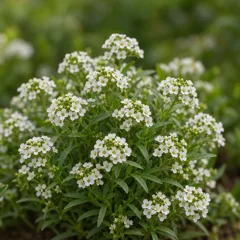
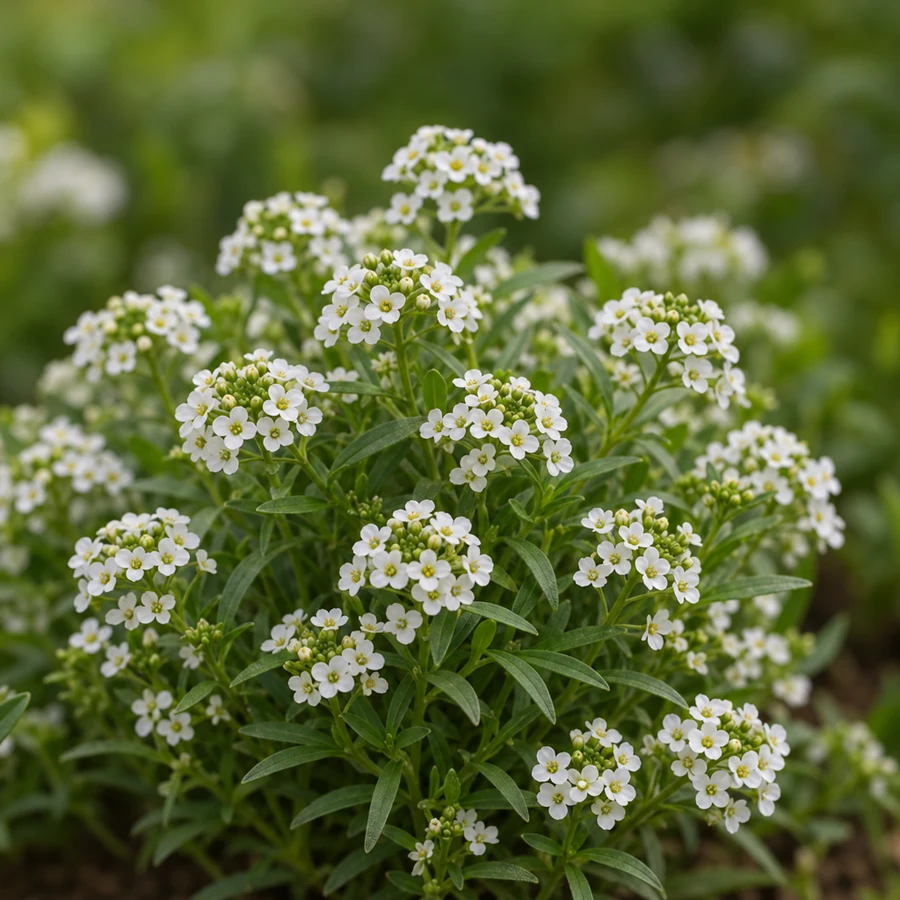
Sweet alyssum is a small, tidy plant that forms a carpet of tiny flowers in white, pink, purple, or cream. It grows only 3 to 6 inches tall and spills happily over edges, paths, and containers. The blooms smell of honey, and the scent is strongest on warm days.
It's one of the most useful plants you can tuck into a vegetable bed. Hoverflies and tiny beneficial wasps visit the flowers, and their young feed on aphids. It's also very easy to grow, which makes it a good first flower for beginners. For a whole strip of flowers that feed helpful insects, see our post on how to sow a pollinator border.
Recent community discussions
No one has talked about Alyssum yet. Be the first.
At a glance
| Plant type | Low-growing flower, edible flower, groundcover |
| Botanical name | Lobularia maritima |
| Annual or perennial | Annual in most of the US; short-lived perennial in mild climates |
| Sun | Full sun to part shade |
| Water | Regular, moderate; tolerates short dry spells |
| Spacing | 6 to 8 inches |
| Planting depth | On the surface; barely cover |
| Days to germinate | 5 to 14, sometimes longer in cool soil |
| Days to maturity | About 6 to 8 weeks to bloom |
| Best USDA zones | Grown as an annual in zones 3 to 8; can live a few years in zones 9 to 11 |
| Soil pH | Not fussy; good drainage matters most |
Is it alyssum weather where you are? See everything to plant this month or read your zone notes.

Early spring or early fall. Indoors: start 4–6 weeks before last frost. Fall: sow late summer in mild zones. Year-round in containers.

Germinates in 5–15 days; matures in 45–60 days; blooms continuously.

Zones 5–9, April?October; Zones 9–11, September?November; indoors year-round.

Light, sandy soil, well-drained, pH 6.0–7.5. Tolerates poor soils but flowers better with moderate nutrients.
Pests to watch for




Diseases

A little history
Sweet alyssum comes from the Mediterranean region, where it grows wild on sandy, rocky ground near the sea. It belongs to the mustard family, the same family as broccoli and arugula. Botanists once filed it under the genus Alyssum, which is how it got its common name. It has since moved to its own genus, Lobularia, so the yellow perennial "alyssum" sold for rock gardens is a different plant altogether. Today it's a familiar sight in American window boxes, hanging baskets, and the front edge of flower beds.
When to sow in your zone
Spring: Sow outdoors 2 to 4 weeks before your last frost date. Young seedlings are tender, so throw a cover over them on a frosty night; once plants are established they shrug off a light frost. In zones 3 to 6, you can also start seed indoors about 6 weeks before the last frost. Not sure of your date? Our guide to counting back from your last frost walks you through it, and your zone page has the dates for your area.
Fall: In zones 8 to 11, sow in early to mid fall for winter and early spring bloom. Alyssum fades in hot summer weather, so gardeners in cooler zones often sow again in late summer for a second flush.
Growing it, step by step
From seed
Scatter the seed on top of the soil and press it down gently with your palm. Leave it uncovered or give it the faintest dusting of soil, because it sprouts best when daylight can reach it. Keep the surface lightly moist. Thin seedlings to 6 to 8 inches apart once they have a few true leaves (our post on thinning seedlings shows how).
Moving it outside
Harden off indoor seedlings for a week. Plant them at the same depth they grew in the pot, 6 to 8 inches apart, so they can knit together.
Water
Water regularly while young. Established plants tolerate short dry spells, but flowering is best with steady moisture. Water at the base to keep leaves dry.
Mulch
A thin layer of fine mulch helps hold moisture. Keep it off the crowns. Alyssum covers the ground quickly on its own.
Feeding
Alyssum doesn't need much. Work in a little compost at planting. Too much nitrogen gives you leaves instead of flowers.
Keeping it happy
In midsummer heat, alyssum often stalls and gets leggy. Shear it back by about half and water well, and it usually returns with fresh blooms as the nights cool (more on getting beds through hot spells in helping plants through a heatwave). Deadheading isn't required, but shearing keeps plants tidy. Good drainage matters more than soil type, because wet feet lead to root rot.
A note for California and frost-free coastal gardens: sweet alyssum seeds itself so freely that the California Invasive Plant Council lists it as a "Limited" invasive plant. It has escaped into coastal dunes, bluffs, and scrub there. If you garden in California, or anywhere near wild coastal land in a frost-free climate, shear plants before the seed pods ripen and pull any strays that pop up outside the garden.
Trouble in the bed
Alyssum is usually trouble-free, but these are the problems extension services list for it:
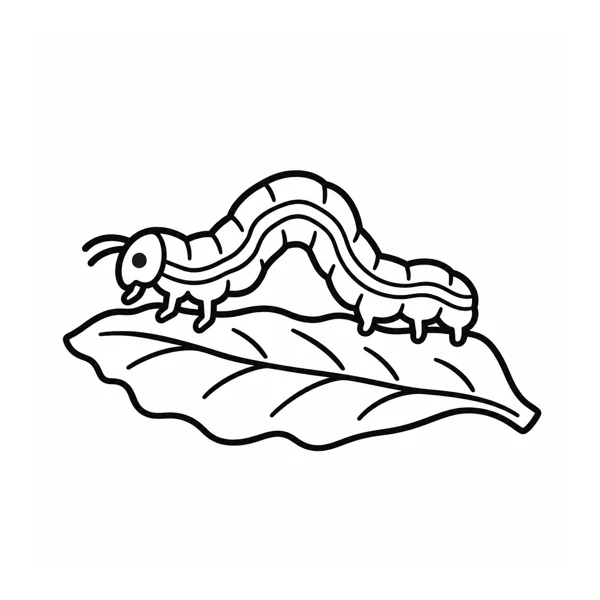
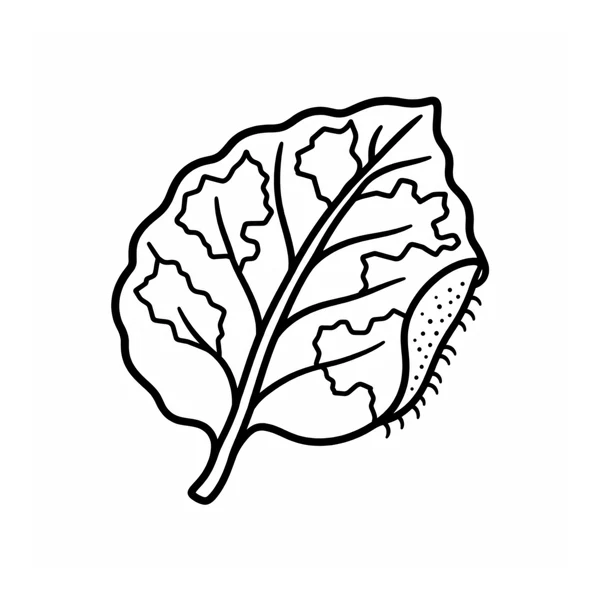
- Leaf-eating caterpillars: Being a mustard-family plant, it can draw the same small green caterpillars that chew cabbage. Pick them off by hand, or trim and toss badly chewed stems.
- Broad and cyclamen mites: Too small to see, they leave new growth twisted, stunted, and bronzed. Cut off and throw away damaged shoots, and don't bring in plants that already look distorted.
- Aster leafhoppers and aster yellows: Leafhoppers spread aster yellows, which turns plants yellow and stunted. Pull and throw away infected plants; they won't recover.
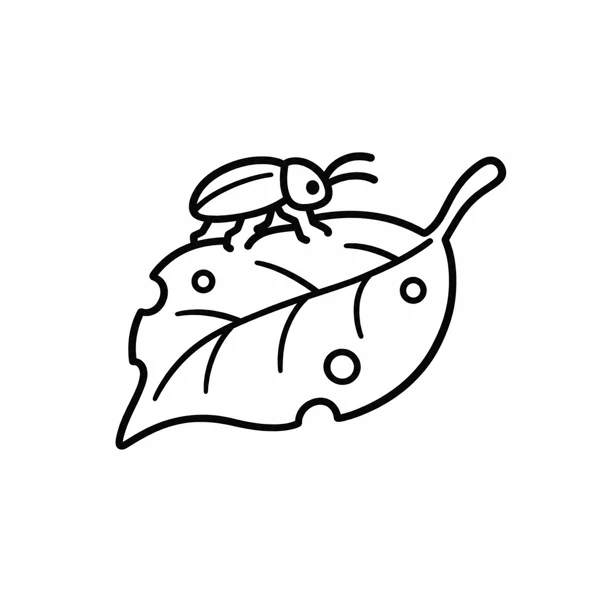
- Bagrada bug (California and the Southwest): This small black-and-orange stink bug feeds on mustard-family plants. Where it's a serious problem, swap alyssum for a flower from another family so it doesn't build up near your cabbage and kale.
- Downy mildew: Space plants for airflow, water early in the day at the base, and clear away old plants in fall.
- Botrytis (gray mold): Fuzzy gray mold on flowers and stems in cool, damp weather. Thin crowded plants and remove moldy bits promptly.
- Root, stem, and crown rots: Plant in well-drained soil, avoid overwatering, and don't water into the crown.
- Clubroot: The same soil disease that swells cabbage roots. Don't grow alyssum where clubroot has been a problem.
Good neighbors





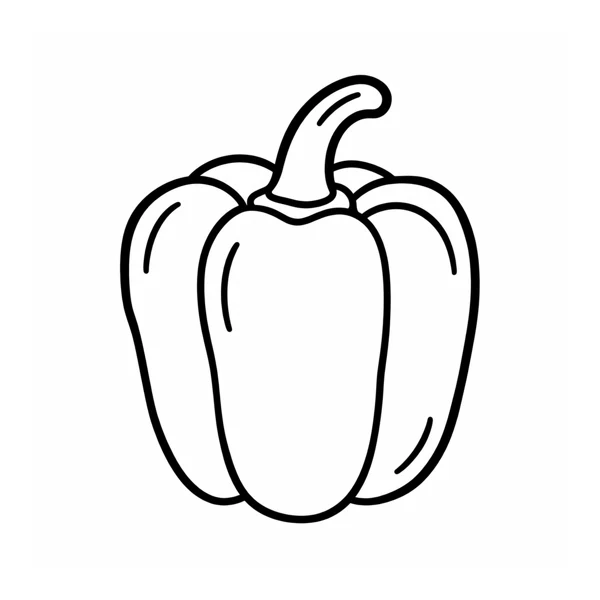
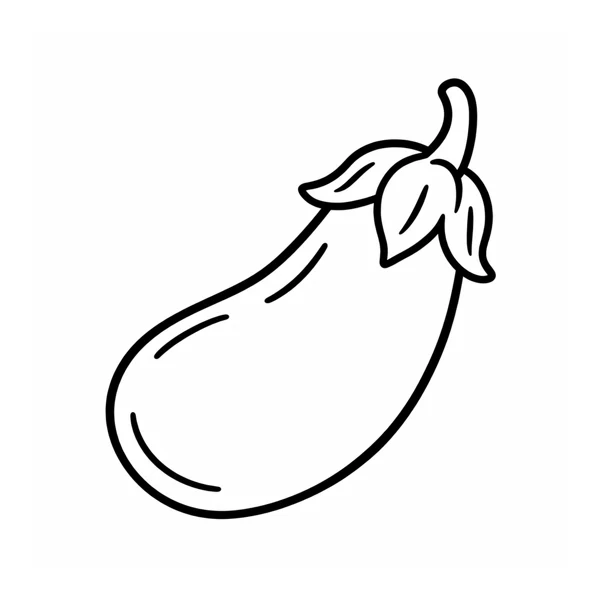

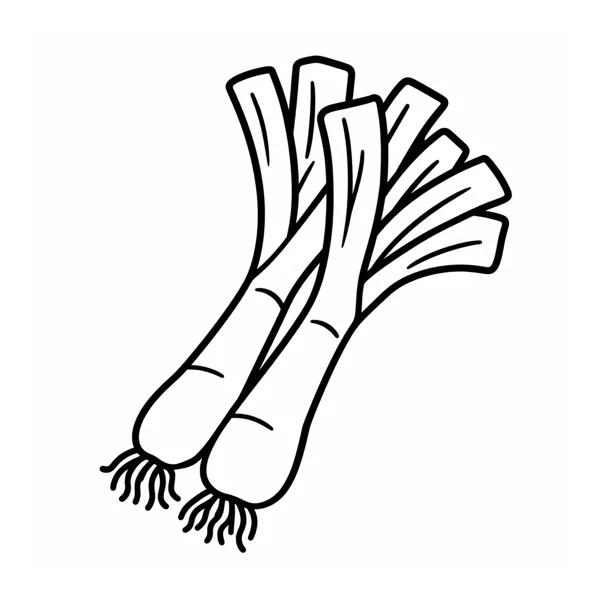


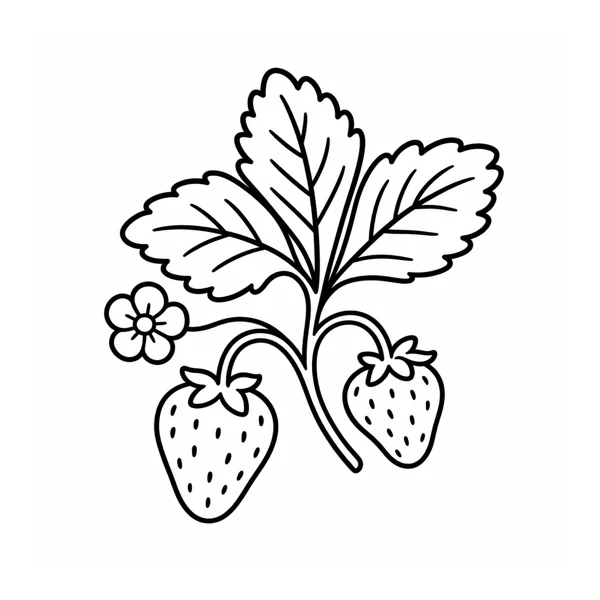


Good: Lettuce, carrots, tomatoes, peppers, cabbage, broccoli, and kale. Alyssum draws in beneficial insects that help these crops.
Avoid: Few true enemies. Just don't plant it where tall neighbors will shade it out, and don't let it crowd tiny seedlings.
Seeds that grow well in your area in November
Affiliate links — shopping through these helps keep Evening Vines free.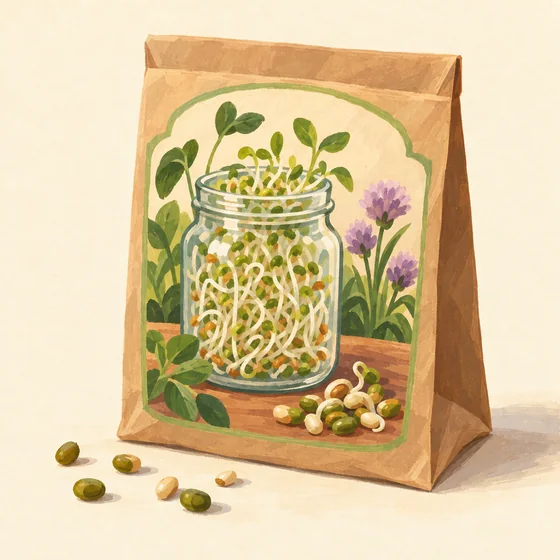 Organic Alfalfa
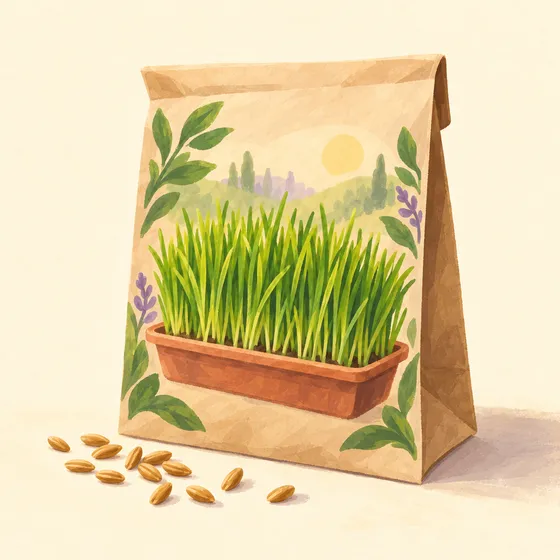 Organic Wheatgrass
 Purple Coneflower
 Stinging Nettle
Varieties worth growing
- Carpet of Snow: Classic low white mat with a long bloom season. Seeds
- Snow Crystals: Larger white flowers on a vigorous, heat-tolerant plant.
- Royal Carpet: Deep purple flowers, very low growing.
- Easter Bonnet series: Mixed shades of pink, lavender, and white.
- Clear Crystal series: Compact plants in several colors, well suited to pots.
Alyssum seeds to buy
Affiliate links — shopping through these helps keep Evening Vines free.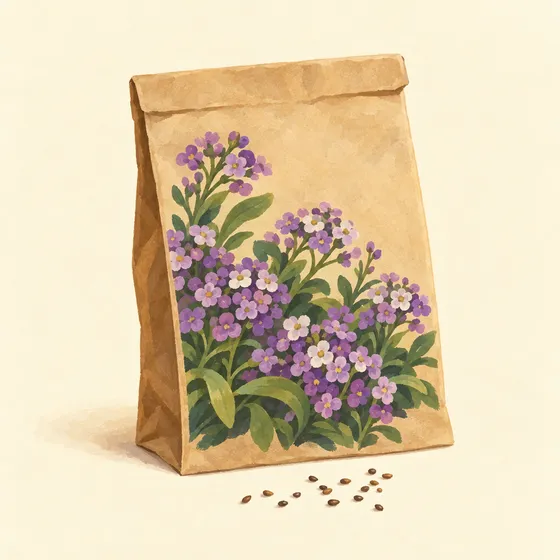 Carpet of Snow
Picking notes
Pick flowers for garnish in the morning, when they're fully open. Snip small clusters with clean scissors and rinse gently.
Saving seed for next year
Let a few plants go to seed (but see the California note above before you do). The tiny pods turn tan and papery. Shake or rub them into a paper bag, dry the seed for a few days indoors, then store it in a labeled envelope somewhere cool and dry. Seed keeps for several years. Named varieties may not come true. Our post on saving seeds from your garden has more.
From garden to table
The flowers are edible, with a mild, slightly peppery, honey-like taste. Use them on salads, cakes, and cold drinks, but only if they were grown without chemical sprays. In the garden, alyssum makes a living mulch under taller crops, suppressing weeds and drawing in beneficial insects.
Questions from the potting bench
Why did my alyssum stop blooming in summer? Heat. Shear it back by half and water it, and it should rebloom as the weather cools.
Does alyssum come back every year? In zones 9 to 11 it can live a few years. Elsewhere it's an annual, though it often reseeds itself. In California, keep that reseeding in check (see Care and Maintenance).
When should I sow alyssum where I live? Check your zone page for your frost dates, then sow 2 to 4 weeks before the last spring frost, or in fall if you garden in zones 8 to 11.
Can I grow it in containers? Yes. It does well in pots and hanging baskets with good drainage and regular watering.
Grower reports
How did Alyssum do in your garden? Members rate it and say which zone and month they planted, so everyone can see what works near them.
Recent community discussions
No one has talked about Alyssum yet. Be the first.
Seeds to try
Affiliate links — shopping through these helps keep Evening Vines free.Essentials for Growing Alyssum
 Grow Bags
Breathable fabric pots: grow almost anything on a patio, balcony or driveway, and roots never circle.
See it →
 Pruning Shears
Sharp bypass pruners for harvesting, deadheading and tidying.
See it →
 Seed Starting Tray
Reusable tray with a clear dome to give seeds a warm, humid start indoors.
See it →
 Garden Kneeler
A kneeling pad that flips into a seat: easier on knees and back.
See it →
 Plant Labels
Waterproof markers so you know what's coming up where.
See it →
 Organic Fertilizer
Slow-release organic plant food for vegetable beds and containers.
See it →
