
Beets
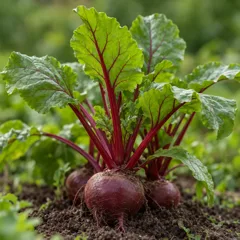
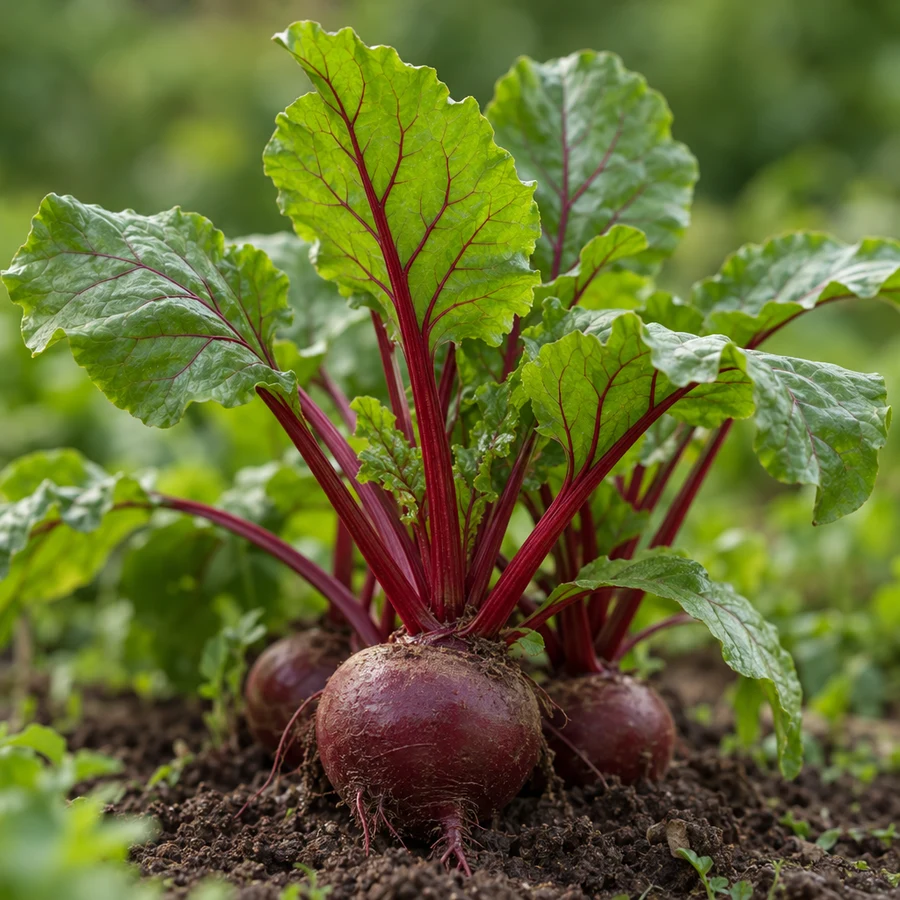
Beets are cool-season vegetables grown for their sweet, earthy roots and their tasty, nutritious tops. The roots come in deep red, gold, pink, white, and candy-striped. Pull a few leaves for the pan while the roots are still swelling underground; they cook up much like their cousin Swiss chard.
They're easy and quick to grow and handle light frost well. Loose, stone-free soil is the key to round, tender roots.
Recent community discussions
No one has talked about Beets yet. Be the first.
At a glance
| Plant type | Cool-season root and leafy vegetable |
| Botanical name | Beta vulgaris |
| Annual or perennial | Biennial, grown as an annual |
| Sun | Full sun to part shade |
| Water | About 1 inch per week, evenly |
| Spacing | 3 to 4 inches |
| Planting depth | 1/2 inch |
| Days to germinate | 5 to 14 |
| Days to maturity | About 50 to 70 |
| Best USDA zones | 2 to 10 as a seasonal crop |
| Soil pH | 6.0 to 7.5 |
From planting to harvest
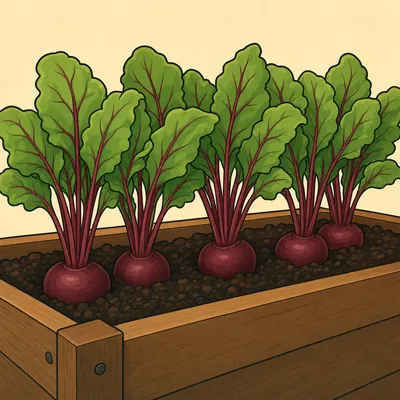
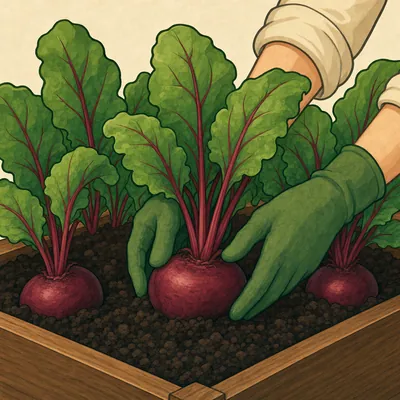
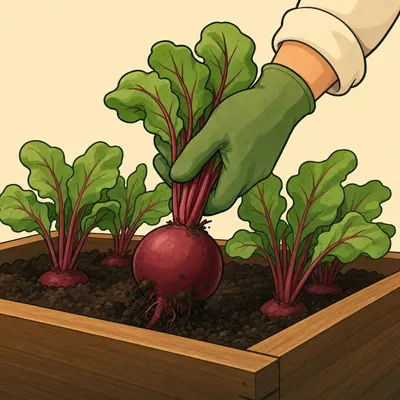
Is it beets weather where you are? See everything to plant this month or read your zone notes.

Sow outdoors 2–4 weeks before last frost. Successive sowings every 2–3 weeks until midsummer. In mild zones, fall planting possible.

50–70 days.

Zones 2–10, late spring?early summer depending on planting time.

Loose, sandy loam, pH 6.0–7.5. Avoid heavy clay; roots deform in rocky soils.
Pests to watch for


A little history
Beets descend from the wild sea beet of the Mediterranean and Atlantic coasts. People ate the greens first. The Romans ate mostly the leaves and used the roots as medicine. Swollen red roots are recorded in Italy by 1561, and the round red beet spread across Europe from there. Sugar beet, a close relative, later became a major source of sugar.
When to sow in your zone
Spring: Sow 2 to 4 weeks before the last frost, once the soil reaches about 50°F. In zone 5, where the last frost usually comes in early to mid May, that means a first sowing around mid to late April. Check your own frost dates on the zones page, or count back from your last frost. For a steady supply, start a fresh short row about every three weeks through spring, and stop once hot summer weather settles in, because beets that grow up in the heat turn out tough.
Fall: Sow 8 to 10 weeks before the first fall frost, because the roots sweeten in cool weather. In zones 8 to 10, keep sowing through fall and winter.
More on spring sowing in Sow Beets in Spring.
Growing it, step by step
From seed
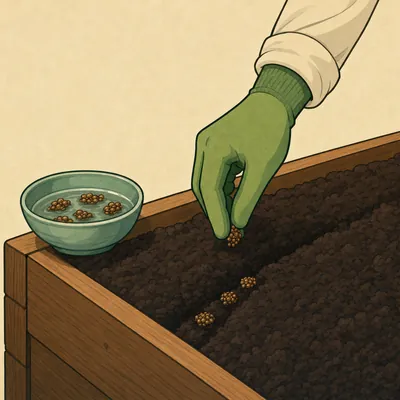
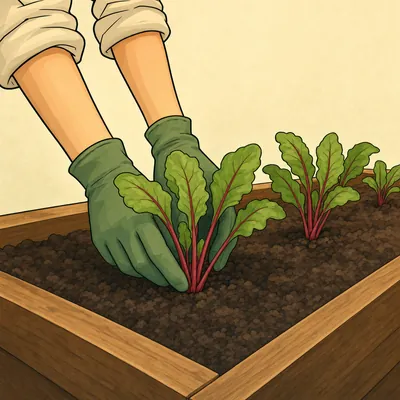
Each beet "seed" is really a cluster of several seeds, so expect several seedlings from each one. Soak the seed overnight to speed things up. Sow 1/2 inch deep and about an inch apart. When the seedlings are 3 inches tall, thin them to 3 to 4 inches by snipping the extras with scissors (see thinning seedlings). The thinnings are tasty greens.
Moving it outside
Beets do best direct sown.
Water
Keep the soil evenly moist, about an inch a week. Uneven watering makes the roots tough and woody.
Mulch
Once the seedlings are established, add a thin layer of straw or grass clippings.
Feeding
Work in compost before sowing. Avoid fresh manure and excess nitrogen, which grow leaves instead of roots.
Keeping it happy
Thin early and weed gently, because the roots are shallow. Keep the bed free of stones. Protect fall crops with row cover in hard freezes. In hot weather, roots turn tough, so time your sowings for cool seasons.
Trouble in the bed
Pests
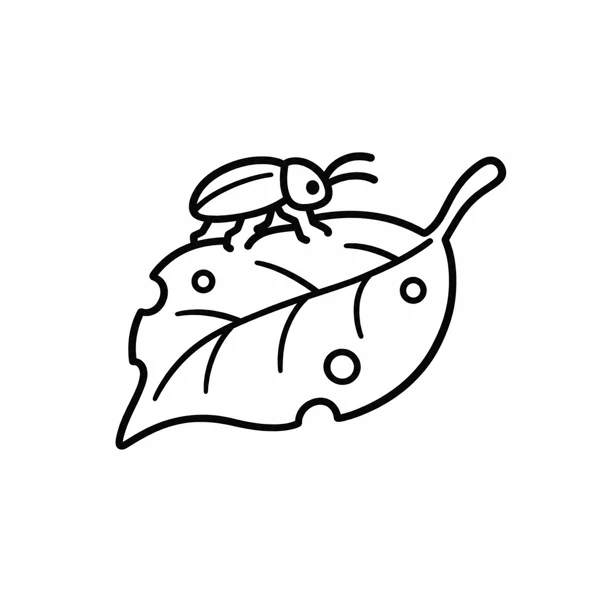
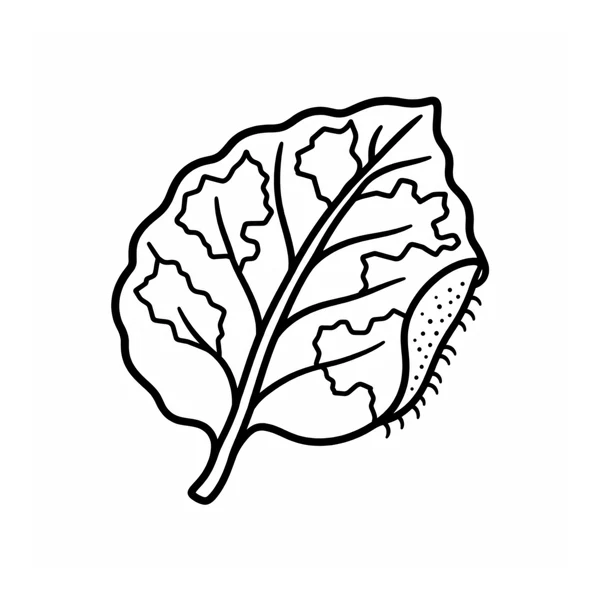
- Leaf miners: Remove affected leaves and use row cover.
- Flea beetles: Use row cover and keep plants watered.
- Aphids: Hose them off or use insecticidal soap.
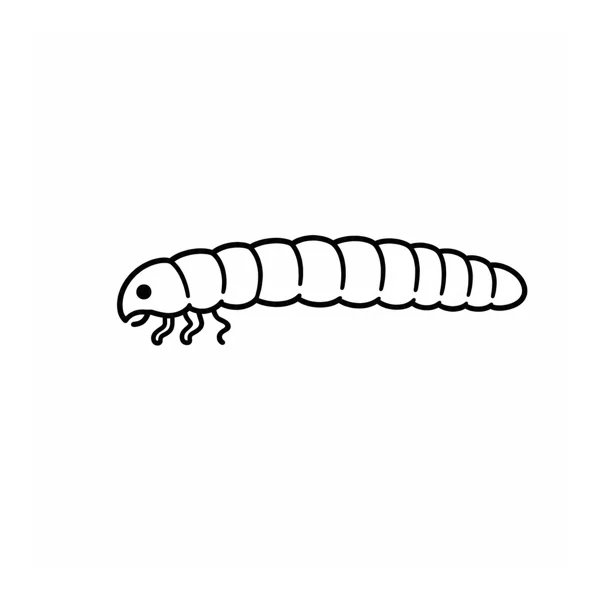
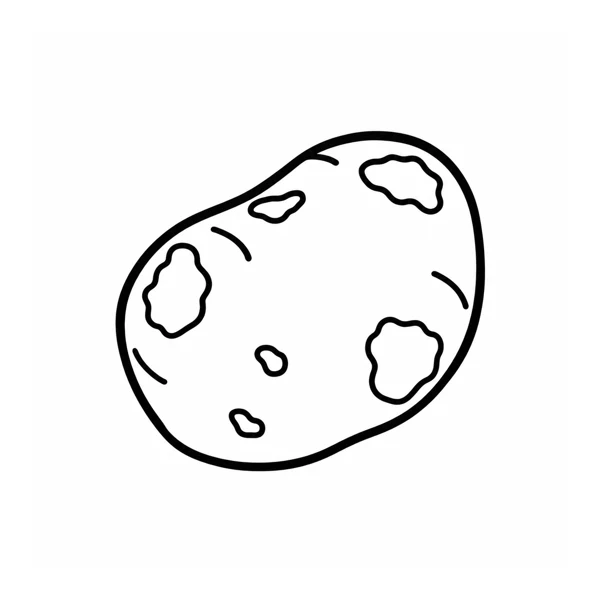
- Wireworms: Hard, shiny, yellow-brown larvae that bore holes and tunnels into the roots. They're worst in beds freshly dug out of lawn or sod. Bury chunks of potato or carrot a few inches deep as traps, dig them up every few days and destroy what you find, and rotate crops.
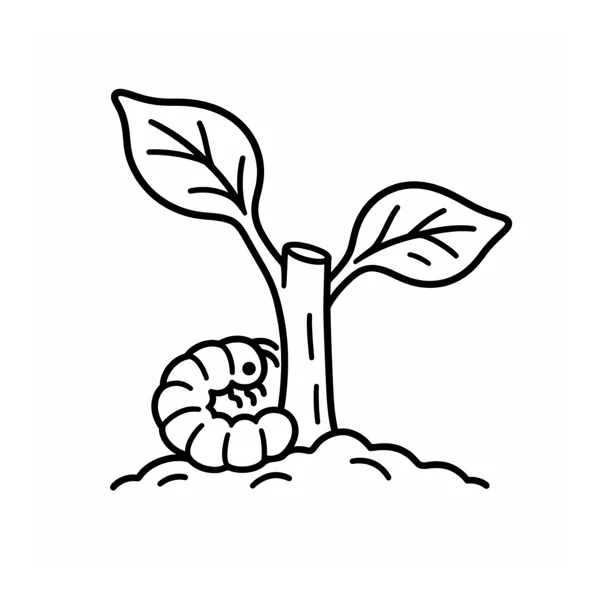
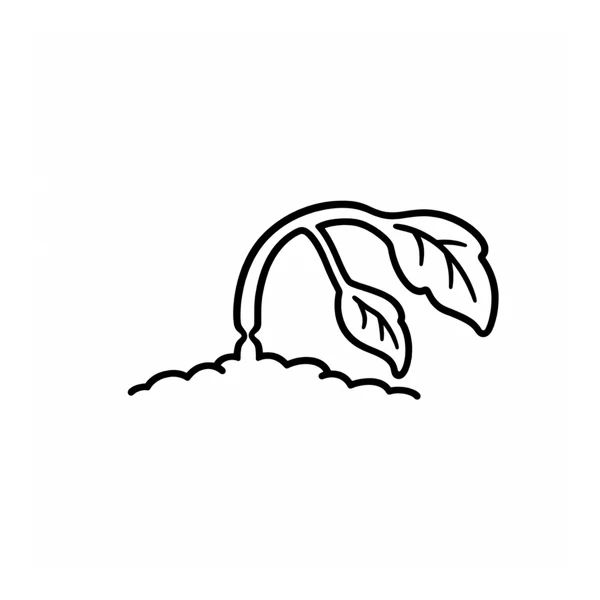
- Cutworms: Caterpillars that chew young seedlings off at the soil line overnight. Clear weeds from the bed a couple of weeks before sowing, and check with a flashlight after dark to pick them off.
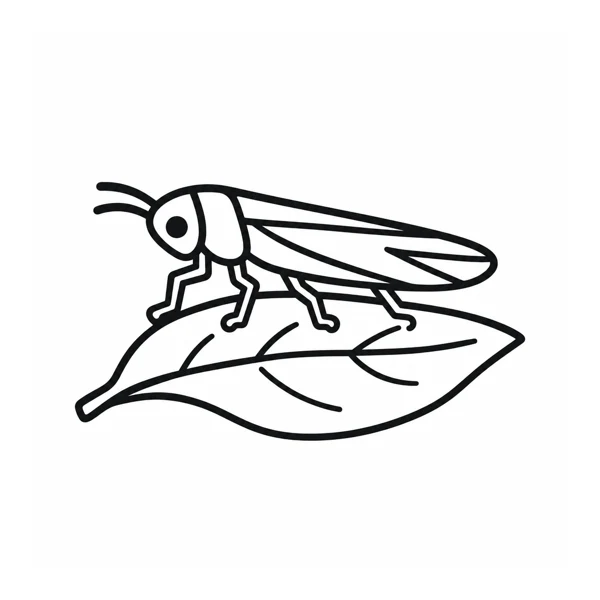
- Beet leafhoppers (curly top): These small, pale leafhoppers spread curly top virus, mostly in the dry West. Infected leaves curl, pucker, and yellow, and the roots stay small and misshapen. No spray cures it. Pull sick plants, keep weeds down, and cover young plants with fine netting. The leafhoppers favor open sun, so a spot with a little afternoon shade helps.
Diseases
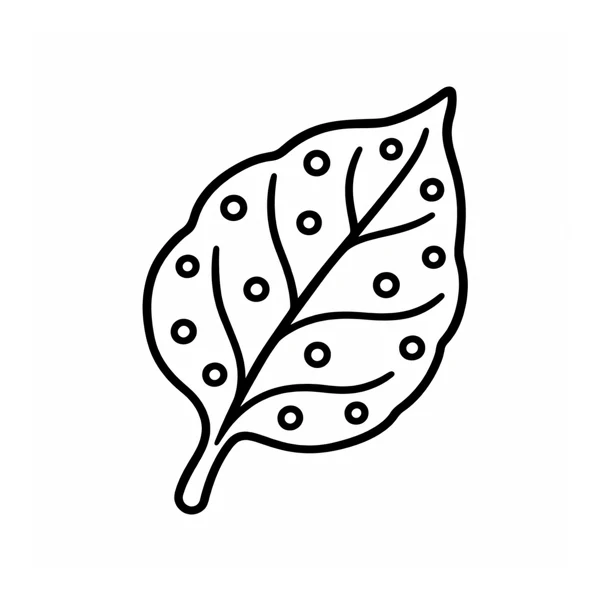
- Cercospora leaf spot: Rotate crops, water at the base, and remove infected leaves.
- Scab: Worse in neutral or alkaline soil. Keep the pH below 7.0 where scab is a problem, and keep the soil moist.
- Root rot: Avoid waterlogged soil.
- Damping-off: Seedlings rot before they come up or collapse at the soil line, mostly in cold, wet soil. Wait until the soil is near 50°F, don't sow too thickly, and let the surface dry a little between waterings.
- Downy mildew: Pale patches on young leaves with grayish fuzz underneath, in cool, damp weather. Give plants room for air to move, go easy on nitrogen, and pull badly affected plants.
Good neighbors




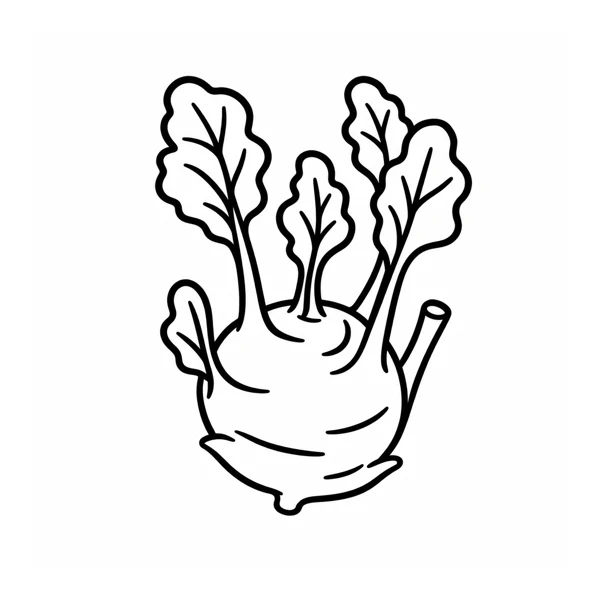



Good: Onions, garlic, lettuce, bush beans (green beans), kohlrabi, and cabbage-family crops such as broccoli, Brussels sprouts, and cabbage. Quick radishes sown in the same row mark it and are pulled long before the beets need the room.
Mixed reports: Carrots and spinach appear on some companion lists and on other "keep apart" lists. Spinach is a close relative that shares leaf miners with beets, so give it its own row, and give carrots enough space that the two roots aren't crowding each other.
Avoid: Pole beans, a traditional poor pairing.
Seeds that grow well in your area in November
Affiliate links — shopping through these helps keep Evening Vines free. Purple Coneflower
 Stinging Nettle
 Smooth Blue Aster
 Polka Dot Mix
Varieties worth growing
- Detroit Dark Red: A classic, reliable, deep red round beet. Seeds
- Early Wonder Tall Top: Fast, with strong tops for greens. Seeds
- Chioggia: An Italian heirloom with pink and white rings inside. Seeds
- Golden: A yellow beet with a mild flavor that doesn't bleed. Seeds
- Avalanche: A round white beet, mild and sweet with none of the earthy taste, and it doesn't stain.
- Cylindra: Long, cylinder-shaped roots that are handy for even slices. Seeds
- Bull's Blood: Deep burgundy leaves grown mostly for salad greens and color; the dark red roots are edible too, best pulled young. Seeds
Beets seeds to buy
Affiliate links — shopping through these helps keep Evening Vines free.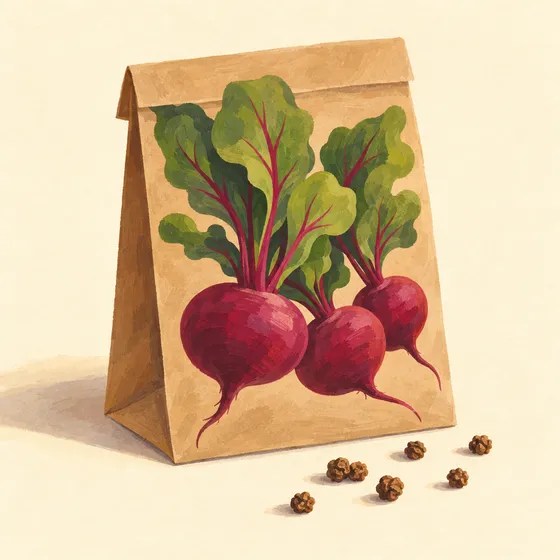 Detroit Dark Red
Picking notes
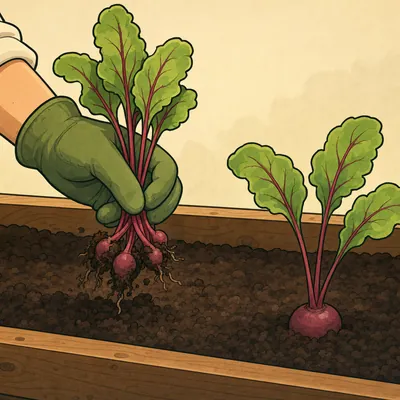
Start lifting when the shoulders showing above the soil are about the width of a golf ball, and try to have the row cleared before they pass tennis-ball size, since old, oversized beets go stringy. Spring sowings are usually ready in early to mid summer, fall sowings from fall into early winter, and in mild zones (8 to 10) a winter crop keeps coming until spring. In colder zones, see leaving root crops in the ground for stretching the fall harvest. Loosen the soil with a fork and pull from the base of the leaves. Twist off the tops, leaving an inch of stem so the roots don't bleed. You can also pick a few young leaves from each plant as you go. The roots keep for months in the fridge or somewhere cool and humid.
Saving seed for next year
Beets flower in their second year. In mild zones, overwinter healthy roots in the ground. Elsewhere, store them and replant in spring. Beets cross with chard by wind, so keep them well apart from other beets and chard. Collect the seed clusters when they're brown and dry.
From garden to table
Beets provide folate, manganese, potassium, and fiber. The greens are a good source of vitamins A, C, and K. Roast, boil, pickle, or grate the roots raw, and sauté the greens like chard. Pink urine after eating beets is harmless and is called beeturia.
Questions from the potting bench
Why are my beet roots small? Crowding, poor soil, or too much shade. Thin early and give them full sun.
Why do beets bolt? A few weeks below about 50°F, usually from sowing too early, followed by warm, long days can trigger flowering. Wait for the soil to warm and choose bolt-resistant types.
Can I eat the leaves? Yes. They taste like mild chard.
Grower reports
How did Beets do in your garden? Members rate it and say which zone and month they planted, so everyone can see what works near them.
Recent community discussions
No one has talked about Beets yet. Be the first.
Seeds to try
Affiliate links — shopping through these helps keep Evening Vines free.Essentials for Growing Beets
 Grow Bags
Breathable fabric pots: grow almost anything on a patio, balcony or driveway, and roots never circle.
See it →
 Garden Hand Tools
Trowel, transplanter and cultivator: the three tools you reach for most.
See it →
 Plant Labels
Waterproof markers so you know what's coming up where.
See it →
 Soaker Hose
Waters the roots slowly, not the leaves: less disease, less water, less work.
See it →
 Organic Fertilizer
Slow-release organic plant food for vegetable beds and containers.
See it →
 Watering Can
Long-spout can for gentle watering of seedlings and pots.
See it →
