
Moringa
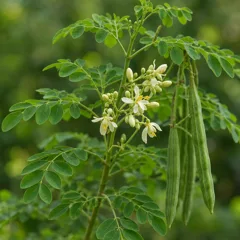
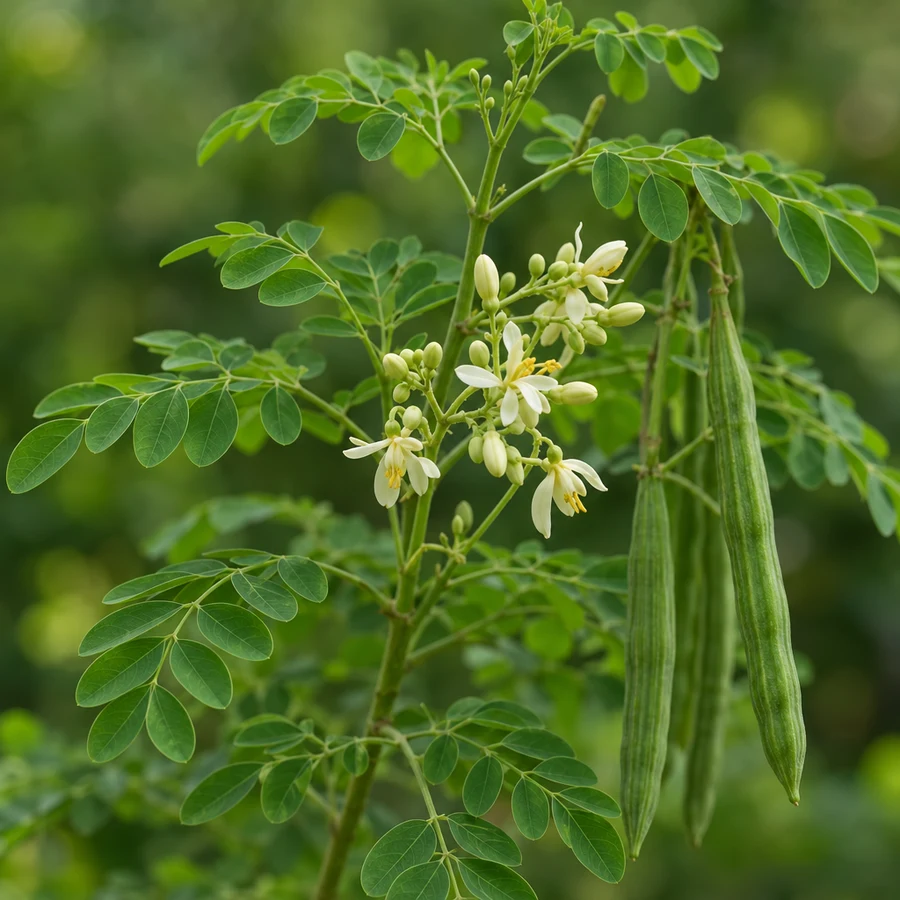
Moringa is a fast, slender tree with feathery leaves made of hundreds of small, round leaflets. In the tropics it's grown in backyards for food: the young leaves are cooked like spinach, the long green pods go into curries and soups, and the creamy white flowers are eaten too. One or two trees can keep a household in greens. It's often called the drumstick tree, for the shape of its pods, or the horseradish tree, because its roots smell sharp, like horseradish.
Left alone, a moringa can reach 30 feet or more, but home growers cut it back hard and often to keep it as a leafy shrub within reach. It loves heat, sun and well-drained soil, and it hates cold, shade and wet feet. Where winters freeze, it's still worth growing from seed as a summer crop of greens or in a big pot that comes indoors.
Recent community discussions
No one has talked about Moringa yet. Be the first.
At a glance
| Plant type | Tropical tree grown for its leaves, pods and flowers |
| Botanical name | Moringa oleifera |
| Annual or perennial | Perennial tree where it doesn't freeze; grown as a summer leaf crop or a potted plant elsewhere |
| Sun | Full sun, 8 hours or more |
| Water | Moderate; drought tolerant once settled, but leafs up best with regular water. Never waterlogged |
| Spacing | 2 to 3 feet for a hedge cut for leaves; 8 to 10 feet apart for trees grown for pods |
| Planting depth | 1/2 to 1 inch for seed |
| Days to germinate | 7 to 14 in warm soil |
| Days to maturity | First leaves to pick in about 2 to 3 months; pods in 6 months to a year, depending on type |
| Best USDA zones | 10 to 11 outdoors year-round (9b with dieback in a freeze); any zone in a pot or as a summer crop |
| Soil pH | 6.3 to 7.0 is ideal (tolerates about 5 to 9 if well drained) |
Is it moringa weather where you are? See everything to plant this month or read your zone notes.
Pests to watch for



Diseases

A little history
Moringa comes from northern India, in the lowlands along the foot of the Himalayas, and it has been used for food, oil and medicine across South Asia for a very long time. Its seed oil, called ben oil, is clear, mild and slow to go rancid, which is why the tree is sometimes called the ben tree. The tree traveled with people across the tropics, and today it grows in backyards from Africa and the Caribbean to the Philippines, where it's known as malunggay. India is still the biggest grower, producing over a million tons of pods a year, most of it in Tamil Nadu, Andhra Pradesh and Karnataka.
When to sow in your zone
Moringa is frost tender, so timing comes down to warmth. It loves heat, slows right down in cool weather, and can't take a freeze.
Spring to early summer (zones 10 and 11): Sow seed or set out young trees once the soil is warm, from late winter or spring into early summer. That gives a young tree the hot months to root and grow before the cooler, darker part of the year slows it down.
Zone 9: Start seed indoors 4 to 6 weeks before your last frost, or sow outdoors once the frost is behind you and the soil warms, into early summer. Set young plants out once nights stay above about 55°F. The tree will grow fast all summer. A frost will burn the new growth, and a hard freeze can kill it to the ground, but an established tree often sprouts again from the base in spring. Mulch the base well before winter.
Colder zones (UK, Ireland, Canada, the temperate south of Australia and most of the US): Moringa isn't a garden plant here, so our planting calendar doesn't list it, but you can grow it in a pot. Start seed indoors 4 to 6 weeks before your last frost, in a deep pot. Move it outside only when nights stay above about 55°F, and pick leaves all summer. Before the first frost, either harvest the whole plant or bring the pot indoors to a bright window or a heated greenhouse.
Growing it, step by step
Getting seed going
Soak seed in water overnight, then sow it 1/2 to 1 inch deep in a light, free-draining mix. Keep it warm, ideally 75 to 85°F, and just moist, not soggy. Good seed sprouts in 1 to 2 weeks. Moringa forms a long taproot quickly, so use a deep pot and move seedlings on early, at about 12 inches tall.
From a cutting
Moringa also roots from cuttings of hard, mature wood, about 3 feet long and at least 1 1/2 inches thick. Push them into sandy soil or a gritty mix in warm weather. A cutting gives a copy of a tree you know is good, but it makes a shallower root than a seedling, so seed-grown trees stand up better to wind.
Picking the spot
Choose the sunniest, warmest place you have, sheltered from strong wind, since the wood is soft and brittle. Drainage matters more than richness. In heavy clay, plant on a mound or in a raised bed so water never sits around the roots.
Water
Water young plants regularly until they're growing strongly. Established trees can ride out long dry spells, but they drop leaves and stop producing, so water during droughts if you want greens. Let the top inch or two of soil dry between waterings, especially in pots.
Feeding
Mix compost or well-rotted manure into the planting hole. After that, a dressing of compost or a balanced organic feed in spring and again after each hard cut keeps the new growth coming. Too much nitrogen gives soft, pest-prone growth.
In a pot
Use a large, deep container, at least 15 to 20 gallons for a tree you plan to keep, with plenty of drainage holes. Cut it back often so it stays a manageable size. Indoors in winter it needs your brightest window or a grow light, and it will slow down and may drop leaves until spring.
Keeping it happy
Pinch out the growing tip when a seedling reaches about 2 1/2 to 3 feet, or about 2 months after planting. This makes it branch out instead of shooting straight up. After that, keep cutting. Growers cut leaf trees back to about 2 feet tall, and the trunk sprouts a bushy crown of fresh leafy shoots that are ready to pick again in a few weeks. Trees kept for pods are cut back less often, about once a year after fruiting, to 3 to 6 feet. Moringa grows back fast, so don't be shy with the pruners. Remove suckers and crossing branches as you go.
Trouble in the bed
Moringa has few serious problems, and a healthy tree outgrows most damage.
- Mites: The most common pest, worst in hot, dry weather. Leaves look speckled or bronzed. Hose them off and use insecticidal soap or horticultural oil.
- Aphids: Cluster on soft new shoots. Spray them off with water or use insecticidal soap.
- Caterpillars: Chew the leaflets, and hairy caterpillars can strip a tree in hot, humid weather. Hand-pick them, or use a Bt spray made for caterpillars.
- Borers: Can tunnel into the trunk of older trees. Keep trees strong and cut out badly damaged wood.
- Root rot and damping-off: Come from wet, heavy soil. Use free-draining soil and don't overwater seedlings.
Good neighbors


Grows happily beside: Heat lovers that share its sunny, well-drained bed, such as Okra, Peppers, Eggplant, Sweet Potatoes and Lemongrass. In tropical gardens, moringa is often planted with Pumpkins and other vegetables underneath, because its open, feathery canopy lets plenty of light through. A moringa kept tall can give light afternoon shade to Ginger and Turmeric.
Give these a bed of their own: Plants that need constantly wet soil, and cool-season crops that bolt in the heat moringa loves. Keep it a little away from the vegetable bed's north side too, since a tall tree will shade its neighbors.
Seeds that grow well in your area in November
Affiliate links — shopping through these helps keep Evening Vines free. Arugula Microgreens
 Organic Alfalfa
 Organic Wheatgrass
 Purple Coneflower
Varieties worth growing
Most moringa sold to home gardeners is simply labeled Moringa oleifera, grown from seed. A few named types are sold too.
- PKM-1: An early, dwarf type bred in Tamil Nadu, India, for pods. It flowers and sets long pods within about 6 months of sowing, so it's the best choice where summers are short or you grow it as an annual. Seeds
- PKM-2: A later release from the same Tamil Nadu university, also early, with very long pods. Suits hot summers, and like PKM-1 it can be grown as an annual.
- Jaffna: A perennial type named for Jaffna in Sri Lanka, known for long, soft, tasty pods. Grows as a full tree where winters are frost free.
- Common seedling moringa: The everyday backyard tree. Good for leaves anywhere it's warm, and the usual choice for pots.
Seedlings vary a lot, because moringa crosses readily. If you find a tree you love, grow more of it from cuttings.
Moringa seeds to buy
Affiliate links — shopping through these helps keep Evening Vines free.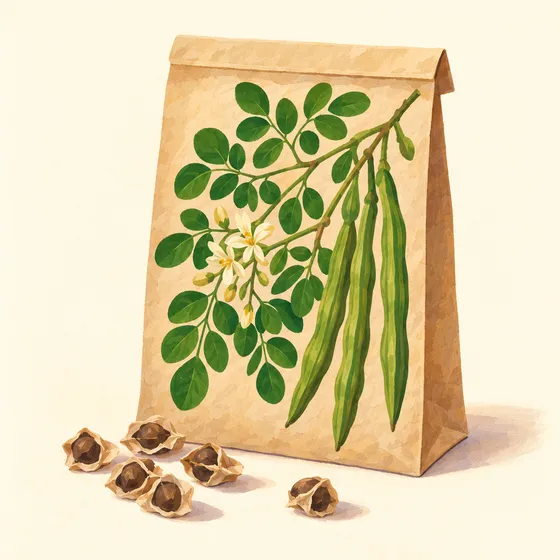 PKM-1
Picking notes
Pick leaves by snipping off whole young stems, then strip the leaflets off at the kitchen table. The soft tips are the most tender. In warm weather a cut-back tree is ready to pick again every few weeks. Pick pods young, when they're still thin and snap easily, about the size of a green bean, if you want to eat them whole. Larger pods are fibrous: cut them into short lengths and cook them in soups and curries, then scrape out the soft flesh and seeds as you eat. Flowers can be picked by the cluster. Leaves wilt quickly, so pick them just before cooking or keep them in a bag in the fridge for a day or two.
Saving seed for next year
Leave some pods on the tree until they turn brown and dry and begin to split. Each holds up to about 20 round seeds, each with three papery wings. Shell them, dry them well, and store them cool and dry. Because moringa cross-pollinates readily, seed from a tree growing near other moringa may give plants that differ from the parent. Seed loses vigor with age, so sow fresh seed when you can.
From garden to table
The leaves are rich in vitamin A, vitamin C, calcium and potassium, and their protein contains all the essential amino acids, which is unusual for a leafy green. Cook young leaves like spinach in soups, stews, curries, dal and stir-fries. Young pods are cooked like green beans, older pods go into curries, and the flowers are sautéed or used in tea. Dried leaves can be ground into a powder to stir into food. Pressed seed gives a mild, long-lasting oil.
Eat the leaves, pods and flowers only. The roots and bark contain a toxic alkaloid and are not safe to eat, even though the roots smell like horseradish. The root, bark and flowers may bring on contractions, so people who are pregnant should avoid moringa beyond ordinary food amounts of leaves and pods, and those breastfeeding should check with a doctor before taking supplements. Moringa may lower blood sugar and blood pressure and affect some thyroid and other medicines, so anyone on medication should ask a doctor before taking moringa supplements.
Questions from the potting bench
Can I grow moringa where it snows? Yes, as a summer crop or a potted tree. Start it indoors in spring, grow it outside in the heat, and bring it in or harvest it all before frost.
Why is my moringa so tall and thin? It hasn't been pinched or cut back. Cut it down to 2 to 3 feet and it will branch into a bushy, leafy shrub.
My tree froze. Is it dead? Not always. Established trees often regrow from the trunk or roots. Wait until warm weather returns before you dig it out.
Why are the leaves dropping? Cold, low light, drought or soggy soil. Moringa drops leaves easily when it's unhappy and leafs out again once it's warm, sunny and evenly watered.
Grower reports
How did Moringa do in your garden? Members rate it and say which zone and month they planted, so everyone can see what works near them.
Recent community discussions
No one has talked about Moringa yet. Be the first.
Seeds to try
Affiliate links — shopping through these helps keep Evening Vines free.Essentials for Growing Moringa
 Grow Bags
Breathable fabric pots: grow almost anything on a patio, balcony or driveway, and roots never circle.
See it →
 Seed Starting Tray
Reusable tray with a clear dome to give seeds a warm, humid start indoors.
See it →
 LED Grow Light
Full-spectrum light for sturdy seedlings through short winter days.
See it →
 Pruning Shears
Sharp bypass pruners for harvesting, deadheading and tidying.
See it →
 Watering Can
Long-spout can for gentle watering of seedlings and pots.
See it →
 Organic Fertilizer
Slow-release organic plant food for vegetable beds and containers.
See it →
