
Saskatoon
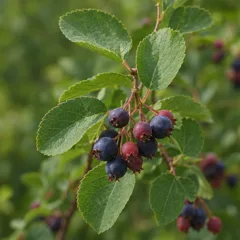
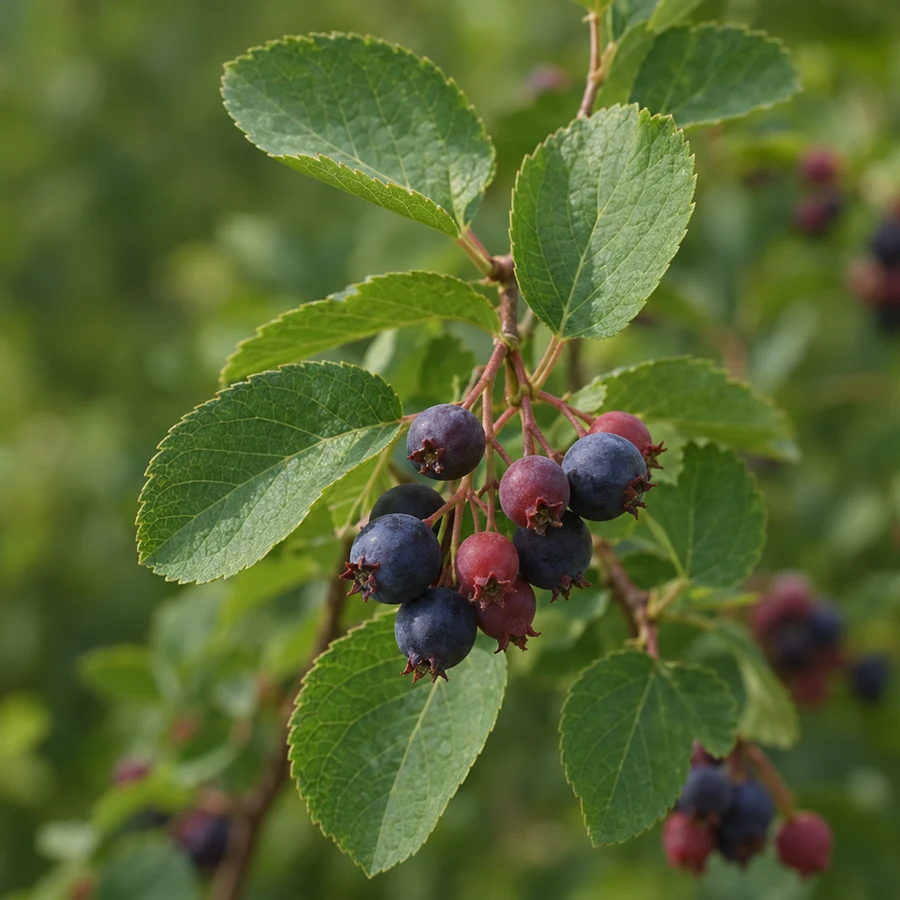
Saskatoons look like blueberries but grow on a tough, upright shrub that shrugs off winters most fruit can't survive. The berries turn from red to deep purple-blue and taste sweet and mild, with a soft almond note from the small seeds. Unlike blueberries, saskatoons don't need acid soil, so they're an easy berry for gardens on neutral ground.
The plant is native to western North America, from the Prairies and the Yukon south through the Rockies and the Pacific Northwest. It's sold under several names. In Canada it's the saskatoon. In the US it's often called juneberry or serviceberry, though those names also cover other Amelanchier species grown mainly for their flowers. One bush is enough, as saskatoons are self-fertile. They live for 30 years or more.
It's a lovely garden shrub too, with white flowers in spring and yellow to orange leaves in fall.
Recent community discussions
No one has talked about Saskatoon yet. Be the first.
At a glance
| Plant type | Fruit shrub (small tree if left unpruned) |
| Botanical name | Amelanchier alnifolia |
| Annual or perennial | Deciduous perennial |
| Sun | Full sun for the best crop; takes part shade with less fruit |
| Water | About 1 inch per week the first year; deep soakings in dry spells after that |
| Spacing | 3 to 5 feet apart in a hedge row, rows 13 to 20 feet apart; single bushes 6 to 12 feet apart |
| Planting depth | 1 to 2 inches deeper than in the nursery pot, to encourage several stems |
| Days to germinate | Not usually grown from seed; start from a named nursery plant |
| Days to maturity | 3 to 5 years to first fruit; good crops at 6 to 8 years |
| Best USDA zones | 2 to 7 (to zone 9 in cool, maritime climates like the Pacific Northwest) |
| Soil pH | 6.0 to 7.0; copes with about 5.5 to 7.5 |
Is it saskatoon weather where you are? See everything to plant this month or read your zone notes.
Pests to watch for

Diseases


A little history
Saskatoons were one of the most important wild fruits for the Cree, Blackfoot and other Indigenous peoples of the Plains. Dried berries were pounded with dried meat and fat to make pemmican, which kept for months and fed fur traders as well. The name comes from the Cree word for the berry, misâskwatômina. The city of Saskatoon, founded in 1883, took its name from the same word. For a long time almost all the fruit was picked from the wild. Prairie growers began planting commercial orchards in the late 20th century, using varieties selected from wild plants, and most of the varieties sold to gardeners today come from that work.
When to sow in your zone
Saskatoons go in as young plants, not seeds, and they're planted while dormant or just waking up.
Early spring (all zones): Plant bare-root or potted saskatoons from about six weeks before your last frost up to the last frost date, as soon as the ground can be worked. This is the main planting time on the Prairies, in the northern US and in most of Canada. Potted plants can go in a little later, but get them settled before summer heat.
Fall (milder zones): In zones 6 and 7 you can also plant dormant saskatoons in mid to late fall, while the soil is still workable. In zones 8 and 9, including the UK, Ireland, the BC coast and the cool, high parts of southern Australia, dormant plants can go in any time from mid-fall through winter when the ground isn't frozen or waterlogged. In the UK and Ireland, bare-root plants are sold from November to March.
Climate note: Saskatoons need a real winter and fairly cool summers. They do poorly in hot, humid places like the Gulf Coast and Florida, and in subtropical Australia. If that's you, see the note in Varieties about the eastern serviceberries native to the southern US.
Growing it, step by step
Choosing a Plant
Buy a named variety from a nursery. Seedlings vary a lot in fruit size, flavor and yield. Many nursery plants are grown from tissue culture or cuttings, so they match the parent. A healthy plant with a good root system settles in much faster than a small, thin one.
Picking the Spot
Give saskatoons full sun and soil that drains well. Loam and sandy soils suit them best; heavy clay that stays wet invites root rot, so plant on a low mound or raised bed if your soil is like that. Because they bloom early, keep them out of frost pockets at the bottom of slopes, where cold air settles on spring nights. If you can, plant well away from junipers and red cedars, which carry a rust disease that moves between the two plants.
Planting
Dig a hole as deep as the root ball and about twice as wide. Set the plant 1 to 2 inches deeper than it sat in the pot, which helps it grow several strong stems from the base. Backfill, firm the soil, and water well. Keep grass at least 3 feet back from young plants, since grass competes hard for water.
Growing in a Pot
Compact varieties like Regent can grow in a large container, around 20 inches wide or bigger, in a soil-based potting mix. A potted saskatoon dries out quickly in summer and the roots are more exposed in winter, so the ground is the better long-term home in cold zones.
Water
Water about twice a week for the first few weeks, then deeply about once a week through the first summer. Once settled, saskatoons handle dry spells, but steady moisture from bloom to harvest gives bigger, juicier berries. Water at the base rather than over the leaves, which helps keep leaf spot away.
Mulch
Spread 2 to 3 inches of wood chips or bark over the root zone. It holds moisture, keeps grass down and stops soil splashing onto the leaves. Keep it a few inches from the stems.
Feeding
Saskatoons don't need much. A light feeding of a balanced fertilizer in early spring, as the buds start to swell, is plenty if growth looks weak. Too much nitrogen gives soft growth that's more prone to disease.
Keeping it happy
Prune while the plant is dormant, in late winter or early spring, after the worst cold and before the buds break. For the first three years, take out only weak, broken or crossing branches. After that, remove a few of the oldest, thickest stems at ground level each year, about a third of the old wood, so new stems keep coming. Keep the bush to a height you can pick and net, around 6 to 7 feet. An old, worn-out bush can be cut almost to the ground and will regrow.
Some varieties sucker freely and slowly spread into a thicket. That's handy for a hedge row; in a small garden, pull or cut unwanted suckers and choose a low-suckering variety.
Trouble in the bed
- Birds: The biggest threat to the crop. Robins and waxwings can strip a bush in days. Net the bushes as the berries start to color.
- Saskatoon-juniper rust: Orange spots and spiky growths on leaves and berries in late spring. The fungus spends part of its life on junipers. Plant away from junipers, pick off infected fruit, and keep air moving through the bush.
- Entomosporium leaf and berry spot: Small brown spots on leaves, sometimes with a yellow ring, and spotted, cracked berries. Rake up fallen leaves in fall, prune for an open bush, and avoid wetting the foliage.
- Powdery mildew: White dust on leaves and shoots, mostly in warm, humid weather. Prune out infected tips and give the plant room.
- Fire blight: Shoots wilt and turn black as if scorched, bending into a shepherd's crook. Saskatoons are in the rose family with apples and pears and share this disease. Cut out infected shoots well below the damage in dry weather, and wipe your pruners between cuts.
- Insects: Saskatoon sawfly larvae and the saskatoon bud moth eat flowers and young fruit, woolly aphids curl the leaves, and plant bugs feed on developing berries. In a home garden, damage is usually light. A dormant oil spray before bud break helps with overwintering pests.
- Deer and rabbits: Deer browse the shoots and rabbits chew bark in winter. Fence or wrap young plants.
A safety note: like apple and cherry seeds, saskatoon seeds contain small amounts of compounds that can release cyanide. The ripe berries, eaten whole, are a long-standing food and are safe. The leaves and twigs can be harmful to livestock that browse heavily on them, so don't let goats or cattle graze a hedge of them.
Good neighbors


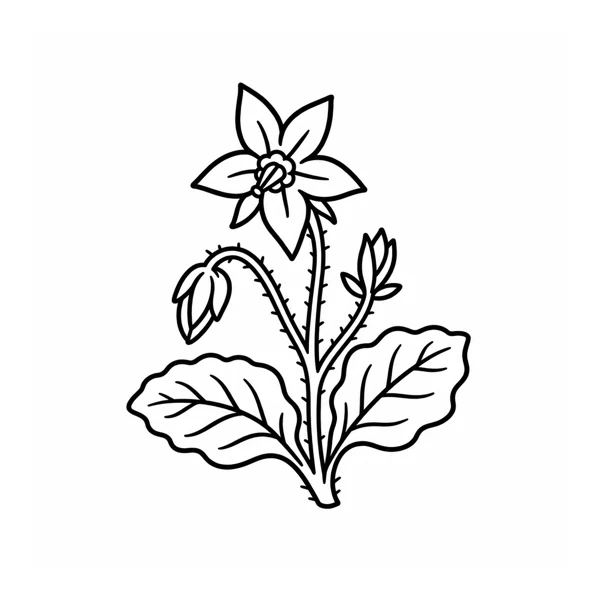
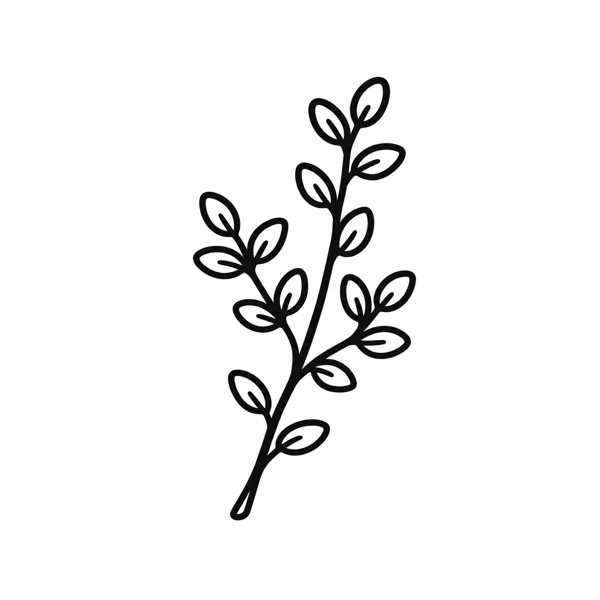

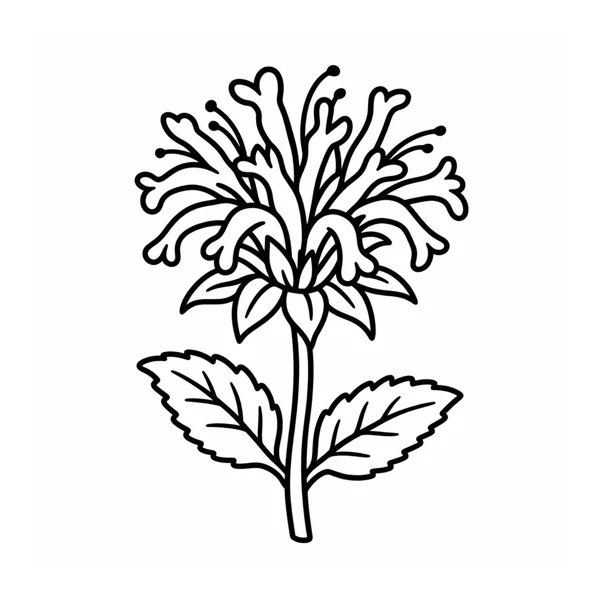

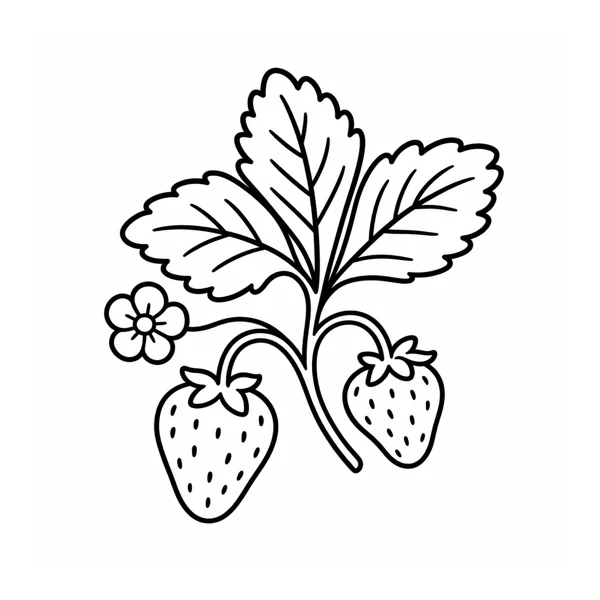
Good: Low flowers that bring in bees and other helpful insects, planted at the edge of the root zone, like chives, alyssum, calendula, borage and thyme. Prairie natives like echinacea, wild bergamot and black-eyed Susans suit the same sunny, well-drained ground. Saskatoons also fit into a cold-climate fruit garden alongside strawberries, cherries and plums.
Avoid: Junipers and red cedars nearby, which carry rust, and lawn grass right up to the stems. If fire blight is a problem in your area, don't crowd saskatoons right next to apples and pears, which can pass it back and forth.
Seeds that grow well in your area in November
Affiliate links — shopping through these helps keep Evening Vines free. Smooth Blue Aster
 Polka Dot Mix
 Black-Eyed SusanSeeds
 ColumbineSeeds
Varieties worth growing
Cold winters and short seasons (zones 2 to 5, the Prairies, the northern US):
- Smoky: The classic Prairie variety and long the most widely planted. Large, sweet, mild berries with a strong almond flavor and heavy crops. Suckers freely, so it suits hedge rows.
- Northline: Very productive, with large berries that ripen fairly evenly, often within three years of planting. The most common commercial variety in Canada. Suckers freely.
- Thiessen: Large berries with some of the best flavor. Ripens over a long stretch, which is handy at home. A big bush, up to about 15 feet if unpruned.
- Honeywood: A late bloomer, which helps it miss spring frosts. Large, juicy berries with few seeds, and heavy crops within three or four years.
- Martin: A seedling of Thiessen, with very large berries that ripen evenly.
- JB-30: Very large, sweet, mild berries on a fairly compact bush that suckers little.
Small gardens:
- Pembina: Productive, fairly upright and slow to sucker, so it stays tidy in a smaller space.
- Regent: The smallest of the fruiting types, usually 4 to 6 feet tall. Good for small yards and large pots, though the berries are small.
Cool, mild summers (UK, Ireland, Pacific Northwest, cool parts of southern Australia):
- Northline, Smoky and Honeywood: All three are sold in the UK and Ireland for fruit and are fully hardy there. They grow well in the cool summers, but birds and squirrels take a lot of the crop, so plan to net.
- Obelisk: A narrow, upright saskatoon about 4 to 5 feet wide, sold mainly as an ornamental for small gardens. It does fruit, but less heavily than the varieties above.
Hot or humid areas (the southern US, subtropical Australia): No saskatoon variety is bred for heat and humidity. In the eastern and southern US, downy serviceberry (Amelanchier arborea), a native small tree, gives a smaller crop of similar berries and copes better with warm summers.
Picking notes
Saskatoons ripen in early summer. In most of the US that's late June into July, on the Prairies mid to late July, in the UK and Ireland June to July, and in the cool parts of southern Australia around December and January. Pick when the berries have turned from red to a deep purple-blue and taste sweet; red berries are still sour. Some varieties ripen almost all at once, while others ripen over a few weeks and need several pickings. Wait until about two-thirds of the bush is ripe, then pick in the cool of the morning and chill the berries right away. A grown bush can give up to about 10 pounds in a good year. Berries keep about a week in the fridge and freeze very well spread on a tray before bagging.
Saving seed for next year
Possible, but not the best way to get good fruit. Seedlings vary, and some won't match the parent. To try it, mash ripe berries, rinse the pulp away, and dry the seeds. Sow them outdoors in fall so winter's cold breaks their dormancy, and expect sprouts the next spring. To keep a variety you like, dig and replant a rooted sucker in early spring instead.
From garden to table
Saskatoons are a good source of fiber, manganese and riboflavin, with a nutrient profile much like blueberries, including the dark-skin antioxidants found in other blue berries. Eat them fresh, or bake them into pies, crumbles and muffins, cook them down into jam, syrup and fruit leather, or dry them like raisins. Their mild sweetness pairs well with something tart, like rhubarb or a squeeze of lemon. Saskatoon pie is a Prairie classic.
Questions from the potting bench
Do I need two saskatoon bushes? No. Saskatoons are self-fertile, so one bush will fruit on its own. Planting a few does tend to give heavier crops.
Is a saskatoon the same as a serviceberry or juneberry? Saskatoon is one kind of serviceberry, Amelanchier alnifolia. Serviceberry and juneberry also cover other species, many sold mostly for spring flowers. For the biggest, best-tasting berries, choose a named saskatoon variety.
Why did my saskatoon flower but not fruit? Usually a late frost killed the blooms, or birds got the berries before you did. A young plant may also need another year or two to start cropping.
Can I grow saskatoons in the UK or Ireland? Yes. They're fully hardy and grow well in cool summers. Choose a fruiting variety like Northline or Smoky, give it sun, and net it as the berries color.
Do saskatoons need acid soil like blueberries? No. They do best in slightly acid to neutral soil but handle mildly alkaline soil too, which makes them easier than blueberries in many gardens.
Grower reports
How did Saskatoon do in your garden? Members rate it and say which zone and month they planted, so everyone can see what works near them.
Recent community discussions
No one has talked about Saskatoon yet. Be the first.
Essentials for Growing Saskatoon
 Grow Bags
Breathable fabric pots: grow almost anything on a patio, balcony or driveway, and roots never circle.
See it →
 Organic Fertilizer
Slow-release organic plant food for vegetable beds and containers.
See it →
 Pruning Shears
Sharp bypass pruners for harvesting, deadheading and tidying.
See it →
 Insect Netting
Fine mesh that keeps cabbage worms, flea beetles and birds off your crops, no sprays needed.
See it →
 Soaker Hose
Waters the roots slowly, not the leaves: less disease, less water, less work.
See it →
 Garden Hand Tools
Trowel, transplanter and cultivator: the three tools you reach for most.
See it →
