 Rust
At a glance
| Type | Fungus (many different rust fungi) |
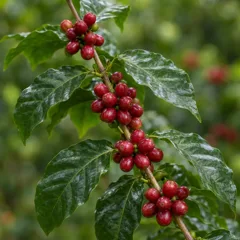
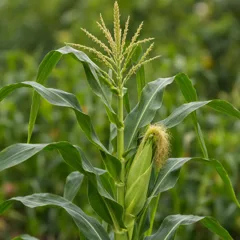
| Main cause | Puccinia and related rust fungi; each kind usually attacks only one plant or plant group (e.g. Puccinia malvacearum on hollyhocks, Puccinia sorghi on corn, Hemileia vastatrix on coffee) |
| Worst conditions | Mild to warm, humid weather with leaves staying wet from dew, rain or sprinklers, and crowded plants |
Recent community discussions
No one has talked about Rust yet. Be the first.
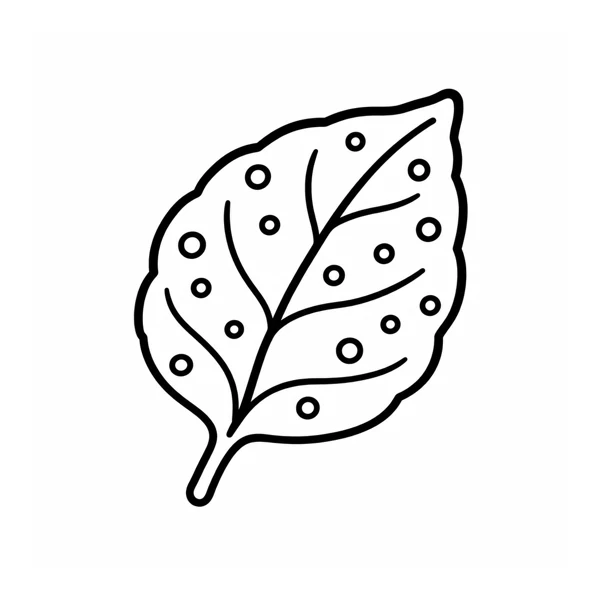
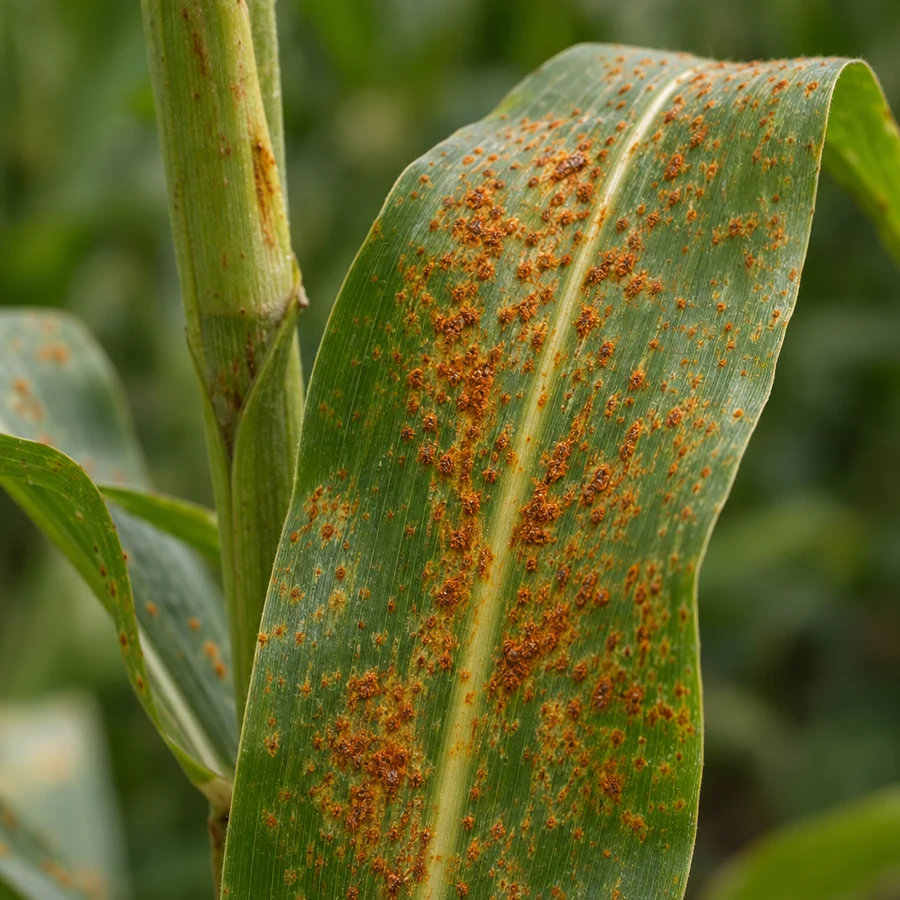
Rust is named for the powdery orange, rusty-brown or yellow spots it leaves on leaves. There are thousands of rust fungi, and most stick to one kind of plant, so rust on hollyhocks won't spread to your mint. Even mint rust and oregano rust are separate strains that don't cross over. Most rusts weaken plants rather than kill them, but bad years can strip leaves and cut harvests.
Signs
- Small yellow or pale spots on the tops of leaves.
- Raised, powdery pustules underneath (or on both sides): orange, rusty brown, yellow or nearly black.
- The powder rubs off on your finger like rust.
- Leaves yellow, curl, dry out and drop early; lower leaves usually go first.
- Pustules can also show on stems, leaf stalks and husks (corn).
- In bad cases leaves look lacy and plants are stunted.
Cause and Spread
Rust fungi make huge numbers of spores that blow on the wind, sometimes long distances, and splash in rain and sprinkler water. They need a film of water on the leaf for a few hours to infect. Many spend the winter on old infected leaves and stems, on living plants, or on related weeds (mallow weeds, for example, carry hollyhock rust). Some rusts, like corn rust, blow in from warmer regions each summer. Aster rust moves back and forth between asters and nearby pines.
Prevention
- Choose resistant varieties where they exist (common for snapdragons, sunflowers, corn and coffee).
- Space plants well and thin crowded clumps of mint, chives and herbs for air flow.
- Water the soil, not the leaves, and water in the morning so leaves dry fast.
- Clear away infected leaves and stems in fall and throw them out; cut hollyhocks and perennials back to the ground.
- Pull common mallow weeds near hollyhocks.
- Check new plants, cuttings and plugs for pustules before buying or planting them.
Organic Treatment
- Pick off spotted leaves as soon as you see them and throw them in the trash, not the compost.
- Cut mint, chives and other perennial herbs right down after a bad attack; clean new growth usually follows.
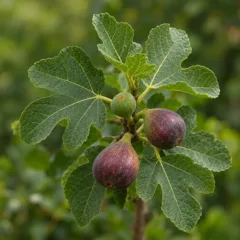
- Figs: rake up every fallen leaf in fall and get it out of the garden. Very few home-garden fungicides, if any, list figs on the label. Some extension offices suggest a neutral copper spray early in the season, so read the label and ask your local extension office before you spray.
- Sulfur sprays can protect healthy leaves of many ornamentals if started early, but won't cure existing spots. Skip sulfur when it's above 85°F, or when the forecast says it will pass 85°F in the next three days, since hot weather makes it scorch leaves. Some labels set the limit at 90°F, so read yours first.
- In a rainy summer, expect some rust whatever you do. Tidy habits keep it to a few spotted leaves instead of a bare plant.
When to Pull the Plant
You usually don't need to. Pull and throw out an annual only if most of its leaves are covered and it has stopped growing. For perennials, cut them to the ground in fall instead.
Sources
- Hollyhocks: University of Wisconsin Plant Disease Diagnostics Clinic, Hollyhock Rust
- Hollyhocks: Iowa State University Extension, Hollyhock Rust
- Hollyhocks: Washington State University HortSense, Hollyhock: Rust
- Hollyhocks: Colorado State University Extension PlantTalk, Hollyhock Rust
- Aster: University of Minnesota Extension, Aster leaf spots (rust)
- Aster: UMass Extension, Pine needle rust (Coleosporium, alternate host aster)
- Barley: Oklahoma State University Extension, Identifying Rust Diseases of Wheat and Barley
- Barley: Purdue Extension BP-79-W, Rust diseases of wheat and barley
- Chives: RHS, Allium rust
- Coffee: Hawaii Department of Agriculture, New Pest Advisory 20-03, Coffee leaf rust
- Corn: University of Minnesota Extension, Common rust on corn
- Corn: Iowa State University, Common Rust
- Dianthus: Penn State Extension, Carnation (Dianthus) Diseases
- Dianthus: PNW Plant Disease Handbook, Carnation-Rust
- Fig: UGA Cooperative Extension, Why are my leaves falling off my fig tree
- Fig: University of Maine Cooperative Extension, Fig: Rust
- Fig: University of Arkansas Cooperative Extension, Fig Rust
- Fig: NC State Extension, Beaufort County, My fig just dropped all of the leaves
- Flax: Phytopathology 66:661 (1976), flax rust resistance, NDSU/USDA (peer-reviewed)
- Flax: North Dakota State University, Dakota Flax and Rust
- Marjoram and Oregano: Plant Disease 82:1172 (1998), Rust of oregano and sweet marjoram in California (peer-reviewed)
- Mint and Oregano: Stiles and Rayside, Plant Health Progress (2006), Host range of rust isolates on oregano and mint in Florida (peer-reviewed)
- Penstemons: PNW Plant Disease Handbook, Penstemon-Rust
- Penstemons: California Department of Food and Agriculture, Puccinia pentstemonis pest rating
- Shiso: Yun et al. (2007), Perilla rust caused by Coleosporium plectranthi in Korea (peer-reviewed)
- Snapdragons: PNW Plant Disease Handbook, Snapdragon-Rust
- Snapdragons: RHS, Antirrhinum rust
- Sunflowers: NDSU Extension PP1557, Sunflower Rust
- Tarragon: New Disease Reports 31:28 (2015), Puccinia dracunculina on tarragon (peer-reviewed)
- Wheatgrass (young wheat): Kansas State University Agronomy eUpdate, Leaf rust and stripe rust in wheat
- Sulfur and heat: Missouri Botanical Garden, Pesticide Classification: Sulfur
- Sulfur and heat: LSU AgCenter, Louisiana Plant Disease Management Guide (Pub. 1802, 2025), Home Gardens
Plants it affects 18
Recent community discussions
No one has talked about Rust yet. Be the first.