
Four O'Clock's
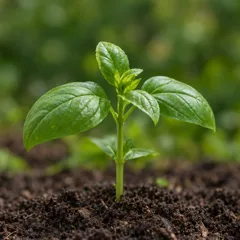
Four o'clocks, also known as marvel of Peru, wait until late afternoon to open their scented, trumpet-shaped flowers, then fold them up again by the next morning. A single plant can carry pink, yellow, white, red and streaked flowers all at the same time. Moths and hummingbirds come by at dusk, so they earn a spot in any evening garden. They do self-sow freely, though, and can turn weedy if you let every seed drop.
Recent community discussions
No one has talked about Four O'Clock's yet. Be the first.
At a glance
| Plant type | Flower |
| Botanical name | Mirabilis jalapa (also called marvel of Peru) |
| Annual or perennial | Tender perennial from a tuberous root, grown as an annual where winters are cold |
| Sun | Full sun to part shade |
| Water | Moderate; copes with some drought once settled |
| Spacing | 12 to 24 inches |
| Planting depth | 1/4 to 1/2 inch |
| Days to germinate | About 1 to 2 weeks in warm soil |
| Days to maturity | Flowers from about midsummer until frost |
| Best USDA zones | Reliably perennial in 9 to 11; sometimes 7b to 8 under a heavy mulch; any zone as an annual |
| Soil pH | Not fussy; most well-drained soils suit them |
Is it four o'clock's weather where you are? See everything to plant this month or read your zone notes.

Sow seeds outdoors after last frost. In warm zones, can be sown in late summer for extended flowering. Seeds benefit from soaking overnight before planting.

Germinates in 7–10 days; blooms in 60–90 days; perennial in warm zones.

Zones 9–11, July?October as perennials; in Zones 2–8 May?September as annuals; indoors year-round in warm controlled climates.

Well-drained sandy soils, pH 6.0–7.5. Thrives with moderate fertility but tolerates average soil.
Pests to watch for




Diseases


A little history
Four o'clocks come from the tropical Americas. European botanists were describing them by the 1540s, and they soon became a fixture of cottage gardens there.
When to sow in your zone
When to plant four o'clocks: Sow after your last spring frost, once the soil has warmed up. Seed sits and sulks in cold ground. Look up your last frost date on the zone pages, then count back from it if you want a head start.
Outdoors or indoors: Both work. Sow straight into the bed after frost, or start seeds in pots indoors 4 to 6 weeks before your last frost and plant them out once nights stay mild.
In November: Only gardens with no frost at all (zones 10 and 11) can sow now, and even there seed comes up slowly in cool soil. Everywhere else, put four o'clocks on the spring list.
Fall, where the ground freezes (about zone 8 and colder): Dig the tubers before the first hard freeze and keep them dry, cool and frost-free over winter, much as you would dahlias. In zones 7b and 8 you can gamble on leaving them in the ground under a thick mulch instead.
Growing it, step by step
Getting seed going
The seeds have a hard coat, so soak them in water overnight, then sow 1/4 to 1/2 inch deep in warm soil.
Setting them out
Give each plant 12 to 24 inches. They fill out into bushy clumps by midsummer.
Water
Keep young plants evenly moist. Older clumps shrug off short dry spells.
A winter blanket
In zones 7b and 8, pile a heavy mulch over the roots in fall to give them a chance of coming back.
Feeding
A light feed at planting time is plenty. Rich soil mostly gives you leaves.
Keeping it happy
They ask very little. The main job is keeping the self-sown seedlings in check: pull the ones you don't want while they're small, or pick off seed before it drops if you'd rather not have a carpet of them next year.
Trouble in the bed
- Aphids: Knock them off with a firm spray of water.
- Slugs: They go for young seedlings. Check at dusk and pick them off.
- Spider mites: Show up in hot, dry spells as fine speckling on the leaves. A rinse under the leaves and steady watering help.
- Leaf spot: More likely in cool, wet weather. Water at the base and give plants room for air to move.
- Root and tuber rot: Comes from soggy ground. Plant in soil that drains well.
- Bacterial leaf spot and mosaic viruses turn up now and then. Pull badly affected plants rather than composting them.
Good neighbors







Good: Nicotiana, moonflowers and evening primrose, all of which open or scent the air toward evening.
Avoid: Spots where children or pets might nibble the seeds, and the edges of vegetable beds, where self-sown seedlings can take over.
Seeds that grow well in your area in November
Affiliate links — shopping through these helps keep Evening Vines free. Smooth Blue Aster
 Polka Dot Mix
 Black-Eyed SusanSeeds
 ColumbineSeeds
Varieties worth growing
- Broken Colors: Flowers streaked and splashed in mixed colors.
- Marbles: A mix with marbled, variegated blooms.
- Salmon Sunset: Warm salmon-coral flowers.
- Mirabilis longiflora: A related species with white, very long-tubed and strongly scented flowers.
Four O'Clock's seeds to buy
Affiliate links — shopping through these helps keep Evening Vines free.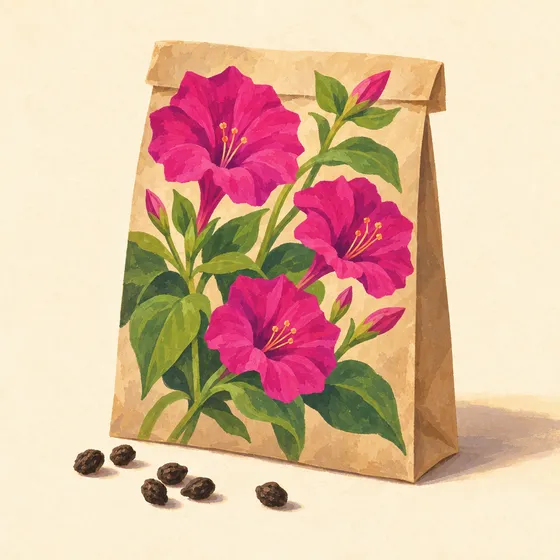 Marvel of Peru
Picking notes
There's nothing to harvest here, and the flowers close too fast to last in a vase. Plant them near a path, porch or bench where you sit in the evening, so you're there when they open and the scent is at its best.
Saving seed for next year
When the flowers fade, they leave round black seeds that look a lot like peppercorns. Pick them once they are dry and dark, store them in a labeled envelope away from kitchen spices, and see our notes on saving seeds and storing leftover seed.
From garden to table
Four o'clocks are grown only for evening color and scent. They are not food. The seeds and roots are poisonous if eaten, though the effects are usually mild (most often an upset stomach). Handling the roots can irritate the skin, so wear gloves when you dig tubers. Keep seeds away from children and pets.
Questions from the potting bench
Why don't my four o'clocks open? They open in late afternoon, or earlier on cloudy days. Take a look in the evening.
Will they come back next year? In zones 9 to 11, yes, from the tuberous root. In zones 7b to 8 they sometimes come back under a heavy mulch. In colder zones, lift the tubers in fall or count on self-sown seedlings.
Are they poisonous? The seeds and roots are, usually mildly. Keep seeds away from kids and pets, and wear gloves when you handle the roots.
Grower reports
How did Four O'Clock's do in your garden? Members rate it and say which zone and month they planted, so everyone can see what works near them.
Recent community discussions
No one has talked about Four O'Clock's yet. Be the first.
Seeds to try
Affiliate links — shopping through these helps keep Evening Vines free.Essentials for Growing Four O'Clock's
 Grow Bags
Breathable fabric pots: grow almost anything on a patio, balcony or driveway, and roots never circle.
See it →
 Pruning Shears
Sharp bypass pruners for harvesting, deadheading and tidying.
See it →
 Seed Starting Tray
Reusable tray with a clear dome to give seeds a warm, humid start indoors.
See it →
 Garden Kneeler
A kneeling pad that flips into a seat: easier on knees and back.
See it →
 Plant Labels
Waterproof markers so you know what's coming up where.
See it →
 Organic Fertilizer
Slow-release organic plant food for vegetable beds and containers.
See it →
