
Curry Leaf
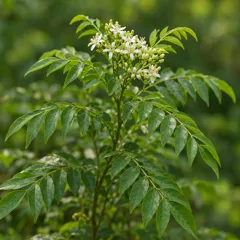
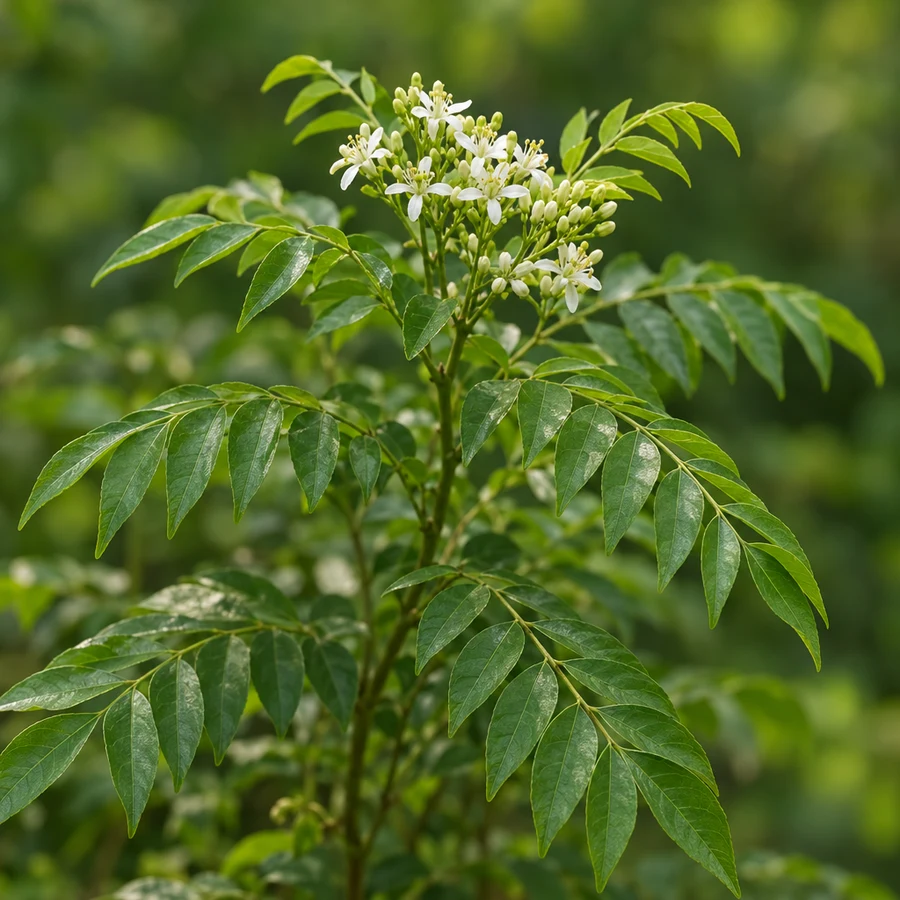
Curry leaf is not a curry powder plant. It's a small tree in the citrus family, grown for its glossy, feathery leaves. Fry a handful in hot oil and the kitchen fills with a warm, nutty, slightly citrus smell that is the backbone of a great deal of South Indian and Sri Lankan cooking. Dried leaves lose most of that flavor, which is why so many cooks want a plant of their own.
In its home range the tree reaches 12 to 20 feet, but in gardens and pots it's usually kept to a bushy 3 to 10 feet. It grows outdoors year round only where winters are frost free or nearly so. Everywhere else it makes a good patio plant in a big pot that comes indoors for winter, much like a lemon or a finger lime.
Recent community discussions
No one has talked about Curry Leaf yet. Be the first.
At a glance
| Plant type | Evergreen herb tree (citrus family) |
| Botanical name | Bergera koenigii (long known as Murraya koenigii) |
| Annual or perennial | Evergreen perennial shrub or small tree |
| Sun | Full sun to part shade; some afternoon shade in very hot, dry areas |
| Water | Regular; keep soil lightly moist, never soggy |
| Spacing | 6 to 10 feet in the ground; 3 to 4 feet for a clipped hedge; one plant per pot |
| Planting depth | Seed about 1/2 inch deep; nursery plants at the same depth as in the pot |
| Days to germinate | About 14 to 30 with fresh seed (dried seed rarely sprouts) |
| Days to maturity | Light picking from about the first year; 2 to 3 years to steady harvests from a young plant |
| Best USDA zones | 10 to 11 (9b in a sheltered spot, with some winter dieback; anywhere in a pot brought indoors) |
| Soil pH | 5.5 to 7.0 |
Is it curry leaf weather where you are? See everything to plant this month or read your zone notes.
Pests to watch for



Diseases

A little history
The tree is native to the foothills of the Himalayas, much of India, Sri Lanka, southern China and mainland Southeast Asia, where it often grows wild as an understory shrub in forests. The leaves have been part of South Indian cooking for many centuries, and the word curry is thought to come from the Tamil kari, a spiced sauce. The tree was named for Johann Gerhard König, an 18th-century botanist who worked in southern India. South Asian families carried it around the world, and today it grows in backyards from Florida and California to Queensland, Fiji and the Caribbean.
When to sow in your zone
Curry leaf goes in as a young plant or fresh seed, and only once the weather is warm.
Late winter to early summer (zones 10 to 11): Plant nursery plants from a few weeks after your last cool spell into early summer. Warm soil helps the roots settle quickly, and the plant gets a long warm season to grow before winter.
Zone 9b: Plant in spring only, about a month after your last frost, in the warmest, most sheltered corner you have, so the plant has a full summer to establish before its first cold night.
Colder zones (9a and below): Grow it in a pot. Put it outside once nights stay above about 55°F, usually 2 to 4 weeks after your last frost, and bring it back in before nights drop below 50°F in fall.
Australia: In the tropical north and subtropical coast, plant from early spring into early summer, or at the start of the wet season up north. In the temperate south, grow it in a pot or a sheltered, frost-free spot against a warm wall, planted out in late spring.
Seed: Sow fresh seed as soon as the berries ripen, usually late summer or fall in the US. Seed loses its life within weeks, so dried seed bought online often fails.
Buying the plant
Curry leaf is a host of the Asian citrus psyllid, the insect that spreads citrus greening. In citrus quarantine areas, including parts of California, Florida, Texas and other southern states, there are rules about moving the plants. Buy from a licensed local nursery, and don't carry plants or leafy cuttings out of a quarantine area.
Growing it, step by step
Starting from seed
Pick fully ripe, shiny black berries. Squeeze out the single seed, rub off the pulp, and sow it right away, about 1/2 inch deep, in a free-draining seed mix. Keep it warm, around 75 to 85°F, and lightly moist. Most seeds sprout in 2 to 4 weeks, though some take longer. Seedlings grow slowly for the first year.
Other ways to start
Suckers that come up around an older tree can be dug and potted with some roots attached. Semi-ripe stem cuttings can root under warm, humid conditions, but they're slow and often fail at home. A healthy nursery plant is the easiest start.
Picking the spot
Full sun gives the thickest growth, but curry leaf takes part shade well, and in hot, dry summers a little afternoon shade keeps the leaves from scorching. Shelter it from strong wind. Good drainage matters most. The roots rot in heavy, wet ground.
Planting
Dig a hole as deep as the root ball and twice as wide. Set the plant at the same depth it grew in its pot, firm the soil, and water it in well. In heavy clay, plant on a low mound.
Growing in a pot
Start in an 8- to 10-inch pot and move up a size as roots fill it, ending in a pot of about 10 to 20 gallons. Use a free-draining potting mix with some grit or bark, and a pot with good holes. Indoors in winter, give it the brightest window you have or a grow light, and keep it above 50°F. Expect some leaf drop in winter; growth picks up again once days lengthen and it goes back outside.
Water
Water deeply, then let the top inch or two dry before watering again. In pots that may mean every few days in summer and much less in winter. Overwatering a resting plant in cool weather is the most common way to lose one.
Mulch
In the ground, spread 2 to 3 inches of mulch over the root zone, keeping it a hand's width from the trunk.
Feeding
Feed lightly through the warm months with a balanced or citrus fertilizer, following the label. Potted plants need feeding more often, since watering washes nutrients out. Stop feeding in fall. Pale, yellow leaves with green veins usually mean the plant can't get iron, which is common in alkaline soil or hard water. A chelated iron product and slightly acid potting mix usually fix it.
Keeping it happy
Pinch or cut the tips of young plants to make them branch, and keep picking from the tips once the plant is established. Regular cutting gives a dense, leafy bush instead of a tall, bare stem. Prune harder in spring as new growth starts.
Cut off the clusters of small white flowers if you don't want berries. That keeps the plant's energy in leaves, and it also stops birds spreading the seed. In parts of Queensland, curry leaf is regarded as an environmental weed because birds carry the seed into bushland, so gardeners in warm parts of Australia should remove flowers or fruit before the berries ripen.
Cold is the main risk. Leaves are damaged near freezing, and a hard frost can kill young plants to the ground. Established plants in zone 9b often regrow from the base after a light freeze. Cover in-ground plants with frost cloth on cold nights and bring pots inside early.
Trouble in the bed
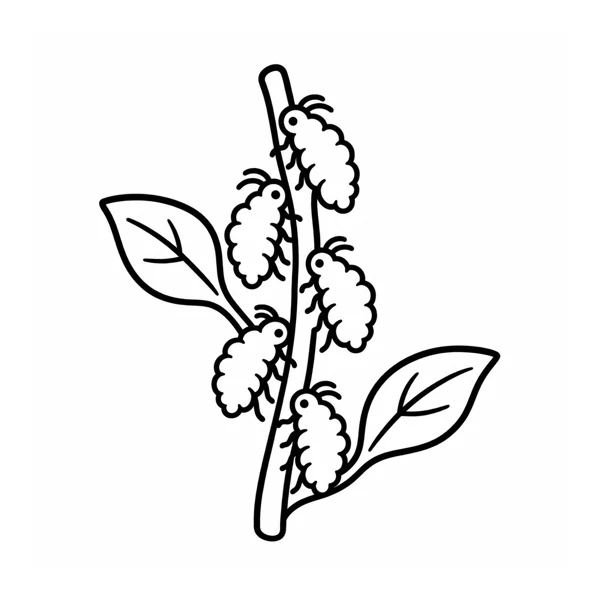
- Scale insects: Small bumps on stems and leaf undersides, with sticky leaves and black sooty mold. Wipe off or spray with horticultural oil.
- Mealybugs: White fluff in leaf joints, worst indoors in winter. Dab with alcohol on a cotton swab or use insecticidal soap.
- Spider mites: Fine speckling and webbing on plants kept in warm, dry rooms. Rinse the leaves and raise the humidity.
- Aphids: Clusters on soft new shoots. A strong spray of water usually does it.
- Root rot: Yellowing, wilting and leaf drop in wet soil or a pot left standing in water. Improve drainage and water less in cool weather.
The Asian citrus psyllid feeds on curry leaf too. Look for tiny insects tilted head-down on new shoots, with white waxy droppings. In citrus-growing states, report suspected psyllids to your extension service or state agriculture department.
Good neighbors


Good: Low herbs and flowers that bring in helpful insects without crowding the roots, like alyssum, calendula and chives. On a patio, it groups well with other warm-weather kitchen plants that want the same care and the same trip indoors, such as lemongrass, ginger, turmeric and a potted lime.
Avoid: Thirsty, shallow-rooted plants right up against the trunk, and Mediterranean herbs like rosemary in the same pot, since they want drier soil. In citrus-growing areas, keep in mind that curry leaf and citrus share the same psyllid, so check both when you check one.
Seeds that grow well in your area in November
Affiliate links — shopping through these helps keep Evening Vines free. Black-Eyed SusanSeeds
 ColumbineSeeds
 Moonbeam
 Foxglove Mix
Varieties worth growing
Curry leaf is mostly sold by type rather than by named variety, and plant labels vary from nursery to nursery.
- Regular (common) curry leaf: The usual type, a vigorous small tree with large leaves and strong flavor. The best choice for in-ground planting in warm zones.
- Dwarf curry leaf: A slower, bushier type with smaller leaves, often said to be more aromatic. A good size for pots and windowsills.
- Gamthi: A small, slow type from India with thick, small, very fragrant leaves, prized by cooks. Slow to grow and harder to find.
Colder zones and short seasons (Canada, northern US): Choose a dwarf or Gamthi type in a pot. Keep it outside in summer and indoors in a bright south window or under a grow light from early fall to late spring.
Cool maritime summers (UK and Ireland): Curry leaf isn't hardy here. Grow it in a pot in a conservatory, greenhouse or bright room, and stand it outside in a warm, sheltered spot only in the warmest summer weeks. A dwarf type handles life under glass best.
Hot or subtropical areas (Florida, southern California, south Texas, Hawaii, northern Australia): The regular type grows outdoors and can make a large shrub or hedge. In Queensland and northern New South Wales, keep it trimmed so it doesn't set fruit.
Picking notes
Start picking lightly once a young plant is about a foot tall with several full leaves. Take whole leaf stems, each carrying a row of small leaflets, from the tips of the branches, and never strip more than about a third of the plant at once. An established plant can be picked year round in warm zones and through summer in pots. Fresh leaves keep about a week in a bag in the fridge, and they freeze well for several months. Dried leaves are far milder.
Saving seed for next year
Possible if your plant flowers and the berries ripen to black. A single plant often sets fruit on its own. Sow it fresh, within a few days, since it doesn't store. Seedlings take a few years to reach a useful size. Don't save seed in warm parts of Australia, where birds spread it into bushland.
From garden to table
The leaves contain beta-carotene, calcium and iron, though they're eaten in small amounts. To use them, fry a sprig in hot oil or ghee with mustard seeds at the start of a dish, called a tadka or tempering, or add them to dals, sambar, rasam, coconut chutneys, stir-fries and fish curries. They pair well with cilantro, ginger and black pepper from a peppercorn vine. The ripe berry pulp is sweet and edible, but don't eat the seeds, which are widely reported to be toxic. Keep the berries away from small children.
Questions from the potting bench
Is curry leaf the same as the curry plant? No. The silvery "curry plant" sold in garden centers is Helichrysum italicum, a Mediterranean shrub that only smells a bit like curry and isn't used the same way. Curry leaf is Bergera koenigii, a tropical tree.
Why is my curry leaf losing its leaves in winter? Cold, low light, or too much water. Keep it above 50°F in the brightest spot you have, and water less until spring.
Can I grow curry leaf indoors all year? Yes, in a very bright window or under a grow light, but it grows faster and thicker if it spends summer outside.
Can I grow curry leaf from store-bought leaves? No. The leaves won't root. Start from a nursery plant, a rooted sucker, or fresh seed.
Grower reports
How did Curry Leaf do in your garden? Members rate it and say which zone and month they planted, so everyone can see what works near them.
Recent community discussions
No one has talked about Curry Leaf yet. Be the first.
Essentials for Growing Curry Leaf
 Grow Bags
Breathable fabric pots: grow almost anything on a patio, balcony or driveway, and roots never circle.
See it →
 Seed Starting Tray
Reusable tray with a clear dome to give seeds a warm, humid start indoors.
See it →
 LED Grow Light
Full-spectrum light for sturdy seedlings through short winter days.
See it →
 Pruning Shears
Sharp bypass pruners for harvesting, deadheading and tidying.
See it →
 Watering Can
Long-spout can for gentle watering of seedlings and pots.
See it →
 Organic Fertilizer
Slow-release organic plant food for vegetable beds and containers.
See it →
