
Grapes
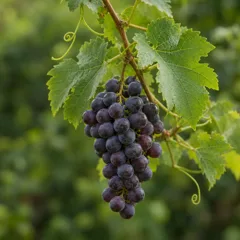
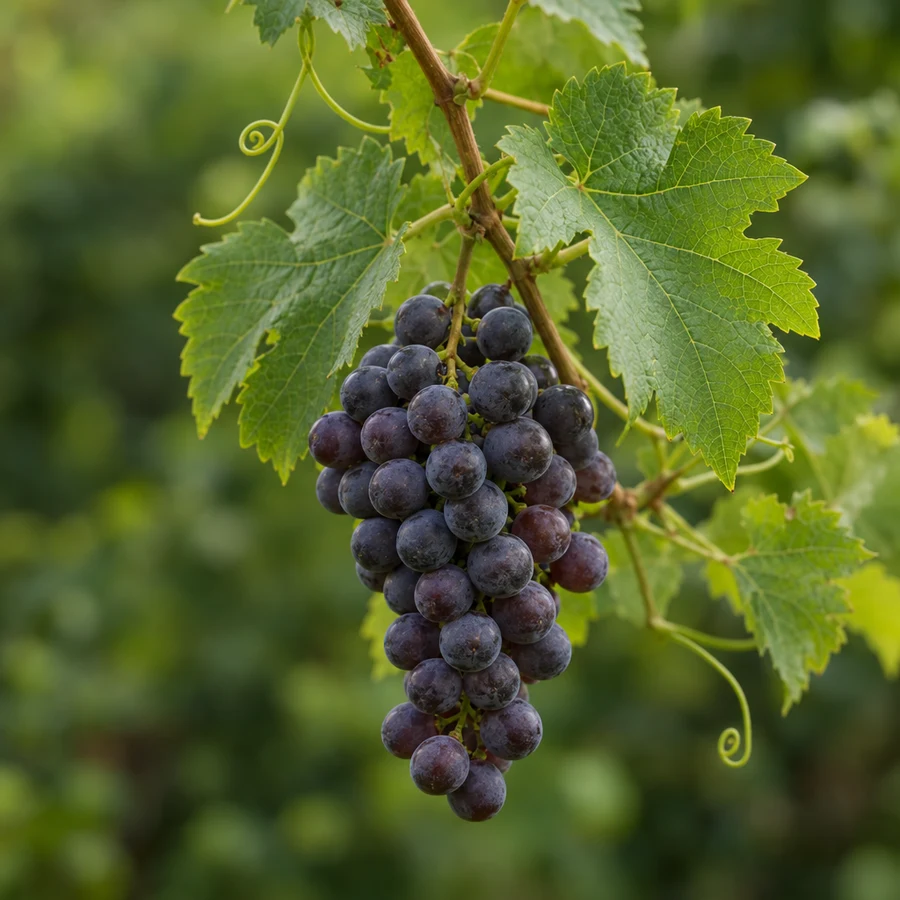
Grapes are long-lived woody vines grown for fresh eating, juice, jelly, raisins, and wine. They need strong support and yearly pruning, but a healthy vine can produce for decades. Choose a type that matches your climate, since cold hardiness varies a lot.
American grapes like Concord are cold hardy and have a bold "grapey" flavor. European grapes (vinifera) are the classic wine and table grapes and prefer milder winters. Muscadines are Southern natives that love heat and humidity. Hybrids combine traits and often suit tricky climates.
Recent community discussions
At a glance
| Plant type | Fruit vine (woody, deciduous) |
| Botanical name | Vitis labrusca (American), Vitis vinifera (European), Vitis rotundifolia (muscadine), and hybrids |
| Annual or perennial | Perennial |
| Sun | Full sun (7 or more hours) |
| Water | 1 inch per week in the first years; drought tolerant once established |
| Spacing | 6 to 10 feet (muscadines 10 to 20 feet) |
| Planting depth | Same as the nursery pot; bare-root vines at the depth they grew |
| Years to first crop | 2 to 3 (full crop at 4 to 5) |
| Fruit ripening | Mid to late summer or fall, depending on type |
| Best USDA zones | American 4 to 8; European 6 to 9; muscadine 7 to 10; hybrids vary |
| Soil pH | 5.5 to 7.0 |
Is it grapes weather where you are? See everything to plant this month or read your zone notes.

Plant bare-root vines in early spring, after the ground thaws but before buds swell. In warm zones, can also be planted in late fall.

2–3 years from cutting; 5–7 years from seed; long-lived.

Zones 6–10, late summer?fall (Aug?Oct for table grapes; later in fall for wine grapes); fully ripe when soft, sweet, and richly colored.

Deep, well-drained gravelly loam or sandy loam, pH 5.5–7.0. Prefers slightly acidic soils.
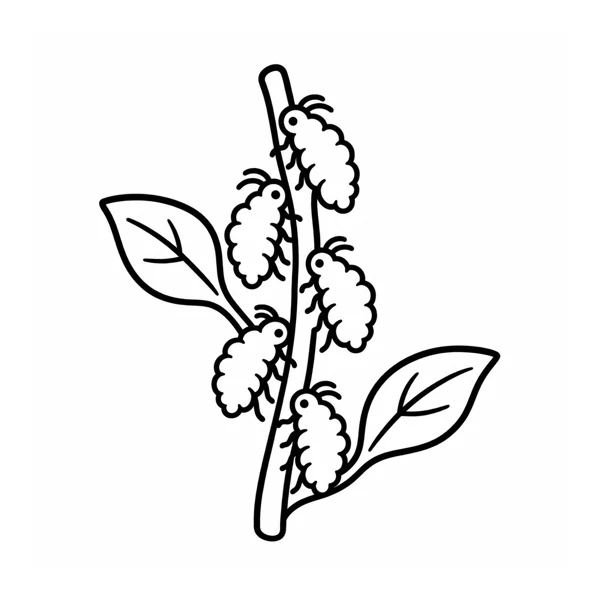
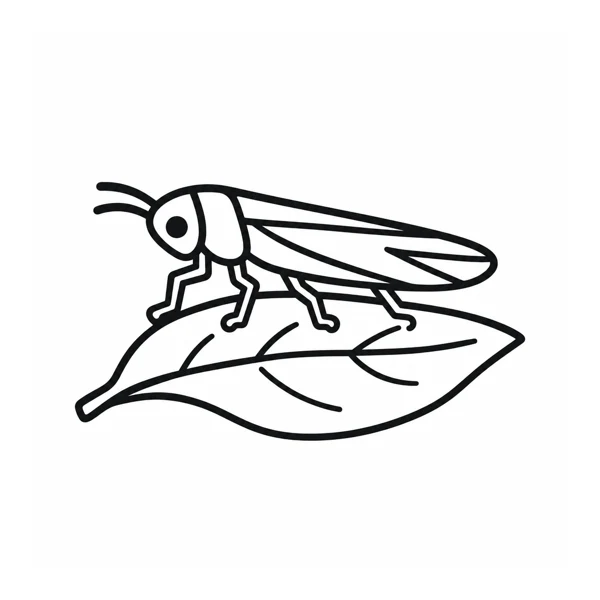
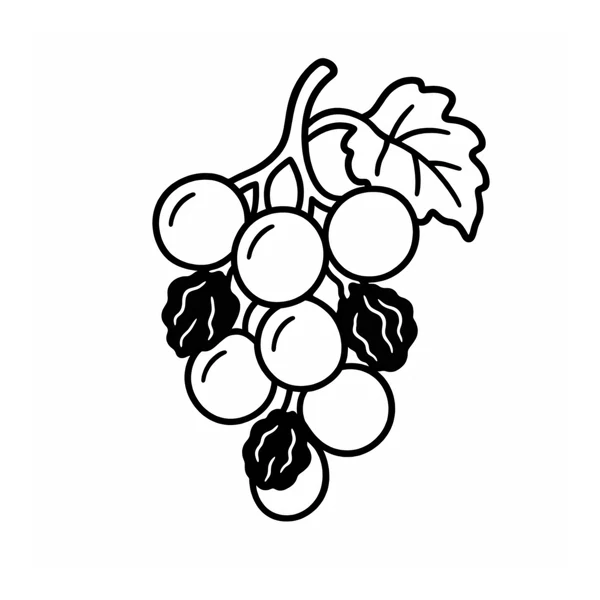
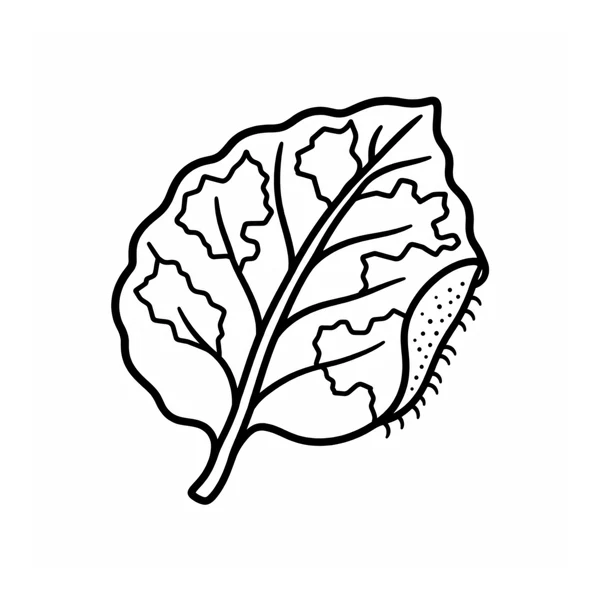
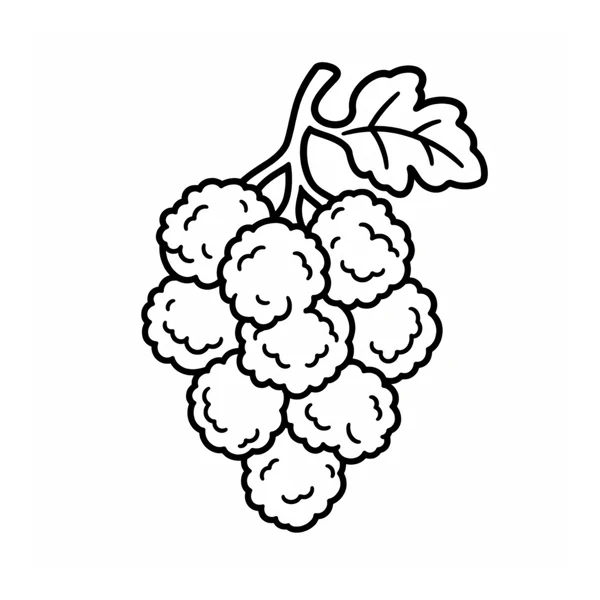
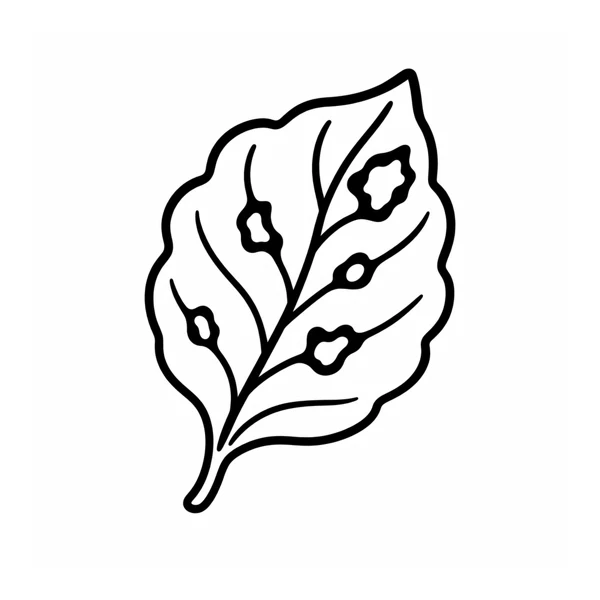
Pests to watch for



A little history
Grapes are among the oldest cultivated fruits, grown in the Near East for thousands of years. They spread through the Mediterranean with Greek and Roman cultures and later to the Americas. In North America, native grapes were gathered long before European types arrived.
When to Plant
Spring: Plant dormant bare-root vines in early spring as soon as the soil can be worked, or container vines after frost danger. Spring planting gives roots a full season to settle in zones 4 to 7.
Fall: In zones 8 to 10, plant container-grown vines in fall so roots grow over the cool months. In colder zones, avoid fall planting, because young roots may not survive winter.
Growing it, step by step
Planting
Choose a sunny, well-drained spot with good airflow. Soak bare-root vines for a few hours, trim broken roots, and set them in a hole big enough to spread the roots. Keep the graft union above the soil on grafted vines. Put up a trellis or wires at planting so you can train from the start.
Buy certified, virus-tested vines from a nursery that ships legally to your state. Some western grape states, Washington and Oregon among them, have rules on bringing in grapevines from elsewhere to keep out phylloxera and vine viruses, so don't carry cuttings across state lines.
Moving it outside
Move vines only while dormant, in late winter or early spring. Cut back the top, dig a large root ball, replant right away, and water well.
Water
Water young vines weekly in their first years. Established vines usually need little extra except in drought. Keep the leaves dry to reduce disease.
Mulch
Spread 2 to 4 inches of mulch around the base, keeping it a few inches from the trunk, to reduce weeds and hold moisture.
Feeding
Grapes need little fertilizer. Add compost in early spring, or a small amount of balanced fertilizer if growth is weak. Too much nitrogen means leafy vines with poor fruit.
Keeping it happy
Prune in late winter while vines are dormant. Grapes fruit on shoots that grow from last year's canes, so remove most of last year's growth (often 80 to 90 percent) and keep a few strong canes or spurs, depending on your training system. Train the trunk up a post and tie shoots to wires as they grow. Thin clusters on young vines so they build strength. Keep broadleaf weed killers well away, because grapes are very sensitive to spray drift.
Trouble in the bed
- Black rot: Prune for airflow, remove shriveled "mummy" berries, and use a fungicide labeled for grapes if needed.
- Powdery mildew: Thin leaves around clusters, avoid shade, and choose resistant varieties.
- Japanese beetles: Hand-pick into soapy water or net small vines.
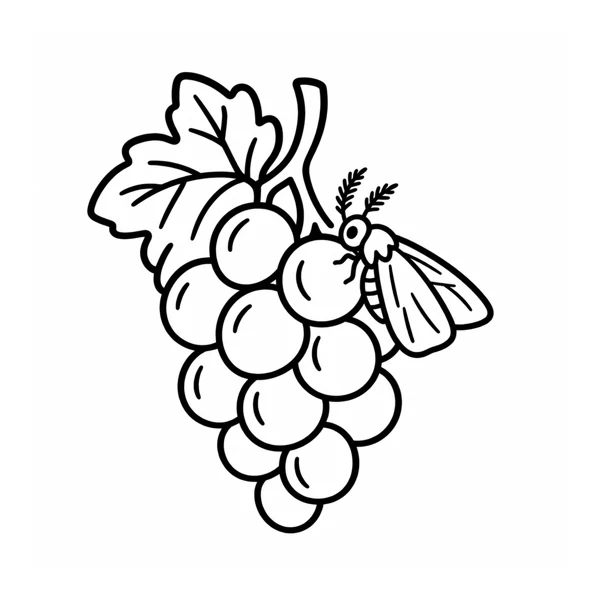
- Grape berry moth: Remove fallen fruit and use traps where it's a problem.
Good neighbors



Good: Clover or a low cover crop between rows to feed pollinators and suppress weeds, and herbs such as chives and thyme near the base to attract beneficial insects.
Avoid: Black walnut trees (they release juglone), spots where broadleaf herbicides drift, and shady sites.
Varieties worth growing
- Concord: Classic American blue-black grape for juice and jelly (zones 4 to 8).
- Niagara: A white American grape with a sweet, strong flavor.
- Thompson Seedless (Sultanina): A green seedless table grape, best in hot, dry areas.
- Reliance: A cold-hardy, pink-red seedless hybrid.
- Noble: A dark, self-fertile muscadine for hot, humid areas. Some muscadines are female-only and need a self-fertile vine nearby, so check the label.
Grapes plants to buy
Affiliate links — shopping through these helps keep Evening Vines free.Seeds that grow well in your area in November
Affiliate links — shopping through these helps keep Evening Vines free. Polka Dot Mix
 Black-Eyed SusanSeeds
 ColumbineSeeds
 Moonbeam
Picking notes
Grapes don't ripen after picking, so taste a few before cutting. Clusters are ready when the berries are fully colored and sweet and the stems start to brown. Cut whole clusters with scissors. Muscadines ripen one by one, so gather them as they're ready.
Propagation
Most home vines are grown from cuttings or bought grafted. Take hardwood cuttings in late winter: choose pencil-thick canes, cut 12 to 14 inch pieces with 3 to 4 buds, and plant them with one bud above the soil. Layering also works well. Seed-grown vines rarely match the parent.
From garden to table
Grapes provide vitamins K and C, plus plant compounds such as resveratrol. Eat them fresh, dry them into raisins, or make juice, jelly, and wine. Grapes and raisins are toxic to dogs, so keep them out of reach.
Questions from the potting bench
When should I prune? In late winter, while the vine is dormant and before the buds swell.
Why is there no fruit? Young vines, too little sun, too much nitrogen, or wrong pruning are the usual causes.
Do I need two vines? Most grapes are self-fertile. Some muscadines aren't, so check the tag.
Saving seed for next year
Seed Saving While grapes are usually propagated by cuttings or bare-root vines, you can save seeds if you're growing from a seedless variety: Harvest the Fruit: Select ripe grapes, and cut them open to collect seeds. Clean the Seeds: Wash off any pulp and allow the seeds to dry. Germinating: Soak the seeds overnight in warm water. Then, plant them in well-draining soil. Transplanting: Once the seedlings have developed, transplant them into larger containers or the garden.
Grower reports
How did Grapes do in your garden? Members rate it and say which zone and month they planted, so everyone can see what works near them. See them in the forum ›
Recent community discussions
Plants to try
Affiliate links — shopping through these helps keep Evening Vines free.Essentials for Growing Grapes
 Grow Bags
Breathable fabric pots: grow almost anything on a patio, balcony or driveway, and roots never circle.
See it →
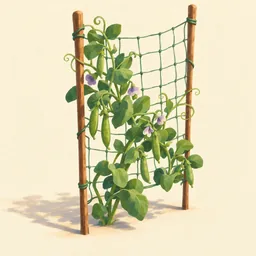 Trellis Netting
Strong netting for peas, beans, cucumbers and melons to climb: more crop in less space.
See it →
 Pruning Shears
Sharp bypass pruners for harvesting, deadheading and tidying.
See it →
 Insect Netting
Fine mesh that keeps cabbage worms, flea beetles and birds off your crops, no sprays needed.
See it →
 Organic Fertilizer
Slow-release organic plant food for vegetable beds and containers.
See it →
 Garden Hand Tools
Trowel, transplanter and cultivator: the three tools you reach for most.
See it →
