
Hydrangea
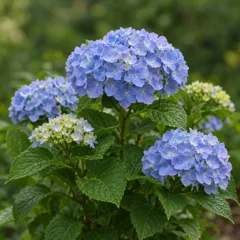
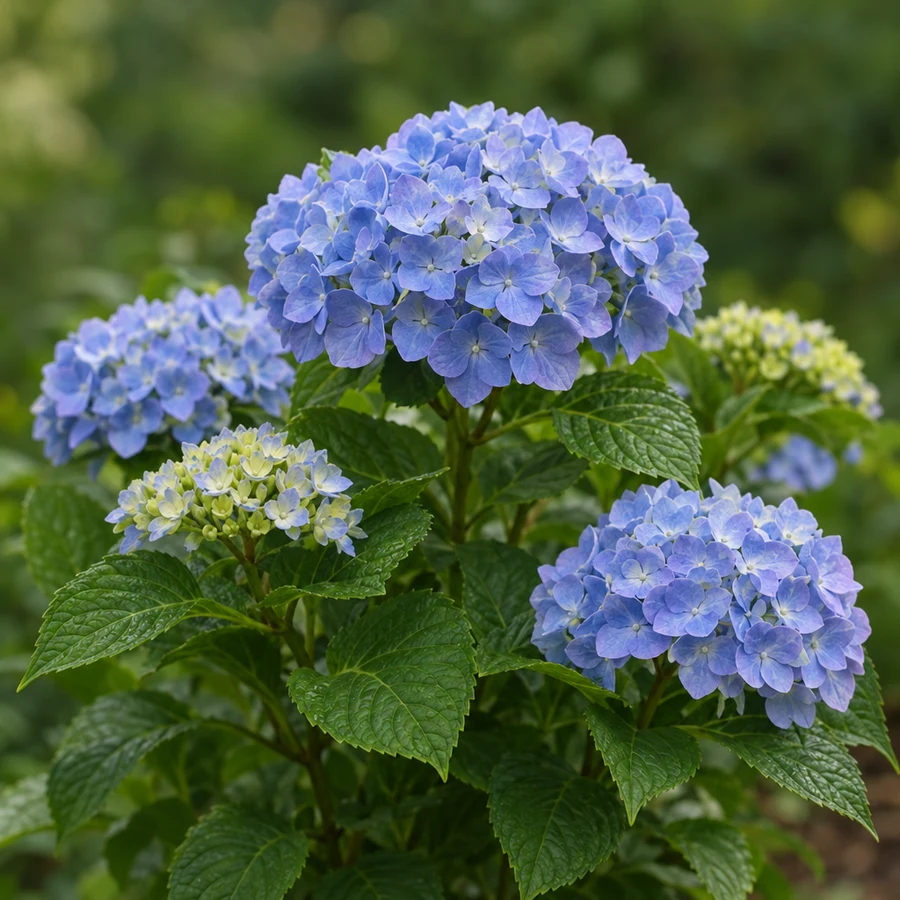
A hydrangea in full flower stops people on the sidewalk. Big rounded heads of blue, pink, white or lime-green open in summer and hang on for weeks, then fade slowly to papery tones of rose, bronze and green that still look good in fall. There are a handful of main types, and the one thing worth learning is which kind you have, because that decides where it likes to grow and when to prune it.
Bigleaf hydrangeas are the classic mopheads and lacecaps, the ones that turn blue in acid soil. Panicle hydrangeas carry cone-shaped white heads that blush pink, and they're the toughest of the lot. Smooth hydrangeas, like Annabelle, are a native of the eastern US woods and shrug off hard winters. Oakleaf hydrangeas, another US native, have big lobed leaves that turn wine-red in fall. Give any of them steady moisture and a spot out of the harshest afternoon sun, and they'll flower for decades.
Recent community discussions
No one has talked about Hydrangea yet. Be the first.
At a glance
| Plant type | Flowering shrub |
| Botanical name | Hydrangea spp. (mainly H. macrophylla, H. paniculata, H. arborescens, H. quercifolia) |
| Annual or perennial | Deciduous perennial shrub |
| Sun | Morning sun and afternoon shade for most; panicle hydrangeas take full sun in cooler areas |
| Water | Deep soak about once a week, more in heat, sandy soil and pots |
| Spacing | 3 to 10 feet, by type (small smooth hydrangeas about 3 to 4 feet, panicle types 6 to 10 feet) |
| Planting depth | Same depth as in the nursery pot, root ball top level with the soil |
| Days to germinate | Not grown from seed; start from a nursery plant or a rooted cutting (softwood cuttings root in a few weeks) |
| Days to maturity | Nursery plants usually bloom the first or second summer; full size in 3 to 5 years |
| Best USDA zones | 3 to 9, by type (panicle and smooth 3 to 8 or 9; oakleaf 5 to 9; bigleaf 6 to 9); bigleaf also grows in mild coastal zone 10 gardens with shade |
| Soil pH | 5.5 to 6.5 for most; bigleaf flower color shifts with pH (blue below about 5.5, pink above about 6.0) |
Is it hydrangea weather where you are? See everything to plant this month or read your zone notes.
Pests to watch for



Diseases

A little history
Hydrangeas grow wild in two parts of the world. Bigleaf and panicle hydrangeas come from Japan, China and nearby parts of East Asia, where gardeners have grown them for centuries. Smooth hydrangea is native to the eastern United States, and oakleaf hydrangea to the Southeast, where both grow in moist woods and along streams. The American smooth hydrangea reached European gardens first, in the 1700s. Bigleaf hydrangeas from East Asia arrived in Europe in the late 1700s and 1800s, and French and German breeders turned them into the hundreds of mophead and lacecap varieties sold today. The name comes from Greek words for "water" and "vessel," after the little cup-shaped seed capsules.
When to sow in your zone
Hydrangeas go in as shrubs, not seed. The best planting times are spring and early fall, when it's cool enough for the roots to settle without summer stress.
Spring (all zones): Plant container shrubs once the ground has thawed and can be dug, from a couple of weeks before your last frost to a month after it. In zones 3 to 5, spring is the safer time, so the roots have a full season before winter.
Early fall (zones 3 to 9): Plant about 4 to 8 weeks before your first fall frost. The soil is still warm, so roots keep growing after the top has stopped.
Fall into early winter (zones 8 to 10): October through December is a good time here. Roots grow through the mild winter, and the shrub is ready to face its first hot summer.
Summer: You can plant a potted hydrangea in summer, since that's when they're sold in flower, but it will need water every day or two until fall. Avoid planting in a heat wave.
UK, Ireland and Australia: The same pattern holds. In Britain and Ireland, plant in early autumn (September and October) or in spring once the ground is workable. In southern Australia, plant in autumn and winter (March to August), or in spring where frosts run late. Hydrangeas don't suit the hot, humid tropical north.
This month (November): In zones 8 to 10, it's still a good time to plant. In colder zones, it's too late to plant; instead, leave the dried flower heads on bigleaf types, since they help shelter next year's buds, and mulch the root zone once the ground starts to freeze. Don't prune bigleaf or oakleaf hydrangeas now. Their flower buds for next summer are already formed on the stems.
Growing it, step by step
Know Your Type
Check the plant tag. Bigleaf (H. macrophylla), mountain (H. serrata) and oakleaf (H. quercifolia) hydrangeas bloom on old wood, meaning the buds form the summer before. Panicle (H. paniculata) and smooth (H. arborescens) hydrangeas bloom on new wood, meaning this year's stems. Some newer bigleaf varieties, sold as rebloomers, flower on both.
Picking the Spot
Most hydrangeas want morning sun and shade in the afternoon, in moist soil rich in organic matter that still drains well. Hot, dry, exposed spots stress them. Panicle hydrangeas are the exception: they take full sun in the North and in cool summer areas, and give the most flowers there. In hot southern gardens, even panicles like afternoon shade. In the Deep South, bigleaf hydrangeas grow best in the cooler northern and central parts of the region, since they need some winter cold.
Planting
Dig a hole two to three times as wide as the root ball but no deeper. Loosen any circling roots, set the plant so the top of the root ball is level with the ground, and backfill with the soil you dug out. Water slowly and deeply, then mulch. Planting too deep is a common cause of slow decline.
Growing in a Pot
Smaller bigleaf and panicle varieties do well in a pot at least 18 inches across, with drainage holes and a good potting mix. Pots dry out fast, so check daily in summer. In zones 6 and colder, move potted bigleaf hydrangeas into an unheated garage or shed for winter so the buds don't freeze.
Water
Water deeply about once a week, more often in hot weather or sandy soil. Drooping leaves on a hot afternoon are normal; if they're still limp the next morning, water. Watering at the base, or with drip line, keeps the leaves dry and cuts down on leaf spot.
Mulch
Keep 2 to 3 inches of bark or leaf mulch over the root zone to hold moisture and keep roots cool. Pull it back a few inches from the stems.
Feeding
Hydrangeas don't need much. A light feeding with a balanced slow-release fertilizer in spring is usually plenty. Too much nitrogen gives lush leaves and few flowers.
Keeping it happy
Pruning old-wood types (bigleaf, mountain, oakleaf): Prune only if needed, right after the flowers fade in summer. Stop by early August, or you'll cut off next year's buds. In late winter or early spring, cut out dead stems and snip off the old flower heads just above the first pair of fat, healthy buds. Every few years, take one or two of the oldest stems to the ground to renew the shrub.
Pruning new-wood types (panicle, smooth): Prune in late winter or early spring before growth starts. Smooth hydrangeas can be cut back hard, to a foot or so, each year. Panicle hydrangeas can be cut back by about a third, keeping a framework of strong stems.
Changing flower color: Only bigleaf and mountain hydrangeas change color, and only the pink and blue varieties. White ones stay white. Blue comes from aluminum in the soil, which the plant can only take up in acid soil. Test your soil first. For blue, lower the pH toward 5.0 to 5.5 with sulfur or aluminum sulfate in spring as growth starts. For pink, raise it to 6.0 or above with garden lime. Change is slow and can take two or three seasons. In chalky or alkaline soil, it's easier to grow blue types in a pot of acid (ericaceous) potting mix.
Winter protection: Bigleaf hydrangea stems are hardy, but their flower buds can be killed by hard cold or a late spring frost, which is the main reason they fail to bloom in zones 5 and 6. Leave the old flower heads on over winter and mulch the base. In zones 3 to 5, panicle and smooth hydrangeas are the dependable choices.
Trouble in the bed
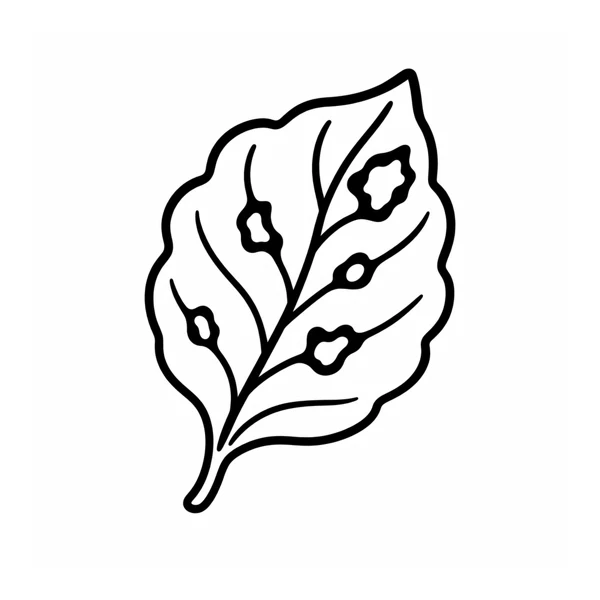
- Leaf spot: Brown or purple spots on the leaves, worst in wet summers. Water at the base, rake up fallen leaves, and give plants room for air.
- Powdery mildew: White dusty patches on leaves in late summer, especially in shade and crowded beds. Mostly cosmetic.
- Anthracnose and botrytis: Brown blotches on leaves and rotting flower heads in damp weather. Cut out affected parts and keep the foliage dry.
- Aphids and spider mites: Aphids cluster on soft new tips; spider mites speckle leaves in hot, dry weather. Hose them off.
- Scale: Small bumps on the stems. Prune out crusted stems; horticultural oil in winter helps.
- Deer: Deer browse hydrangeas, especially bigleaf types. A fence is the only sure answer.
Good neighbors
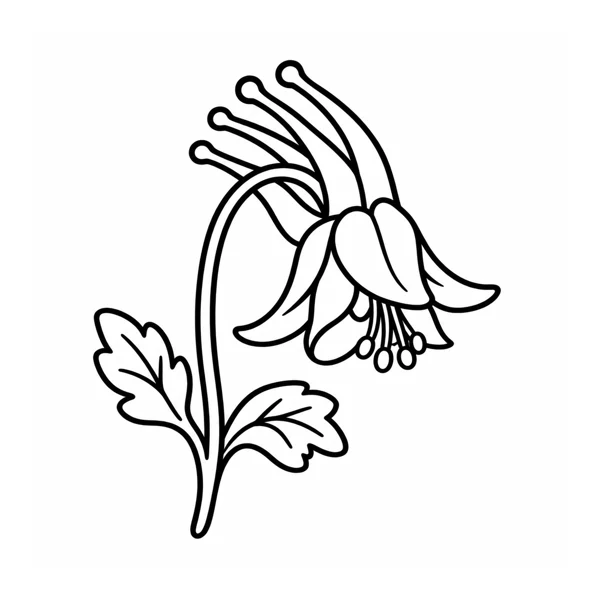
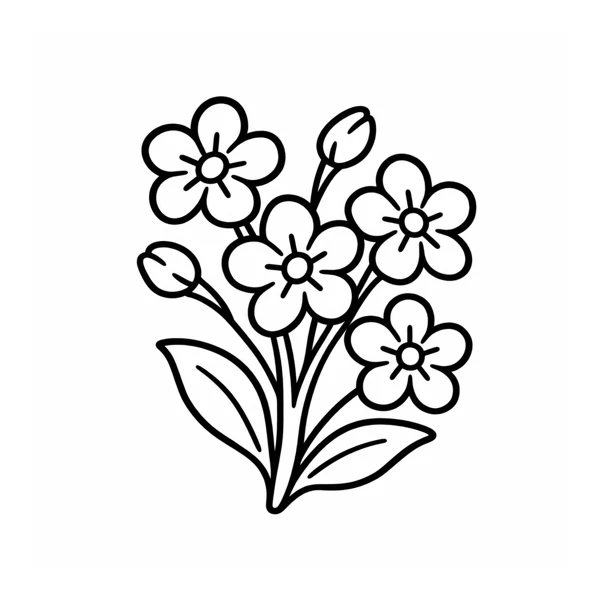
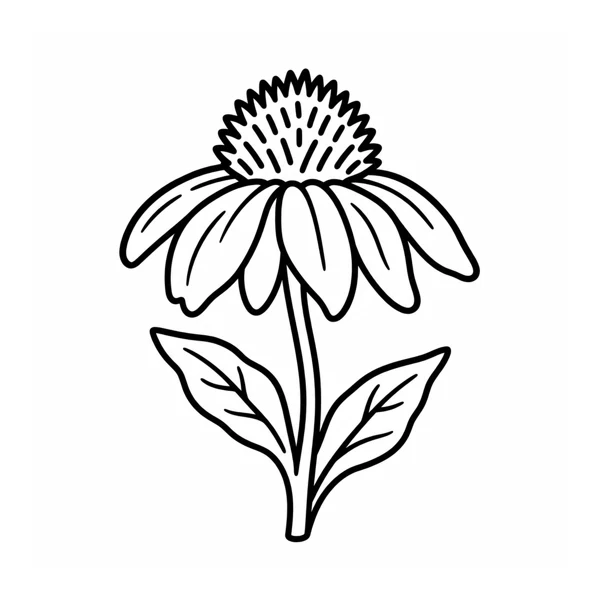
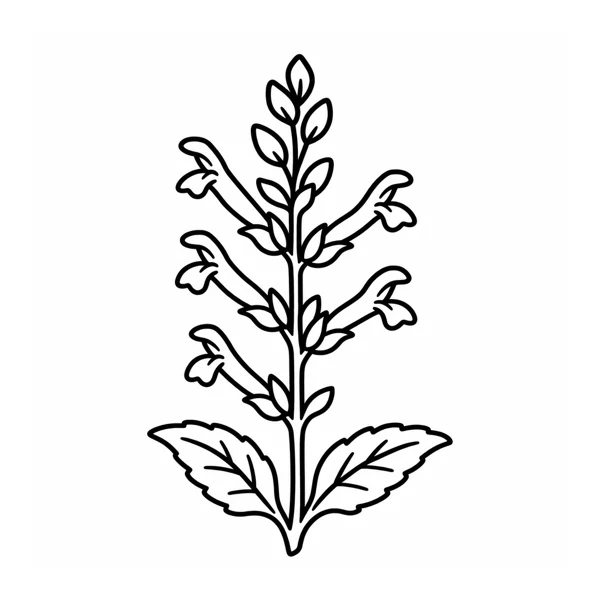
Good: In part shade, columbine and forget-me-nots give spring color around the base before the hydrangeas flower. Sun-loving panicle hydrangeas pair well with echinacea, black-eyed Susan and salvia.
Avoid: Planting under thirsty, shallow-rooted trees that steal the moisture hydrangeas need, and sunny, dry spots where bigleaf types wilt every afternoon.
Seeds that grow well in your area in November
Affiliate links — shopping through these helps keep Evening Vines free. Smooth Blue Aster
 Polka Dot Mix
 Black-Eyed SusanSeeds
 ColumbineSeeds
Varieties worth growing
Cold-hardy hydrangeas (zones 3 to 5, Canada and the northern US):
- Annabelle: Smooth hydrangea with huge white snowball heads. Blooms on new wood, so a hard winter doesn't stop it. Stems flop after heavy rain, so give it a hoop.
- Incrediball: A sturdier Annabelle type with even bigger white heads on stronger stems.
- Limelight: Panicle hydrangea with lime-green heads that age to cream and pink. Grows 6 to 8 feet; takes full sun in the North.
- Little Lime: A smaller Limelight, about 3 to 5 feet, good for small yards.
- Pinky Winky: Panicle hydrangea with two-tone cone flowers, white at the tip and pink below.
For cool, moist summers (UK, Ireland, Pacific Northwest):
- Blaumeise (Teller series): Lacecap bigleaf hydrangea with rich blue flowers in acid soil, purple-pink in alkaline soil. An RHS Award of Garden Merit plant.
- Miranda: A compact mountain hydrangea (H. serrata) with dainty lacecaps, hardier in bud than most bigleaf types.
- Nikko Blue: A classic mophead with big blue heads in acid soil.
- Climbing hydrangea (H. anomala subsp. petiolaris): A self-clinging vine with white lacecap flowers that does well on shady north- or east-facing walls.
Rebloomers and warm-zone hydrangeas (zones 6 to 9, southern US, warmer parts of Australia):
- Endless Summer The Original: A bigleaf mophead that blooms on old and new wood, so it can still flower after a cold winter kills the buds.
- Penny Mac: A reblooming bigleaf mophead long grown in the South.
- Snow Queen: Oakleaf hydrangea with upright white flower clusters and red fall color. Handles southern heat well.
- Ruby Slippers: A compact oakleaf, about 3 to 4 feet, with flowers that age from white to deep pink.
Picking notes
Cut flowers in the cool of the morning. Fresh-picked hydrangeas wilt easily, so pick mature heads that feel slightly papery, plunge the stems straight into water, and recut them under water if they droop. For drying, leave heads on the shrub until late summer, when they start to feel papery, then cut and stand them in a vase with an inch or two of water and let it dry out. They keep their color for months.
Saving seed for next year
Not practical. Hydrangea seed is tiny and named varieties don't come true. To make more of a plant you love, root softwood cuttings in early summer, or bend a low stem to the ground, pin it under a little soil, and cut it free once it has rooted, usually by the next spring. Many named varieties are patented, so check the tag before propagating them to sell.
From garden to table
Grown for borders, hedges, shady corners, cut flowers and dried flowers. Hydrangeas are not edible. The leaves, flowers and bark contain cyanogenic glycosides, and eating them can cause upset stomach, vomiting and diarrhea. Serious poisoning is rare, but the ASPCA lists hydrangea as toxic to dogs, cats and horses, so keep pets and small children from chewing on plants or dried flowers.
Questions from the potting bench
Why didn't my hydrangea bloom this year? On bigleaf types, the usual reasons are pruning at the wrong time (fall or spring pruning cuts off the buds) or a cold winter or late frost that killed them. Deep shade and too much nitrogen also cut flowering. Panicle and smooth types bloom on new wood, so they rarely miss a year.
How do I turn my hydrangea blue? Only pink or blue bigleaf and mountain hydrangeas can change. Test the soil, then lower the pH toward 5.0 to 5.5 with sulfur or aluminum sulfate as growth starts in spring. Expect it to take a couple of seasons. White hydrangeas won't change.
Can hydrangeas take full sun? Panicle hydrangeas can, in the North and in cool summer climates. Most others prefer afternoon shade, and in hot regions every type does better with it.
When should I prune my hydrangea? It depends on the type. Prune bigleaf, mountain and oakleaf hydrangeas right after they flower, no later than early August. Prune panicle and smooth hydrangeas in late winter or early spring.
Grower reports
How did Hydrangea do in your garden? Members rate it and say which zone and month they planted, so everyone can see what works near them.
Recent community discussions
No one has talked about Hydrangea yet. Be the first.
Essentials for Growing Hydrangea
 Grow Bags
Breathable fabric pots: grow almost anything on a patio, balcony or driveway, and roots never circle.
See it →
 Pruning Shears
Sharp bypass pruners for harvesting, deadheading and tidying.
See it →
 Seed Starting Tray
Reusable tray with a clear dome to give seeds a warm, humid start indoors.
See it →
 Garden Kneeler
A kneeling pad that flips into a seat: easier on knees and back.
See it →
 Plant Labels
Waterproof markers so you know what's coming up where.
See it →
 Organic Fertilizer
Slow-release organic plant food for vegetable beds and containers.
See it →
