
Bay Laurel
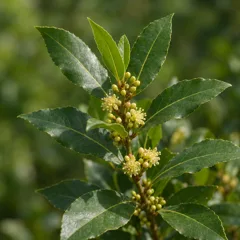
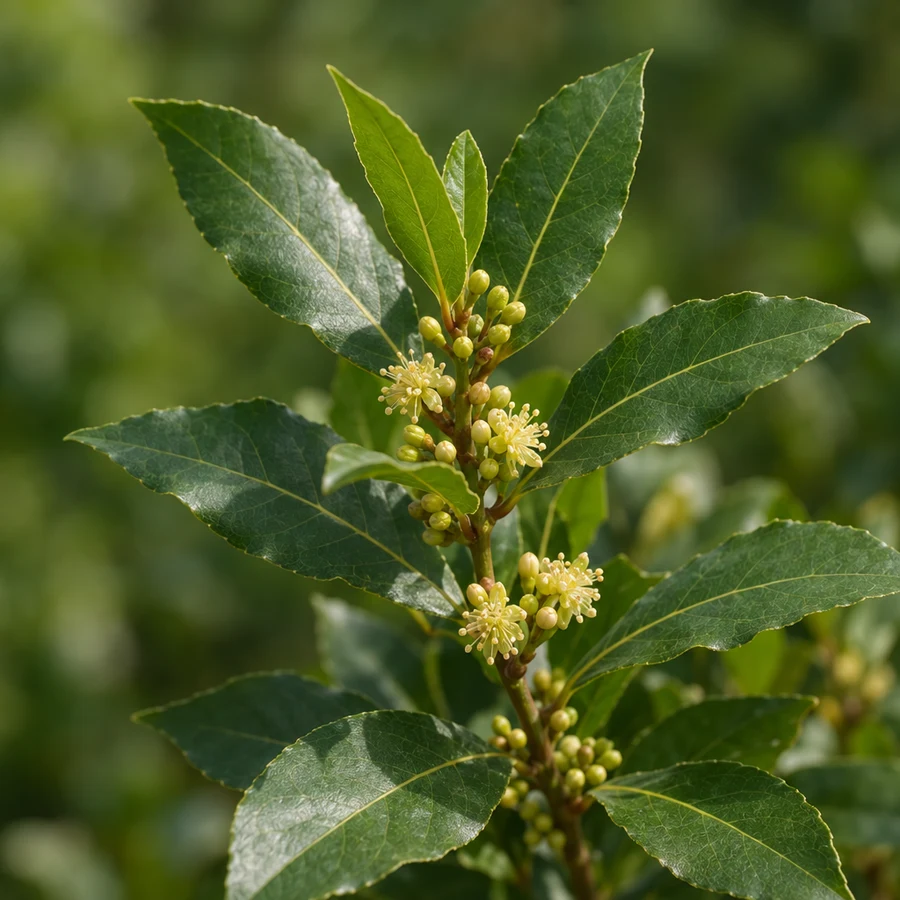
Bay laurel is the tree that gives you bay leaves, the ones that go into soups, stews and pots of beans. A fresh leaf from your own plant is sharper and more fragrant than the dried ones in a jar, and a single plant gives more leaves than most kitchens can use.
It's a slow, tidy evergreen with glossy, dark green leaves. Left alone in a mild climate it becomes a tree of 20 feet or more, but it takes clipping so well that most people keep it as a shrub, a ball, a cone or a little standard in a pot. That's good news for cold-zone gardeners, because a bay in a pot can spend summer on the patio and winter in a cool, bright room.
A word of care: only Laurus nobilis is the culinary bay. Other plants called "laurel," such as cherry laurel and mountain laurel, are poisonous. Buy a plant clearly labeled Laurus nobilis, and if you're not sure what an old shrub in your yard is, don't cook with it.
Recent community discussions
No one has talked about Bay Laurel yet. Be the first.
At a glance
| Plant type | Evergreen herb (shrub or small tree) |
| Botanical name | Laurus nobilis |
| Annual or perennial | Evergreen perennial, long-lived |
| Sun | Full sun to part shade; some afternoon shade in hot, dry areas |
| Water | Moderate; let the top inch or two dry out between waterings, and never let it sit wet |
| Spacing | 8 to 12 feet for a free-growing shrub; about 2 to 3 feet apart for a clipped hedge |
| Planting depth | Same depth it sat in the nursery pot |
| Days to germinate | Slow and uneven, often several weeks to several months; most people buy a young plant |
| Days to maturity | Pick a few leaves the first year from a nursery plant; 2 to 3 years before you can pick freely |
| Best USDA zones | 8 to 10 in the ground; anywhere colder in a pot brought indoors for winter |
| Soil pH | Not fussy; grows in slightly acid to alkaline soil as long as it drains well |
Is it bay laurel weather where you are? See everything to plant this month or read your zone notes.
Pests to watch for

Diseases

A little history
Bay comes from the Mediterranean, where it grows wild in damp ravines, thickets and old stone walls. The ancient Greeks tied it to Apollo. Wreaths of bay crowned winners at the Pythian Games held in his honor at Delphi, and Roman generals wore laurel in their victory parades. That's where the phrase "poet laureate" comes from, and why "resting on your laurels" means coasting on past wins. People also believed a bay tree near the house kept lightning away.
When to sow in your zone
Bay goes in as a young plant, not seed, and the timing depends on how cold your winters get.
Spring (all zones): Plant a nursery bay once your last frost has passed. That gives it the whole warm season to root in before its first winter. In zone 8, spring is the only safe time, and a sheltered spot matters more than the date.
Fall (zones 9 to 11): Where winters are mild, early fall is a good second window. The soil is still warm, and cool, damp months ahead let the roots settle without summer heat.
Pots (zones 3 to 7): Set a potted bay outside after your last frost, once nights stay above freezing. Bring it back in before the first frost in fall. In zone 7 a bay can sometimes live outdoors against a warm wall with winter protection, but a hard winter can kill it back, so a pot is the safer choice.
November in the garden: In zones 9 to 11 you can still plant. In colder zones, potted bays should already be indoors in a cool, bright spot, and in-ground bays in zone 8 will thank you for a thick mulch over the roots.
Growing it, step by step
Starting a New Plant
Most people buy a young plant, and that's the easy way. Bay seed is slow and erratic and only comes from female trees. If you want to try, sow fresh seed in fall with the fleshy coat rubbed off, keep it warm and barely moist, and be patient. Cuttings are the other route: take semi-ripe cuttings from this year's growth in late summer. Even these can take several months to root, so start a few.
Picking the Spot
Choose a warm, sheltered place in full sun or light shade, out of cold, drying winds. Near a south- or west-facing wall works well in zone 8, as the wall holds heat and blocks wind. In hot, dry areas, a bit of afternoon shade keeps the leaves from scorching. The one thing bay can't stand is wet feet. Avoid low spots and heavy clay that stays soggy in winter.
Planting
Dig a hole as deep as the root ball and about twice as wide. Set the plant at the same depth it grew in its pot, firm the soil, and water it in well. On heavy soil, plant on a slight mound, or grow it in a pot instead.
Growing in a Pot
Bay is one of the best herbs for a container. Start in a pot only a little bigger than the one it came in, and use a soil-based potting mix with some grit or coarse sand mixed in for drainage. Make sure the pot has good drainage holes. Move up a size every two to three years. When the pot is as big as you can manage, slip the plant out, trim back some of the outer roots, and refill with fresh mix.
Water
Water a new plant during dry spells in its first year. After that, a bay in the ground rarely needs watering except in a long drought. Potted bays need more attention, especially in summer, so check them often and water when the top inch or two feels dry. In winter, keep the mix on the dry side. Soggy soil in cold weather is the most common way to lose a bay.
Mulch
Spread a couple of inches of compost or bark mulch over the root zone in late winter or early spring, keeping it a few inches from the stems. In zone 8, add a thicker layer in late fall to protect the roots from hard frost.
Feeding
Bay in the ground needs little or no feeding; the spring mulch is enough. Potted bays lose nutrients each time you water, so feed them with a balanced liquid fertilizer every two to three weeks from mid-spring to late summer. Stop in fall and through winter while growth slows.
Keeping it happy
Clip once or twice a year to keep a neat shape. Use pruners rather than hedge shears, which slice leaves in half and leave brown edges. Light trimming is fine in spring or summer. Save hard pruning for mid to late spring, and spread a big cutback over two or three years, as older bays are slow to recover. Pull off suckers from the base of a standard as soon as you see them, and cut out frost-damaged tips in late spring once new growth shows.
Cold is the main risk. An established bay in the ground usually takes brief dips to about 15 to 20°F; young plants and potted plants are more tender. Leaves brown in harsh winds and hard frosts, and very cold winters can kill the top growth or split the bark on lower stems. Throw frost cloth or an old sheet over small plants on very cold nights. Roots in pots are more tender than roots in the ground, so move potted bays against the house or indoors when a hard freeze is coming.
Bringing a bay indoors: Move it inside before the first frost. A cool, bright room between about 35 and 60°F is ideal; the plant rests and needs very little water. In a warm living room, give it the sunniest window you have and water a little more often. In spring, set it in shade for a week or so before moving it into full sun, so the leaves don't scorch.
Trouble in the bed
- Scale insects: The most common pest, especially on plants wintered indoors. Look for small brown bumps on stems and leaf undersides, often with sticky honeydew and black sooty mold. Rub them off by hand, prune out badly crusted shoots, or use horticultural oil.
- Bay sucker (laurel psyllid): A tiny sap-sucking insect that makes young leaves thick, curled and yellowish, often with white fluff underneath. Pick off and dispose of affected leaves in spring and summer. The plant usually grows past it.
- Root rot and phytophthora: Yellowing leaves, dieback and a plant that wilts even in damp soil. Both come from waterlogged soil. Improve drainage, water less, and never leave a pot standing in a saucer of water.
- Leaf spots and yellow leaves: Usually a sign of wet roots, cold damage, or a pot that needs fresh mix or feeding. Dropping a few old leaves now and then is normal.
- Laurel wilt: A serious disease of plants in the laurel family in the southeastern US, spread by a tiny beetle. Bay laurel can be affected. If branches suddenly wilt and brown, talk to your local extension office.
Good neighbors

Good: Other Mediterranean herbs that like sun, warmth and soil that drains, such as Rosemary, Thyme, Sage, Oregano, Marjoram and Lavender. A group of pots on a sunny patio makes a handy kitchen herb corner.
Avoid: Thirsty plants that want steady moisture, like Basil or Mint, in the same pot or bed. Watering enough for them keeps the bay too wet.
Seeds that grow well in your area in November
Affiliate links — shopping through these helps keep Evening Vines free. PhloxSeeds
 Royal Mix
 Johnny Jump Up
 Organic Cat Grass
Varieties worth growing
For cooking and most gardens:
- Common bay (Laurus nobilis): The classic, with glossy, dark green, pointed leaves and the best flavor. Grows well in pots or the ground, and handles heat as well as mild, damp summers.
- Golden bay ('Aurea'): Yellow-green leaves, brightest in winter and spring. Ornamental, but the leaves are still good to cook with.
- Willow-leaf bay (f. angustifolia): Long, narrow, wavy-edged leaves. Edible, with a lighter look; nice as a clipped hedge.
Compact and pest-resistant:
- Little Ragu: A compact, upright selection that stays about 6 to 8 feet, sold for zones 8 to 11. A good size for pots and small yards, though it can struggle in very hot inland summers.
- Saratoga: A hybrid of common bay and Canary Island bay, bred in California. It's a male plant, so no messy berries, and it resists bay sucker and soft scale better than common bay. It's less cold hardy, so best for zones 9 to 11 and warm, dry regions. Plants
For cold zones and short summers: No bay is reliably hardy in the ground below zone 8. Any of the compact types does well in a pot that comes indoors for winter. For cool, damp summers, choose common bay or golden bay, plant in the warmest, most sheltered spot you have, and grow in a pot if your soil is heavy.
Bay Laurel plants to buy
Affiliate links — shopping through these helps keep Evening Vines free.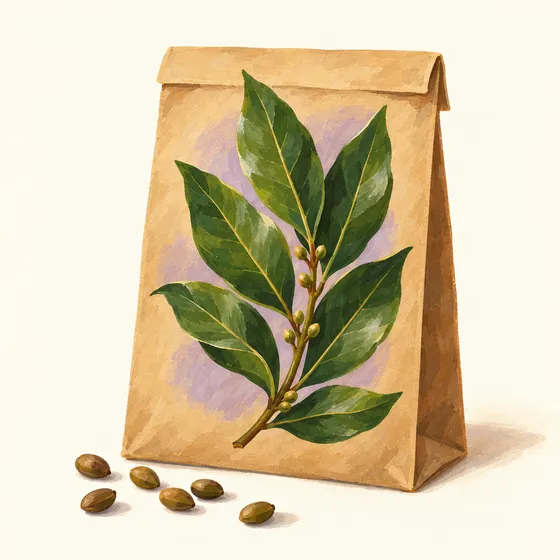 Sweet BayPlants
Picking notes
You can pick bay leaves any time of year, as an evergreen always has some ready. Choose older, fully grown leaves, which have the strongest flavor; soft new leaves are mild. Pull a leaf down and off the stem, or snip a whole sprig, which doubles as a light trim. For drying, midsummer leaves are best. Lay them in a single layer in a warm, airy room for a week or two, or press them flat under a heavy book so they don't curl. Store dried leaves in an airtight jar and use them within a few months. Fresh leaves also freeze well in a bag.
Saving seed for next year
Only female trees make the small, dark purple berries, and you need a male tree nearby for them to set seed. Clean the fleshy coat off and sow while fresh, as dried seed loses its ability to sprout quickly. Seed-grown plants are slow and can vary, so most gardeners keep a favorite plant going from cuttings or by layering a low branch into the soil, which can take up to a year to root.
From garden to table
Bay is used as a flavoring, not eaten as food. Add a leaf or two to soups, stews, sauces, braises, pickles and pots of rice or beans, and take them out before serving. The whole leaves stay stiff and sharp even after long cooking and can be a choking hazard. Bay is one of the classic herbs in a bouquet garni, along with thyme and parsley. Dried leaves are also tucked into pantry jars to keep away pantry pests, and they're used in wreaths and potpourri.
Bay leaves are mildly toxic to cats, dogs and horses, and chewing them can cause vomiting or diarrhea, so keep pets from nibbling an indoor plant.
Questions from the potting bench
Can I grow bay laurel in a cold climate? Yes, in a pot. Keep it outside from after your last frost until fall, then bring it into a cool, bright room for winter. Many potted bays live for decades this way.
Why are my bay leaves turning brown? Usually cold, wind or wet roots. Frost and drying winter winds scorch the leaves, and soggy soil damages the roots. Trim off the damaged growth in late spring and check that the pot drains well.
Is bay laurel the same as other laurels? No. Only Laurus nobilis is the culinary bay. Cherry laurel and mountain laurel are poisonous, so never cook with a plant you can't name for certain.
Do I need two bay trees? Not for leaves. One plant gives all the leaves you need. You only need both a male and a female tree if you want berries and seed.
How fast does bay grow? Slowly, often just several inches a year in a pot. That's why it makes such a good long-term container plant and holds a clipped shape for months.
Grower reports
How did Bay Laurel do in your garden? Members rate it and say which zone and month they planted, so everyone can see what works near them.
Recent community discussions
No one has talked about Bay Laurel yet. Be the first.
Plants to try
Affiliate links — shopping through these helps keep Evening Vines free.Essentials for Growing Bay Laurel
 Grow Bags
Breathable fabric pots: grow almost anything on a patio, balcony or driveway, and roots never circle.
See it →
 Seed Starting Tray
Reusable tray with a clear dome to give seeds a warm, humid start indoors.
See it →
 LED Grow Light
Full-spectrum light for sturdy seedlings through short winter days.
See it →
 Pruning Shears
Sharp bypass pruners for harvesting, deadheading and tidying.
See it →
 Watering Can
Long-spout can for gentle watering of seedlings and pots.
See it →
 Organic Fertilizer
Slow-release organic plant food for vegetable beds and containers.
See it →
