
Lemon Verbena
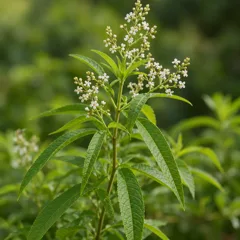
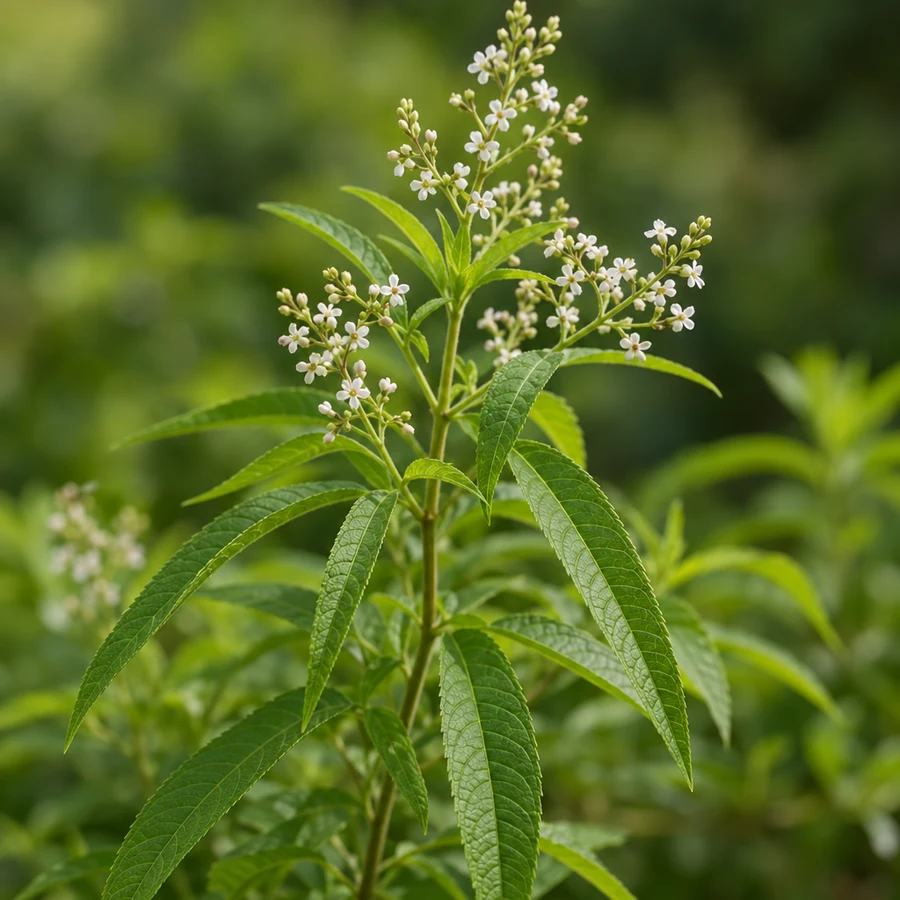
Rub one leaf of lemon verbena and you get a clean, sweet burst of lemon, stronger than most other lemon-scented herbs. The narrow, rough leaves grow in whorls of three along woody stems, and in late summer the plant carries loose sprays of tiny white to pale lilac flowers.
Lemon verbena is a shrub from South America. Where winters are mild it grows 6 to 8 feet tall and just as wide. In a pot or in a cold-winter garden it stays around 2 to 4 feet. It loves sun and warmth, drops its leaves when the weather turns cold, and can't take a hard freeze. Most gardeners grow it in a big pot they bring indoors for winter, or buy a fresh plant each spring.
Recent community discussions
No one has talked about Lemon Verbena yet. Be the first.
At a glance
| Plant type | Tender woody herb (a shrub) |
| Botanical name | Aloysia citrodora (older names: Aloysia triphylla, Lippia citriodora) |
| Annual or perennial | Perennial shrub in zones 8 to 10; grown as a summer plant or a potted plant brought indoors everywhere else |
| Sun | Full sun, 6 hours or more |
| Water | Regular; keep soil evenly moist but never soggy |
| Spacing | 2 to 3 feet when grown for one summer; 4 to 6 feet where it lives outdoors for years |
| Planting depth | Set nursery plants and rooted cuttings at the same depth they were growing |
| Days to germinate | Rarely grown from seed; seed is scarce and slow. Start from a nursery plant or a cutting |
| Days to maturity | A few weeks from planting a nursery plant to the first light picking, once it is growing well |
| Best USDA zones | 8 to 10 outdoors year-round; any zone as a summer plant or in a pot brought indoors |
| Soil pH | About 6.0 to 7.5; not fussy as long as the soil drains |
Is it lemon verbena weather where you are? See everything to plant this month or read your zone notes.
Pests to watch for



Diseases

A little history
Lemon verbena grows wild in Argentina, Chile and neighboring parts of South America. It reached Europe in the 1600s, where it was grown for its scented oil. The genus name, Aloysia, honors Maria Luisa of Parma, wife of King Charles IV of Spain. It has been used ever since in perfumes, potpourri and herbal teas. In France the tea is known as verveine, and in Spanish-speaking countries the plant is often called hierba luisa, after the same queen.
When to sow in your zone
Lemon verbena goes in as a plant, not a seed. Flowers set few good seeds outside its home range, and those that form sprout poorly.
Spring (all zones): Plant out 1 to 4 weeks after your last frost, once nights stay above about 45°F. The plant needs warmth to grow, and cold spring nights stall it.
Mild zones (8 to 10): Plant in early to mid spring, as the weather warms, so the roots settle before summer heat. Early fall planting also works in the warmest areas (zone 9b and up), where winters are short and frost is rare. In zones 8 and 9a, stick to spring so the plant is well rooted before its first winter.
Taking cuttings: Take soft tip cuttings from late spring to midsummer, when the plant is growing fast. They root quickly and make strong young plants for next year.
Fall (zones 3 to 7): Before nights drop to about 45°F, bring potted plants indoors. In zone 8, mulch the base thickly; the top may die back, but the roots often send up new shoots in late spring.
Growing it, step by step
Getting a start
Buy a young plant from a nursery or herb grower in spring. If a friend has a plant, take a 4-inch tip cutting in early summer, strip the lower leaves, and push it into moist, gritty mix. Keep it in bright shade and covered with a clear bag. Roots usually form within a few weeks.
Picking the spot
Give lemon verbena the sunniest, warmest spot you have. In shade it grows thin and floppy, with less scent. In cooler areas, a bed against a south- or west-facing wall makes a real difference. It needs soil that drains well. It struggles in heavy clay that stays wet.
Planting
Work some compost into the bed. Set the plant at the same depth it was growing, 2 to 3 feet from its neighbors if it's a summer plant, and wider where it will grow on for years. Water well after planting.
Growing in a pot
A pot is the easiest way to grow lemon verbena outside zones 8 to 10. Start with a 2- to 3-gallon pot and move up to 5 gallons or more as the roots fill it. Use a free-draining potting mix and a pot with good drainage holes. Potted plants dry out fast in summer, so check them often.
Water
Keep the soil evenly moist through the growing season. Let the top inch dry a little between waterings, but don't let a pot dry out completely. Soggy soil rots the roots, especially in cool weather.
Feeding
Lemon verbena is a hungry plant in summer. Give a balanced liquid feed every 2 weeks or so while it's growing, more often in pots. Stop feeding once it comes indoors for winter.
Keeping it happy
Pinch the tips often and cut back leggy stems in early spring, just as new growth starts. That keeps the plant bushy and full of fresh leaves. Older plants turn woody and the leaves get smaller, so many growers root cuttings every year or two and replace the old plant.
For winter indoors, cut the plant back by about a third and keep it in a cool, bright room or an unheated porch that stays above freezing. It will usually drop all its leaves. That's normal. Water lightly, about once every week or two, just enough to keep the roots from drying out. In spring, when new leaves appear, move it into more light and start watering and feeding again. Put it back outside after your last frost.
In zones 8 to 10, the shrub may lose its leaves in a cold snap and leaf out again in spring. Wait until new growth shows before cutting out dead wood, since stems that look dead often sprout.
Trouble in the bed
Lemon verbena is mostly trouble-free outdoors. Most problems turn up on plants kept indoors over winter.
- Spider mites: Fine webbing and pale speckled leaves, worst in dry indoor air. Rinse the plant, especially under the leaves, and keep it away from heaters.
- Whiteflies: Tiny white insects that fly up when you brush the plant. Use yellow sticky traps or insecticidal soap.
- Aphids: Clusters on soft new tips. Spray them off with water or use insecticidal soap.
- Mealybugs: White, cottony spots in leaf joints. Dab them with rubbing alcohol on a cotton swab.
- Root rot: Leaves wilt and stems go soft in cold, wet soil. Use free-draining mix and water sparingly in winter.
Pets: The ASPCA lists lemon verbena as toxic to dogs, cats and horses because of its oils. Signs are mainly an upset stomach, and in horses, colic. The small amounts used in cooking aren't a concern, but keep pets from chewing on the plant.
Good neighbors



Grows happily beside: Other sun-loving herbs that like rich, well-drained soil, such as basil, lemongrass, stevia and chamomile. Together they make a good tea garden. Calendula, marigolds and nasturtiums brighten the edges, and its late flowers draw bees and butterflies.
Give these room of their own: Keep mint and lemon balm in their own pots, as they spread and crowd out neighbors. Rosemary, thyme and lavender like leaner, drier soil than lemon verbena, which wants regular water and feeding in summer.
Seeds that grow well in your area in November
Affiliate links — shopping through these helps keep Evening Vines free. Stinging Nettle
 Smooth Blue Aster
 Polka Dot Mix
 Black-Eyed SusanSeeds
Varieties worth growing
Lemon verbena is almost always sold simply as the plant itself, Aloysia citrodora, without a named variety. Buy from a nursery that labels the botanical name, and rub a leaf before you buy: it should smell strongly of lemon.
- Lemon verbena (Aloysia citrodora): The plant to grow for tea and the kitchen in every country. It holds the RHS Award of Garden Merit.
- Sweet almond verbena (Aloysia virgata): A related shrub grown for its almond-scented white flower spikes, not for tea. Hardy in about zones 8 to 11.
Not the same plant: Lemon balm is a hardy, mint-family herb with a softer lemon scent. Garden verbenas (Verbena) are flowering plants with no lemon scent at all. Check the label.
For short or cool summers (Canada, UK, Ireland): Grow it in a pot on the warmest, sunniest patio, or in a greenhouse or conservatory. In the mildest coastal parts of the UK and Ireland, it can live outdoors against a sunny, sheltered wall with a thick autumn mulch over the roots.
For hot or subtropical areas (southern US, much of Australia): It grows outdoors year-round in frost-free or light-frost areas and keeps most of its leaves through winter. Give it a little afternoon shade where summers are very hot and dry.
Picking notes
Start picking once the plant is growing well and has several branches, usually a few weeks after planting. Snip stem tips just above a leaf joint, which also keeps the plant bushy. You can pick a few leaves any time through the summer. For a big batch to dry, cut stems back by up to a third in midsummer, and again in late summer. The leaves are at their most fragrant just before the plant flowers.
Before the first frost in cold zones, cut a last large harvest before bringing the plant in. Dry the leaves on a screen or hang small bunches somewhere warm, dark and airy. Dried leaves hold their scent well. Store them whole in a sealed jar and crumble them as you use them.
Saving seed for next year
Not practical. Lemon verbena sets little viable seed outside its home range. Take cuttings in late spring or summer to keep your plant going.
From garden to table
Lemon verbena is used in small amounts for flavor, not as a source of nutrients. Steep fresh or dried leaves for a lemony tea, hot or iced. Infuse leaves in cream, syrup or sugar for custards, sorbets, cakes and fruit salads. Chop young leaves finely into dressings, jams, sauces and fish dishes, since the leaves are tough; for most dishes, infuse whole leaves and remove them. The dried leaves keep their scent for a long time, so they're good in potpourri and sachets for drawers.
Questions from the potting bench
Why has my lemon verbena dropped all its leaves? Cold or shorter days. It often drops its leaves indoors in winter or in a cold snap outside. Keep the roots barely moist and wait. New leaves usually appear in spring.
Can lemon verbena stay outside over winter? Only in zones 8 to 10, and in zone 8 the top may die back to well-mulched roots. A long, hard freeze can kill it outright. Everywhere else, bring the pot into a cool, bright, frost-free spot.
Is lemon verbena the same as lemon balm? No. Lemon balm is a hardy, low, spreading herb in the mint family. Lemon verbena is a tender woody shrub with a much stronger lemon scent.
Can I grow lemon verbena from seed? It's hard. Seed is rarely sold and sprouts poorly. A nursery plant or a cutting is far quicker and more reliable.
Grower reports
How did Lemon Verbena do in your garden? Members rate it and say which zone and month they planted, so everyone can see what works near them.
Recent community discussions
No one has talked about Lemon Verbena yet. Be the first.
Essentials for Growing Lemon Verbena
 Grow Bags
Breathable fabric pots: grow almost anything on a patio, balcony or driveway, and roots never circle.
See it →
 Seed Starting Tray
Reusable tray with a clear dome to give seeds a warm, humid start indoors.
See it →
 LED Grow Light
Full-spectrum light for sturdy seedlings through short winter days.
See it →
 Pruning Shears
Sharp bypass pruners for harvesting, deadheading and tidying.
See it →
 Watering Can
Long-spout can for gentle watering of seedlings and pots.
See it →
 Organic Fertilizer
Slow-release organic plant food for vegetable beds and containers.
See it →
