
Leeks
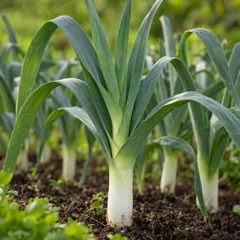
Leeks are the slow, steady member of the onion family. They don't make a bulb. Instead they grow a long, thick white stem topped with a fan of flat blue-green leaves. They take their time, but they ask for little once planted, and the hardy kinds stand in the bed through frost and snow, ready to pull whenever you want one. In a lot of gardens they are the last fresh vegetable of the year.
The flavor is milder and sweeter than an onion. Most of the cooking happens with the white and pale green part, which you make longer by planting deep or piling soil around the stems.
Recent community discussions
No one has talked about Leeks yet. Be the first.
At a glance
| Plant type | Vegetable (allium, grown for its stem) |
| Botanical name | Allium ampeloprasum Porrum Group (often listed as Allium porrum) |
| Annual or perennial | Biennial, grown as an annual |
| Sun | Full sun |
| Water | About 1 inch per week; keep the soil evenly moist |
| Spacing | 6 inches apart, rows 12 to 18 inches apart (4 inches for baby leeks) |
| Planting depth | Seed 1/4 inch deep; transplants dropped into holes about 6 inches deep |
| Days to germinate | About 7 to 14 at 70°F |
| Days to maturity | About 75 days for early types to 150 days for late, winter-hardy types |
| Best USDA zones | Any zone as a summer and fall crop; zones 6 to 9 can leave hardy types in the ground over winter; a fall and winter crop in zones 9 and 10 |
| Soil pH | 6.0 to 7.0 |
Is it leeks weather where you are? See everything to plant this month or read your zone notes.
Pests to watch for


Diseases

A little history
Leeks come from wild plants of the eastern Mediterranean and western Asia. They were eaten in ancient Egypt and grown by the Greeks and Romans, and they spread across Europe, where they became a staple of cottage gardens through the Middle Ages. Settlers brought them to North America. The leek is a national emblem of Wales, worn on St David's Day, 1 March.
When to sow in your zone
Spring (most zones): Start seed indoors 8 to 12 weeks before your last frost. Leeks are slow at first, so an early start pays off. Set the young plants out from about 3 weeks before the last frost to a week after; they shrug off light frost. You can also sow in an outdoor seedbed a few weeks before the last frost and move the seedlings later.
Midsummer (zones 5 to 8, and cool coastal zone 9): Plant a second batch of transplants in early to midsummer, about 14 to 20 weeks before your first fall frost. These are the leeks for late fall and winter. Choose a winter-hardy variety. In the UK and Ireland this is the classic June to July planting for leeks that carry on into spring.
Mild winters (zones 9 and 10): Leeks dislike hot summers, so here they are a cool-season crop. Sow in late summer (August and September) and plant out from October to December for a harvest through winter and spring. In the warmer parts of Australia the same rule holds, six months on: sow in late summer and early autumn and plant out in autumn.
Short seasons (zones 3 and 4, and much of Canada): Start seed indoors in late winter, plant out in spring and choose an early variety. Dig the crop before the ground freezes hard.
Growing it, step by step
Starting seed
Sow thinly, 1/4 inch deep, in trays of moist seed mix kept near 70°F. Give the seedlings strong light. When they reach 6 to 7 inches tall, trim the tops back to about 2 inches. It sounds harsh, but it gives sturdier plants.
Planting out
Harden the seedlings off for a week. They are ready when they are roughly pencil-thick and about 8 inches tall. Make holes about 6 inches deep and 2 inches wide with a dibber or a broom handle, 6 inches apart in rows 12 to 18 inches apart. Trim the roots to about an inch, drop one leek in each hole and fill the hole with water. Don't push soil in. It washes in by itself over the next few weeks.
Soil and sun
Full sun and deep, rich, well-drained soil with compost worked in. Leeks have shallow roots, so they need steady moisture and very little competition.
Blanching
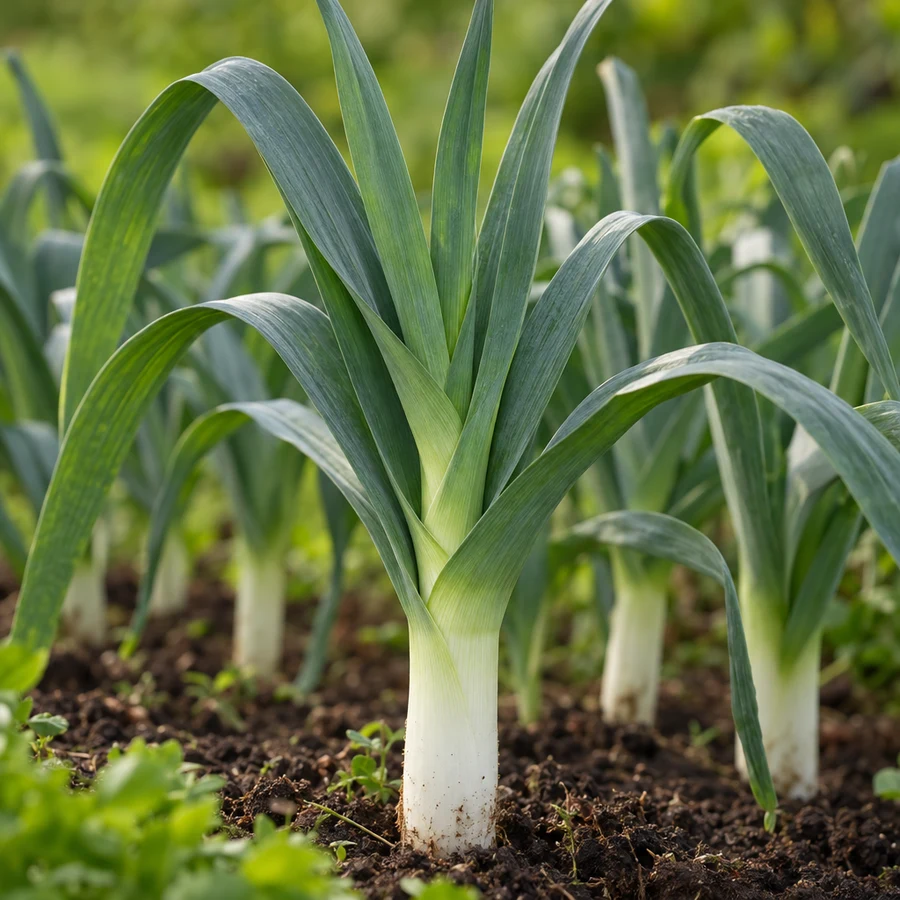
The deep hole does most of the work. For a longer white stem, pile soil or mulch up around the stems two or three times as they grow, a little at a time, keeping it out of the leaf joints so grit doesn't end up inside. Another way is to plant in a trench 6 to 8 inches deep and fill it in gradually.
Keeping it happy
- Watering: About 1 inch a week. Leeks go tough and slow in dry soil.
- Feeding: Side-dress with a nitrogen fertilizer once or twice in early and midsummer. Don't overdo it late in the season, since soft, lush growth invites rust.
- Weeds: Weed by hand or keep the bed mulched. Hoeing close to the plants damages the shallow roots.
- Winter: In zones 6 to 9, hardy leeks can stay in the ground. A thick layer of straw keeps the soil workable so you can dig them in a freeze. In colder zones, lift them before the ground freezes and store them cool and humid, around 32 to 40°F.
- Bolting: A leek that sends up a hard flower stalk has usually been chilled for a spell, either as a young plant set out too early or after standing through winter into spring. Pull and use it before the stem turns woody.
Trouble in the bed
- Thrips: Tiny insects that leave silvery streaks on the leaves, worst in hot, dry weather. Steady watering helps.
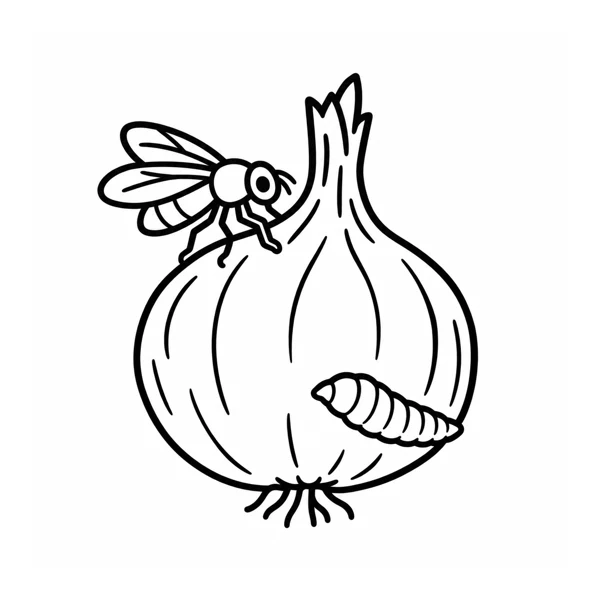
- Onion maggots: Fly larvae that eat the roots so young plants wilt and die. Rotate onion-family crops and cover seedlings with fine mesh.
- Leek moth (eastern Canada, the northeastern US, the UK, mainly southern England): Small caterpillars tunnel into the leaves toward the center of the plant. Row cover or insect mesh is the main defense.
- Allium leaf miner (UK): Now common in England and parts of Wales. Look for lines of white dots on the leaves and maggots in the stems, often followed by rot in fall. The flies lay eggs in spring and again in autumn, so cover leeks with insect mesh in March and April and again through October and November, and rotate beds.
- Leek rust: Bright orange pustules on the leaves from midsummer into fall. Space plants well, go easy on nitrogen, clear away old leaves at the end of the season and look for varieties sold as rust resistant.
Good neighbors
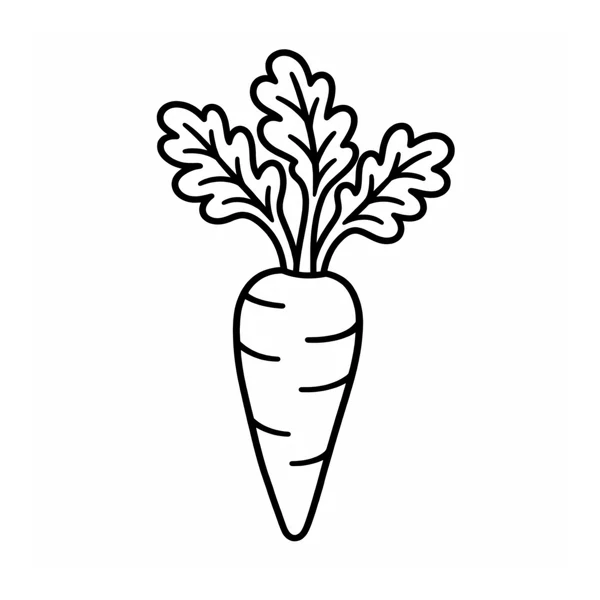
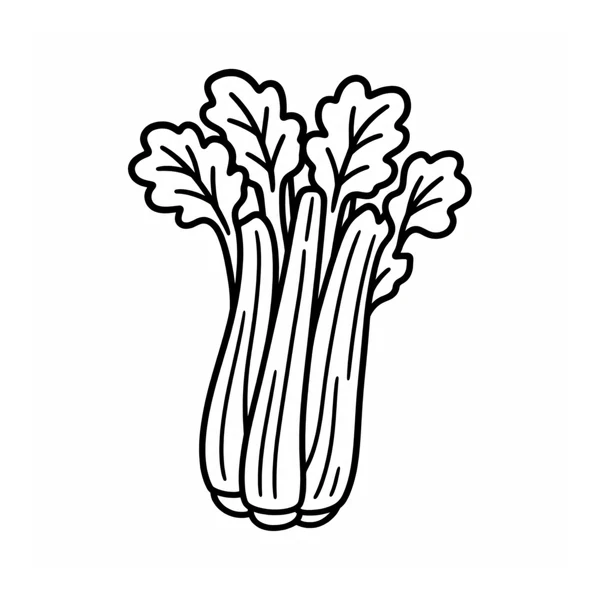
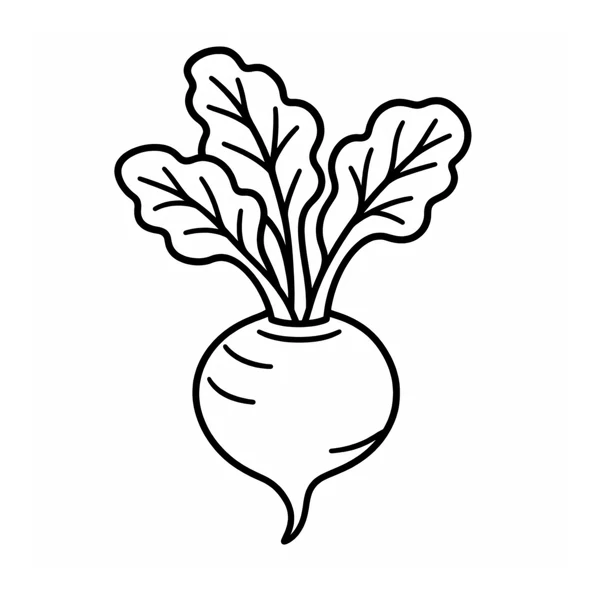


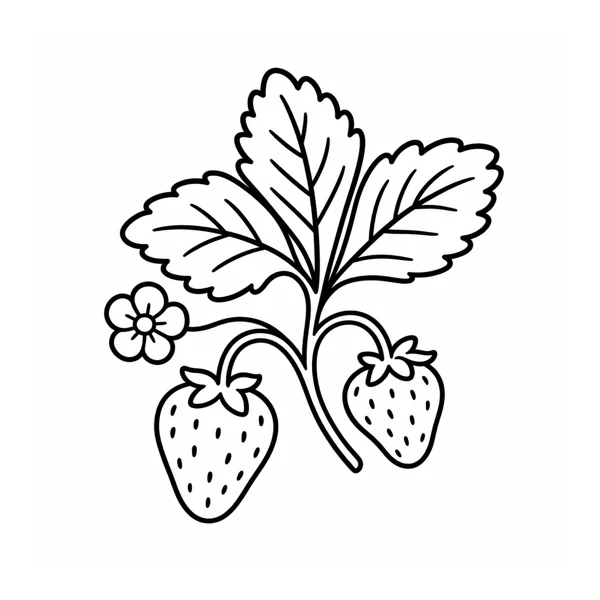
Good: Carrots, celery, beets, lettuce, cabbage and strawberries are traditional bed-mates for leeks. Lettuce fits in the gaps while the leeks are still small.
Avoid: Green beans and peas. Old garden lore keeps legumes away from leeks and other onion-family plants. More important, keep leeks out of beds where onions or garlic grew last year, to break the cycle of soil pests and diseases.
Seeds that grow well in your area in November
Affiliate links — shopping through these helps keep Evening Vines free. Common Milkweed
 PansySeeds
 PhloxSeeds
 Royal Mix
Varieties worth growing
Early types for short seasons (Canada and the northern US):
- King Richard: Long, slender stems in about 75 days. A good choice for a short summer and baby leeks, but it takes only light frost, so use it before winter.
- Columbus: Early, with long white stems, ready in about 80 days.
Midseason and winter-hardy types:
- Lancelot: Midseason, about 110 days, with long, straight stems.
- Tadorna: Dark blue-green leaves and good cold tolerance; about 100 days.
- Bandit: A selection of the old blue-leaved Blauwgroene Winter type. Short, thick stems, about 120 days, and very winter hardy with a mulch.
- American Flag (Large American Flag): An old, dependable late leek, about 130 days, that stands well in cold weather. Also grown as a winter crop in the southern US and in Australia. Seeds
Cool maritime summers (UK and Ireland):
- Musselburgh (Giant Musselburgh): A Scottish heirloom, very hardy, with thick stems for winter use; about 150 days. Widely sold in Australia too. Seeds
- Porvite: Large, even stems for fall and early winter, and resistant to bolting.
- Oarsman: A British-bred winter hybrid with good resistance to rust; it holds an RHS Award of Garden Merit.
- Blauwgroene Winter: A blue-leaved late leek that crops from winter into spring; also an RHS Award of Garden Merit leek.
Leeks seeds to buy
Affiliate links — shopping through these helps keep Evening Vines free.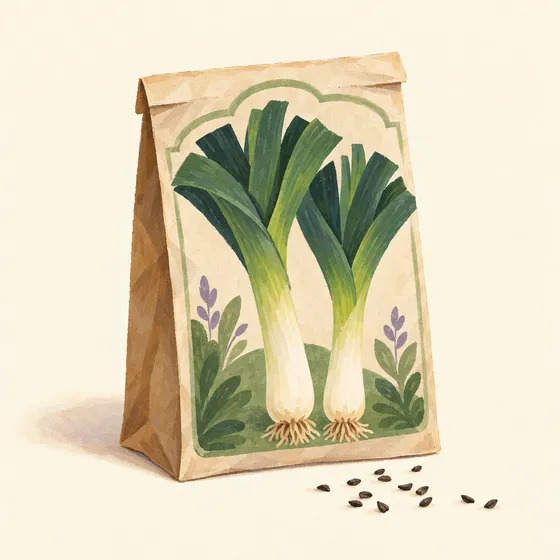 American Flag
Picking notes
Start pulling leeks once the stems are about an inch across, from late summer onward. Baby leeks can be pulled much sooner, about two months after sowing. Lift every other plant first so the rest have room to fatten. Loosen the soil beside the stem with a fork and ease the leek out rather than yanking it, which snaps it. Hardy types can be dug as needed through fall and winter in zones 6 to 9, and into spring in the UK and Ireland. Leeks keep a week or two in the fridge.
Saving seed for next year
Leeks flower in their second year. Leave a few of your best plants in the ground over winter. In spring each sends up a tall stalk with a big round head of pale flowers that bees love. Cut the heads when they dry and turn papery and the black seeds start to show, dry them indoors in a paper bag, then rub out the seed. Different leek varieties cross with each other, so let only one variety flower at a time. Leek seed is short-lived; use it within about two years. In zones 3 to 5, lift the seed plants in fall, store them cool and replant in spring.
From garden to table
Leeks are low in calories and a good source of vitamin K, with some vitamin A, folate and fiber. Use the white and pale green parts in soups (leek and potato is the classic), braises, pies, gratins and stir-fries. The dark green tops are tough but add flavor to stock. Slice leeks lengthwise and rinse well, as soil often hides between the layers.
Like onions and garlic, leeks are toxic to dogs and cats, so keep scraps away from pets.
Questions from the potting bench
Why are my leeks so thin? Usually not enough water, food or time. Leeks need steady moisture, rich soil and a long season. Pulling every other plant also lets the rest grow thicker.
Can I leave leeks in the ground over winter? In zones 6 to 9, and in the UK and Ireland, yes, if you grow a winter-hardy variety such as Bandit, American Flag or Musselburgh. In colder zones, dig them before the ground freezes.
Why is there grit inside my leeks? Soil got into the leaf joints when the stems were hilled up. Hill a little at a time, keep soil below the point where the leaves split, and rinse leeks well after slicing.
Grower reports
How did Leeks do in your garden? Members rate it and say which zone and month they planted, so everyone can see what works near them.
Recent community discussions
No one has talked about Leeks yet. Be the first.
Seeds to try
Affiliate links — shopping through these helps keep Evening Vines free.Essentials for Growing Leeks
 Grow Bags
Breathable fabric pots: grow almost anything on a patio, balcony or driveway, and roots never circle.
See it →
 Garden Hand Tools
Trowel, transplanter and cultivator: the three tools you reach for most.
See it →
 Plant Labels
Waterproof markers so you know what's coming up where.
See it →
 Soaker Hose
Waters the roots slowly, not the leaves: less disease, less water, less work.
See it →
 Organic Fertilizer
Slow-release organic plant food for vegetable beds and containers.
See it →
 Watering Can
Long-spout can for gentle watering of seedlings and pots.
See it →
