
Collards
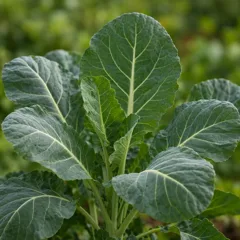
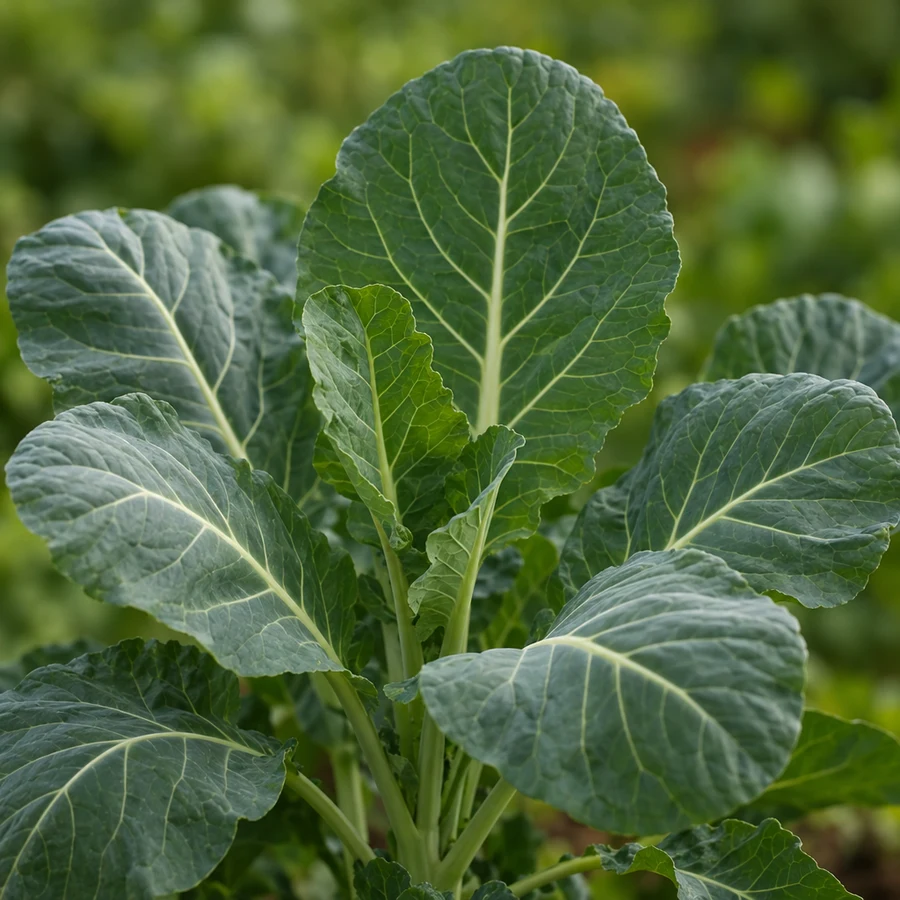
Collards are the greens that carry a garden through fall and winter. The big, sturdy, blue-green leaves keep coming for months, and a few frosty nights turn them sweeter. They put up with summer heat better than kale, though kale is a little tougher in a hard freeze.
Recent community discussions
No one has talked about Collards yet. Be the first.
At a glance
| Plant type | Cool-season leafy vegetable (brassica) |
| Botanical name | Brassica oleracea var. viridis |
| Annual or perennial | Biennial, grown as an annual |
| Sun | Full sun to part shade |
| Water | 1 to 1.5 inches per week |
| Spacing | 18 to 24 inches |
| Planting depth | 1/4 to 1/2 inch |
| Days to germinate | About 6 to 12 (slower in cold soil) |
| Days to maturity | About 60 to 80 |
| Best USDA zones | 6 to 10 as a seasonal crop (grows in most zones) |
| Soil pH | 6.0 to 7.5 |
From planting to harvest
Is it collards weather where you are? See everything to plant this month or read your zone notes.

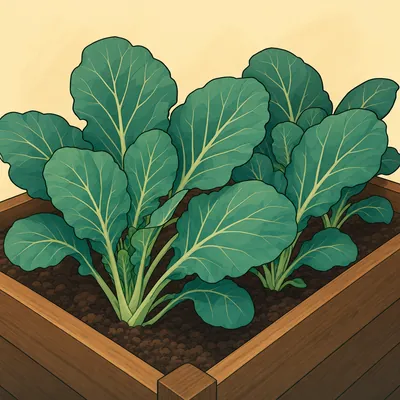
Sow outdoors 3–4 weeks before last frost. For fall harvest, sow midsummer. In mild climates, can be grown year-round.

60–85 days.

Zones 5–10, late spring?early summer; fall harvest possible for cool-season crop.

Fertile clay loam, pH 6.0–7.5. Steady fertility and moisture improve leaf production.
Pests to watch for



Diseases

A little history
Collards are one of the old cabbage relatives, and ancient Greek and Roman gardeners grew them long before heading cabbage was common. They were written about in America by 1669. In the South they became an everyday garden green, especially for African American families, and seed savers there still keep dozens of old local kinds going.
When to sow in your zone
Spring: Transplant (or sow) 3 to 4 weeks before your last frost. Transplants do best in spring, because they get leafy before the heat arrives.
Fall: Transplant 6 to 8 weeks, or sow seed 10 to 12 weeks, before your first fall frost. This is the main collard season, and the sweetest one. For help with the dates, see count back from last frost and start your fall garden in July.
Winter: In zones 8 to 10, fall plantings keep growing and giving leaves right through winter.
In November: In zones 9 and 10, and the milder parts of zone 8, you can still set out collard transplants this month for winter and early spring picking. Check what else goes in now on your zone page: zone 8, zone 9, zone 10, or all zones.
Growing it, step by step
From seed
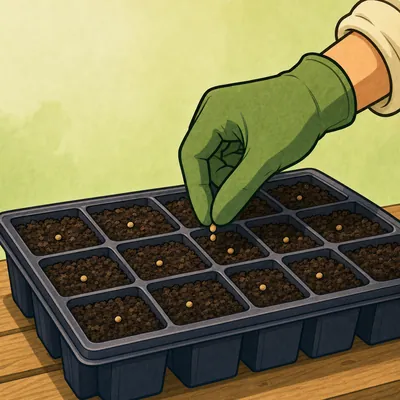
Sow 1/4 to 1/2 inch deep indoors or directly in the bed. Thin to 18 to 24 inches apart.
Moving it outside
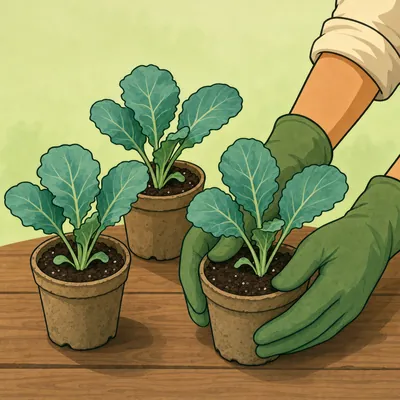
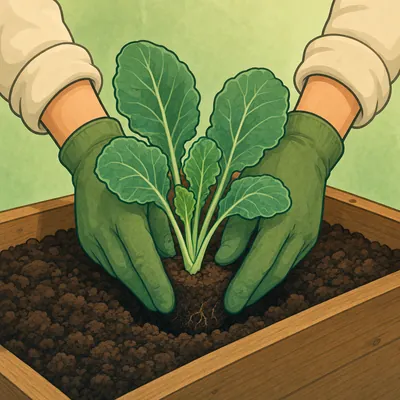
Set out 4- to 6-week-old seedlings after hardening them off.
Water
Give about 1 to 1.5 inches a week, counting rain, and keep it steady for tender leaves. See watering deeply.
Mulch
Mulch to keep roots cool and moist. See mulching in spring.
Feeding
Side-dress with a nitrogen fertilizer or compost about 3 to 4 weeks after planting. Give a second helping 3 to 4 weeks later if the leaves look pale or you're picking over a long season. Keep fertilizer a few inches from the stems.
Keeping it happy
Pick lower leaves regularly and let the top keep growing. Rotate brassica beds each year (see crop rotation against disease).
Trouble in the bed
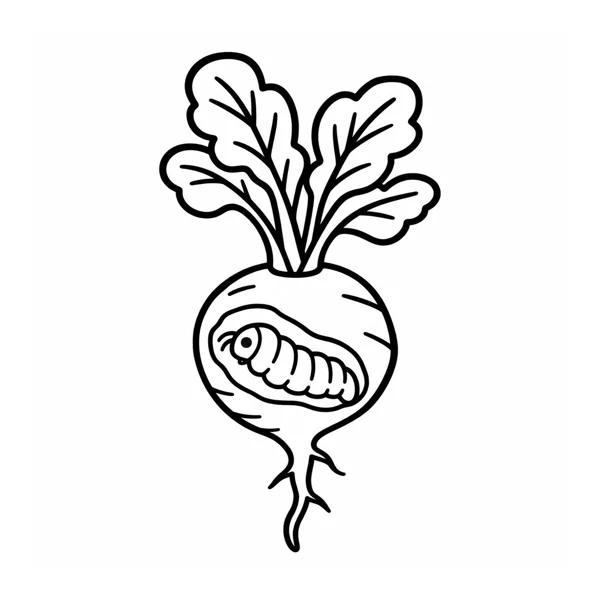
Pests
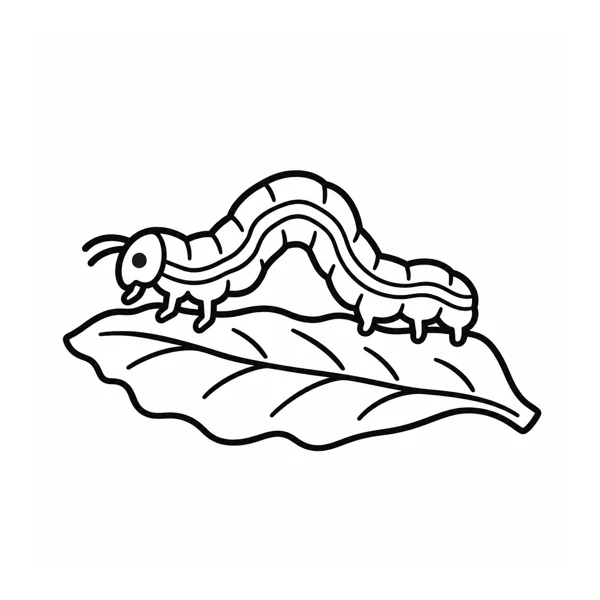
- Cabbage worms and loopers: Use row cover or Bt.
- Aphids: Spray off with water or use insecticidal soap.
- Harlequin bugs: Hand-pick them, especially in the South.
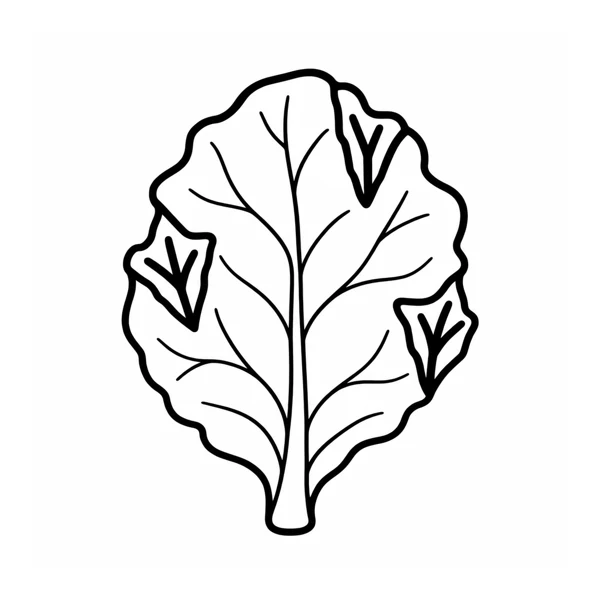
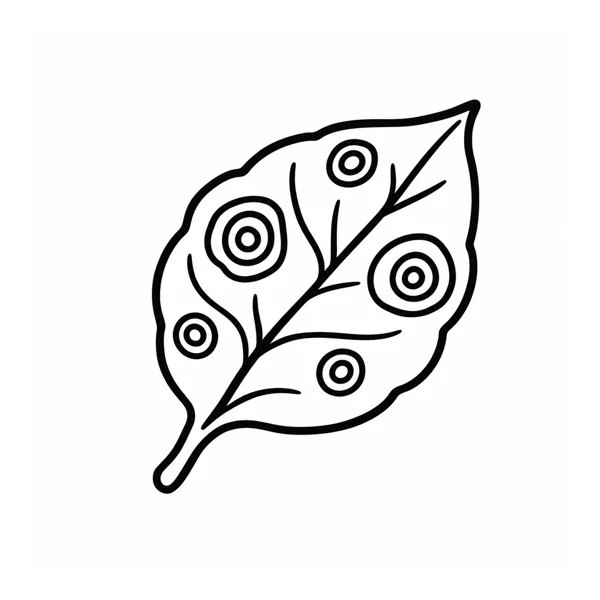
Diseases
- Black rot: Rotate crops and use clean seed.
- Downy mildew: Space plants for airflow and water the soil, not the leaves.
- Alternaria leaf spot: Remove spotted leaves and clear old brassica debris after harvest.
Good neighbors




These are traditional pairings gardeners pass along. Research hasn't proven them, so treat them as a starting point, not a rule.
Traditional pairings: Onions, dill, chamomile, celery, and potatoes.
Traditionally kept apart: Tomatoes and strawberries. Also, don't follow collards with other brassicas in the same bed; that one is about disease, not folklore.
Seeds that grow well in your area in November
Affiliate links — shopping through these helps keep Evening Vines free. Foxglove Mix
 Rocket Larkspur
 Wild Lupine
 Common Milkweed
Varieties worth growing
Collards seeds to buy
Affiliate links — shopping through these helps keep Evening Vines free.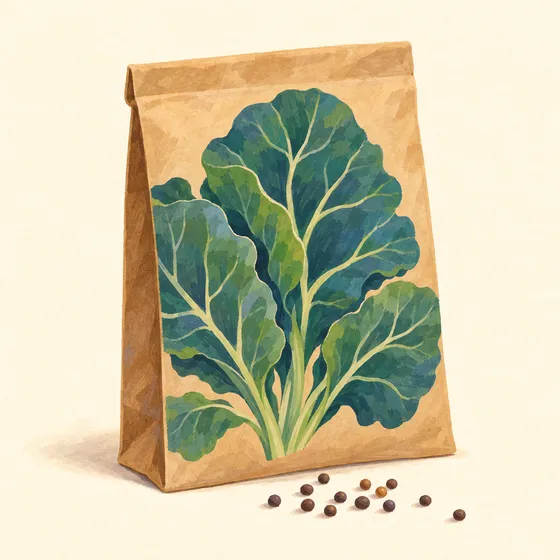 Georgia Southern
Picking notes
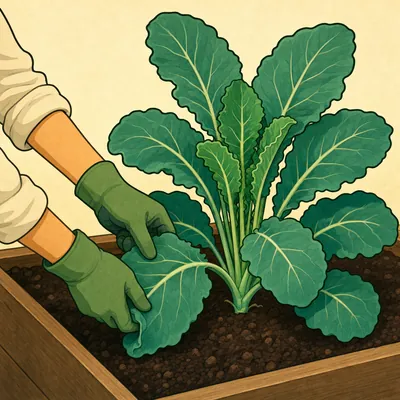
Pick the lower leaves before they pass about 10 inches long; at 6 to 8 inches they're at their most tender. Leave the center to keep growing. Picking carries on until a hard freeze, and all winter in mild zones.
Saving seed for next year
Collards flower in their second year and cross with other Brassica oleracea crops, so isolate them.
From garden to table
Collards are rich in vitamins A, C, and K, calcium, and fiber. Braise them, add them to soups, or use leaves as wraps.
Questions from the potting bench
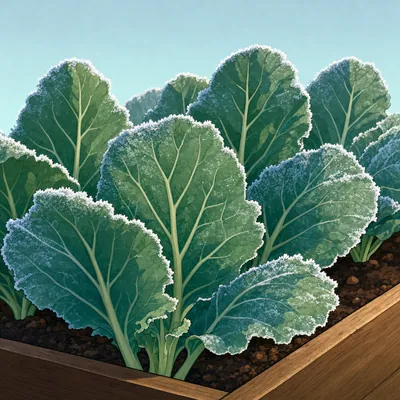
Do collards survive frost? Yes, down to the low 20s°F, and they taste sweeter for it.
Collards or kale? Collards handle heat better; kale is slightly more cold-hardy.
Can I grow collards in containers? Yes, one plant per 5-gallon pot or larger.
Grower reports
How did Collards do in your garden? Members rate it and say which zone and month they planted, so everyone can see what works near them.
Recent community discussions
No one has talked about Collards yet. Be the first.
Seeds to try
Affiliate links — shopping through these helps keep Evening Vines free.Essentials for Growing Collards
 Grow Bags
Breathable fabric pots: grow almost anything on a patio, balcony or driveway, and roots never circle.
See it →
 Insect Netting
Fine mesh that keeps cabbage worms, flea beetles and birds off your crops, no sprays needed.
See it →
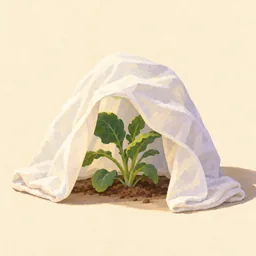 Frost Cloth
Throw it over young plants on cold spring and fall nights.
See it →
 Garden Hand Tools
Trowel, transplanter and cultivator: the three tools you reach for most.
See it →
 Plant Labels
Waterproof markers so you know what's coming up where.
See it →
 Organic Fertilizer
Slow-release organic plant food for vegetable beds and containers.
See it →
