
Stevia
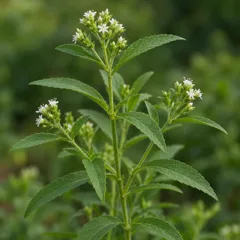
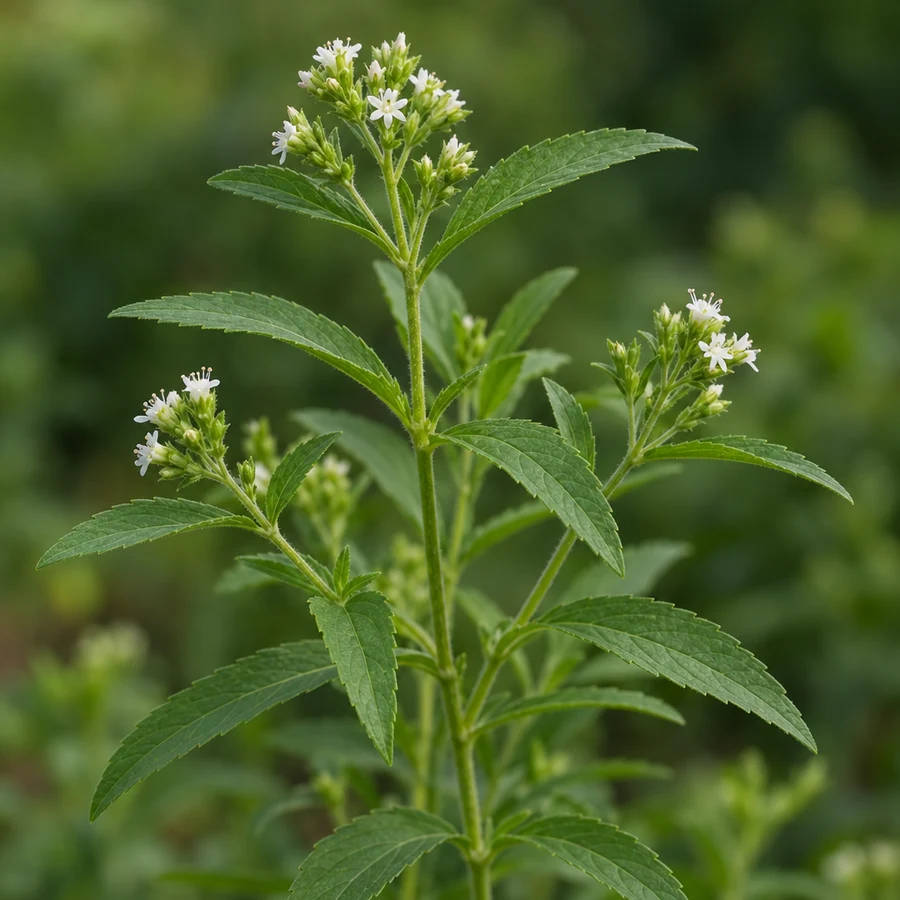
Stevia is a small, bushy herb with leaves that taste much sweeter than sugar. It loves warmth and does well in pots. In cold zones, grow it as an annual or bring pots indoors for winter.
A few fresh leaves sweeten a cup of iced or hot tea.
Recent community discussions
No one has talked about Stevia yet. Be the first.
At a glance
| Plant type | Herb (sweet-leaf) |
| Botanical name | Stevia rebaudiana |
| Annual or perennial | Tender perennial, grown as an annual in cold zones |
| Sun | Full sun to part shade |
| Water | Regular, even moisture |
| Spacing | 12 to 18 inches |
| Planting depth | Surface (needs light) |
| Days to germinate | 7 to 21 days |
| Days to maturity | About 100 to 120 days from seed (approximate); light picking can start sooner on plants from cuttings |
| Best USDA zones | Hardy outdoors in zones 10 to 11 (sometimes 9 in mild winters); grown as an annual everywhere else |
| Soil pH | 6.0 to 7.5 |
Is it stevia weather where you are? See everything to plant this month or read your zone notes.

Start indoors 8–10 weeks before last frost, transplant outdoors when warm. In Zones 9–11, sow outdoors late spring.

Germinates in 7–21 days; 60–90 days.

Zones 9–11, June?Oct; in cooler zones Sept?Nov; indoors year-round.

Light sandy soils or upland loams, slightly acidic (pH 6.0–7.0). Avoids heavy clay.
Pests to watch for






A little history
Stevia comes from Paraguay and nearby parts of Brazil. The Guaraní people have used the leaves for centuries to sweeten drinks such as mate.
When to sow in your zone
Spring: Start seeds indoors 8 to 10 weeks before your last frost (count back from your frost date). Plant out starts or rooted cuttings after the last frost, once nights stay above 50°F. Fall: In zones 10 and 11 (zone 10, zone 11), you can take cuttings or set out new plants in early fall. In colder zones, pot plants up and bring them indoors before the first frost. Not sure of your zone? Find it here.
Growing it, step by step
From seed
Press seeds onto the surface and do not cover them. They need light and warmth, about 68 to 75°F. Germination is often poor, so sow thickly. A grow light keeps the seedlings from stretching.
Moving it outside
Harden off seedlings and plant after frost. Space 12 to 18 inches apart.
Water
Keep soil evenly moist. Stevia has shallow roots and wilts in dry spells.
Mulch
Add 2 inches of mulch to hold moisture and keep roots cool.
Feeding
Mix compost in at planting. A light feed once a month is plenty. Go easy on nitrogen: it makes big, bland leaves.
Keeping it happy
Pinch the tips often for bushy plants, and do your main picking before the plant flowers. Cut plants back by half before bringing them indoors. Overwinter in a bright, cool spot and water lightly.
Trouble in the bed
- Spider mites: Rinse leaves and raise humidity.
- Whiteflies and aphids: Spray off with water or use insecticidal soap.
- Root rot: Comes from soggy soil. Plant in well-drained soil or a pot with drainage holes, and let the top inch dry between waterings.
- Septoria leaf spot: Small dark spots on the lower leaves that spread upward. Water at the base and pick off spotted leaves.
- White mold (Sclerotinia stem rot): Stems wilt and collapse, with white, cottony growth at the base in damp weather. Give plants room for air to move, and pull and throw away infected plants.
Good neighbors




Stevia sits happily beside basil, tomatoes and peppers, which like the same warm sun and steady water. Keep it out of cold, wet, shady corners, where it sulks.
Seeds that grow well in your area in November
Affiliate links — shopping through these helps keep Evening Vines free. Smooth Blue Aster
 Polka Dot Mix
 Black-Eyed SusanSeeds
 ColumbineSeeds
Varieties worth growing
Stevia is mostly sold simply as "stevia," and few named varieties reach home gardeners.
- Criolla: Unselected native (landrace) stevia from Paraguay, so plants vary in size and sweetness.
- Morita II: A Japanese cultivar bred for both leaf yield and high sweetness.
- Nursery plants from cuttings: Often sweeter and more even than seed-grown plants.
Picking notes
Pick from August until the first frost in cold zones, and through the warm months where it's frost-free. Leaves are sweetest just before the flowers open. Cut stems in the morning once the dew has dried, then strip the leaves. Dry them on a rack in a warm, shady spot (more in drying herbs for winter).
Saving seed for next year
Let flowers form and dry on the plant. Seeds are tiny and often poorly viable. Cuttings are more reliable for keeping a sweet plant.
From garden to table
Dried leaves can be crushed to sweeten tea, drinks, and baking. Use fresh leaves in small amounts. Safety: Stevia is in the daisy family, so people allergic to ragweed may react to it. Whole leaf is not the same as commercial stevia extract.
Questions from the potting bench
My seedlings came up, then just sat there. Why? Stevia seedlings are slow, and they stall when they're cool or short of light. Keep them warm and bright, or start from a cutting next time for a quicker plant. My leaves taste flat or a little bitter. What went wrong? Seed-grown plants vary a lot, leaves lose sweetness once the plant flowers, and too much nitrogen dulls them. Pick before it blooms and feed lightly. Will my plant make it through winter outside? Only in zones 10 and 11, and sometimes zone 9 in a mild winter. Anywhere colder, pot it up and bring it in before frost. Can it live on a windowsill? Yes, in your brightest window or under lights. See growing herbs on a windowsill.
Grower reports
How did Stevia do in your garden? Members rate it and say which zone and month they planted, so everyone can see what works near them.
Recent community discussions
No one has talked about Stevia yet. Be the first.
Essentials for Growing Stevia
 Grow Bags
Breathable fabric pots: grow almost anything on a patio, balcony or driveway, and roots never circle.
See it →
 Seed Starting Tray
Reusable tray with a clear dome to give seeds a warm, humid start indoors.
See it →
 LED Grow Light
Full-spectrum light for sturdy seedlings through short winter days.
See it →
 Pruning Shears
Sharp bypass pruners for harvesting, deadheading and tidying.
See it →
 Watering Can
Long-spout can for gentle watering of seedlings and pots.
See it →
 Organic Fertilizer
Slow-release organic plant food for vegetable beds and containers.
See it →
