
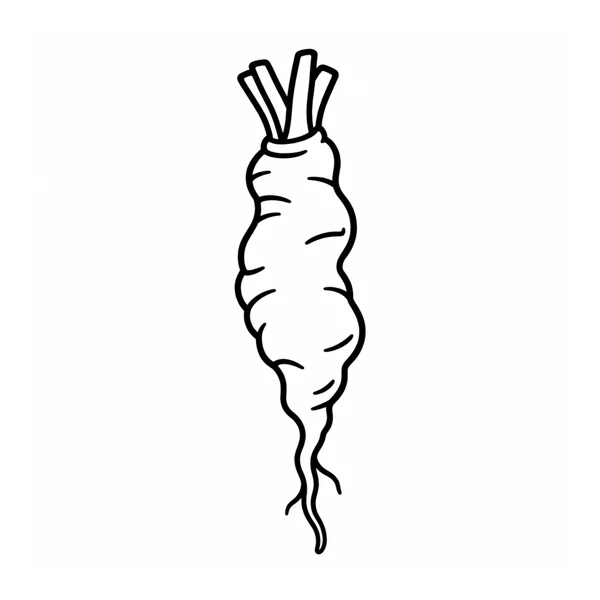
 Clubroot
At a glance
| Type | Soil-borne organism (a slime-mold-like pathogen, not a true fungus) |
| Main cause | Plasmodiophora brassicae |
| Worst conditions | Acid soil (below about pH 7), wet or poorly drained soil, moist soil at mild temperatures (about 64-77°F) |
Recent community discussions
No one has talked about Clubroot yet. Be the first.
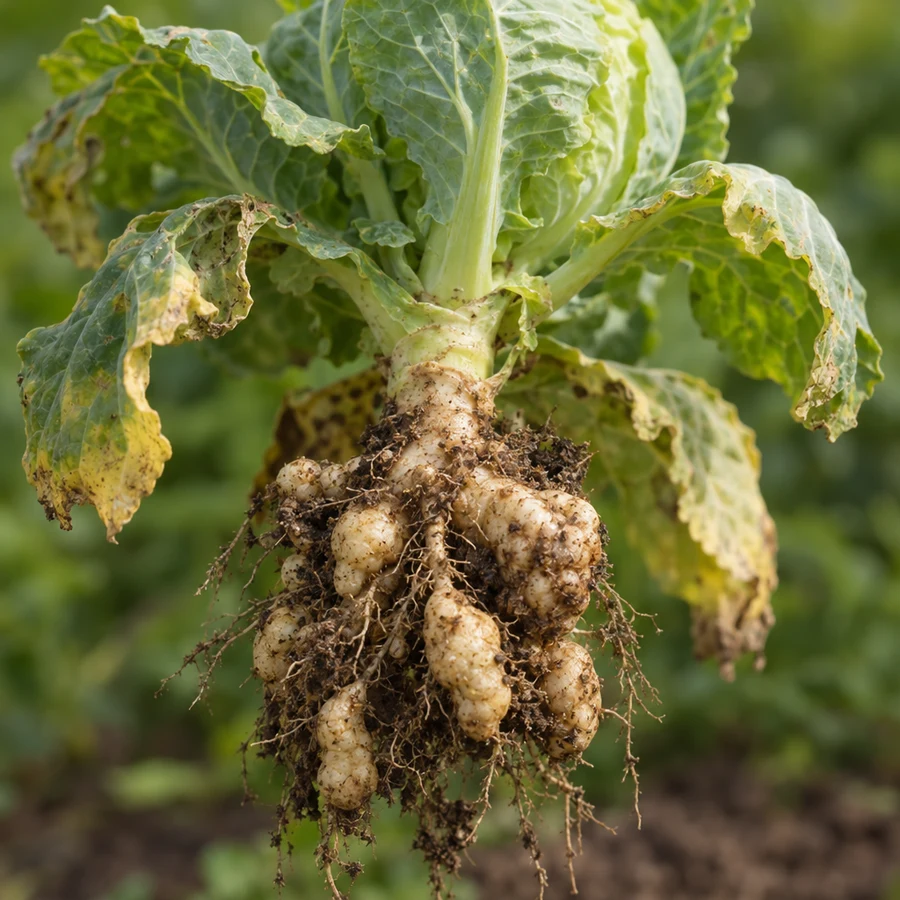
Clubroot in brassicas is one of the hardest problems to shake once you have it. It only does its damage on the cabbage family, from cabbage and kale to broccoli and turnips, but once it's in a bed it can stay there for many years. If you pull up a wilting plant and find swollen roots on your cabbage, this is the first thing to suspect.
Signs
- Plants wilt on warm, sunny afternoons and perk up again overnight.
- Leaves turn yellow or pale, and plants are stunted and slow to head up.
- Dig one up: the roots are swollen into knobby, club- or spindle-shaped lumps instead of fine roots.
- Old galls go soft and rot as other soil organisms move in.
- Root-knot nematodes also make lumps, but theirs are small beads along the root; clubroot galls are large and distorted.
Cause and Spread
Clubroot spores live in the soil and can survive there for 10 years or more without a host. They swim through wet soil to infect root hairs, and the roots swell as the pathogen grows. Rotting galls release millions of new spores back into the soil. It moves to new beds on infected transplants, in soil stuck to boots and tools, and in running water. It can even travel in manure: a 2016 study found the spores came through the gut of chickens and pigs fed infected plants still alive and able to cause disease (Plant Pathology, 2016). So don't spread manure from animals fed cabbage-family scraps on beds where you grow brassicas.
Prevention
- Grow your own transplants in fresh potting mix, or buy only clean, healthy-looking ones.
- Raise the soil pH: in an affected bed, lime to about pH 7.2 (UMaine, UConn, NC State), and put the lime on at least 6 weeks before planting (UMaine). Test the soil first, since high pH can hold back other crops in the rotation.
- Improve drainage; raised beds help.
- Rotate: keep all cabbage-family crops out of the bed for at least 5-7 years, and pull cabbage-family weeds such as wild mustard and shepherd's purse. Our crop rotation plan shows how to map it out.
- Clean soil off boots and tools before moving from an infected bed to a clean one.
- Choose clubroot-resistant varieties where they're offered. More on picking them in choose disease-resistant varieties.
Organic Treatment
- There's no cure once roots are infected, and no spray reaches it.
- Does lime cure clubroot? No. Liming, drainage and rotation are the real tools; they lower the damage over the seasons rather than wiping it out.
When to Pull the Plant
Pull infected plants as soon as you see galls, before the galls rot and release spores. Take out as much root as you can, bag it and throw it out with the trash, and never compost it. Wash soil off your tools and boots afterward. Our fall clean-up guide covers the rest of the bed.
Sources
- UMass Extension, Brassicas: Clubroot: https://www.umass.edu/agriculture-food-environment/vegetable/fact-sheets/brassicas-clubroot
- UC IPM, Clubroot (home gardens): https://ipm.ucanr.edu/PMG/GARDEN/VEGES/DISEASES/clubroot.html
- University of Maine Cooperative Extension, Clubroot of Crucifers: https://extension.umaine.edu/ipm/?p=4575
- UConn IPM, Clubroot of Crucifers: https://ipm.cahnr.uconn.edu/clubroot-of-crucifers/
- NC State Extension, Clubroot of Brassicas: https://content.ces.ncsu.edu/clubroot-of-brassicas
- Cornell Vegetables, Clubroot of Crucifers: https://www.vegetables.cornell.edu/?p=3184
- Oregon State, Liming and Clubroot Control: https://agsci.oregonstate.edu/oregon-vegetables/liming-and-clubroot-control-brassicas-handout-2013-veg-field-day
- Chai et al., Dissemination of Plasmodiophora brassicae in livestock manure detected by qPCR, Plant Pathology 65 (2016): 137-144: https://doi.org/10.1111/ppa.12391
Plants it affects 11
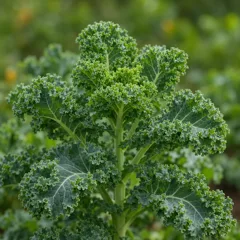
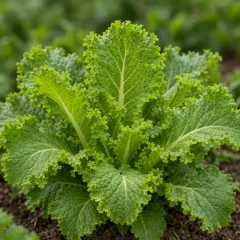

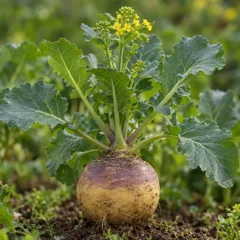
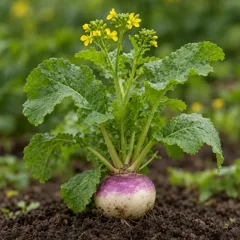
Recent community discussions
No one has talked about Clubroot yet. Be the first.
Products that take care of Clubroot
 Biofungicide (Bacillus subtilis)Friendly bacteria that crowd out mildews, gray mold and leaf spots.See it →
 Seed Starting TrayReusable tray with a clear dome to give seeds a warm, humid start indoors.See it →
 Soaker HoseWaters the roots slowly, not the leaves: less disease, less water, less work.See it →
Products that take care of Clubroot
SB Plant InvigoratorA non-toxic spray that controls mildew and many bugs by contact, and feeds the leaves as it goes.See it →Seed Starting TrayReusable tray with a clear dome to give seeds a warm, humid start indoors.See it →Soaker HoseWaters the roots slowly, not the leaves: less disease, less water, less work.See it →