
Turnip
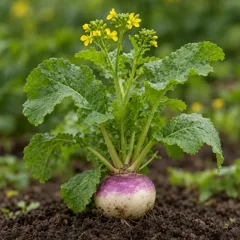
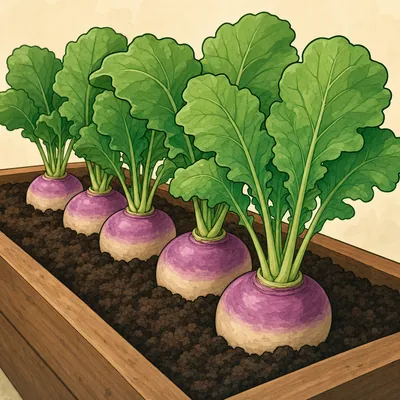
Turnips are fast, cool-season crops that give you two harvests: sweet, tender roots and nutritious leafy tops. Most roots are round and white with a purple top, picked at 2 to 3 inches across. Some are all white, yellow, or red.
They grow best in spring and fall. Pick them small, because overgrown turnips turn woody and sharp. They're one of the quickest crops in the garden.
Recent community discussions
No one has talked about Turnip yet. Be the first.
At a glance
| Plant type | Root vegetable and leafy green |
| Botanical name | Brassica rapa subsp. rapa |
| Annual or perennial | Biennial, grown as an annual |
| Sun | 6 hours of full sun; tolerates light shade |
| Water | About 1 inch per week, kept even |
| Spacing | 4 to 6 inches |
| Planting depth | 1/4 to 1/2 inch |
| Days to germinate | 3 to 10 |
| Days to maturity | 30 to 40 for baby or salad turnips; 40 to 70 for full roots |
| Best USDA zones | 2 to 9 for spring and fall sowing; fall and winter sowing in 10 and 11 |
| Soil pH | 6.0 to 7.5 |
From planting to harvest
Is it turnip weather where you are? See everything to plant this month or read your zone notes.

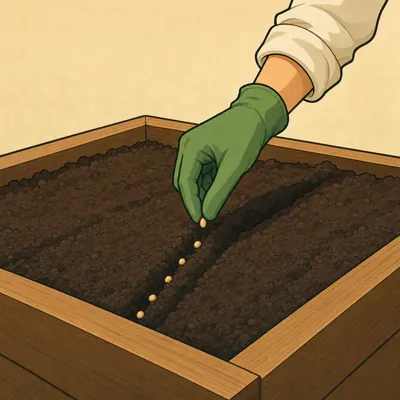
Direct sow 2–4 weeks before last frost. For fall crops, sow late summer (Zones 6–9). Quick-growing, succession sow every 2–3 weeks.

30–60 days.

Zones 2–9, May?June for spring sowing; fall crops ready Sept?Nov; baby roots in 30–40 days.

Loose sandy loam or silty loam, pH 6.0–7.5. Avoid compacted clays.
Pests to watch for


Diseases


A little history
Turnips have been grown for more than 3,000 years across Europe and Asia. They fed people and livestock long before potatoes arrived, and turnip greens remain a staple of Southern cooking in the US.
When to sow in your zone
Spring: Sow directly 2 to 4 weeks before the last frost, as soon as the soil can be worked. Sow again every 2 to 3 weeks until the weather warms. Don't rush seed into cold, wet ground: seedlings that sit through a long chilly spell are the ones most likely to bolt later.
Fall: Sow about 6 to 8 weeks before your first fall frost, or up to 10 weeks for slower storage types like Purple Top White Globe. Fall roots are often sweeter, since cool weather and light frosts improve their flavor. Every zone can grow a fall crop. In cold-winter gardens (zones 2 to 5) that usually means sowing in late July or early August. In zones 10 and 11, keep sowing through fall and winter, when the weather is at its coolest.
Where you live: To see when to plant turnips in zone 7, zone 5 or wherever you garden, pick your zone on the zones page or enter your ZIP in the planting tool. For help working out your dates, see count back from your last frost, and for the late-summer sowing, start your fall garden in July and sow fall greens in August.
Growing it, step by step
From seed
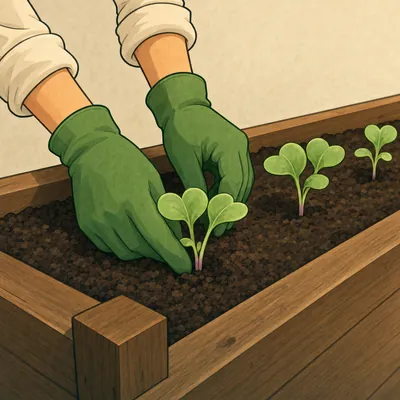
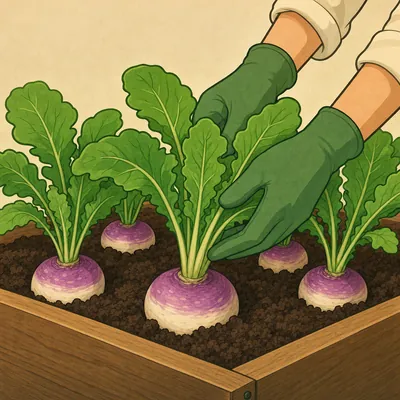
Sow 1/4 to 1/2 inch deep directly in the garden, in rows 12 to 18 inches apart. Seedlings come up in 3 to 10 days. Thin to 4 to 6 inches apart for roots, or 2 to 3 inches for greens only. Snip the extras at soil level rather than pulling them, so you don't disturb the ones you keep (more on thinning).
Moving it outside
Leave turnips where they're sown, because transplanting often causes forked or stunted roots.
Water
Give about 1 inch per week, evenly. Uneven watering leads to cracked, bitter, or woody roots.
Mulch
Add a light layer of straw or shredded leaves once seedlings are up to keep the soil cool and moist.
Feeding
Work compost into the bed before sowing. Too much nitrogen gives big leaves and small roots. If growth is slow, side-dress lightly with a balanced fertilizer.
Keeping it happy
Thin early and weed carefully, since young turnips don't like sharing their space. Use row cover to block flea beetles and root maggots. Avoid planting where other cabbage-family crops grew in the past 2 to 3 years (a simple rotation plan helps).
Heat and bolting are two separate problems. Hot weather makes roots pithy and sharp-tasting, so time your sowings to finish in cool weather. Bolting usually starts with cold: a run of chilly days after the seedlings are up, followed by the long days of late spring, tells the plant it's time to flower.
Trouble in the bed
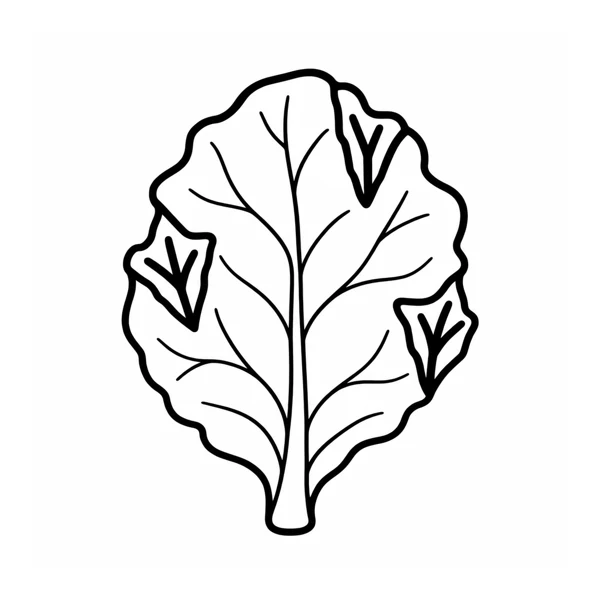
- Flea beetles: Tiny beetles that pepper the leaves with holes. Use row cover.
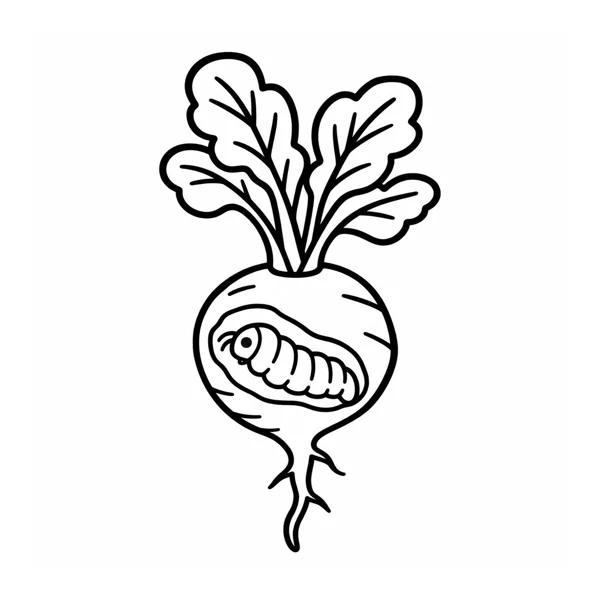
- Root maggots: Larvae that tunnel into roots. Row cover and crop rotation help.
- Aphids: Cluster on leaf undersides. Rinse off or use insecticidal soap.
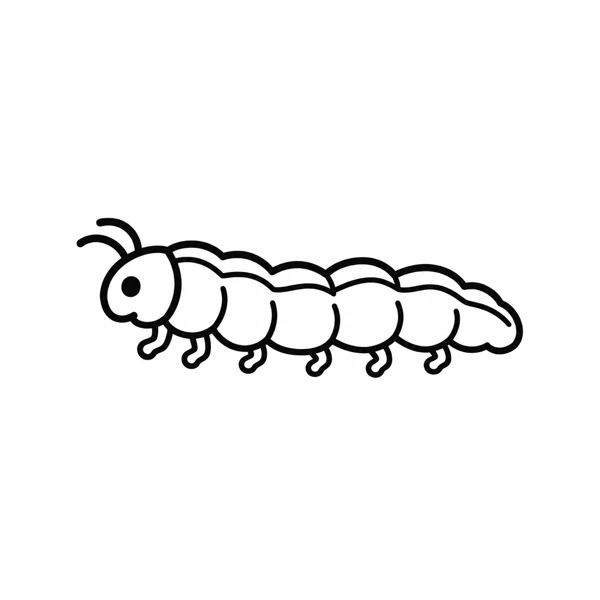
- Cabbage worms: Green caterpillars that chew ragged holes in the leaves. Row cover keeps the white moths from laying eggs; hand-pick any you find.
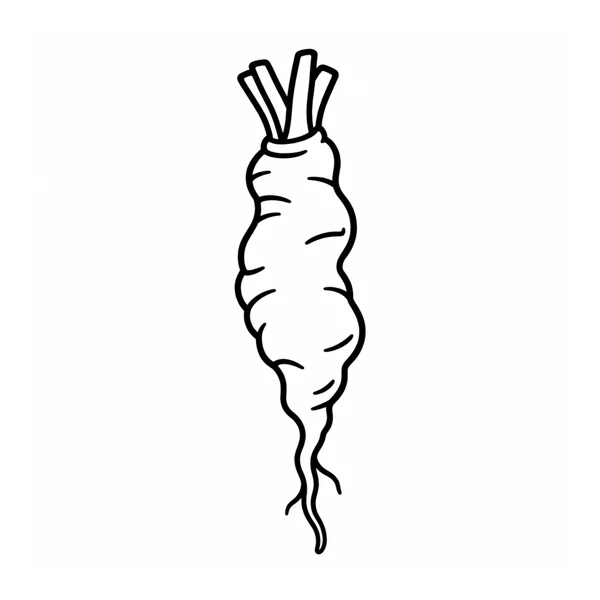
- Clubroot: A soil disease that swells and distorts roots. Rotate crops. If clubroot has turned up in your soil, test the pH and lime to about 7.2, mixing the lime in well a few weeks before sowing.
Good neighbors

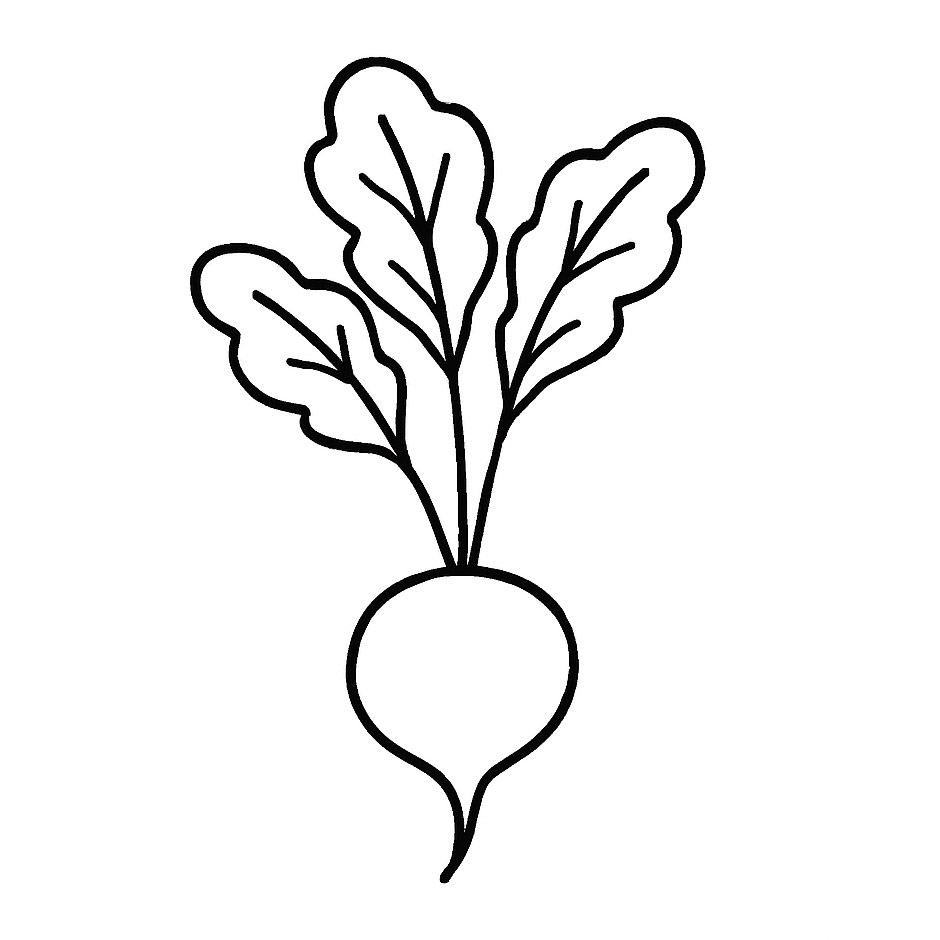


Good: Peas, beans, onions, lettuce, and spinach.
Avoid: Other cabbage-family crops in the same spot year after year, since they share pests and diseases. That includes radishes: they're quick enough to tuck in for a few weeks, but count them in your rotation like any other brassica.
Seeds that grow well in your area in November
Affiliate links — shopping through these helps keep Evening Vines free. Moonbeam
 Foxglove Mix
 Rocket Larkspur
 Wild Lupine
Varieties worth growing
Turnip seeds to buy
Affiliate links — shopping through these helps keep Evening Vines free.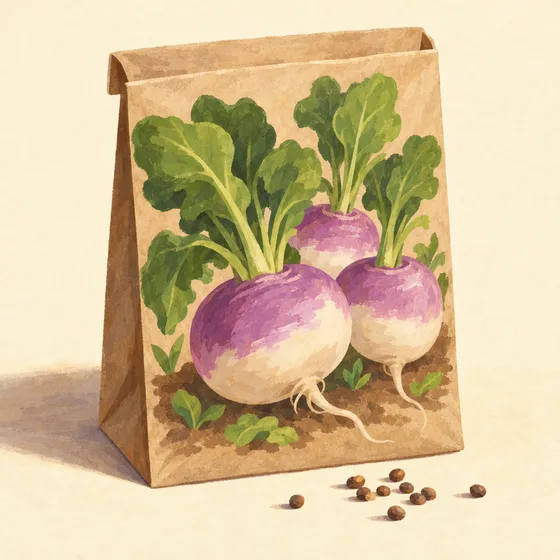 Purple Top White Globe
Picking notes
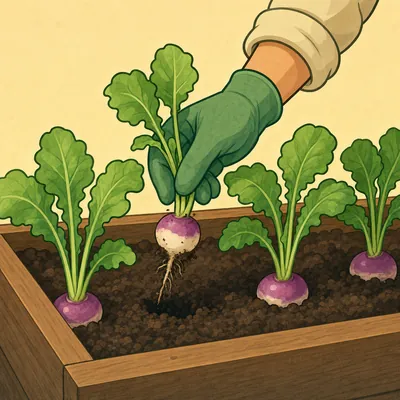
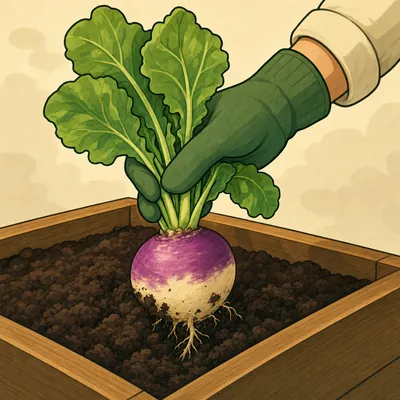
Pull roots when they're 2 to 3 inches across; small ones are sweetest. Salad types like Hakurei are best even smaller, at 1 to 2 inches. Pick greens once they're 4 to 6 inches long, taking a few leaves per plant. Twist off the tops and store roots in the fridge for 1 to 2 weeks. In colder zones, fall roots can stay in the ground under mulch for a while (leave root crops in the ground).
Saving seed for next year
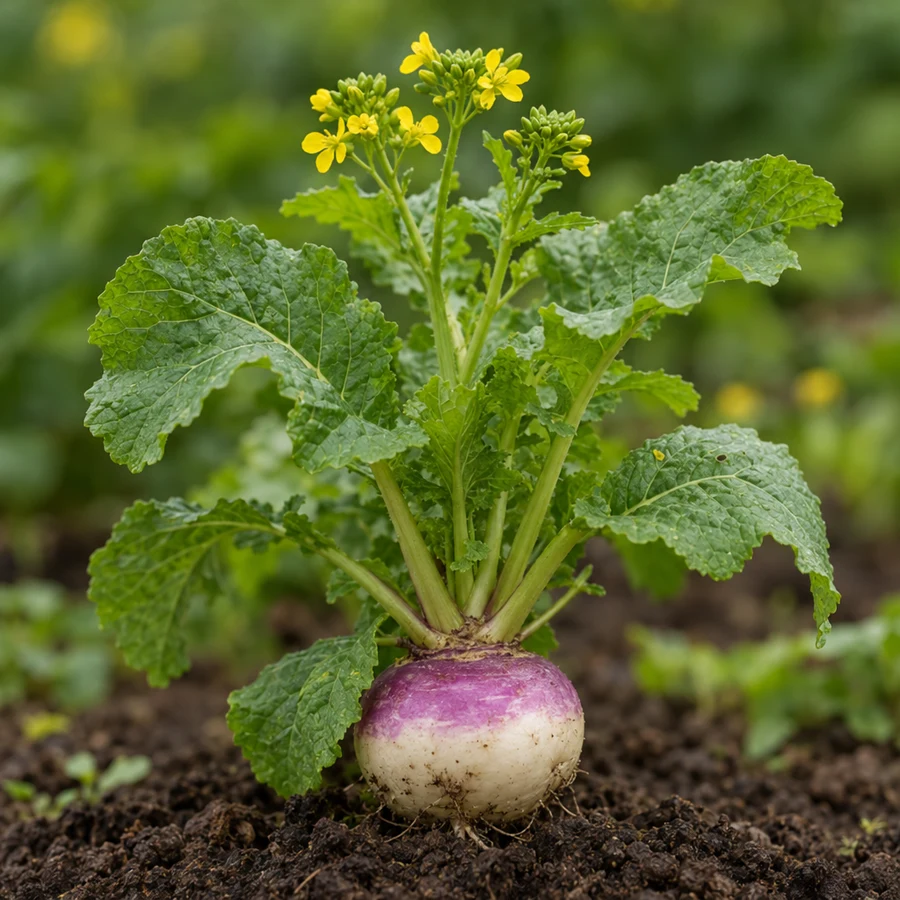
Turnips flower and set seed in their second year. Leave a few healthy roots in the ground over winter with mulch, let the flower stalks mature until the pods turn brown, then collect the seed. Turnips cross readily with other Brassica rapa crops such as bok choy and napa cabbage, so let only one flower at a time.
From garden to table
Turnip roots are low in calories and provide vitamin C and fiber. The greens are rich in vitamins A, C, and K, and calcium. Eat small roots raw, or roast, mash, or add them to soups and stews. Sauté or braise the greens.
Questions from the potting bench
Why are my turnips woody or bitter? They probably got too big, or finished growing in hot weather. Harvest small and time them for cool weather.
Can I eat the tops? Yes. Turnip greens are tasty and nutritious.
Why did my turnips bolt? Most often a cold spell after sowing, followed by long spring days, set them flowering. Wait for workable soil before sowing in spring, or grow them as a fall crop, when the days are getting shorter.
Grower reports
How did Turnip do in your garden? Members rate it and say which zone and month they planted, so everyone can see what works near them.
Recent community discussions
No one has talked about Turnip yet. Be the first.
Seeds to try
Affiliate links — shopping through these helps keep Evening Vines free.Essentials for Growing Turnip
 Grow Bags
Breathable fabric pots: grow almost anything on a patio, balcony or driveway, and roots never circle.
See it →
 Insect Netting
Fine mesh that keeps cabbage worms, flea beetles and birds off your crops, no sprays needed.
See it →
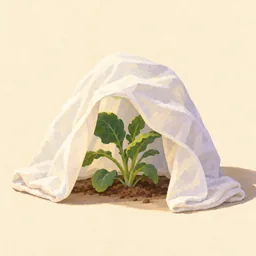 Frost Cloth
Throw it over young plants on cold spring and fall nights.
See it →
 Garden Hand Tools
Trowel, transplanter and cultivator: the three tools you reach for most.
See it →
 Plant Labels
Waterproof markers so you know what's coming up where.
See it →
 Organic Fertilizer
Slow-release organic plant food for vegetable beds and containers.
See it →
