
Arugula
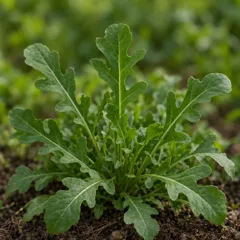
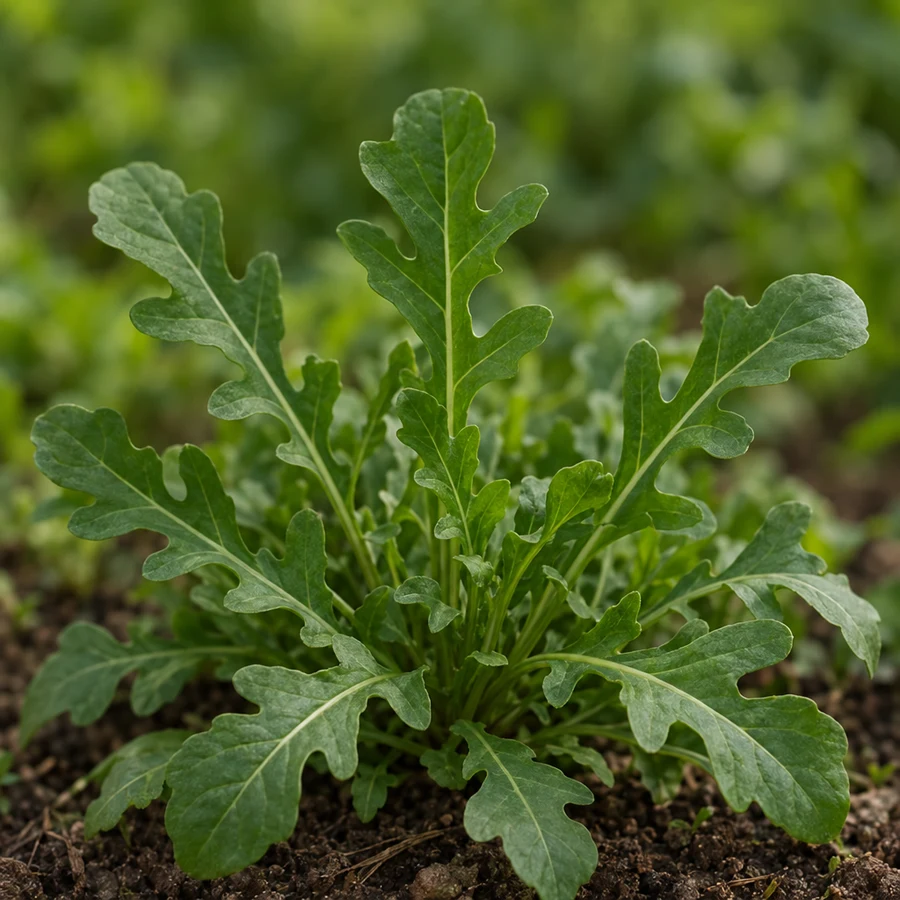
Arugula is a fast, peppery salad green with deeply lobed leaves. It grows quickly in cool weather and can be ready to pick in as little as three weeks. The flavor is nutty and sharp, and it gets stronger as the plant ages or the weather warms.
It's one of the best crops for beginners and small spaces. Grow it in a bed, a window box, or between slower vegetables. Sow a little every couple of weeks and you'll have a steady harvest all through the cool seasons.
Recent community discussions
No one has talked about Arugula yet. Be the first.
At a glance
| Plant type | Cool-season leafy green |
| Botanical name | Eruca vesicaria subsp. sativa |
| Annual or perennial | Annual |
| Sun | Full sun to part shade |
| Water | Regular, even moisture |
| Soil | Fertile, well-drained loam |
| Spacing | 4 to 6 inches |
| Planting depth | 1/4 inch |
| Days to germinate | 4 to 10 |
| Days to maturity | Baby leaves 20 to 30; full size about 40 |
| Best USDA zones | 3 to 11 as a seasonal crop |
| Soil pH | 6.0 to 7.0 |
From planting to harvest
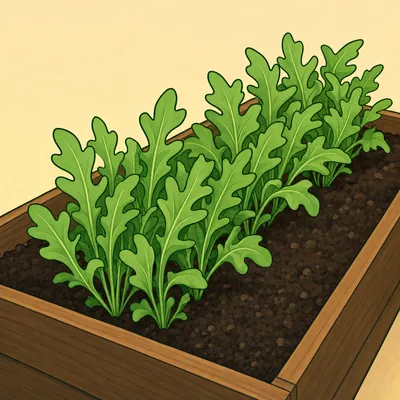
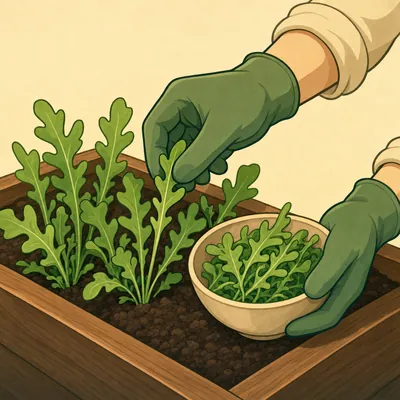
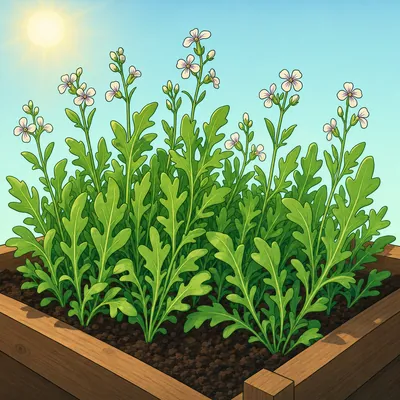
Is it arugula weather where you are? See everything to plant this month or read your zone notes.

Early spring 2–4 weeks before last frost, or late summer 6–8 weeks before first frost. Mild zones: year-round with care.

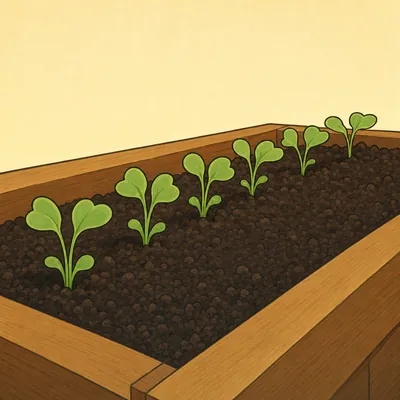
Baby leaves in 20 days; mature in 4–6 weeks; best for succession planting.

Zones 3–8, April?June, September?November; Zones 9–10, harvest through winter with frost cover.

Moist, fertile silty loam, pH 6.0–7.0. Benefits from compost or aged manure.
Pests to watch for







A little history
Arugula comes from the Mediterranean, where people have eaten it since Roman times. In Italy it's called rucola, and in Britain it's known as rocket. It became popular in American kitchens in the late 20th century.
When to sow in your zone
When to plant arugula in zones 3 to 7: Sow outdoors in spring, 2 to 4 weeks before your last frost date, once the soil can be worked. Sow a new row every 2 weeks until the weather turns warm. Sow again in late summer, 6 to 8 weeks before your first fall frost, and keep going every 2 weeks while the weather stays cool.
When to plant arugula in zones 8 to 11: Here arugula is a fall-to-spring crop, not a summer one. Start sowing once the late-summer heat breaks, usually September or October, and keep sowing every couple of weeks into early spring. Summer heat makes it bolt fast. In zones 8 and 9, arugula shrugs off light frost; throw a row cover over it on the coldest nights. Zones 10 and 11 rarely see frost, so it grows straight through winter with no cover at all.
Cool weather keeps the leaves milder, so the sowings that grow through fall and early spring taste the best.
Is it arugula weather where you are? Find your frost dates and what to sow this month on the zone pages, for example zone 9. The count back from your last frost post shows how to work out your spring sowing date.
Growing it, step by step
From the seed packet
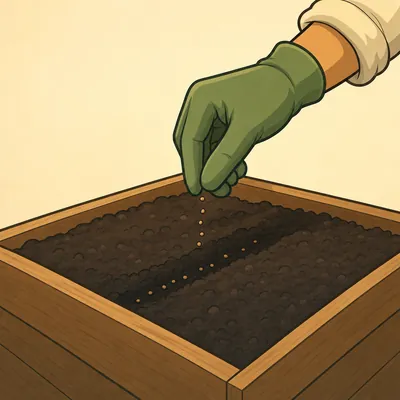
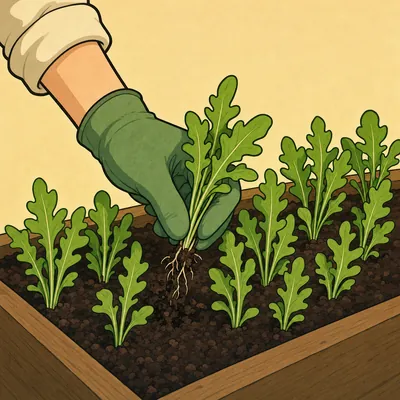
Arugula likes fertile, well-drained loam with some compost worked in. Sow seeds 1/4 inch deep and about an inch apart, in rows or scattered across a bed. Keep the soil evenly moist. Thin to 4 to 6 inches for full-size plants, or leave them crowded and cut them young as baby greens.
If you start it in trays
Sowing straight into the bed is best, because arugula grows so fast. If you do raise seedlings in trays, set them out young, before the roots fill the cell.
Keeping the soil damp
Give arugula about an inch of water a week. Steady moisture keeps leaves tender and slows bolting. Dry spells make the leaves hot and bitter.
A cool blanket of mulch
A light layer of straw or shredded leaves keeps the soil cool and moist, which helps delay bolting.
Feeding
Work in compost before sowing. A light feed of fish emulsion midway through helps leaf growth.
Keeping it happy
Heat and long days make arugula bolt, which means it sends up flower stalks. Give it afternoon shade in late spring, and plant again in fall. Weed lightly and cut leaves often to encourage new growth. Row cover keeps most pests off.
Trouble in the bed
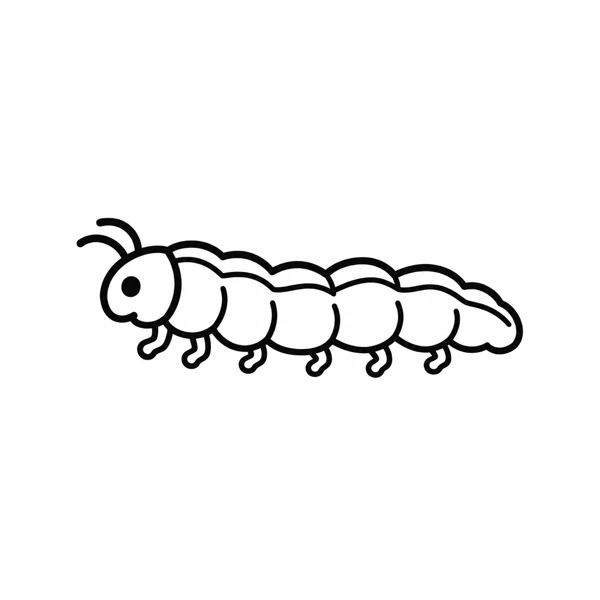
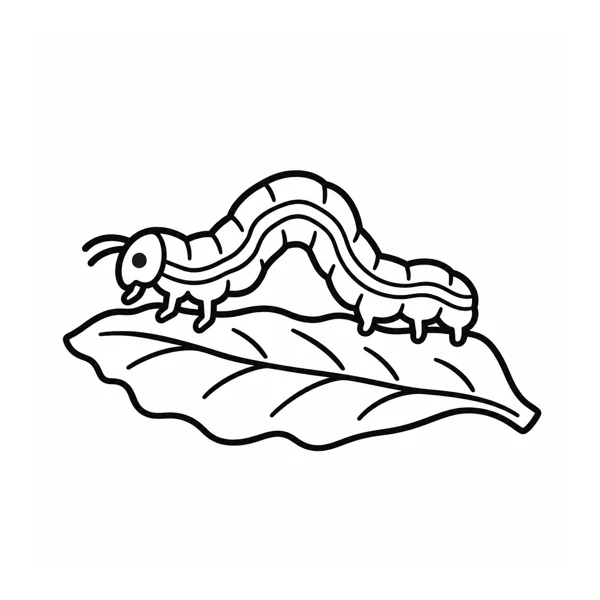
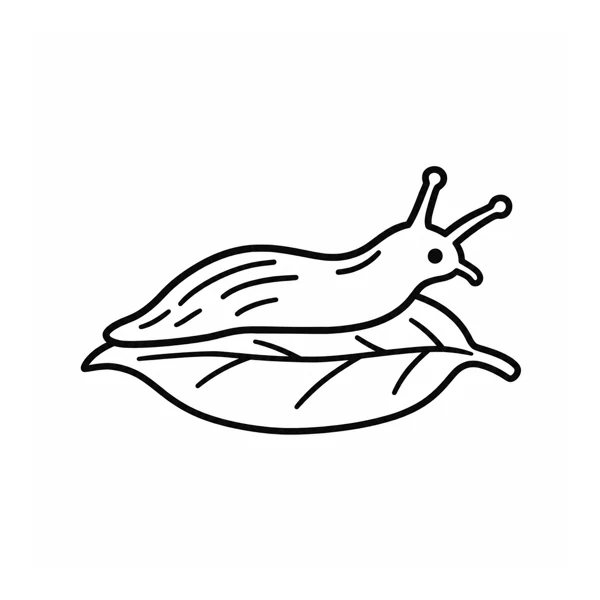
These are the same pests pictured in the pest tiles near the top of the page. Here's what to do about each one.
- Flea beetles: They chew tiny round holes in the leaves. Cover the row with row cover right after sowing, and keep plants watered.
- Aphids: Hose them off or use insecticidal soap.
- Cabbage worms: Pick off by hand or use Bt (Bacillus thuringiensis), an organic spray.
- Diamondback moth caterpillars: Small, pale green caterpillars that wriggle hard when touched and leave windowpane holes in the leaves. Row cover keeps the moths from laying eggs, and Bt works on the caterpillars too.
- Slugs: They feed at night in damp weather. Go out with a flashlight after dark and pick them off, and pull mulch back from young seedlings during wet spells.
- Cutworms: They cut seedlings off at the soil line overnight. Clear weeds a couple of weeks before sowing, and if a seedling is snipped off, dig gently around it to find the curled gray grub.
- Downy mildew: Yellow patches on top of the leaves with gray fuzz underneath. Space plants for airflow and water at the base.
- White rust and Alternaria leaf spot: Both spot the leaves in cool, wet weather. Pull affected plants, don't save seed from them, and rotate where you grow arugula and its cabbage-family cousins.
Good neighbors








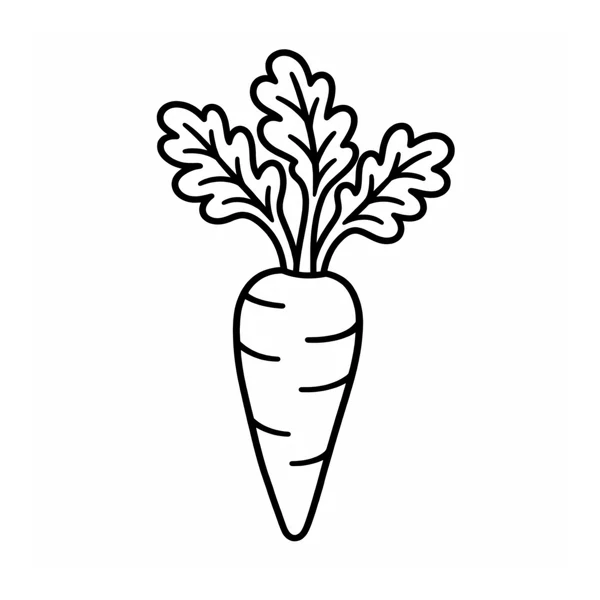
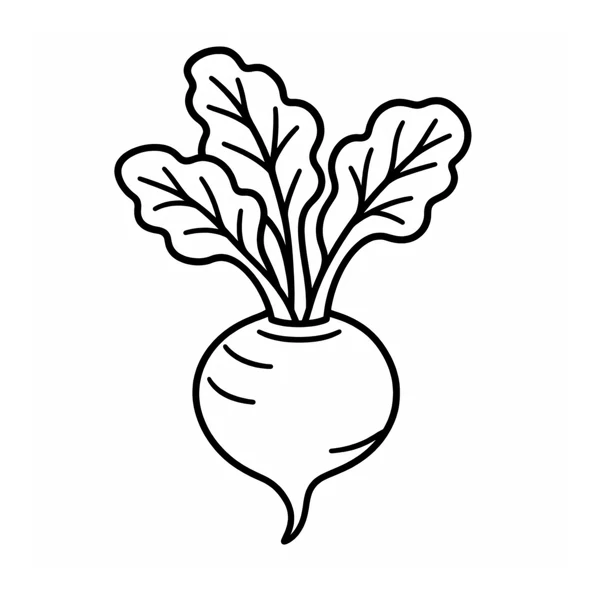





Good: Lettuce, spinach, beets, onions, carrots, and dill.
Avoid: Following other brassicas (cabbage family) in the same bed, because pests and disease build up. Rotate.
Seeds that grow well in your area in November
Affiliate links — shopping through these helps keep Evening Vines free. Smooth Blue Aster
 Polka Dot Mix
 Black-Eyed SusanSeeds
 ColumbineSeeds
Varieties worth growing
- Astro: Mild and fast, with good heat tolerance. Seeds
- Apollo: Large, rounded leaves with a mild flavor, ready in about 40 to 45 days.
- Runway: Deeply lobed leaves shaped like oak leaves, a little less sharp than regular arugula, about 40 days. It does well in containers.
- Roquette: The classic Italian type, with bold flavor. Seeds
Wild arugulas (a different species): These three aren't true arugula (Eruca) at all. They belong to a related genus, Diplotaxis, with smaller, more finely cut leaves and a hotter bite.
- Sylvetta: Diplotaxis tenuifolia, spicy and slow to bolt, and perennial in mild zones.
- Dragon's Tongue: Also Diplotaxis tenuifolia, a strong, hot wild type.
- Wasabi: Diplotaxis erucoides, with a heat that reminds people of wasabi.
Arugula seeds to buy
Affiliate links — shopping through these helps keep Evening Vines free.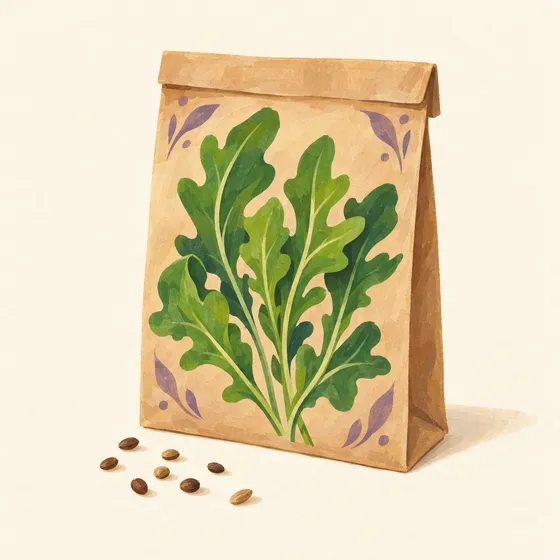 Slow Bolt
Picking notes
Cut baby leaves at 2 to 3 inches long, about 3 to 4 weeks after sowing. For bigger leaves, wait until they're 5 to 6 inches. To cut and come again, snip the outer leaves and leave the center growing. Harvest in the morning for the crispest leaves. Once plants bolt, the leaves turn sharp, but the flowers are edible.
Saving seed for next year
Let a few plants bolt and flower. The seed pods turn tan when ripe; cut the stalks before the pods split open, because ripe pods scatter their seed. Dry the stalks in a paper bag and shake out the seed. Store it cool and dry. Plants often self-seed.
Arugula flowers are pollinated by insects, and different arugula varieties will cross with each other. If you want seed that comes true, let only one variety flower in a season. If you grow two, seed-saving guides suggest keeping them anywhere from 800 feet to half a mile apart, which few home gardens can manage. Save seed from at least five plants to keep the line healthy.
From garden to table
Arugula provides vitamin K, vitamin A, vitamin C, and folate, and it's very low in calories. Eat it raw in salads, on pizza and sandwiches, or wilted into pasta and eggs. The flowers have a mild peppery taste and look pretty on a plate.
Questions from the potting bench
Why is my arugula so spicy? Heat, dry soil, and age all make the leaves hotter. Timing matters most. In zones 8 to 11, rows sown in October and November stay mild for weeks, while spring sowings turn hot as soon as April warms up. In colder zones, the early spring and late summer sowings taste best. Pick it young and keep it watered.
Can I grow it all summer? Not in zones 8 to 11 or anywhere summers run hot; there it's a fall-to-spring crop. In cooler zones you can stretch it into summer with afternoon shade, mulch, and a heat-tolerant type like Astro.
Will it regrow after cutting? Yes. Cut the leaves about an inch above the soil and it will regrow a few times.
Grower reports
How did Arugula do in your garden? Members rate it and say which zone and month they planted, so everyone can see what works near them.
Recent community discussions
No one has talked about Arugula yet. Be the first.
Seeds to try
Affiliate links — shopping through these helps keep Evening Vines free.Essentials for Growing Arugula
 Grow Bags
Breathable fabric pots: grow almost anything on a patio, balcony or driveway, and roots never circle.
See it →
 Insect Netting
Fine mesh that keeps cabbage worms, flea beetles and birds off your crops, no sprays needed.
See it →
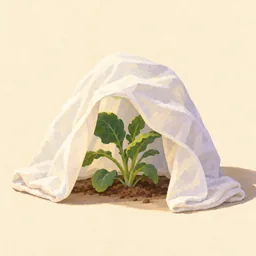 Frost Cloth
Throw it over young plants on cold spring and fall nights.
See it →
 Garden Hand Tools
Trowel, transplanter and cultivator: the three tools you reach for most.
See it →
 Plant Labels
Waterproof markers so you know what's coming up where.
See it →
 Organic Fertilizer
Slow-release organic plant food for vegetable beds and containers.
See it →
