
Lupine
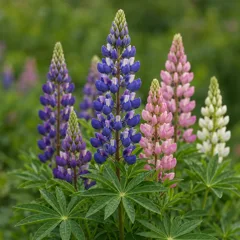
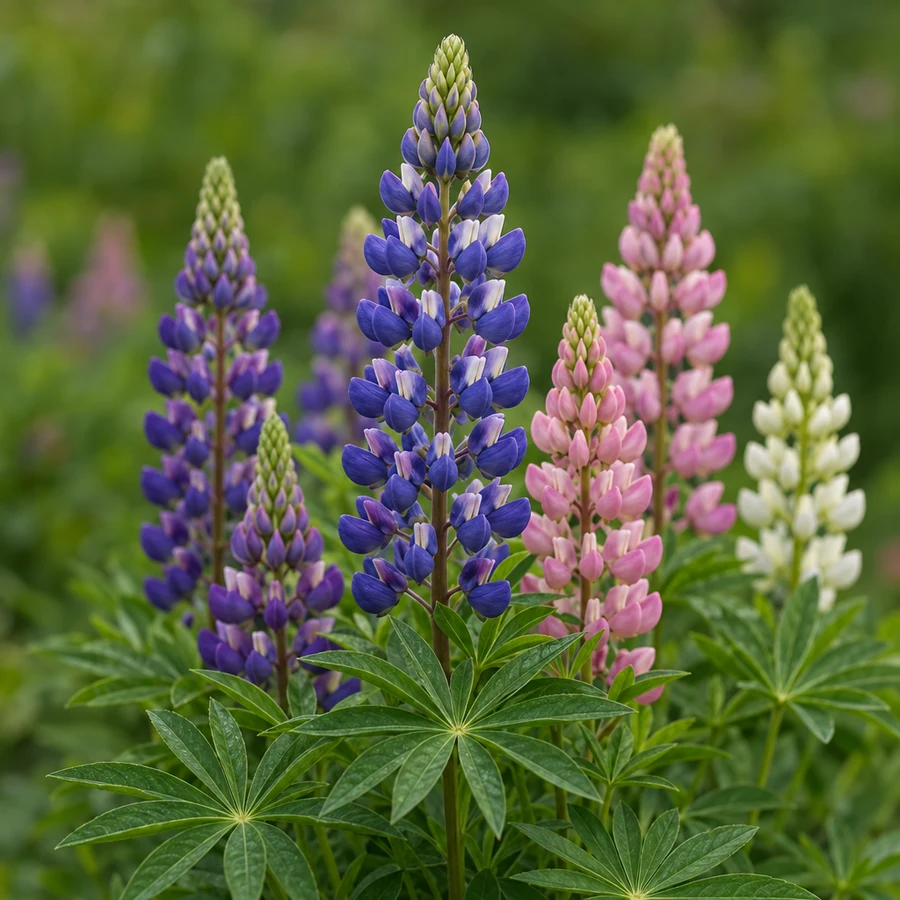
Lupines send up tall, dense spikes of pea-like flowers in purple, blue, pink, yellow, and white over fan-shaped leaves. They love cool summers and lean soil, and like all legumes they fix their own nitrogen.
Recent community discussions
No one has talked about Lupine yet. Be the first.
At a glance
| Plant type | Flower |
| Botanical name | Lupinus (garden hybrids, L. polyphyllus, L. perennis, L. texensis) |
| Annual or perennial | Short-lived perennial (some species annual) |
| Sun | Full sun to light shade |
| Water | Moderate; good drainage essential |
| Spacing | 12 inches for dwarf types; 18 to 24 inches or more for tall Russell hybrids |
| Planting depth | 1/4 inch |
| Days to germinate | 10 to 20 |
| Days to maturity | Often blooms in its second year from seed |
| Best USDA zones | 4 to 8 (prefers cool summers) |
| Soil pH | 5.5 to 7.0 (slightly acidic) |
Is it lupine weather where you are? See everything to plant this month or read your zone notes.

Direct sow in early spring as soon as soil can be worked, or in late fall for natural stratification. Germination improves if seeds are scarified before planting.

Germinates in 10–14 days; 90–120 days; perennial.

Zones 4–9, May?August; in mild zones April?June; indoors year-round with lighting.

Well-drained, slightly acidic sandy soil, pH 5.5–6.5. Tolerates poor soils; fixes nitrogen.
Pests to watch for






A little history
Lupines grow wild in North and South America and around the Mediterranean. The famous Russell hybrids were bred in England in the early 1900s by a gardener who spent years selecting them.
When to sow in your zone
Spring: Sow outdoors in early spring, as soon as the soil can be worked. Young lupines take a light frost in stride, so there's no need to wait for warm weather. You can also start them indoors 6 to 8 weeks before your last frost in deep pots (see count back from last frost for working out the date).
Fall: In late fall, sow directly so winter softens the seed coat. For Texas bluebonnets in zones 8 and 9, sow from September to early November, ideally before November 1; this is time-sensitive.
Not sure when your soil is workable or when your frosts come? Find your zone on the zones page for frost dates and this month's sowing list.
Growing it, step by step
From seed
Nick the hard seed coat or soak seeds overnight before sowing 1/4 inch deep.
Moving it outside
Lupines have a deep taproot, so move them young and only once.
Water
Water regularly until established; avoid soggy soil.
Mulch
Light mulch keeps roots cool through summer.
Feeding
Not needed. Rich soil gives leaves instead of flowers.
Keeping it happy
Deadhead the first spikes for a second, smaller flush. Plants are short-lived (often only a few years), so let a few set seed or sow new ones. They struggle in hot, humid summers.
Trouble in the bed
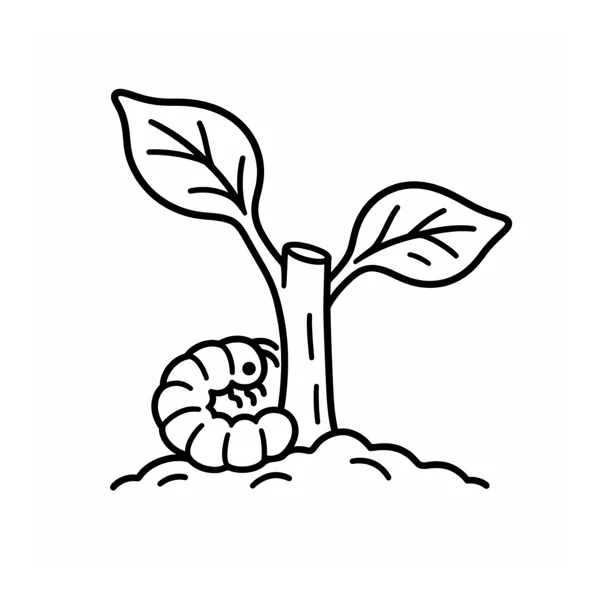
- Lupin aphid: Big gray aphids that crowd the flower spikes; spray them off with water early.
- Slugs and snails: Protect young shoots in spring.
- Powdery mildew: Improve airflow.
- Crown and root rot: Plant in well-drained soil.
Good neighbors






Good: Poppies, delphiniums, peonies, and native grasses.
Avoid: Rich, wet beds, and spots where children or grazing animals might eat the seeds.
Seeds that grow well in your area in November
Affiliate links — shopping through these helps keep Evening Vines free. Smooth Blue Aster
 Polka Dot Mix
 Black-Eyed SusanSeeds
 ColumbineSeeds
Varieties worth growing
- Russell Hybrids: Classic tall mix in many colors.
- Gallery Series: Compact garden hybrids.
- Westcountry Series: Strong, bold modern hybrids.
- Bigleaf lupine (L. polyphyllus): A western native and the parent of most garden hybrids. It isn't native in the East, has gone wild in New England and the upper Midwest, and crosses with wild lupine, which harms the Karner blue butterfly. Eastern gardeners should choose L. perennis instead.
- Wild lupine (L. perennis): Eastern native; host plant for the endangered Karner blue butterfly. Seeds
- Texas bluebonnet (L. texensis): Annual wildflower for the South.
Lupine seeds to buy
Affiliate links — shopping through these helps keep Evening Vines free. Wild Lupine
Picking notes
Cut spikes for vases when the lower third of the flowers are open.
Saving seed for next year
Collect pods as they turn brown and before they burst; put them in a paper bag to finish drying. Hybrids won't come true from seed.
From garden to table
Ornamental lupine seeds are toxic. Only specially bred "sweet" lupine beans are eaten, and they can trigger allergies in people allergic to peanuts. Grow garden lupines for borders, cottage gardens, and pollinators.
Questions from the potting bench
Why didn't my lupines bloom? Seed-grown plants usually bloom in their second year.
Why do my lupines die after a few years? They're short-lived. Let them self-sow.
Do they grow in the South? Garden hybrids struggle; try Texas bluebonnet instead.
Grower reports
How did Lupine do in your garden? Members rate it and say which zone and month they planted, so everyone can see what works near them.
Recent community discussions
No one has talked about Lupine yet. Be the first.
Seeds to try
Affiliate links — shopping through these helps keep Evening Vines free.Essentials for Growing Lupine
 Grow Bags
Breathable fabric pots: grow almost anything on a patio, balcony or driveway, and roots never circle.
See it →
 Pruning Shears
Sharp bypass pruners for harvesting, deadheading and tidying.
See it →
 Seed Starting Tray
Reusable tray with a clear dome to give seeds a warm, humid start indoors.
See it →
 Garden Kneeler
A kneeling pad that flips into a seat: easier on knees and back.
See it →
 Plant Labels
Waterproof markers so you know what's coming up where.
See it →
 Organic Fertilizer
Slow-release organic plant food for vegetable beds and containers.
See it →
