
Rutabaga
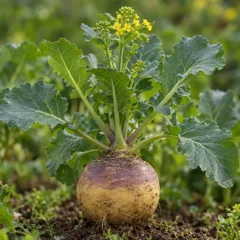
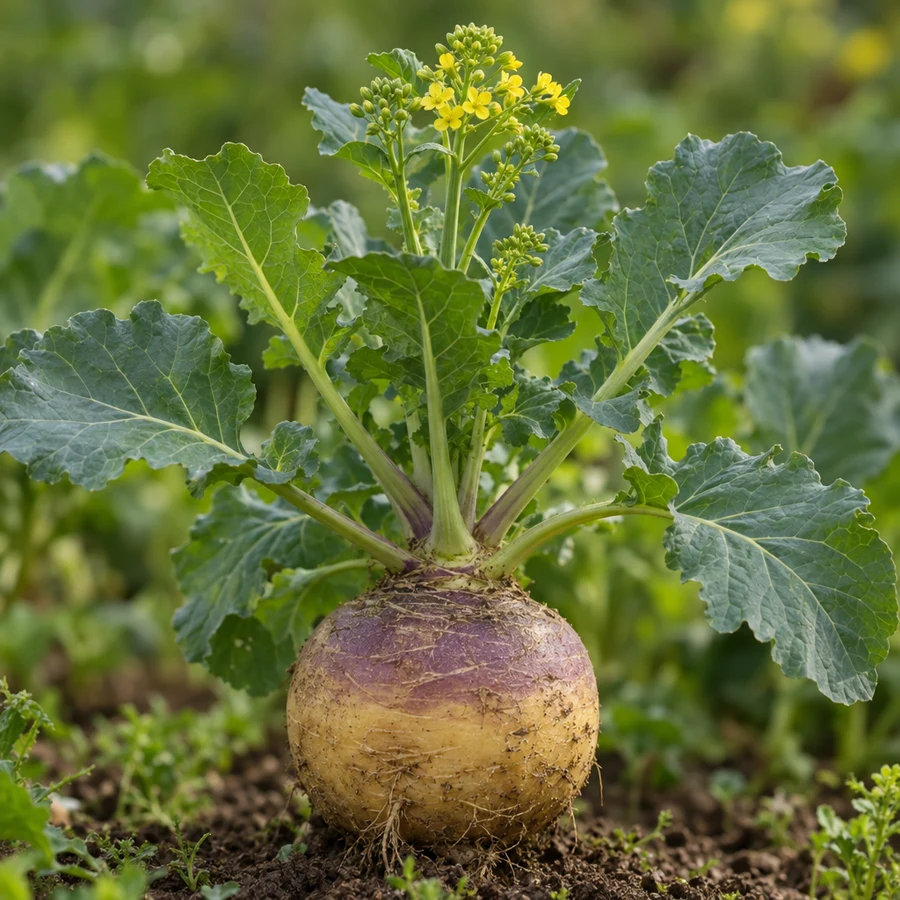
Rutabaga is a big, sweet root with yellow flesh and a purple top. In Britain and Ireland it goes by swede, and in Scotland it's neeps, the ones served with haggis. It's a cool-season crop that takes its time, stores well and tastes best after a frost or two.
Recent community discussions
No one has talked about Rutabaga yet. Be the first.
At a glance
| Plant type | Vegetable |
| Botanical name | Brassica napus (Napobrassica Group) |
| Annual or perennial | Biennial, grown as an annual |
| Sun | Full sun |
| Water | About 1 inch per week |
| Spacing | 6 to 8 inches |
| Planting depth | 1/2 inch |
| Days to germinate | 4 to 10 days |
| Days to maturity | 90 to 100 days |
| Best USDA zones | 3 to 9 |
| Soil pH | 6.0 to 7.0 |
Is it rutabaga weather where you are? See everything to plant this month or read your zone notes.

Direct sow 2–3 months before first fall frost; prefers cool weather. In Zones 8–10, sow late summer for winter harvest.

70–100 days.

Zones 3–9, late fall?early winter; spring plantings ready by late summer?early fall; flavor improves after frost.

Fertile, well-drained sandy loam, pH 6.0–7.0. Needs steady moisture for tender roots.
Pests to watch for



Diseases
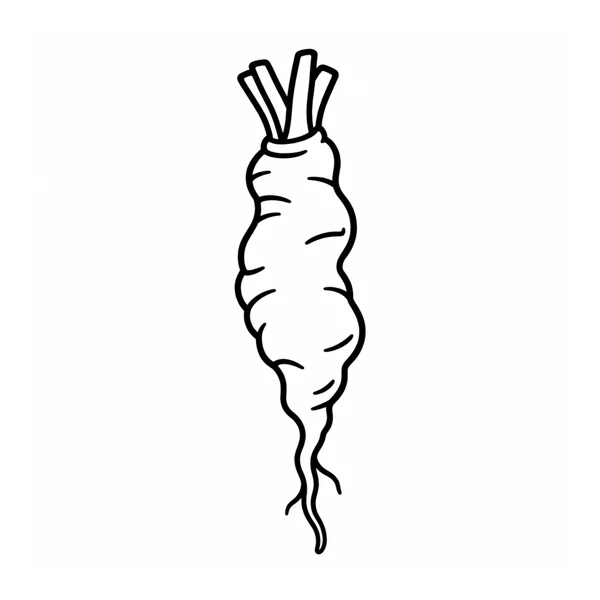


A little history
Rutabaga is a cross between cabbage and turnip that arose in Europe several hundred years ago. It became a staple in Scandinavia and northern Europe.
When to sow in your zone
When to plant rutabaga comes down to one date: your first fall frost. Count back about 90 to 100 days from it and sow then. Find your zone's frost dates to work out your sowing day.
Fall: The main crop. Sow 90 to 100 days before the first fall frost, usually in early summer. In zones 8 to 9, sow in late summer for a winter crop. By November it's too late to sow in most gardens, so note the date for next summer.
Spring: In cool-summer areas, sow outdoors 2 to 4 weeks before the last frost. Roots may turn woody in summer heat.
Growing it, step by step
From seed
Sow 1/2 inch deep, then thin to 6 to 8 inches apart.
Moving it outside
Direct sowing works best.
Water
Water evenly, about 1 inch per week. Dry spells make roots tough and bitter.
Mulch
Add 2 inches of straw to keep soil cool and moist.
Feeding
Mix compost into the bed before sowing. Too much nitrogen grows leaves, not roots.
Keeping it happy
Weed gently. Row cover protects young plants from pests. Rotate crops and keep cabbage-family plants out of the bed for 3 years.
Trouble in the bed
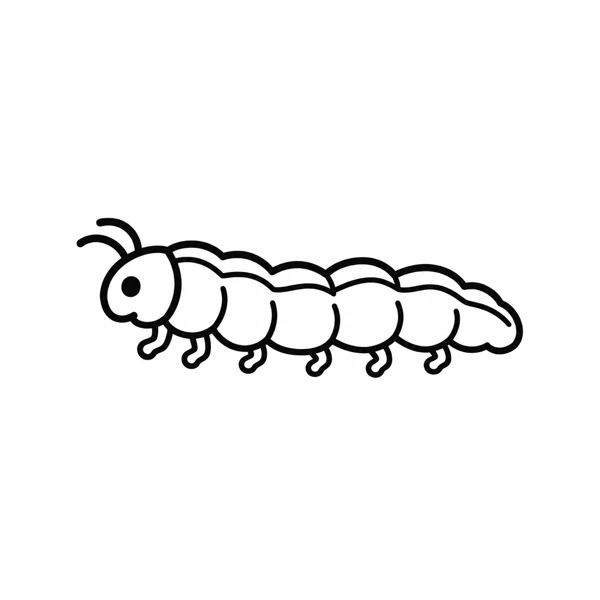
- Flea beetles: Use floating row cover.
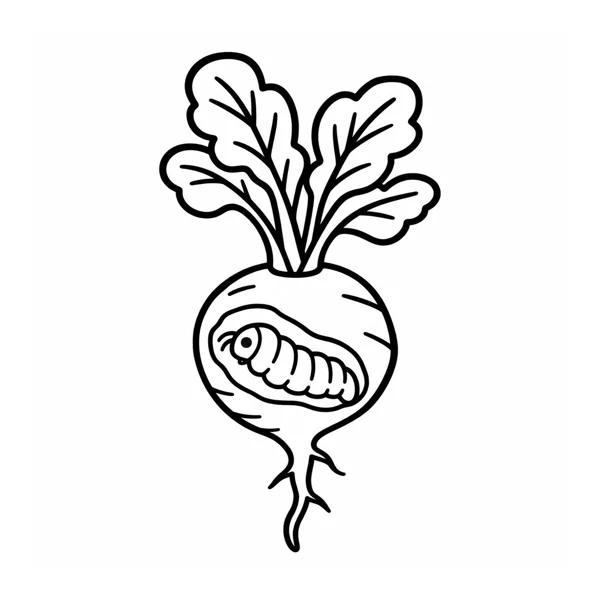
- Root maggots: Cover with row cover and rotate crops.
- Clubroot: Where clubroot has turned up before, lime the bed to about pH 7.2, roughly six weeks before sowing, and let a soil test tell you how much. That's a touch above the 6.0 to 7.0 rutabaga usually likes, but the clubroot spores struggle in sweeter soil, so it's worth it in a problem bed. Rotate crops too.
Good neighbors






Good: Peas, onions, and lettuce.
Avoid: Other cabbage-family crops in the same bed.
Seeds that grow well in your area in November
Affiliate links — shopping through these helps keep Evening Vines free. Smooth Blue Aster
 Polka Dot Mix
 Black-Eyed SusanSeeds
 ColumbineSeeds
Varieties worth growing
- American Purple Top: Classic purple-shouldered root with yellow flesh. Seeds
- Laurentian: Reliable, cold-tolerant, and sweet.
- Helenor: Smooth roots with good sweetness.
- Joan: Uniform roots with mild flavor.
- Wilhelmsburger: A German swede from the 1930s with a green top and yellow flesh.
- Brora: Purple top, creamy-yellow flesh, and a mild taste with no bitterness.
Rutabaga seeds to buy
Affiliate links — shopping through these helps keep Evening Vines free.Picking notes
Pull roots when 3 to 5 inches wide. A few light frosts make them sweeter. Store in a cold, humid place, or leave them in the ground until it freezes.
Saving seed for next year
Rutabaga flowers in its second year. Overwinter healthy roots and replant them in spring. It can cross with other Brassica napus crops such as Siberian kale.
From garden to table
Rutabaga gives vitamin C, potassium, and fiber. Mash, roast, or add to soups and stews.
Questions from the potting bench
My seed packet says swede. Is that just a big turnip? A close cousin, not the same plant. Rutabaga came from a cabbage and turnip cross, so it grows larger, usually has yellow flesh and takes a good while longer than a turnip to fill out.
Why are mine woody? Heat or drought. Grow them for a fall harvest.
Can I leave them in the ground? Yes, until the ground freezes.
Grower reports
How did Rutabaga do in your garden? Members rate it and say which zone and month they planted, so everyone can see what works near them.
Recent community discussions
No one has talked about Rutabaga yet. Be the first.
Seeds to try
Affiliate links — shopping through these helps keep Evening Vines free.Essentials for Growing Rutabaga
 Grow Bags
Breathable fabric pots: grow almost anything on a patio, balcony or driveway, and roots never circle.
See it →
 Insect Netting
Fine mesh that keeps cabbage worms, flea beetles and birds off your crops, no sprays needed.
See it →
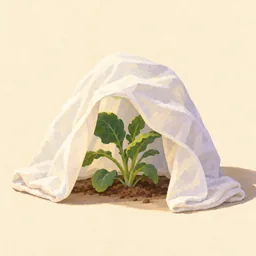 Frost Cloth
Throw it over young plants on cold spring and fall nights.
See it →
 Garden Hand Tools
Trowel, transplanter and cultivator: the three tools you reach for most.
See it →
 Plant Labels
Waterproof markers so you know what's coming up where.
See it →
 Organic Fertilizer
Slow-release organic plant food for vegetable beds and containers.
See it →
