
Echinacea
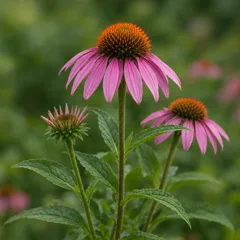
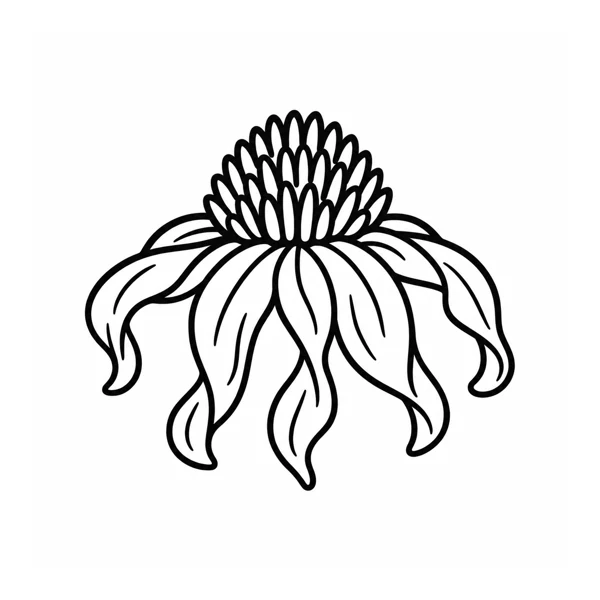
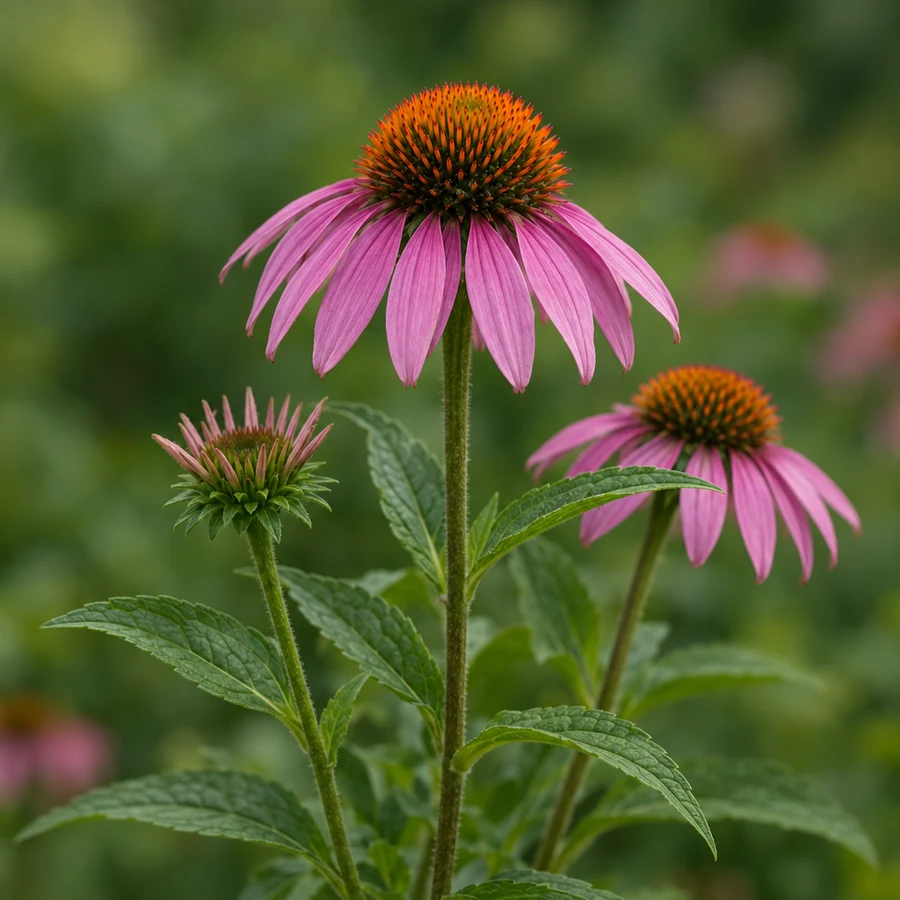
Echinacea, or purple coneflower, is a tough native prairie flower with big daisies and spiky orange-brown cones. It blooms from midsummer until frost, shrugs off drought, and feeds bees and butterflies in summer and goldfinches in winter.
Recent community discussions
No one has talked about Echinacea yet. Be the first.
At a glance
| Plant type | Flower (herb) |
| Botanical name | Echinacea purpurea |
| Annual or perennial | Perennial |
| Sun | Full sun to light shade |
| Water | Low once established |
| Spacing | 18 to 24 inches |
| Planting depth | 1/8 to 1/4 inch |
| Days to germinate | 10 to 21 |
| Days to maturity | Usually blooms its second summer from seed (a few varieties the first) |
| Best USDA zones | 3 to 8 (into 9 with sharp drainage) |
| Soil pH | 6.0 to 8.0 |
Is it echinacea weather where you are? See everything to plant this month or read your zone notes.

Direct sow outdoors in spring after frost or in fall for natural stratification. Indoors: start 8–10 weeks before last frost with 4–6 weeks of cold stratification.

Germinates in 10–20 days; 90–120 days to bloom; perennial.

Zones 3–9, June?September; in mild zones May?August; indoors year-round.

Well-drained sandy or gravelly loam, pH 6.0–7.0. Drought-tolerant once established.
Pests to watch for







A little history
Echinacea is native to the central and eastern United States. Plains tribes used it widely as medicine, and it later became a popular herbal remedy.
When to sow in your zone
Spring: Chill the seed for about 4 weeks, then start it indoors 8 to 10 weeks before your last frost. Or skip the seed and plant nursery plants once frost is past.
Fall: Sow outdoors in fall and let winter do the chilling for you. Milk jugs work well too: see winter sowing in milk jugs.
Growing it, step by step
From seed
Cold-stratify for about 4 weeks, then sow shallowly at 65 to 70°F.
Moving it outside
Plant 18 to 24 inches apart, at the same depth as in the pot. Pick a spot that drains well; heavy, wet clay is the quickest way to lose it, so loosen clay or plant on a slight rise.
Water
Water during the first season; after that it's very drought tolerant.
Mulch
Light mulch; keep it away from the crown.
Feeding
Rarely needed. Lean soil gives sturdier plants.
Keeping it happy
Deadhead for more blooms, but leave the late seed heads standing for the birds (more in deadheading for more blooms). Divide every 3 to 4 years, in spring or fall, to keep clumps from crowding; see dividing perennials in fall.
Trouble in the bed
- Aster yellows: Flowers come out green and twisted. Pull the whole plant and throw it away (not in the compost); it won't recover.
- Leafhoppers: Small wedge-shaped insects that carry aster yellows from plant to plant. Keeping weeds down nearby gives them fewer places to hide.
- Eriophyid mites: Too small to see; they feed inside the flower buds and leave stunted, tufted, misshapen blooms. Cut affected plants to the ground in fall and throw the stems away.
- Rabbits: Can nibble young shoots right down to the ground. A ring of chicken wire protects new plants until they toughen up.
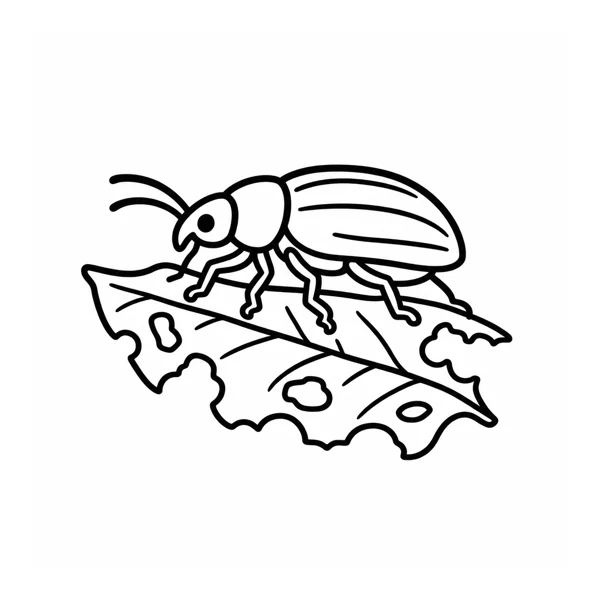
- Japanese beetles: Hand-pick into a jar of soapy water.
- Aphids and thrips: Usually minor; a strong spray of water knocks them back.
- Powdery mildew: Give plants space and airflow.
- Alternaria leaf spot: Dark spots that grow longer with paler centers. Water the soil, not the leaves.
- Crown and root rot: Shows up in wet, heavy soil. Plant in well-drained ground and keep mulch off the crown.
Good neighbors







Good: Black-eyed Susan, bee balm such as wild bergamot, coreopsis, milkweed, and ornamental grasses. They all like the same sun and lean soil, and together they make a prairie patch the pollinators love (see sow a pollinator border).
Avoid: Thirsty plants that need watering every day. Keeping them happy keeps echinacea's crown too wet.
Seeds that grow well in your area in November
Affiliate links — shopping through these helps keep Evening Vines free. Black-Eyed SusanSeeds
 ColumbineSeeds
 Moonbeam
 Foxglove Mix
Varieties worth growing
- Magnus: Large rosy-purple flowers with petals held out flat instead of drooping. Named Perennial Plant of the Year for 1998.
- White Swan: White petals.
- PowWow Wild Berry: Compact, blooms the first year.
- Cheyenne Spirit: A mix of colors from one packet, from red and orange to yellow, pink, cream, and white.
- Pale purple coneflower (E. pallida): Drooping pale petals. Seeds
Echinacea seeds to buy
Affiliate links — shopping through these helps keep Evening Vines free.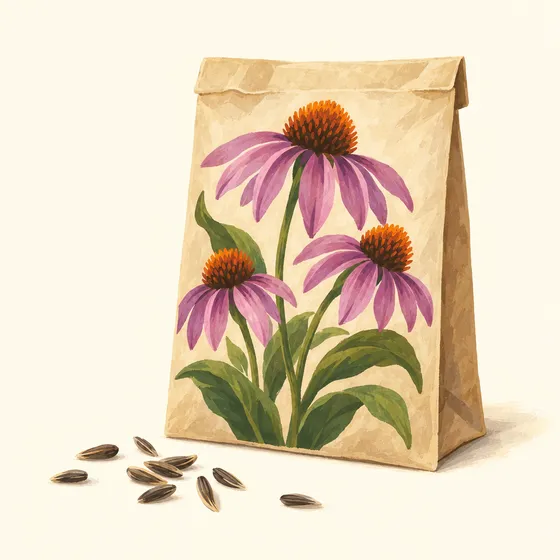 Purple Coneflower
Picking notes
Cut flowers when they're just opening. For herbal use, harvest flowers, leaves, and roots (from plants 3 years or older) and dry them.
Saving seed for next year
Let cones dry on the plant, then wear gloves to pull out the seeds.
From garden to table
Grown for borders, meadows, and cut flowers. It has a long history in teas and tinctures taken for colds and to support the immune system, but the research is mixed: some studies find a small benefit and others find none. This is garden information, not medical advice, so check with a doctor before taking any herbal remedy.
Questions from the potting bench
Will echinacea bloom the first year? Some newer varieties do; most bloom in their second summer.
Is echinacea deer resistant? Generally, yes.
Does it spread? It self-seeds but isn't aggressive.
Grower reports
How did Echinacea do in your garden? Members rate it and say which zone and month they planted, so everyone can see what works near them.
Recent community discussions
No one has talked about Echinacea yet. Be the first.
Seeds to try
Affiliate links — shopping through these helps keep Evening Vines free.Essentials for Growing Echinacea
 Grow Bags
Breathable fabric pots: grow almost anything on a patio, balcony or driveway, and roots never circle.
See it →
 Seed Starting Tray
Reusable tray with a clear dome to give seeds a warm, humid start indoors.
See it →
 LED Grow Light
Full-spectrum light for sturdy seedlings through short winter days.
See it →
 Pruning Shears
Sharp bypass pruners for harvesting, deadheading and tidying.
See it →
 Watering Can
Long-spout can for gentle watering of seedlings and pots.
See it →
 Organic Fertilizer
Slow-release organic plant food for vegetable beds and containers.
See it →
