
Milkweed
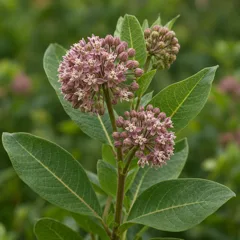
Milkweed is a tough native perennial with clusters of fragrant flowers. It's the only food for monarch butterfly caterpillars, so it's the heart of any monarch garden. Bees and other pollinators love it too.
Recent community discussions
No one has talked about Milkweed yet. Be the first.
At a glance
| Plant type | Native wildflower |
| Botanical name | Asclepias syriaca (common), A. incarnata (swamp), A. tuberosa (butterfly weed) |
| Annual or perennial | Perennial |
| Sun | Full sun (swamp milkweed tolerates part shade) |
| Water | Low to moderate; swamp milkweed likes moist soil |
| Spacing | 12 to 24 inches (swamp milkweed up to 36 inches) |
| Planting depth | 1/4 inch |
| Days to germinate | 10 to 30 (after cold chilling) |
| Days to maturity | Often 2 to 3 years to first bloom from seed |
| Best USDA zones | 3 to 9 (varies by species) |
| Soil pH | 6.0 to 7.5 |
Is it milkweed weather where you are? See everything to plant this month or read your zone notes.

Direct sow outdoors in fall for natural cold stratification, or in spring after cold-treating seeds for 30 days. Plant once soil warms to 65°F (18°C).

Germinates in 10–28 days; 90–120 days; spreads by seed/rhizome.

Zones 3–9, June?September; in mild zones May?August the following year.

Well-drained sandy soil, pH 6.0–7.5. Drought-tolerant but grows best in moderately fertile soil.
Pests to watch for



Diseases

A little history
Milkweeds are native across North America and were long used by Native peoples. Habitat loss has made them scarcer, so many gardeners now plant them to help monarchs.
When to sow in your zone
Fall: Sow outdoors in late fall, after a hard frost, so winter does the chilling for you. This is the easiest method. In cold-winter areas (roughly zones 3 to 7), November is a good month to get the seed out. Check your frost dates on the zones page.
Spring: Chill seeds in damp sand or a damp paper towel in the fridge for about 30 days first. Spring-sown, chilled seed sprouts once the soil is warm, about 70°F, so wait until after your last frost.
A middle way: Winter sowing in milk jugs gives the seed its chill outdoors and keeps it tidy. See winter sowing in milk jugs.
Growing it, step by step
From seed
Cover seeds with 1/4 inch of soil. About 30 days of cold, moist chilling improves sprouting. Expect seedlings in 10 to 30 days once the soil warms.
Moving it outside
Milkweed forms a long taproot. Move plants while small and don't disturb the roots.
Water
Water young plants regularly. Established plants are drought tolerant, except swamp milkweed.
Mulch
Use a thin layer and keep it off new spring shoots.
Feeding
Not needed. Rich soil makes plants floppy.
Keeping it happy
Plants come up late in spring, so mark where they are. Leave caterpillars alone and avoid insecticides. Cut back old stems in late winter. Choose species native to your area, and don't plant tropical milkweed (Asclepias curassavica) in warm zones: it stays green all winter and can disrupt monarch migration and spread disease. Wear gloves when handling, because the milky sap is toxic and irritates skin and eyes.
Trouble in the bed
- Oleander aphids: Bright yellow clusters on stems and buds. Spray them off with water and skip the pesticides, which harm caterpillars too.
- Milkweed bugs: Orange and black bugs on the pods. Usually harmless. Hand-pick if there are a lot of them.
- Milkweed tussock moth caterpillars: Fuzzy black, orange and white caterpillars that feed in groups late in summer. Most plants shrug them off, so leave them be unless a young plant is being stripped.
- Leaf spot: Brown or dark spots on the leaves, worse in wet weather. Clear away fallen leaves in fall and give plants room for air to move.
- Rust: Rusty, powdery bumps on leaves and stems, with yellowing around them. Remove badly spotted leaves and water the soil, not the foliage.
- Crown and root rot: Plants wilt and collapse in soil that stays wet. Grow in well-drained soil (swamp milkweed is the exception) and go easy on mulch and watering.
Good neighbors








Good: Echinacea (coneflower), black-eyed Susan, bee balm such as wild bergamot, and native grasses. Together they make a long run of flowers for pollinators. For more ideas, see sow a pollinator border.
Avoid: Areas that get pesticide spray, and soggy beds (except for swamp milkweed).
Seeds that grow well in your area in November
Affiliate links — shopping through these helps keep Evening Vines free. Smooth Blue Aster
 Polka Dot Mix
 Black-Eyed SusanSeeds
 ColumbineSeeds
Varieties worth growing
- Common milkweed (Asclepias syriaca): Tall and fragrant; spreads by roots. Seeds
- Swamp milkweed (Asclepias incarnata): Pink flowers; likes moist soil.
- Butterfly weed (Asclepias tuberosa): Bright orange, compact, drought tolerant.
- Regional natives: Your state's native plant society can tell you which other Asclepias species belong where you live.
Milkweed seeds to buy
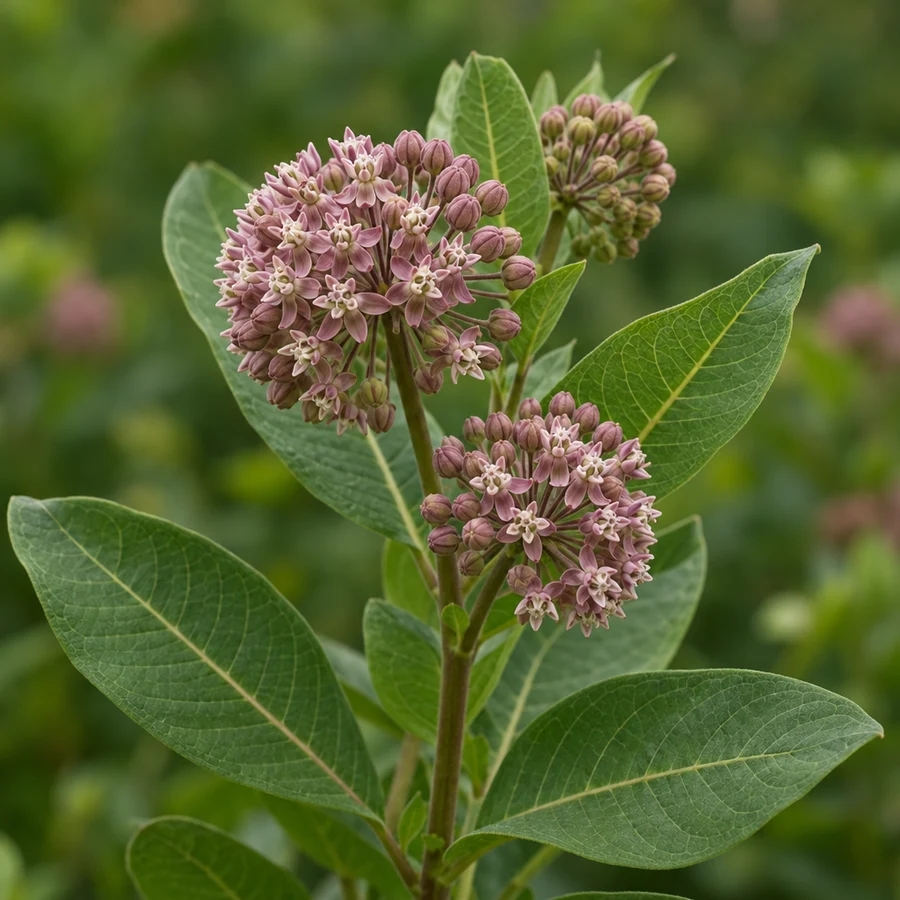
 Common MilkweedNative perennial with fragrant pink-purple flower clustersSeedsWhorled MilkweedWhite flowers in whorls, narrow leaves, compact growthSeedsAsclepias tuberosaButterfly weed with bright orange flowers, native and drought tolerantSeedsAsclepias incarnataSwamp milkweed with pink flowers, prefers moist conditionsSeeds
Picking notes
Milkweed is grown for wildlife, not for a harvest. Collect seed pods in late summer and fall, when they turn brown and begin to split, wearing gloves.
Saving seed for next year
Pick pods when ripe, dry them, and separate the seeds from the silky fluff. Store cool and dry, and chill before sowing. Milkweed species can hybridize. More on keeping seed in saving seeds from your garden.
From garden to table
Milkweed is toxic to people, pets, and livestock if eaten. The sap contains cardiac glycosides and irritates eyes and skin. Grow it for monarchs and pollinators.
Questions from the potting bench
Will monarchs find it? Monarchs often find new milkweed patches, but it depends on your area and on the timing of the migration. Plant a few clumps of a local species and give it time.
Why are caterpillars eating it? That's the goal. Leave them be.
Is it safe for pets? No. Keep pets and children from eating it.
Grower reports
How did Milkweed do in your garden? Members rate it and say which zone and month they planted, so everyone can see what works near them.
Recent community discussions
No one has talked about Milkweed yet. Be the first.
Seeds to try
Affiliate links — shopping through these helps keep Evening Vines free.Essentials for Growing Milkweed
 Grow Bags
Breathable fabric pots: grow almost anything on a patio, balcony or driveway, and roots never circle.
See it →
 Pruning Shears
Sharp bypass pruners for harvesting, deadheading and tidying.
See it →
 Seed Starting Tray
Reusable tray with a clear dome to give seeds a warm, humid start indoors.
See it →
 Garden Kneeler
A kneeling pad that flips into a seat: easier on knees and back.
See it →
 Plant Labels
Waterproof markers so you know what's coming up where.
See it →
 Organic Fertilizer
Slow-release organic plant food for vegetable beds and containers.
See it →
