
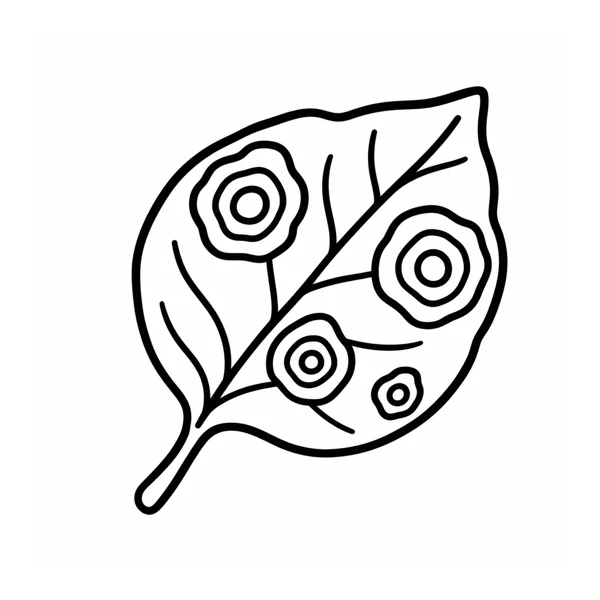
 Early Blight
At a glance
| Type | Fungal |
| Main cause | Alternaria solani (and related Alternaria species) |
| Crops at risk | Tomato family (nightshades) |
| Worst conditions | Warm weather with heavy dew or frequent rain; stressed or older plants |
Recent community discussions
No one has talked about Early Blight yet. Be the first.
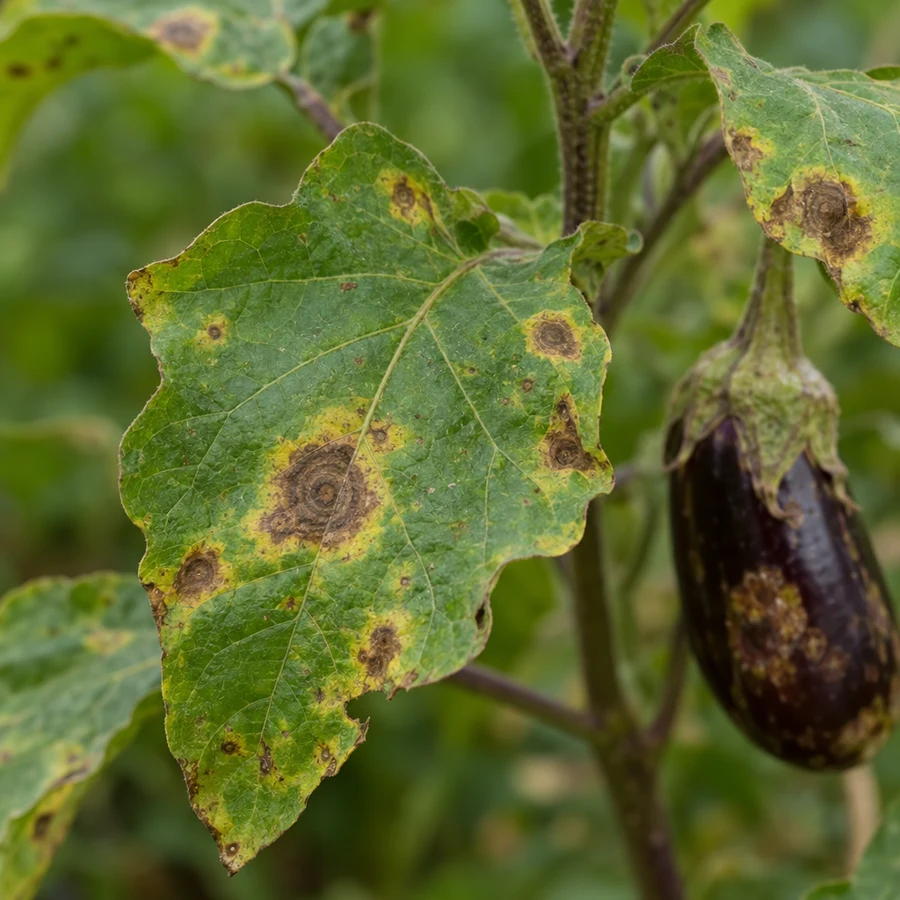
Early blight is the brown, ringed leaf spot that turns up on tomatoes, potatoes and eggplant most summers. It starts low on the plant and works its way up. It looks alarming, but with a few good habits most plants carry on and still give you a fair harvest.
Signs
- Brown spots on the lower, older leaves first, often with rings inside like a target, and a yellow halo around the spot.
- Spots grow and join, leaves yellow and drop, and the disease climbs the plant from the bottom up.
- On tomato, dark sunken patches can form at the stem end of the fruit; on potato, shallow dark lesions can show on tubers.
- Look-alike: Septoria leaf spot on tomato makes lots of small spots, about 1/8 to 1/4 inch across, with tan to off-white centers, tiny black specks in the middle and no rings (Iowa State, Septoria Leaf Spot).
- Also rule out late blight: its patches are bigger and water-soaked, and they spread fast in cool, wet spells.
Cause and Spread
The fungus survives the winter in infected plant debris, in soil, and in potato tubers. It can also arrive on tomato seed or bought transplants. Spores splash onto lower leaves with rain or watering and spread by wind. It can carry over for years in crops of the tomato family, so rotation matters.
Prevention
- Rotate: don't plant tomatoes, potatoes, peppers or eggplant in the same spot for 3 to 4 years. A simple crop rotation plan makes this easy to track.
- Clean up and remove all plant debris in fall (how to clean up diseased plants).
- Start with healthy transplants and certified seed potatoes, and plant them out at the right time for your area (your zone page has the dates) so they aren't stressed.
- Mulch to stop soil splashing onto leaves, and water at the base in the morning.
- Space and stake plants for airflow; remove the lowest leaves that touch the soil.
- Choose varieties listed as early blight tolerant where offered (picking disease-resistant varieties).
Organic Treatment
- Pick off spotted lower leaves as soon as you see them and bag them.
- Copper fungicides allowed in organic growing give some protection when used early as a preventive; follow the label exactly. Clemson HGIC rates copper only good to fair against early blight, a step below chlorothalonil (which isn't allowed in organic growing), so the cultural steps above do most of the work.
- Most home gardeners don't need to spray tomatoes at all: University of Minnesota Extension notes the plants can carry a lot of early blight without giving fewer fruit.
When to Pull the Plant
Early blight rarely kills grown plants outright, so most can stay and keep fruiting if you strip the worst leaves. Young seedlings are the exception: if the fungus rings the stem at the soil line (a dark, sunken, dry patch called collar rot), the seedling wilts and dies, so pull it and throw it away. Pull and bag a grown plant if most of its leaves are gone or the fruit is rotting. Don't compost infected plants.
Sources
- University of Minnesota Extension, "Early blight in tomato and potato": https://extension.umn.edu/disease-management/early-blight-tomato-and-potato
- NDSU Extension PP1892, "Early Blight in Potato": https://www.ndsu.edu/agriculture/ag-hub/publications/early-blight-potato
- Iowa State University Extension, "Septoria Leaf Spot": https://yardandgarden.extension.iastate.edu/encyclopedia/septoria-leaf-spot
- Clemson HGIC, Irish potato diseases: https://hgic.clemson.edu/factsheet/irish-sweet-potato-diseases/
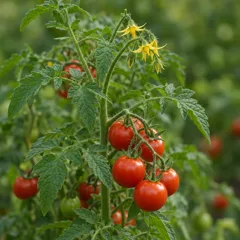
Plants it affects 3
Recent community discussions
No one has talked about Early Blight yet. Be the first.
Products that take care of Early Blight
 Copper FungicideOrganic spray that protects leaves from blights, leaf spots and bacterial diseases.See it →
 Biofungicide (Bacillus subtilis)Friendly bacteria that crowd out mildews, gray mold and leaf spots.See it →
 Soaker HoseWaters the roots slowly, not the leaves: less disease, less water, less work.See it →
