
 Late Blight
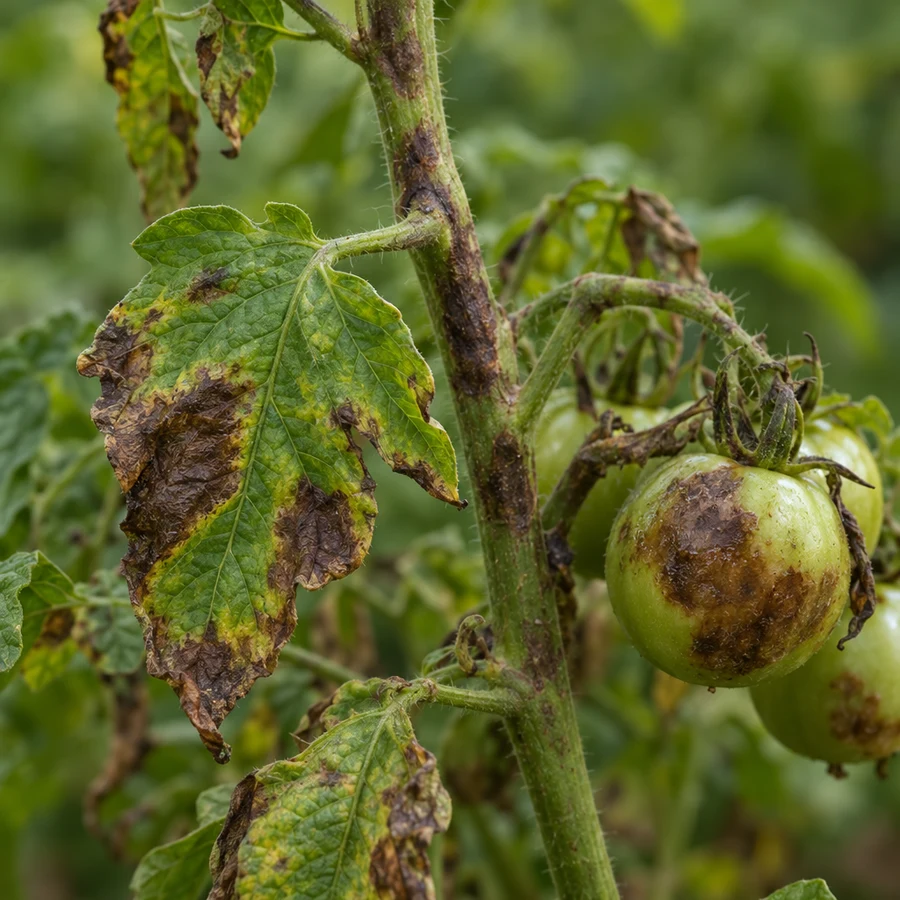
At a glance
| Type | Oomycete (water mold) |
| Main cause | Phytophthora infestans |
| Worst conditions | Cool, wet weather, with rain, fog or heavy dew |
Recent community discussions
No one has talked about Late Blight yet. Be the first.
Late blight on tomatoes and potatoes is the quick, ruthless one. Once you spot it, a healthy patch can turn brown and slumped in less than a week. Potato blight and tomato blight are the same disease, so if you grow both crops, keep an eye on both, and act the day you're sure.
Signs
- Large, dark, greasy-looking patches on leaves that spread fast; in damp weather a white fuzzy growth shows on the underside at the edge of the patch.
- Dark brown streaks on stems.
- Firm, brown, greasy patches on tomato fruit; reddish-brown rot under the skin of potato tubers.
- Whole plants can collapse within days.
Cause and Spread
Late blight spreads by spores carried on the wind, sometimes over long distances, and builds up quickly in cool, wet spells. It survives in infected potato tubers left in the ground, in leftover seed potatoes, in cull piles, and in volunteer potato plants. Nightshade weeds can also host it. It needs living tissue to get through the winter, so old tomato vines and the soil itself don't carry it over the way potato tubers do.
Prevention
- Plant only certified seed potatoes; don't replant potatoes saved from last year. There's more on getting them in the ground in planting seed potatoes in spring.
- Dig up volunteer potatoes and pull nightshade weeds.
- Space plants for airflow and water at the base in the morning.
- Check plants often in cool, wet weather.
- Grow tomatoes bred to resist late blight. 'Mountain Magic', 'Plum Regal', 'Defiant' and 'Iron Lady' are good ones to look for. See choosing disease-resistant varieties for how to read the codes on a seed packet.
Organic Treatment
- Copper sprays used as a protectant before infection can help in high-risk weather (British Columbia guidance); they don't cure infected plants.
- After the disease is inside the plant, no spray in a home garden will turn it around (University of Idaho). Pulling the plant is the only real fix.
When to Pull the Plant
Pull infected plants as soon as you're sure it's late blight. Bag them and put them in the trash; don't compost them. For potatoes, wait 2 to 3 weeks after the tops die before digging, so tubers aren't infected from the leaves. Because spores travel far, quick removal also protects your neighbors' gardens. At the end of the season, cleaning up diseased plants in fall covers the rest of the tidy-up.
Sources
- University of Idaho Extension BUL1022, Late blight in the home garden: https://www.uidaho.edu/-/media/UIdaho-Responsive/Files/Extension/publications/bul/bul1022.PDF
- British Columbia Ministry of Agriculture, Late blight of home garden potato and tomato Q&A: https://www2.gov.bc.ca/assets/gov/farming-natural-resources-and-industry/agriculture-and-seafood/animal-and-crops/plant-health/disease-factsheets/field-vegetables/late_blight_of_home_garden_potato_and_tomato_-_qa.pdf
- Michigan State University Extension, FAQ about late blight in potatoes and tomatoes: https://canr.msu.edu/resources/faq_about_late_blight_in_potatoes_and_tomatoes
- UMass Extension, Late blight on tomatoes and potatoes: https://www.umass.edu/agriculture-food-environment/home-lawn-garden/fact-sheets/late-blight-on-tomatoes-potatoes
- Penn State Extension, Tomato-potato late blight in the home garden: https://extension.psu.edu/tomato-potato-late-blight-in-the-home-garden
Plants it affects 2
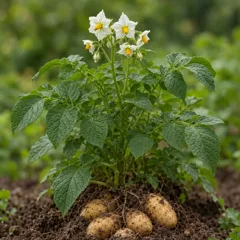
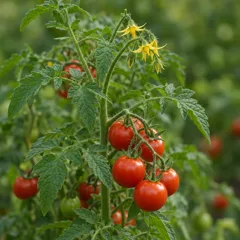
Recent community discussions
No one has talked about Late Blight yet. Be the first.
Products that take care of Late Blight
 Copper FungicideOrganic spray that protects leaves from blights, leaf spots and bacterial diseases.See it →
 Biofungicide (Bacillus subtilis)Friendly bacteria that crowd out mildews, gray mold and leaf spots.See it →
 Soaker HoseWaters the roots slowly, not the leaves: less disease, less water, less work.See it →
