
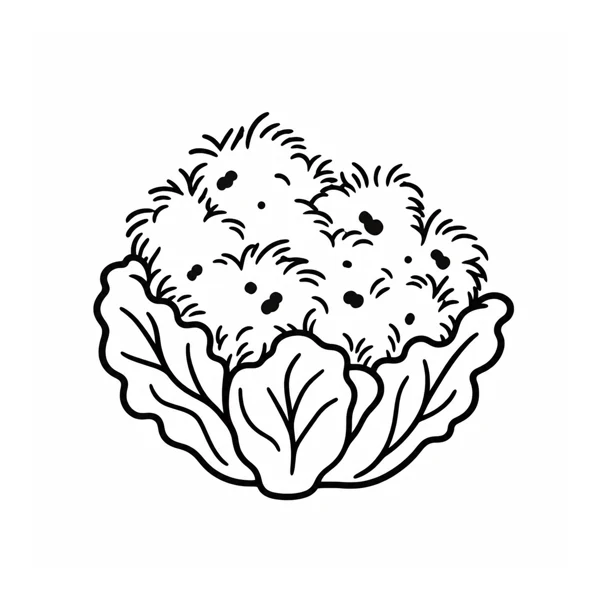
 White Mold (Sclerotinia)
At a glance
| Type | Fungal |
| Main cause | Sclerotinia sclerotiorum (and S. minor on lettuce) |
| Worst conditions | Cool, wet weather; dense plantings that stay damp; heavy, poorly drained soil |
Recent community discussions
No one has talked about White Mold (Sclerotinia) yet. Be the first.
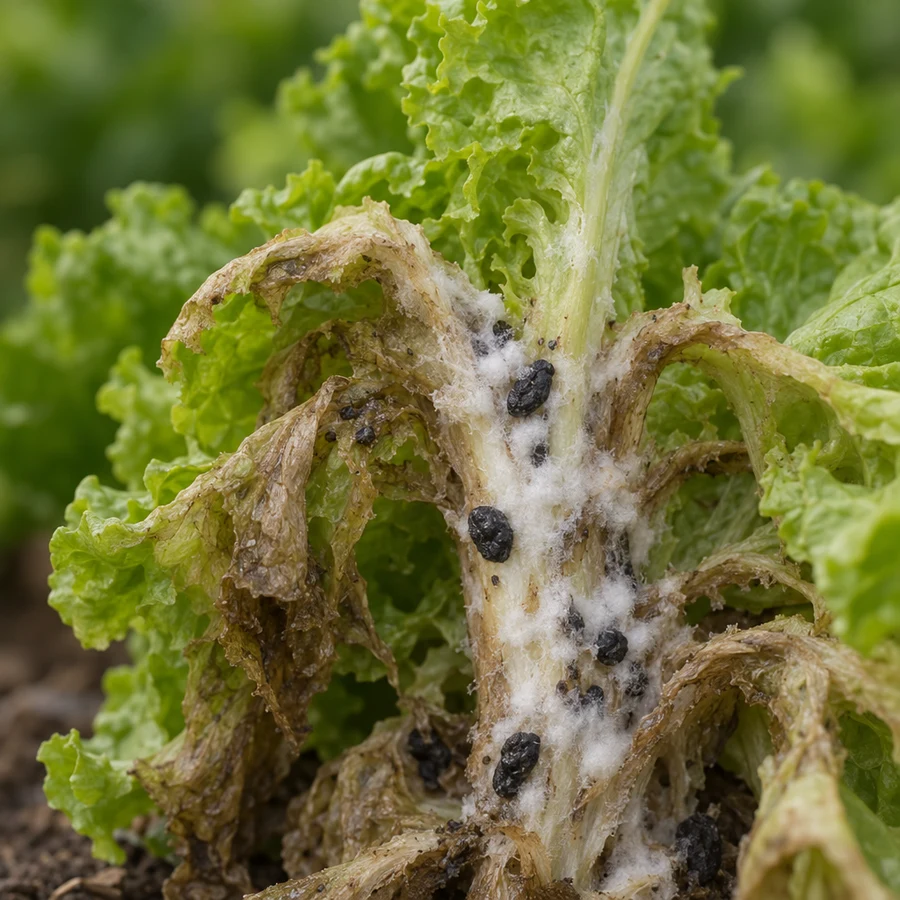
White mold is a fungal rot that turns stems, heads and roots soft and wet, wraps them in white, cottony growth, and leaves hard black specks behind. On lettuce the same fungi cause lettuce drop, where a head that looked fine one day lies slumped on the soil the next. It's a disease of long cool, damp spells, and once it gets into a bed it can stay for years, so most of the work is keeping it out of the soil. For other problems on these crops, see the plant diseases index.
Signs
- Soft, water-soaked patches on stems, leaves, heads or fruit that turn into a mushy rot.
- A fluffy white cotton-like mold on the rotting tissue.
- Hard black specks (sclerotia) inside hollow stems or on the rot, anything from a pinhead to a small bean in size.
- Whole plants wilt and collapse.
- Lettuce drop: the outer leaves wilt first, then the crown rots at the soil line and the whole head flops flat, often just as it's nearly ready to cut.
- Carrots: the leaves and crowns rot where the foliage is thick and stays wet, and stored roots can turn soft and watery under a white fuzz.
- Celery: the base of the stalks goes soft and water-soaked, often with a pinkish edge (growers call it pink rot), then white growth follows.
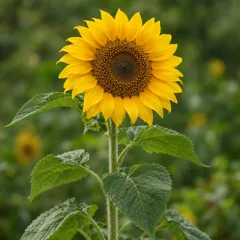
- Sunflowers: the plant can wilt suddenly from a rot at the base of the stalk, or the back of the flower head goes soft and later shreds into dry fibers full of black specks.
Cause and Spread
The fungus forms hard black sclerotia that can last in the soil for several years, sometimes 8 to 10. In cool, moist conditions they sprout tiny mushroom-like cups that release spores into the air, or grow threads that attack plants directly at the soil line. It attacks well over 350 kinds of broadleaf plant, so rotating between vegetables only helps partly; grasses and grains are the crops it can't use.
Prevention
- Space plants for airflow and avoid overwatering; water in the morning.
- Improve drainage, or use raised beds.
- Time your sowings so lettuce and carrots aren't sitting through a long cool, wet stretch: check what to sow this month in your area.
- Remove infected plants before the black sclerotia fall into the soil.
- Rotate with grasses and grains, which aren't hosts.
- Don't compost infected plants.
Organic Treatment
- There's no cure for infected plants; remove them.
- For a bed where white mold has already struck, there's a biological soil treatment called Contans, made from a helpful fungus (Coniothyrium minitans) that feeds on the sclerotia. It's OMRI-listed for organic growing and is worked into the top layer of soil in fall or a few months before planting. It isn't registered everywhere, so check it's registered in your state first.
- Prevention (the steps above) is the main defense in home gardens.
When to Pull the Plant
Pull infected plants as soon as you see white mold, ideally before black sclerotia form, and bag them for the trash, taking care not to drop sclerotia on the soil.
Sources
- UC IPM, Lettuce: Lettuce drop: https://ipm.ucanr.edu/agriculture/lettuce/lettuce-drop/
- NDSU Sunflower Disease Diagnostic Series PP1727: https://www.ndsu.edu/agriculture/sites/default/files/2023-05/pp1727.pdf
- University of Nebraska EC1900, Sunflower disease profiles: https://extensionpublications.unl.edu/assets/pdf/ec1900.pdf
- UMass Extension, White mold (vegetable fact sheet; host range and Contans): https://www.umass.edu/agriculture-food-environment/vegetable/fact-sheets/white-mold
- Rutgers Plant and Pest Advisory, Controlling white mold (Contans for organic growers): https://plant-pest-advisory.rutgers.edu/controlling-white-mold/
- University of Maine Extension, White mold of vegetables (Contans registration varies by state): https://extension.umaine.edu/ipm/?p=4630
- Missouri IPM, Lettuce drop (sclerotia lasting 8 to 10 years): https://ipm.missouri.edu/MEG/2016/2/Monitoring-Detection-and-Management-of-Lettuce-Drop-caused-by-Sclerotinia-spp
- Plant Disease 98:1433 (2014), First report of stem rot of stevia caused by Sclerotinia sclerotiorum in North Carolina: https://apsnet.org/publications/plantdisease/2014/October/Pages/98_10_1433.1.aspx
- Plant Disease 79:642 (1995), First report of endive and escarole as hosts of Sclerotinia minor: https://apsnet.org/publications/plantdisease/backissues/Documents/1995Abstracts/PD_79_0642E.htm
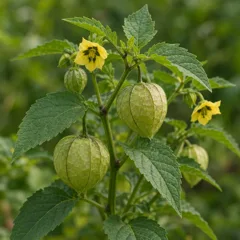
- European Journal of Plant Pathology (2020), tomatillo wilt study from Sinaloa, Mexico (names white mold among tomatillo's main fungal diseases there): https://doi.org/10.1007/s10658-020-02030-9
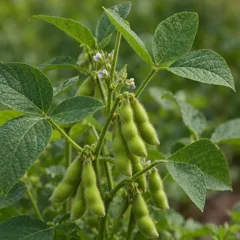
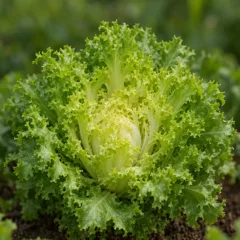
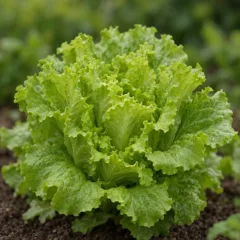
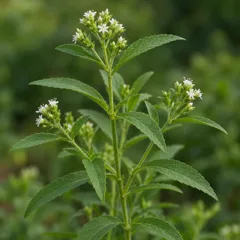
Plants it affects 8
Recent community discussions
No one has talked about White Mold (Sclerotinia) yet. Be the first.
Products that take care of White Mold (Sclerotinia)
Affiliate links. Evening Vines may earn a commission. Always follow the label.Products that take care of White Mold (Sclerotinia)
 SB Plant InvigoratorA non-toxic spray that controls mildew and many bugs by contact, and feeds the leaves as it goes.See it →
 Pruning ShearsSharp bypass pruners for harvesting, deadheading and tidying.See it →
 Soaker HoseWaters the roots slowly, not the leaves: less disease, less water, less work.See it →
