
Bitter Melon
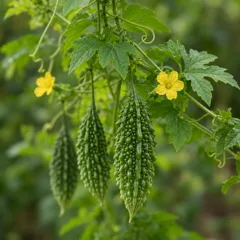
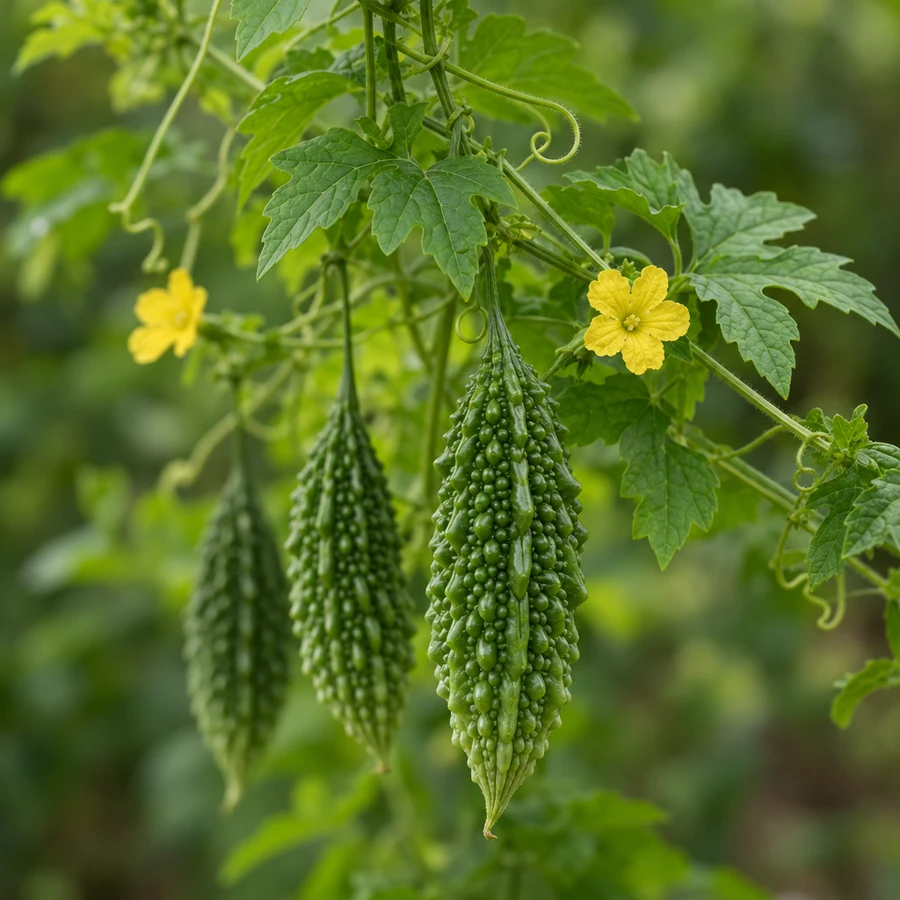
Bitter melon looks like a cucumber that has been out in the weather too long: pale to dark green, covered in warts and ridges, and pointed at the ends. The name tells you the rest. The flesh is bitter, and that bite is exactly why people across South and Southeast Asia, China, the Caribbean and Africa love it in stir-fries, curries, soups and stuffed dishes. You'll also see it sold as bitter gourd, balsam pear, karela, ampalaya and goya.
The plant is a fast, pretty vine with deeply cut leaves, curling tendrils and small yellow flowers. In one hot summer it can climb 12 feet or more, so it needs a trellis. Like okra and eggplant, it wants heat above all else. Give it warm soil, a sunny fence and steady water, and two or three plants will keep a family supplied all summer.
Recent community discussions
No one has talked about Bitter Melon yet. Be the first.
At a glance
| Plant type | Warm-season climbing vine (squash family) |
| Botanical name | Momordica charantia |
| Annual or perennial | Tender annual; can live on as a short-lived perennial only where it never frosts (zones 9 to 11) |
| Sun | Full sun, 6 to 8 hours or more (copes with a little afternoon shade in very hot areas) |
| Water | About 1 to 2 inches per week; keep soil evenly moist |
| Spacing | 12 to 24 inches apart along a trellis, rows about 5 feet apart |
| Planting depth | 1/2 to 1 inch |
| Days to germinate | 7 to 14 in warm soil (70°F or more); slow and patchy in cold soil |
| Days to maturity | About 55 to 90 days from seed to the first fruit, depending on type; flowers start about 5 to 6 weeks after sowing |
| Best USDA zones | Any zone with 3 or more hot months, grown as a summer crop; outdoors with ease in zones 7 to 11, under cover in cool or short summers |
| Soil pH | 6.0 to 7.0 |
Is it bitter melon weather where you are? See everything to plant this month or read your zone notes.
Pests to watch for

Diseases

A little history
Bitter melon has wild relatives in tropical Africa and Asia, and botanists still argue over exactly where it was first grown. Eastern India and southern China are the two most often proposed homes for the cultivated form, and it has been eaten and used as a folk medicine in both places for a very long time. From Asia it traveled with traders and settlers across the tropics. It reached the Caribbean and the Americas centuries ago, where Spanish speakers call it cundeamor. In the US it was long grown mainly in the gardens of Asian, Indian and Caribbean families, and it's now common in farmers' markets and Asian grocers.
When to sow in your zone
Bitter melon is killed by frost and stalls in cool weather. It grows best when days are in the 80s and 90s°F and nights stay above about 60°F.
Spring indoors: In most zones, start seed indoors about 4 to 5 weeks before your last frost. Sow in individual pots, since the roots don't like being disturbed.
Spring outdoors: Plant out or sow direct 2 to 3 weeks after the last frost, once the soil has reached at least 65°F and nights are warm. In zones 8 to 11, direct sowing works well any time from 2 to about 6 weeks after the last frost. In zones 5 to 7, transplants give you a head start on a season that's only just long enough.
Late season: In zones 9 to 11, a second sowing in July or August gives fruit into fall. In the hottest, most humid areas, many growers plant in early spring and again in late summer, skipping the steamiest weeks.
Cool or short summers: In much of Canada, the UK and Ireland, summers rarely stay hot enough for long. There bitter melon is best grown in a greenhouse, polytunnel or large pot against a sunny wall, planted out only once the structure stays warm at night. Gardens with genuinely hot summers, such as southern Ontario, can grow it outdoors. In southern Australia it's a summer crop planted out once the frosts are over and the soil has warmed. In the subtropics, sow from spring into early summer; in the tropical north, the cooler dry season (about April to July) is the easiest time, as the wet season brings mildew and fruit flies.
Growing it, step by step
Getting seed going
The seeds are flat and hard-coated. Soak them in warm water overnight before sowing, or nick the edge gently with nail clippers. Sow 1/2 to 1 inch deep in moist mix and keep the pots somewhere warm, about 75 to 85°F. A heat mat helps a lot. Expect seedlings in one to two weeks.
Putting up the trellis
Set the trellis before you plant. A sturdy fence, cattle panel or a frame of posts with netting 6 to 8 feet tall is ideal. Fruit that hangs down grows straighter and stays cleaner than fruit lying on the ground. An arch over a path works nicely too, and the fruit dangles where you can see it.
Out into the bed
Harden off transplants for a week, then plant them 12 to 24 inches apart at the foot of the trellis. Choose your warmest spot, in loose, well-drained soil with plenty of compost. Black plastic laid over the bed a week or two early warms the soil, as it does for melons.
Water
Water deeply at the base, about 1 to 2 inches a week, more in heat and in pots. Drip lines or soaker hoses keep the leaves dry. Uneven watering leads to small, misshapen or extra-bitter fruit.
Feeding
Mix compost into the bed at planting. When the vines start to climb and again when fruit begins to set, give a light side-dressing of balanced organic fertilizer. Too much nitrogen gives a wall of leaves with few fruit.
Keeping it happy
Guide the young vines onto the trellis for the first week or two; after that the tendrils do the work. Some growers pinch out the side shoots on the lowest 2 feet of the stem so the plant puts its energy into climbing, which also opens up airflow.
Bitter melon has separate male and female flowers on the same plant. The first flowers are mostly male and drop off. Female flowers have a tiny warty fruit behind the petals. Bees do the pollinating outdoors. In a greenhouse or polytunnel, or if fruit isn't setting, pick a male flower in the morning, peel back its petals and brush its pollen onto the center of a female flower.
Mulch with straw once the soil is warm to hold moisture and keep weeds down. In pots, use at least a 5-gallon container with a small trellis, and water often. Pick fruit before it ripens to orange: the plant keeps flowering only as long as you keep picking.
A note for Florida gardeners: Bitter melon has escaped into the wild in Florida. UF/IFAS lists it as invasive in south Florida and a high risk in central and north Florida, and doesn't recommend planting it there. Birds spread the seeds from ripe, split fruit. Wherever you grow it, pick every fruit before it turns orange and pull the vines at the end of the season.
Trouble in the bed
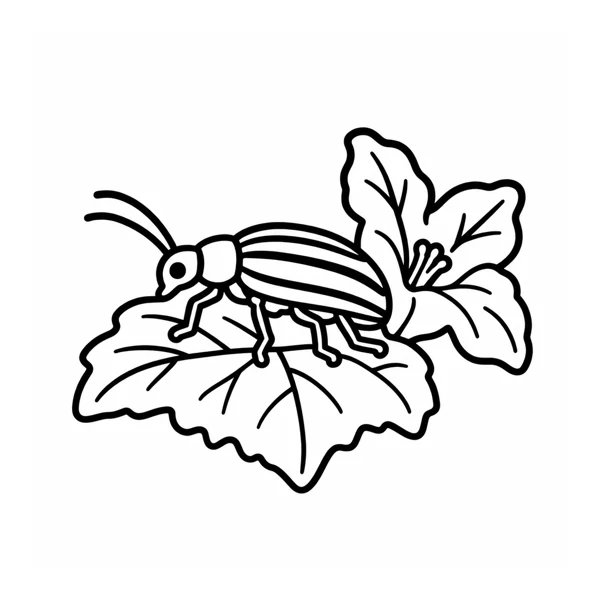
- Cucumber beetles: Striped and spotted beetles chew seedlings. Use row cover on young plants, removing it when flowers open.
- Aphids: Clusters under leaves and on shoot tips. Hose them off or use insecticidal soap.
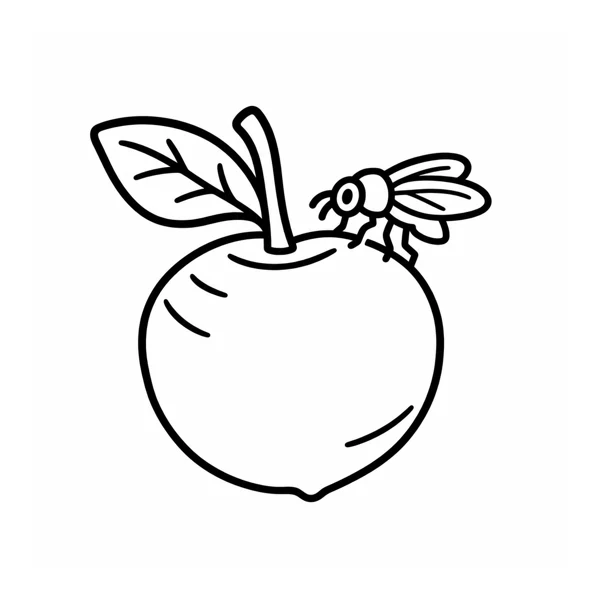
- Fruit flies: In warm regions, melon flies and other fruit flies lay eggs in young fruit, which then rots. Growers in Asia, Hawaii and northern Australia slip a paper bag or sleeve over each young fruit to keep them off.
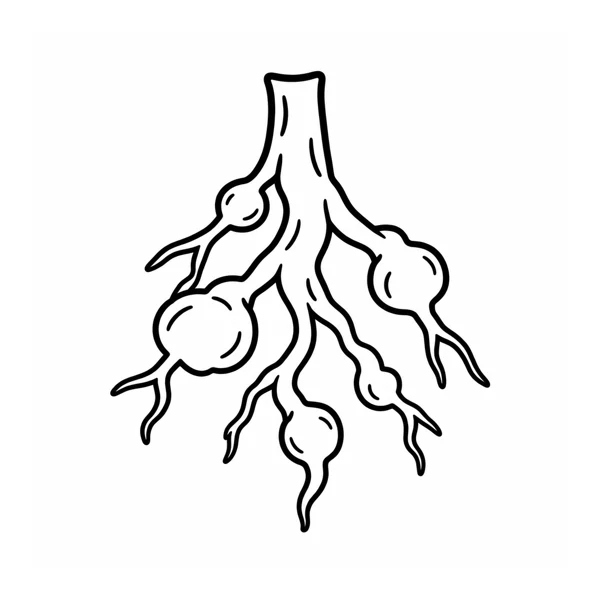
- Root-knot nematodes: Swollen, knotted roots and stunted vines in warm, sandy soils. Rotate crops and add plenty of compost.
- Powdery mildew: White patches on leaves late in the season, worst in humid weather and crowded plants. Give plants air and water at the base.
- Downy mildew: Yellow, angular spots on top of the leaves with gray-purple fuzz beneath, worst in warm, wet spells. Pick off badly affected leaves, keep the foliage dry and clear the vines at the end of the season.
Good neighbors
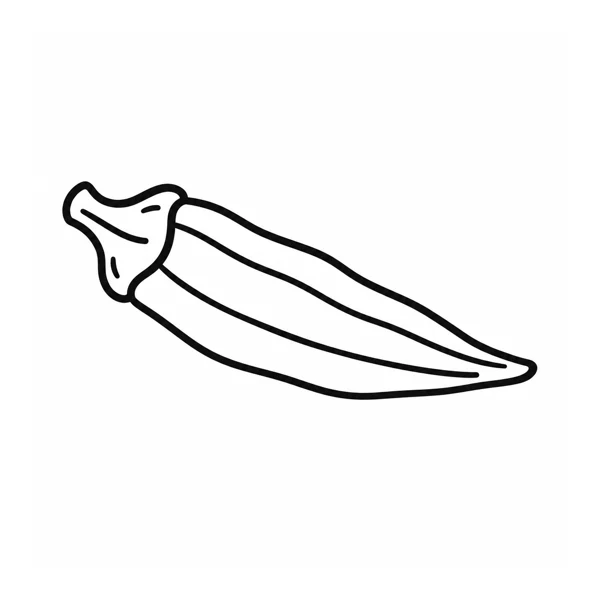
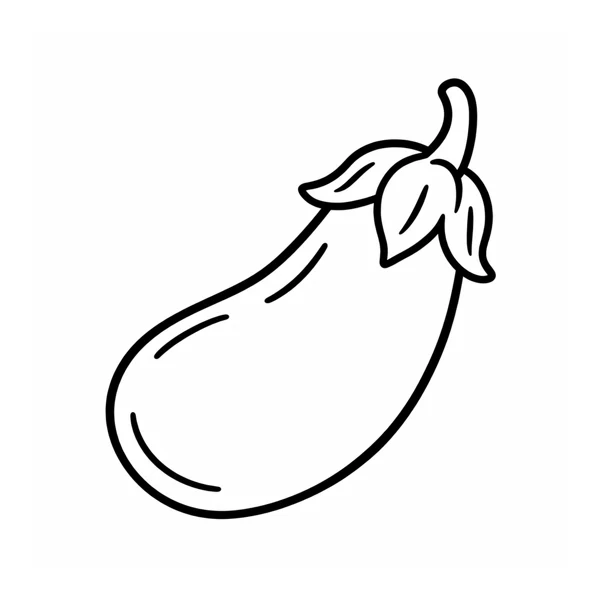
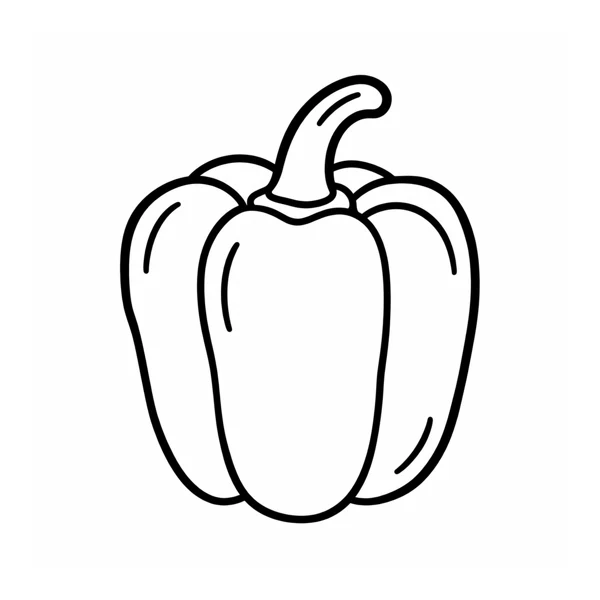

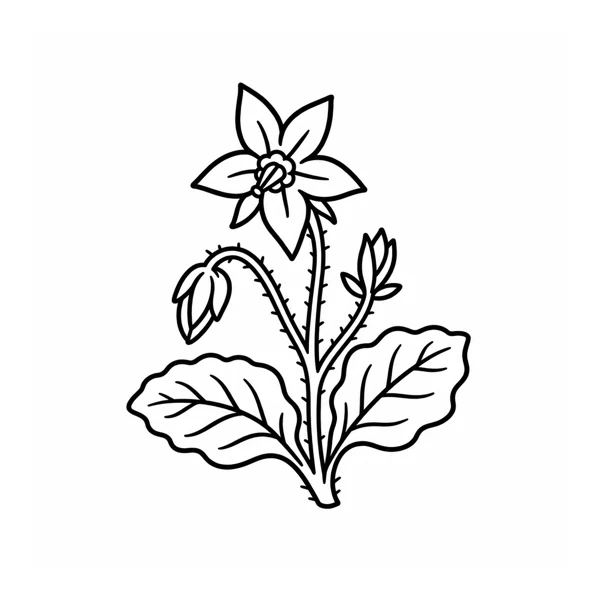


Grows happily beside: Okra, eggplant and peppers like the same hot, sunny bed and steady water. Marigolds and borage bring in bees to pollinate the flowers. In hot climates, lettuce and spinach can sit in the light shade on the cool side of the trellis.
Give these a bed of their own: Cucumber, melons, summer squash and gourds. They share bitter melon's beetles, aphids and mildew, so grouping them gives pests more to feed on. Space them apart and rotate the whole family together.
Seeds that grow well in your area in November
Affiliate links — shopping through these helps keep Evening Vines free. ColumbineSeeds
 Moonbeam
 Foxglove Mix
 Rocket Larkspur
Varieties worth growing
Bitter melon comes in a few broad types, and seed catalogs usually list them by type or by country of origin.
- Small Indian types (karela): Short, very warty, dark green fruit 4 to 8 inches long, and the most bitter. Good for stuffing and curries. These tend to be quick and productive, a good choice in shorter summers.
- Long Chinese and Taiwanese types: Light green, smoother fruit 10 to 20 inches long and milder in flavor. They need a long, hot season and a tall trellis.
- Okinawan and Japanese types (goya): Medium-length, bright green fruit with rounded bumps and moderate bitterness, the kind used in Okinawan goya champuru.
- White-skinned types: Pale ivory fruit, often milder than the green types.
For short or cool summers (Canada, the UK, Ireland), choose small Indian or other early types and grow them under cover. In hot, humid regions such as Florida, the Gulf Coast and northern Australia, the long Chinese types do especially well.
Bitter Melon seeds to buy
Affiliate links — shopping through these helps keep Evening Vines free. Bitter MelonSeeds
Picking notes
Bitter melon grows fast. Most fruit is picked green and full-sized but still firm, about 8 to 14 days after the flower opens. Small types are ready at 4 to 6 inches, long types at 8 to 12 inches or more. The skin should still be glossy green (or ivory for white types), with no yellow patches. In hot weather, check the vines every day or two.
Cut the fruit off with a short stem using scissors or pruners rather than pulling. As fruit ripens it turns yellow, then orange, and splits open into three curling sections to show seeds wrapped in bright red pulp. By then it's past eating as a vegetable.
Store picked fruit at about 50 to 55°F. Bitter melon is sensitive to cold, and a few days in a cold refrigerator causes pitting and soft spots. Use it within a week or two.
The young leaves and shoot tips are also eaten as a cooked green in parts of Asia.
Saving seed for next year
Bitter melon won't cross with cucumbers, melons, squash or gourds, because it belongs to a different genus. Different bitter melon varieties will cross with each other, so grow only one if you want seed that comes true, and skip hybrids.
Leave a few healthy fruit on the vine until they turn yellow-orange and just begin to split. Scoop out the seeds, rub off the red pulp under running water, and dry the seeds on a screen for a week or two. Store them in a labeled envelope somewhere cool and dry.
Caution: the seeds and the rind of ripe orange fruit are mildly toxic and can cause stomach upset and vomiting if eaten in quantity. The seeds also contain vicine, which can trigger a dangerous anemia in people with G6PD deficiency (favism). Keep ripe fruit and saved seed away from children.
From garden to table
Bitter melon is mostly water and very low in calories. A 3.5-ounce (100-gram) serving of raw fruit has about 84 mg of vitamin C, close to a full day's needs, plus fiber and potassium; boiling cuts the vitamin C by more than half. The bitterness comes from a group of compounds called cucurbitane triterpenoids, momordicine among them.
To tame the bite, slice the fruit, scrape out the seeds and spongy center, then salt the slices for 15 to 30 minutes, rinse and squeeze dry before cooking. It's good stir-fried with egg and pork or tofu, stuffed with spiced filling in Indian cooking, simmered in soups, or added to curries. Pairing it with rich, salty or sweet ingredients balances the bitterness.
Bitter melon has a long history in folk medicine, especially for blood sugar. If you take diabetes medicine, talk to your doctor before eating it regularly or using supplements, as it can lower blood sugar. Pregnant women are advised to avoid medicinal amounts.
Questions from the potting bench
Why is my bitter melon not setting fruit? Usually it's too early, too cool, or there aren't enough bees. The first flowers are male and drop off; females follow. If the weather is warm and fruit still isn't forming, hand-pollinate in the morning.
Can I grow bitter melon in a cool climate? Yes, but give it heat. Start seed indoors, and grow it in a greenhouse, polytunnel or a large pot in your warmest, most sheltered spot. Small, early types do best.
Is ripe orange bitter melon safe to eat? The fruit is past its best as a vegetable once it turns orange. Don't eat the seeds or the rind of ripe fruit, which are mildly toxic in quantity.
How do I make bitter melon less bitter? Pick it young, remove the seeds and pith, and salt the slices before cooking. Milder long Chinese and white-skinned types are a good start if you're new to it.
Grower reports
How did Bitter Melon do in your garden? Members rate it and say which zone and month they planted, so everyone can see what works near them.
Recent community discussions
No one has talked about Bitter Melon yet. Be the first.
Seeds to try
Affiliate links — shopping through these helps keep Evening Vines free.Essentials for Growing Bitter Melon
 Grow Bags
Breathable fabric pots: grow almost anything on a patio, balcony or driveway, and roots never circle.
See it →
 Seed Starting Tray
Reusable tray with a clear dome to give seeds a warm, humid start indoors.
See it →
 Garden Hand Tools
Trowel, transplanter and cultivator: the three tools you reach for most.
See it →
 Organic Fertilizer
Slow-release organic plant food for vegetable beds and containers.
See it →
 Watering Can
Long-spout can for gentle watering of seedlings and pots.
See it →
 Pruning Shears
Sharp bypass pruners for harvesting, deadheading and tidying.
See it →
