
Ground Cherry
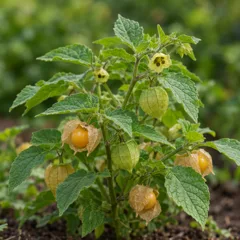
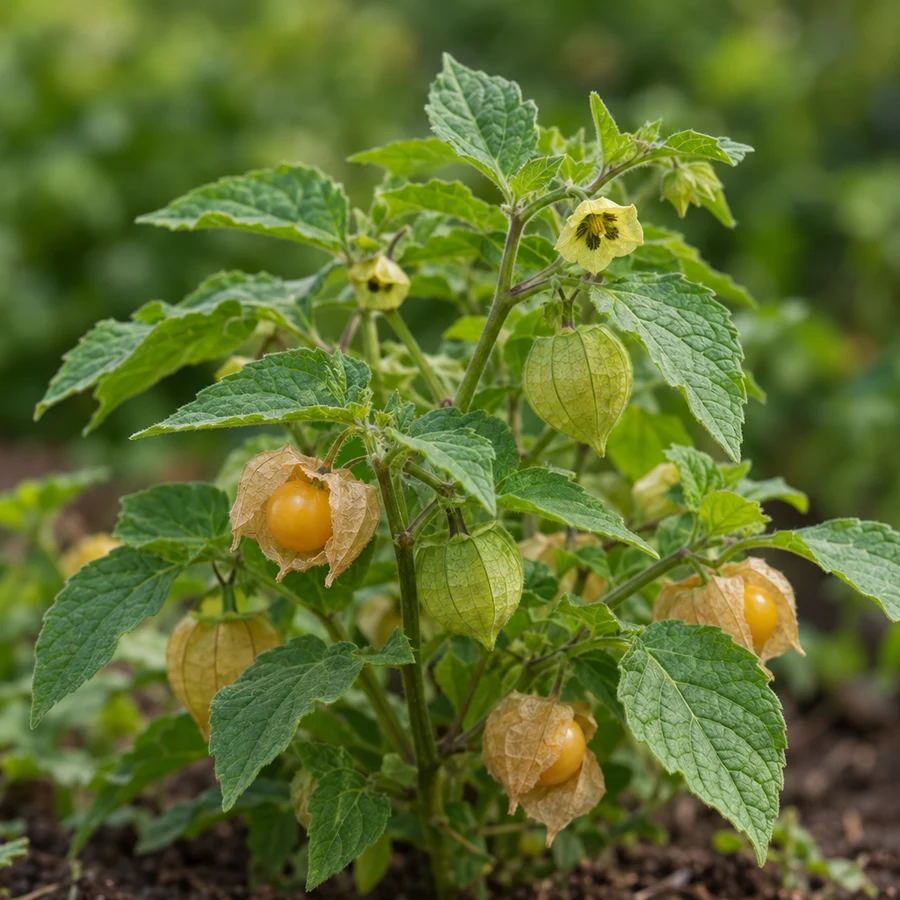
A ground cherry looks like a tiny paper lantern. Inside each husk is a golden berry about the size of a marble, sweet and a little tart, with a flavor people compare to pineapple, vanilla and tomato all at once. Children love them, and a bowl of husked ground cherries rarely lasts long.
The plants are low, bushy and sprawling, usually 1 to 2 feet tall and wider than they are high. They're grown much like their cousins the tomatillo and the tomato: start them indoors, plant out when the soil is warm, and let summer do the rest. One plant gives hundreds of berries from late summer until frost.
One warning before you plant. Only the ripe, golden fruit is food. The leaves, stems, husks and green, unripe berries contain solanine and related compounds, as other nightshades do, and should not be eaten by people or pets.
Recent community discussions
No one has talked about Ground Cherry yet. Be the first.
At a glance
| Plant type | Tender fruiting vegetable, a tomato relative |
| Botanical name | Physalis pruinosa, as most seed catalogs list it (botanists now place most North American garden ground cherries in Physalis grisea) |
| Annual or perennial | Tender annual |
| Sun | Full sun, 6 to 8 hours or more |
| Water | About 1 inch per week; keep soil evenly moist |
| Spacing | 2 to 3 feet apart, rows 3 to 4 feet apart (plants sprawl wide) |
| Planting depth | 1/4 inch for seed; transplants at the same depth they sat in the pot |
| Days to germinate | 7 to 21, faster with bottom heat |
| Days to maturity | About 70 to 75 days from transplanting to the first ripe fruit |
| Best USDA zones | Any zone, grown as a summer crop |
| Soil pH | 6.0 to 7.0 |
Is it ground cherry weather where you are? See everything to plant this month or read your zone notes.
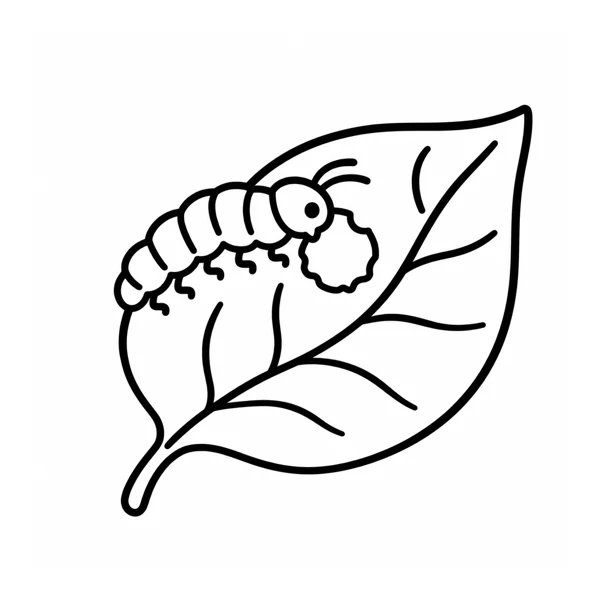
Pests to watch for
Diseases
Mateo is researching the diseases that affect this plant.
A little history
Ground cherries belong to the genus Physalis in the nightshade family, and several species grow wild across North and South America. Native peoples gathered wild husk fruits for food long before European settlers arrived, and settlers took to them too. The garden ground cherries most of us grow trace back to wild plants of eastern and central North America. The best-known variety, Aunt Molly's, is usually sold as a Polish heirloom, so this American native seems to have made a round trip to Europe and back.
Ground cherries have never become a big farm crop, because the plants sprawl and drop their fruit. In 2018, a team led by Zachary Lippman at Cold Spring Harbor Laboratory, working with Joyce Van Eck at the Boyce Thompson Institute, used gene editing to make more compact plants with bigger fruit. For now, though, the ground cherry is still a home garden treat.
When to sow in your zone
Spring, indoors: Start seed 6 to 8 weeks before your last frost. Germination can be slow and uneven, so give the seeds warmth.
Planting out: Set plants outside 2 to 3 weeks after your last frost, once the soil has warmed and nights stay above about 50°F. Ground cherries do poorly in cold soil, so there's no gain in rushing them.
Short seasons: In zones 3 to 5 and in cool maritime summers, start seed on time indoors and use your warmest, sunniest bed, or a big pot against a sunny wall. The plants ripen fruit earlier than most tomatoes, which is why they do well in cool-summer gardens.
Late season: In zones 10 and 11, and the warm end of zone 9, a late-summer sowing gives a fall and winter crop.
Your own dates: Pick your zone on the zones page to see when ground cherries go in where you live, then count back from your last frost to set your indoor sowing day.
Growing it, step by step
Getting seed going
Sow seed 1/4 inch deep in a seed-starting mix and keep it moist. A heat mat helps a lot, since the seeds like a warm 70 to 80°F. Seedlings can take anywhere from one to three weeks to show. Grow them on in bright light at about 70°F so they stay short and sturdy.
Out into the bed
Harden off for about a week before planting out. Set each plant at the same depth it grew in the pot. Leave 2 to 3 feet between plants, as they spread wide.
Picking the spot
Give them full sun and well-drained soil with some compost mixed in. They're not fussy and take poorer soil than tomatoes. Rotate them: don't plant where tomatoes, peppers, eggplant, potatoes or tomatillos grew in the last two or three years.
Growing in a pot
A pot of 5 gallons or more holds one plant. Pots on a patio or a hard surface have a bonus: fallen fruit is easy to find, and dropped berries don't seed themselves into your beds.
Water
Water deeply about once a week, more in hot weather or in pots. Steady moisture keeps the plants flowering and setting fruit.
Mulch
Lay straw, grass clippings or shredded bark under the plants once the soil is warm. Mulch holds moisture and keeps weeds down, and it gives the falling fruit a clean place to land so you can spot it.
Feeding
Mix compost into the bed at planting. Go easy on nitrogen after that, since heavy feeding gives a huge leafy plant with fewer berries.
Keeping it happy
Ground cherries don't need pruning or staking, but a low tomato cage keeps them tidier and holds the fruit off the soil. The plants are indeterminate, so they keep flowering and fruiting until cool fall weather slows them down. Bees visit the small yellow flowers, and a single plant sets fruit on its own.
Expect volunteers. Every berry you miss holds many seeds, and ground cherries come back from seed the next spring. Pull the seedlings you don't want while they're small, or move a few to where you'd like them.
Trouble in the bed
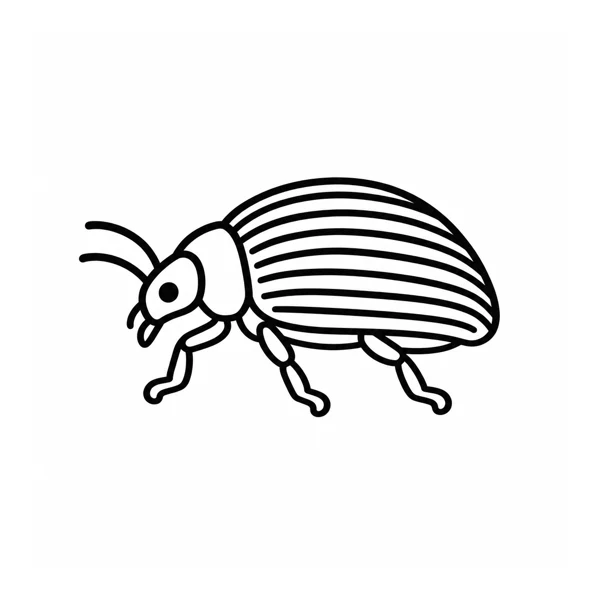
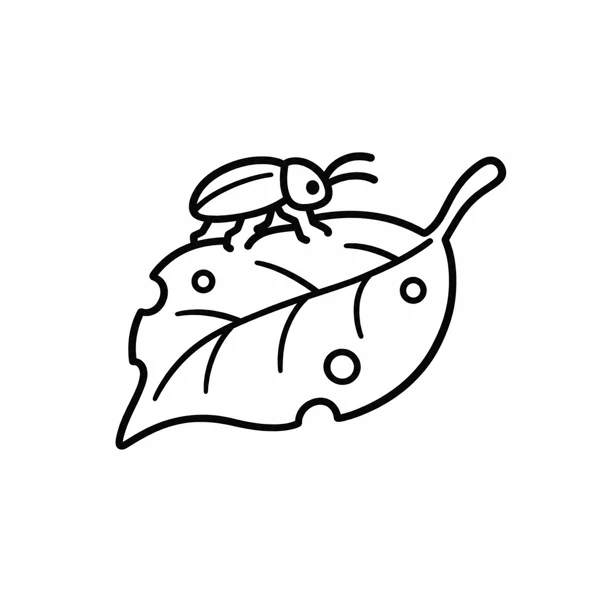
- Colorado potato beetles and three-lined potato beetles: Both chew the leaves. Hand-pick adults and larvae into soapy water, and check the undersides of leaves for orange egg clusters.
- Flea beetles: Tiny black beetles that pepper young leaves with holes. Cover new transplants with row cover until the plants are bigger.
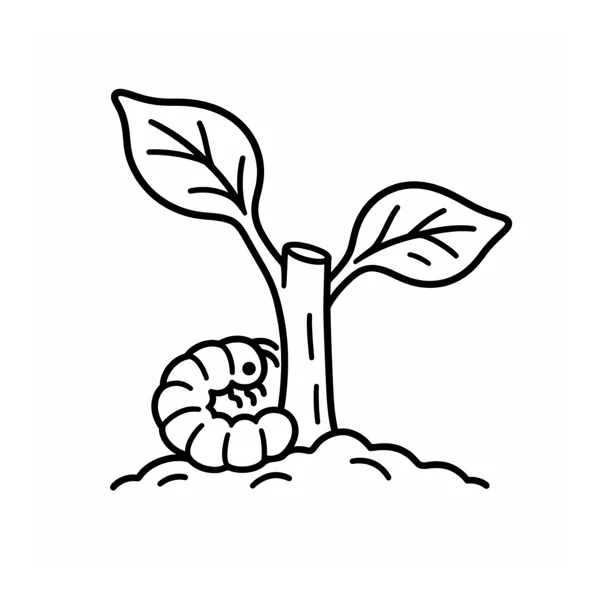
- Cutworms: They cut young plants off at the soil line overnight. Put a collar of cardboard around each stem at planting.
- Hornworms: Large green caterpillars that strip leaves fast. Hand-pick them.
- Leaf spots and wilts: Ground cherries are usually tougher than tomatoes, but they share the same nightshade diseases. Rotate beds, water at the base and keep air moving.
Good neighbors


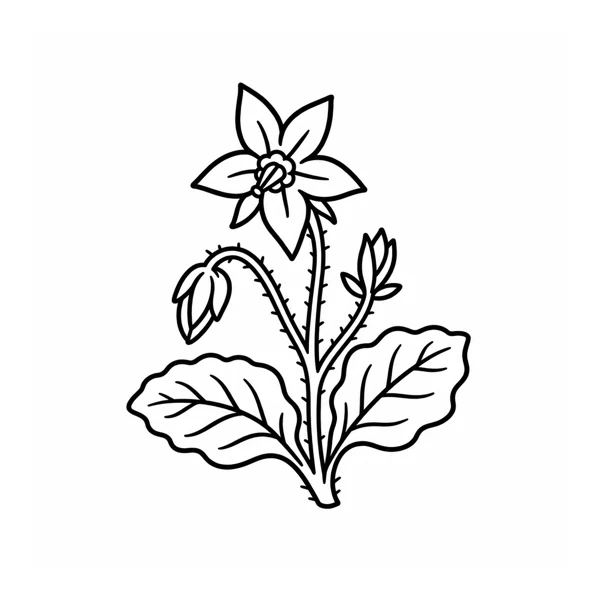
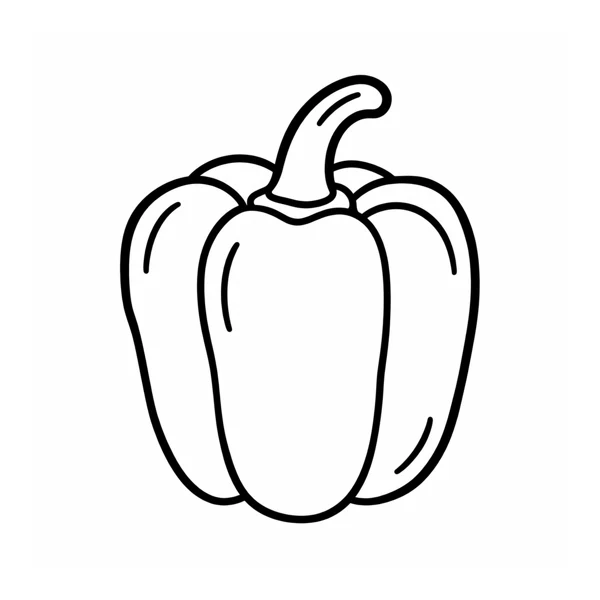

Grows happily beside: Basil, marigolds and borage. Borage in particular draws in bees. Peppers and tomatoes like the same warm, sunny bed, just give everything room.
Keep apart: Don't plant ground cherries where potatoes, eggplant, tomatoes or other nightshades grew recently. They share pests and soil diseases, and a fresh spot breaks the cycle.
Seeds that grow well in your area in November
Affiliate links — shopping through these helps keep Evening Vines free. Rocket Larkspur
 Wild Lupine
 Common Milkweed
 PansySeeds
Varieties worth growing
- Aunt Molly's: The classic. Small golden berries with a sweet, pineapple-citrus taste, on a low, spreading plant. Early and reliable, so a good pick for short seasons in Canada and the northern US.
- Cossack Pineapple: An Eastern European heirloom named for its strong pineapple flavor. Early to ripen, and well suited to cool summers like those in the UK and Ireland.
- Goldie: A long-time seed catalog favorite with golden berries and a sweet, fruity flavor, much like Aunt Molly's.
A close cousin: Cape gooseberry (Physalis peruviana), also sold as goldenberry or poha, has larger, tangier fruit on a tall plant. It needs a longer, warmer season than ground cherries. In hot or subtropical areas, such as frost-free parts of Australia and zones 10 and up in the US, it can live on as a short-lived perennial. In cool climates it's often grown in a greenhouse or polytunnel.
Picking notes
Ground cherries tell you when they're ripe: they fall off the plant. Ripe fruit drops to the ground in its husk, which turns from green to a dry, papery tan. Go out every day or two and pick them up. Gently shaking the plant drops any that are ready. Husk the fruit before eating, and look for berries that are fully golden. Any that are still green or have a green tinge are not ripe, so leave them in the husk for a few days to finish, or throw them out.
Kept in their husks in a cool, dry spot, ground cherries can last up to about 3 months. Husked berries keep 2 to 3 weeks in the fridge. To freeze, spread husked berries on a tray, freeze them, then bag them. They keep about 6 months.
Saving seed for next year
Ground cherry seed is easy to save. Pick a few of the best fully ripe berries, mash them in a little water, and leave the mix for a few days. The good seeds sink. Pour off the pulp, rinse the seed in a strainer, and dry it on a plate. Store it cool and dry. Different Physalis species rarely cross, but if you grow two ground cherry varieties side by side, space them well apart for seed that comes true.
From garden to table
USDA figures for groundcherries put a 100 gram serving at about 53 calories, with some vitamin C and niacin. Most get eaten straight from the husk in the garden. They're also good in salads and salsas, on yogurt or cereal, dried like raisins, or cooked into jam, pie and chutney. A husk peeled back like wings makes a pretty garnish, but remove the husk before eating.
Questions from the potting bench
Are ground cherries poisonous? Only the ripe, golden fruit is safe to eat. The leaves, stems, husks and unripe green berries contain toxic compounds, so keep children and pets away from those parts.
Why are my ground cherries falling off green? Fruit that drops still green inside is not ready. Leave it in the husk somewhere warm for a few days, and it often finishes ripening. Only eat it once it's fully golden.
Will ground cherries come back next year? Not the same plant, as it dies with frost. But dropped berries reseed freely, so you'll likely see seedlings next spring.
Are ground cherries the same as tomatillos? They're close relatives in the same genus, grown the same way. Tomatillos are bigger, tarter and mostly cooked, while ground cherries are small, sweet and eaten like fruit.
Grower reports
How did Ground Cherry do in your garden? Members rate it and say which zone and month they planted, so everyone can see what works near them.
Recent community discussions
No one has talked about Ground Cherry yet. Be the first.
Essentials for Growing Ground Cherry
 Grow Bags
Breathable fabric pots: grow almost anything on a patio, balcony or driveway, and roots never circle.
See it →
 Seed Starting Tray
Reusable tray with a clear dome to give seeds a warm, humid start indoors.
See it →
 Garden Hand Tools
Trowel, transplanter and cultivator: the three tools you reach for most.
See it →
 Organic Fertilizer
Slow-release organic plant food for vegetable beds and containers.
See it →
 Watering Can
Long-spout can for gentle watering of seedlings and pots.
See it →
 Pruning Shears
Sharp bypass pruners for harvesting, deadheading and tidying.
See it →
