
Guanábana (Soursop)
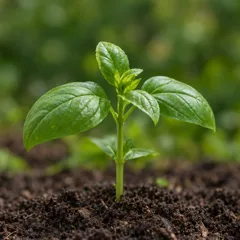
Guanábana, also called soursop, is a small tropical tree that produces large, spiny green fruit. The flesh is creamy and juicy with a sweet-tart flavor people compare to pineapple, strawberry, and citrus. It's one plant, Annona muricata, and it isn't related to guava or banana.
Trees grow 15 to 25 feet tall with glossy, dark leaves. They need heat, humidity, and protection from cold. It's a great choice for gardeners in frost-free zones who want a rare tropical fruit.
Recent community discussions
No one has talked about Guanábana (Soursop) yet. Be the first.
At a glance
| Plant type | Tropical fruit tree (evergreen) |
| Botanical name | Annona muricata |
| Annual or perennial | Perennial |
| Sun | Full sun (young trees like some shade) |
| Water | Regular; keep evenly moist, never waterlogged |
| Spacing | 15 to 20 feet (10 to 12 feet if kept pruned) |
| Planting depth | Same as the nursery pot |
| Years to first crop | 3 to 5 |
| Fruit ripening | About 4 to 6 months after flowering |
| Best USDA zones | 10b to 12 (frost tender) |
| Soil pH | 5.5 to 6.5 |
Is it guanábana (soursop) weather where you are? See everything to plant this month or read your zone notes.

Diseases
Mateo is researching the diseases that affect this plant.
A little history
Guanábana is native to the Caribbean and the tropical Americas, where it has long been grown. Spanish and Portuguese explorers carried it to Africa and Asia, and it became a common fruit in warm regions. Today it's grown across the tropics.
When to Plant
Spring: Plant in late spring to early summer, when nights stay warm. This gives roots a full warm season to settle.
Fall: In zones 11 and 12, fall planting is fine. In zone 10b, plant only if you can protect young trees from the first cold nights. Temperatures below about 40°F damage leaves, and frost can kill young trees.
Growing it, step by step
Planting
Choose a sunny, sheltered spot with rich, well-drained soil. Dig a hole twice as wide as the root ball and as deep, and set the tree at the level it grew. Water in well. Young trees do best with some afternoon shade in their first year.
Bringing it in from abroad: seeds, cuttings and plants from another country are regulated by the USDA (APHIS). Most live plants need a permit and inspection, small seed lots usually need paperwork too, and fruit or seeds carried home in a suitcase are often seized at the border. Buy plants or seed from a US nursery instead. Hawaii and Puerto Rico add rules of their own.
Moving it outside
Handle the root ball gently, because the roots resent disturbance. Transplant in warm weather and water well afterward. Outside the tropics, a large pot in a heated greenhouse is the only realistic option.
Water
Water deeply and regularly, especially in dry weather and while fruit develops. Never let the soil stay soggy, because the roots rot. Humidity helps keep the leaves healthy.
Mulch
Spread 3 to 4 inches of mulch in a wide ring, a few inches from the trunk. It keeps the roots cool and moist and feeds the soil as it breaks down.
Feeding
Feed young trees with a balanced fertilizer that includes micronutrients every 2 to 3 months. Mature trees need feeding two or three times a year. Add compost around the drip line.
Keeping it happy
Prune lightly after harvest to keep the tree at a size you can reach, removing dead or crossing branches. Protect it from wind and cold. Hand pollination helps a lot: each flower opens in a female stage first and sheds pollen later, and natural pollinators are often scarce. Collect pollen from older, pollen-shedding flowers in the afternoon and brush it onto newly opened flowers early the next morning.
Trouble in the bed
- Mealybugs and scale: Wipe off with rubbing alcohol, or use horticultural oil.
- Fruit flies: Bag young fruit, pick promptly, and clear fallen fruit.
- Annona seed borer: Larvae feed inside the seeds and fruit. Remove infested fruit and bag healthy fruit.
- Anthracnose and root rot: Plant in well-drained soil, avoid overwatering, and remove affected fruit and leaves.
Good neighbors
Good: Bananas or other tall plants for shelter, nitrogen-fixing shrubs such as pigeon pea, and low herbs around the drip line.
Avoid: Waterlogged low spots, and lawn right up to the trunk, which competes for water and nutrients.
Seeds that grow well in your area in November
Affiliate links — shopping through these helps keep Evening Vines free. Purple Coneflower
 Stinging Nettle
 Smooth Blue Aster
 Polka Dot Mix
Varieties worth growing
Few named cultivars are sold under consistent names. Most trees are sold simply as guanábana or soursop, and some nurseries offer grafted selections under local names. These are your main options:
- Seedling soursop: The most common, with variable fruit quality.
- Grafted soursop: True-to-type fruit and earlier crops, where available.
- Cherimoya (Annona cherimola): A related fruit tree for cooler subtropical areas.
- Sugar apple (Annona squamosa): A related species that likes similar heat.
Picking notes
Pick fruit when the skin turns a lighter, slightly yellowish green, the spines soften and spread apart, and the fruit gives slightly. Cut it with a bit of stem. Let it finish ripening at room temperature for a few days, until soft.
Propagation
Grafting gives the most reliable fruit. Fresh seed sprouts in a warm spot in about 2 to 4 weeks, but seedlings vary and take longer to fruit. The seeds are toxic: don't chew or crush them, and keep them away from children and pets.
From garden to table
The flesh is rich in vitamin C and fiber. Eat it fresh or blend it into juice, smoothies, ice cream, and sorbet, removing all the seeds first. The seeds, leaves, and bark contain compounds called acetogenins, and heavy, long-term use of soursop products has been linked to nerve problems. Enjoy the fruit in moderation, and check with a health professional before using leaf teas or supplements.
Questions from the potting bench
Is guanábana the same as guava? No. Guava is a different fruit (Psidium). Guanábana is soursop, Annona muricata.
Why does my tree flower but not fruit? Poor pollination is common. Hand pollination helps.
Are the seeds safe? No. The seeds are toxic. Don't eat or crush them.
Grower reports
How did Guanábana (Soursop) do in your garden? Members rate it and say which zone and month they planted, so everyone can see what works near them.
Recent community discussions
No one has talked about Guanábana (Soursop) yet. Be the first.
Essentials for Growing Guanábana (Soursop)
 Grow Bags
Breathable fabric pots: grow almost anything on a patio, balcony or driveway, and roots never circle.
See it →
 Organic Fertilizer
Slow-release organic plant food for vegetable beds and containers.
See it →
 Pruning Shears
Sharp bypass pruners for harvesting, deadheading and tidying.
See it →
 Insect Netting
Fine mesh that keeps cabbage worms, flea beetles and birds off your crops, no sprays needed.
See it →
 Soaker Hose
Waters the roots slowly, not the leaves: less disease, less water, less work.
See it →
 Garden Hand Tools
Trowel, transplanter and cultivator: the three tools you reach for most.
See it →
