
Mulberry
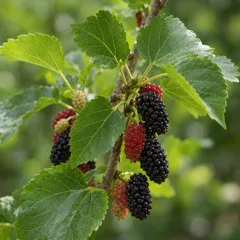
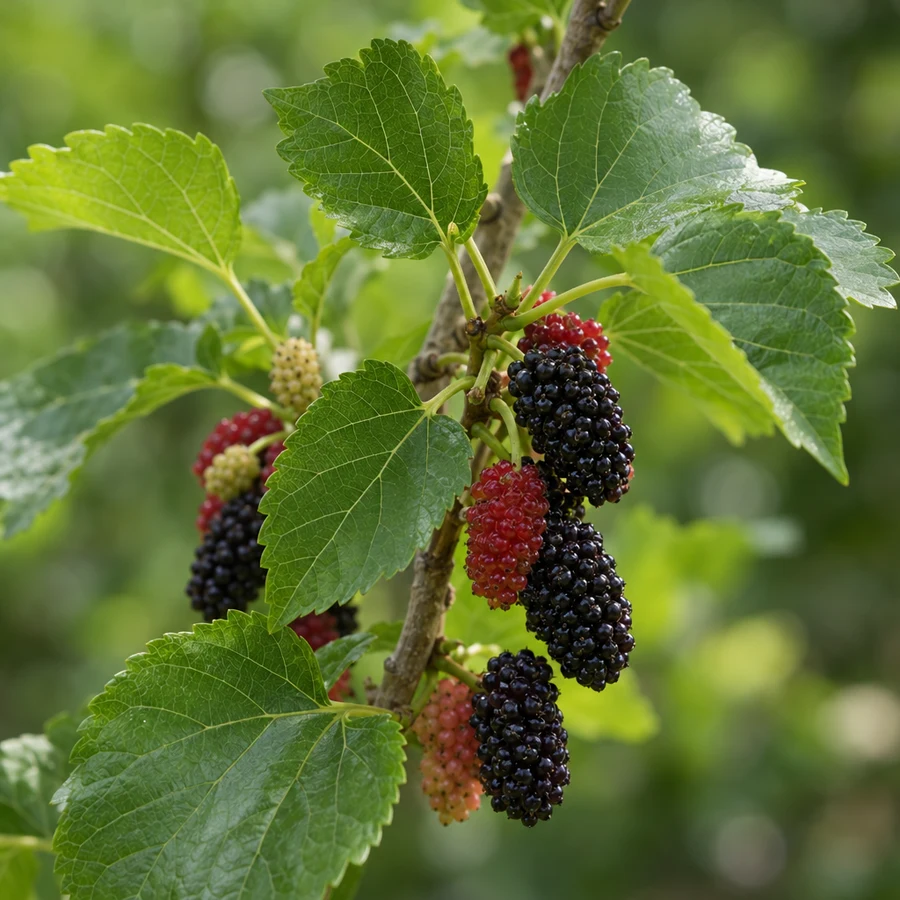
A mulberry tree in fruit is a small feast. The berries look like long blackberries and taste sweet, with a little tang in the better kinds. They're too soft to ship, so you almost never see them in stores, but a single tree can give you more than you can pick. Mulberries grow fast, put up with poor soil and dry spells, and leaf out late, so spring frosts rarely spoil the crop.
There are three main kinds. White mulberry comes from China and is the hardiest. Red mulberry is native to eastern North America. Black mulberry comes from western Asia, has the richest flavor, and needs mild winters. Many of the trees sold for fruit in the US are crosses between white and red.
The one real drawback is the mess. Ripe berries drop and stain, so keep the tree away from driveways, patios, paths and parked cars.
Recent community discussions
No one has talked about Mulberry yet. Be the first.
At a glance
| Plant type | Fruit tree |
| Botanical name | Morus alba (white mulberry), Morus rubra (red mulberry), Morus nigra (black mulberry), and hybrids such as Morus alba x rubra |
| Annual or perennial | Deciduous perennial |
| Sun | Full sun for the best crop; takes light shade |
| Water | About 1 inch per week while young; drought tolerant once settled |
| Spacing | Full-size trees 25 to 35 feet; black mulberries about 15 to 20 feet; dwarf types 6 to 10 feet, or one to a large pot |
| Planting depth | Same depth as in the nursery pot; keep any graft union above the soil |
| Days to germinate | Not grown from seed; start from a named nursery tree or a rooted cutting |
| Days to maturity | 1 to 3 years to first fruit for white and hybrid types; black mulberries are much slower, often around 8 years, though some start sooner |
| Best USDA zones | 5 to 9 (hardy white and hybrid types to zone 4; black mulberry 7 to 9; low-chill types into zone 10) |
| Soil pH | 6.0 to 7.0, though mulberries put up with a wide range |
Is it mulberry weather where you are? See everything to plant this month or read your zone notes.
Pests to watch for


Diseases

A little history
White mulberry leaves are the food of the silkworm, and the tree has been grown in China for silk for thousands of years. Black mulberry was grown around the Mediterranean in ancient times for its fruit, and it was grown in English gardens by the 1500s. In 1607 and 1608, King James I urged English landowners to plant thousands of mulberry trees to start a home silk trade, and he pushed the Virginia colony to raise silk too. In 1619 the Virginia Assembly required settlers to plant mulberry trees. The silk never paid as well as tobacco, but white mulberry trees spread across the eastern US and crossed freely with the native red mulberry. Some of the old black mulberries planted in that era still stand in English gardens.
When to sow in your zone
Mulberries go in as young trees, not seeds, and they're planted while dormant.
Late winter to early spring (all zones): Plant bare-root trees while they're still leafless, from about a month before your last frost, once the ground can be dug. Potted trees can go in at the same time or up to a couple of weeks after the last frost, before the weather turns hot.
Late fall through winter (zones 7 to 10): Where the ground doesn't freeze hard, plant dormant trees from late fall through winter. The roots grow slowly in cool soil and the tree is ready to leaf out in spring. In most of the UK and Ireland, plant in late autumn after leaf fall or in late winter, when bare-root mulberries are sold; skip the coldest, wettest weeks of midwinter. In Australia, plant dormant trees from late autumn through winter (about May to August).
Chill hours: Mulberries need far less winter cold than apples or cherries, and low-chill varieties like Dwarf Everbearing and Pakistan crop in central and south Florida and in warm parts of Australia. In fully tropical lowlands, crops can be lighter and less regular.
Growing it, step by step
Choosing a Tree
Buy a named variety from a nursery, either grafted or grown from a cutting. Seedling trees can turn out to be male and never fruit, and the fruit on seedlings is often small and bland. Most named fruiting varieties are self-fertile, so one tree is enough. Weeping and fruitless mulberries are sold as shade or ornamental trees and won't give you berries.
Picking the Spot
Choose your sunniest spot with soil that drains well. Mulberries handle sand, loam and clay, but not ground that stays soggy. Think about the size: a white or hybrid mulberry left alone can reach 30 to 50 feet, and the fallen fruit stains. A spot at the edge of a lawn, over mulch or rough grass, is ideal. In the UK, Ireland and other cool areas, give black mulberry a warm, sheltered spot, or train it on a sunny wall.
Planting
Dig a hole as deep as the root ball and twice as wide. Set the tree at the depth it grew in the nursery, backfill with the soil you dug out, firm it, and water well. Stake a young tree in windy places, and loosen the tie as the trunk thickens.
Growing in a Pot
Dwarf varieties like Dwarf Everbearing and Charlotte Russe grow well in containers. Start with a pot about 20 inches wide and deep (15 gallons or so), filled with a soil-based potting mix. Water often in summer, feed every two weeks while it's growing, and move it to a bigger pot every few years in spring. A potted tree is also the way to grow black mulberry in zones colder than 7: roll it into an unheated garage or shed for the worst of the winter.
Water
Water deeply once a week for the first two summers, about an inch at a time. After that, mulberries manage on rain in most places, but a soaking in long dry spells while the fruit swells keeps the berries plump and stops them dropping early.
Mulch
Spread 2 to 3 inches of wood chips or bark over the root zone to hold moisture and keep grass back. Keep it a few inches from the trunk.
Feeding
Mulberries need little or no fertilizer in the ground. A light feeding of balanced fertilizer in early spring is plenty if growth is weak. Potted trees are different, since watering washes nutrients out; feed them regularly through spring and summer.
Keeping it happy
Prune only while the tree is fully dormant, between leaf fall and midwinter. Mulberries bleed a lot of sap if you cut them once the buds start to swell. Shape young trees with a few strong, well-spaced branches. After that, remove dead, damaged and crossing branches, and cut back long shoots to keep the tree low enough to pick and net. Avoid big cuts on old trees, as large wounds heal slowly. Some growers keep mulberries as a hedge or a bush by cutting them back hard each winter, which works well for white and hybrid types.
Pull seedlings that pop up around the yard. Birds spread mulberry seeds widely, and white mulberry has become weedy in many parts of the US.
Trouble in the bed
- Birds: The main competitor for the fruit. Net small trees, or plant a big tree and plan to share.
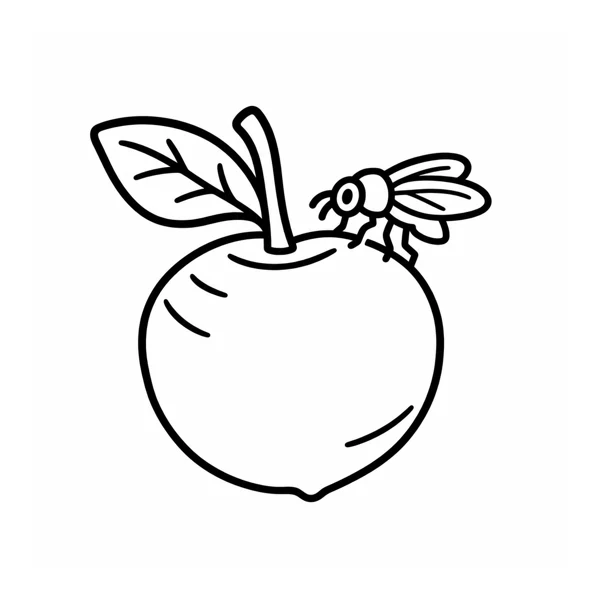
- Spotted wing drosophila: This small fruit fly lays eggs in ripening berries, which then go soft and full of maggots. Pick often and clear up fallen fruit.
- Scale and mealybugs: Bumps or white fluff on stems, which weaken the tree. Prune out badly crusted twigs, and use horticultural oil in winter if needed.
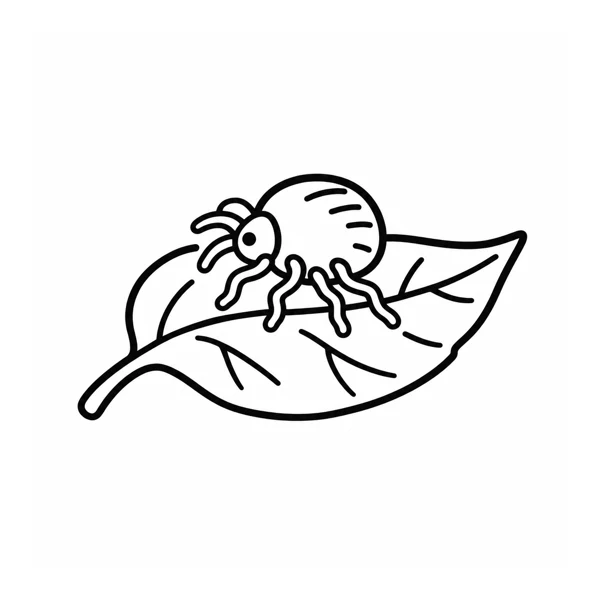
- Mites and whiteflies: Mostly a problem in hot, dry weather. A strong spray of water knocks them back.
- Popcorn disease: A fungus that turns some berries into swollen, greenish lumps that never ripen. It's most common in the southeastern US. Pick off and bury the bad fruit, and clean up underneath the tree.
- Leaf spot and powdery mildew: Spots or white powder on leaves, usually late in the season and rarely serious. Rake up fallen leaves.
- Coral spot: Small coral-pink bumps on dead twigs, common in the UK and Ireland. Cut out dead wood back into healthy growth, in dormant season.
A safety note: the milky sap can cause a skin rash in some people, so wear gloves when pruning. Unripe berries and the sap can upset the stomach if eaten; ripe berries are safe. NC State Extension lists mulberry as non-toxic to cats, dogs and horses. Pollen from male mulberry trees, especially "fruitless" white mulberries, is a strong allergen, which is another reason to plant a named fruiting variety.
Good neighbors




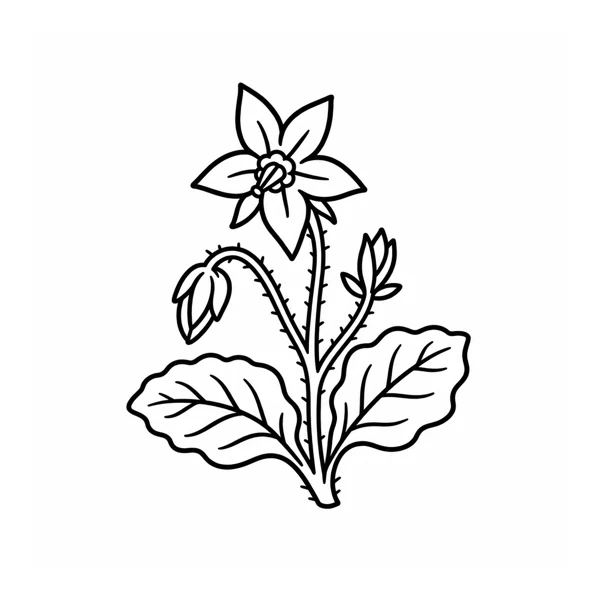

Good: Low flowers and herbs at the edge of the root zone that bring in helpful insects, like chives, nasturtiums, marigolds, calendula, borage and thyme. Mulberries fruit early, so they fit well in a mixed fruit planting with later crops like figs and grapes.
Avoid: Vegetable beds and sun-loving plants right under the tree. A grown mulberry casts heavy shade, and its roots spread wide just under the surface.
Seeds that grow well in your area in November
Affiliate links — shopping through these helps keep Evening Vines free. PhloxSeeds
 Royal Mix
 Johnny Jump Up
 Organic Cat Grass
Varieties worth growing
Cold winters and short seasons (zones 4 to 6, Canada, the northern US):
- Illinois Everbearing: A white and red cross, hardy to about -20°F. Large, dark berries over a long stretch of summer. One of the most widely sold mulberries in North America, though some growers find the flavor plain.
- Gerardi Dwarf: A compact tree raised in Illinois that stays small enough to net, with dark, sweet fruit.
In Canada, the native red mulberry is endangered in southern Ontario, partly because it crosses with white mulberry. If you live near wild red mulberries there, ask a local native plant nursery before planting white or hybrid trees.
Cool, mild summers (UK, Ireland, Pacific Northwest):
- Chelsea (also sold as King James): A black mulberry with large, deeply flavored fruit, raised from an old tree at the Chelsea Physic Garden in London. Holds the RHS Award of Garden Merit. Slow to start fruiting, but long-lived.
- Charlotte Russe: A dwarf mulberry that stays about 5 feet tall in a pot and fruits young, over a long season.
- Illinois Everbearing: Also sold in Britain and Ireland, and a good choice where you want fruit within a few years rather than waiting on a black mulberry.
Warm and hot areas (southern US, Australia, zones 8 to 10):
- Pakistan: Very long, sweet, red to black berries, up to about 3 inches. Low chill and suited to hot summers. Trees
- Dwarf Everbearing: A small, low-chill tree for pots and small yards in Florida and warm parts of Australia. Can fruit more than once a year.
- Tehama: Large, white, very sweet berries that barely stain. Good in California and other dry-summer areas.
- Black English and Hicks Fancy: Two of the common black-fruited mulberries sold in Australia. Hicks Fancy is sweet and one of the earliest to ripen.
Mulberry trees to buy
Affiliate links — shopping through these helps keep Evening Vines free.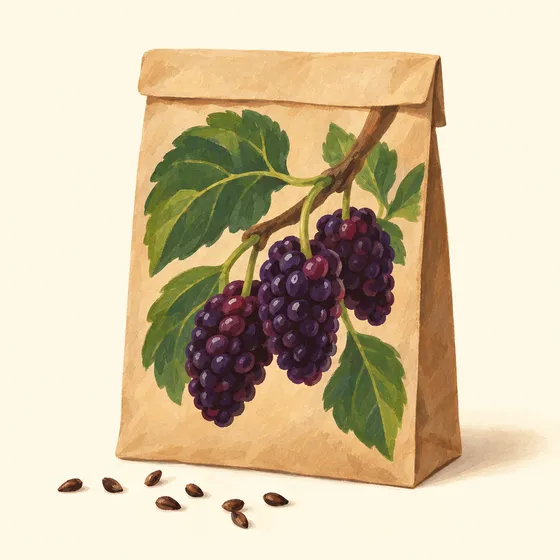 Pakistan
Picking notes
Mulberries ripen over several weeks, from late spring into summer in most of the US, from late summer into early fall for black mulberries in the UK and Ireland, and from about September to December in Australia, earliest in the warm north. Ripe berries are fully colored, soft and sweet, and come away easily. White varieties are ready when they turn creamy or pale pink and taste sweet. The easy way to pick is to spread an old sheet under the tree and shake the branches; ripe berries fall and unripe ones stay. Wear old clothes, as the juice stains skin and fabric. Mulberries keep only two or three days in the fridge, so eat, freeze or cook them quickly. Leave the little green stems on; they're edible, and pulling them crushes the berry.
Saving seed for next year
Not practical. Seedling mulberries don't grow true, and many turn out to be male trees that never fruit. To keep a variety you like, take hardwood cuttings in late winter. White and hybrid mulberries root fairly easily from pencil-thick cuttings; black mulberry is harder, so many growers buy grafted trees.
From garden to table
Mulberries are a good source of vitamin C and iron. USDA figures for raw mulberries are about 43 calories, 1.7 grams of fiber, 36 mg of vitamin C, 1.9 mg of iron and 194 mg of potassium per 100 grams. Eat them fresh, or use them in pies, crumbles, jam, muffins and smoothies. They dry well, much like raisins, and freeze well spread on a tray before bagging. Slightly underripe berries hold their shape better in baking, and the sweetest ones are best for juice, mixed with something tart like lemon or rhubarb.
Questions from the potting bench
Do I need two mulberry trees? Usually not. Most named fruiting varieties are self-fertile and crop alone. Some wild and seedling trees are male or female only, so a seedling may never fruit.
Why has my mulberry tree never fruited? It may be a male or fruitless tree, especially if it came from a seedling or was sold as a shade tree. Black mulberries can also take many years to start. White and hybrid named varieties often fruit within a year or three.
Will mulberries stain my patio? Yes. Dark berries stain concrete, decks and cars. Plant away from hard surfaces, or choose a white-fruited variety like Tehama.
Can I grow mulberries in a cold climate? Yes. Illinois Everbearing and Gerardi Dwarf handle zone 5 winters, and the hardiest white mulberries grow into zone 4. Black mulberry needs zone 7 or warmer, or a pot moved into shelter for winter.
When should I prune a mulberry? In the dormant season, from leaf fall to midwinter. Pruned later, the cuts bleed sap heavily.
Grower reports
How did Mulberry do in your garden? Members rate it and say which zone and month they planted, so everyone can see what works near them.
Recent community discussions
No one has talked about Mulberry yet. Be the first.
Trees to try
Affiliate links — shopping through these helps keep Evening Vines free.Essentials for Growing Mulberry
 Grow Bags
Breathable fabric pots: grow almost anything on a patio, balcony or driveway, and roots never circle.
See it →
 Organic Fertilizer
Slow-release organic plant food for vegetable beds and containers.
See it →
 Pruning Shears
Sharp bypass pruners for harvesting, deadheading and tidying.
See it →
 Insect Netting
Fine mesh that keeps cabbage worms, flea beetles and birds off your crops, no sprays needed.
See it →
 Soaker Hose
Waters the roots slowly, not the leaves: less disease, less water, less work.
See it →
 Garden Hand Tools
Trowel, transplanter and cultivator: the three tools you reach for most.
See it →
