
Vietnamese Coriander
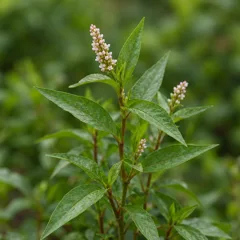
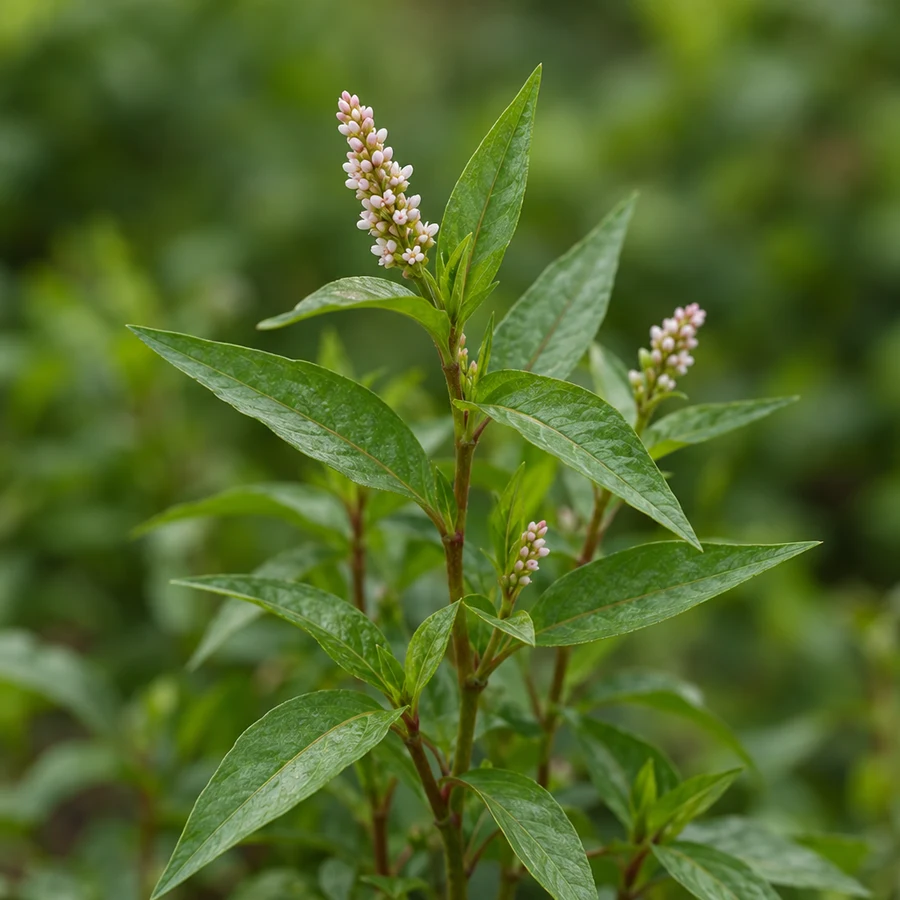
Vietnamese coriander tastes a lot like cilantro, with a sharper, peppery, lemony edge. The big difference is that it doesn't bolt. Where cilantro runs to seed the moment summer heats up, this plant just keeps growing, so you have that fresh coriander flavor right through the hottest months. It's a low, sprawling plant with jointed stems and narrow, pointed leaves, often marked with a dark chevron in the middle. It usually stays 1 to 2 feet tall and spreads wide.
Despite the name, it isn't related to coriander, and it isn't a mint either, even though it's often sold as "Vietnamese mint." It belongs to the knotweed and smartweed family. It loves heat, wet soil and humidity, and it hates frost. In most gardens the easiest way to grow it is in a big pot that comes indoors for winter.
Recent community discussions
No one has talked about Vietnamese Coriander yet. Be the first.
At a glance
| Plant type | Tender perennial herb |
| Botanical name | Persicaria odorata (formerly Polygonum odoratum) |
| Annual or perennial | Tender perennial; lives year-round only where winters stay frost-free, grown as a summer pot plant everywhere else |
| Sun | Full sun to light shade; afternoon shade in hot summers |
| Water | Plenty; keep the soil constantly moist, never dry |
| Spacing | 18 to 24 inches; one plant spreads 3 feet or more |
| Planting depth | Plant rooted cuttings at the same depth they grew in the pot |
| Days to germinate | Not grown from seed; it rarely sets seed outside the tropics. Cuttings root in water in 1 to 2 weeks |
| Days to maturity | About 4 to 6 weeks from planting a rooted cutting to the first steady picking |
| Best USDA zones | 9 to 11 outdoors all year; any zone as a summer crop or a pot brought indoors |
| Soil pH | 6.0 to 7.5 (it copes with most soils as long as they stay moist) |
Is it vietnamese coriander weather where you are? See everything to plant this month or read your zone notes.
Pests to watch for



Diseases
Mateo is researching the diseases that affect this plant.
A little history
The plant is native to Southeast Asia, from Vietnam, Laos, Cambodia and Thailand up into southern China, where it grows in damp, wet ground. In Vietnam it's called rau răm and goes into salads, fresh spring rolls and noodle soups. In Malaysia and Singapore it's known as daun kesum or laksa leaf, because it's the herb scattered over a bowl of laksa just before serving. Vietnamese folk belief holds that it dampens desire, and it's said that monks ate it for that reason. Nobody has tested the claim. It reached gardens in the US, Europe and Australia with Southeast Asian communities and is now easy to find at Asian grocers and herb nurseries.
When to sow in your zone
You don't sow this herb. Almost all plants are grown from cuttings or bought as small potted plants, because it seldom flowers or sets seed outside the tropics.
Spring: Plant outdoors 2 to 6 weeks after your last frost, once nights stay above about 50°F. Cold soil stops it in its tracks, and frost kills the tops.
Getting a head start: If you kept a plant indoors over winter, snip some stems 4 to 6 weeks before your last frost and root them in a glass of water on a bright windowsill. They'll be ready to plant out when the weather warms.
Zones 9 to 11: It grows outdoors year-round in frost-free spots. Spring is still the best time to plant, so it fills out over the long warm season. In zone 9 a frost will blacken the tops, though the roots sometimes send up new shoots in spring.
Your own dates: Pick your zone on the zones page to see when it goes outside where you live.
Growing it, step by step
Starting from a cutting
Buy a bunch from an Asian grocer, or ask a friend for a few stems. Pick stems with a couple of joints, strip the lower leaves and stand them in water. Roots appear at the joints within a week or two. Pot them up once the roots are an inch or two long.
Picking the spot
Choose a place with sun in the morning and some shade in the afternoon, especially in hot, dry climates. In cool summers, like much of the UK, Ireland and coastal Canada, give it the warmest, most sheltered spot you have, or keep it in a greenhouse or on a sunny porch.
Pots work best for most of us
A wide pot at least 12 inches across, with a saucer underneath, is ideal. The plant likes wet feet more than most herbs, so a little water left in the saucer in summer does no harm. Use a rich potting mix with some compost.
Keep it wet
This is the one rule that matters. Water whenever the top of the soil starts to dry, which may mean every day in a pot in summer. A plant that dries out goes limp and its leaves turn yellow and tough.
A little feeding
Mix compost into the soil at planting and give a liquid organic feed every few weeks while it's growing fast. Steady feeding keeps the leaves big and tender.
Keeping it happy
Pinch the stem tips often to keep the plant bushy and stop it sprawling too far. In the ground in warm zones it can spread into a mat, and the stems root wherever they touch moist soil, so edge the bed or grow it in a pot if you want it contained. Because broken stems root so easily, don't plant it right beside a creek or pond, and don't throw trimmings into waterways.
Before your first fall frost, bring a pot indoors to a bright, warm window, or root a few cuttings in water and keep those instead. It needs at least 45°F to come through winter, and it grows slowly in short winter days, so pick lightly until spring. Indoors, the dry air from heating encourages spider mites, so mist the leaves or stand the pot on a tray of wet pebbles.
Trouble in the bed
Vietnamese coriander is mostly trouble-free outdoors. Most problems turn up on plants kept indoors over winter.
- Spider mites: Fine webbing and speckled leaves, mostly indoors in dry air. Rinse the plant in the shower, raise the humidity, and use insecticidal soap if needed.
- Aphids: Spray them off with water or use insecticidal soap.
- Whiteflies: A problem in greenhouses and on windowsills. Use yellow sticky traps and insecticidal soap, and check new plants before bringing them in.
Good neighbors
Grows happily beside: Mint, watercress, ginger and shiso. They all like rich, moist soil and a bit of afternoon shade in hot weather, and they make a fine pot collection for Southeast Asian cooking. Plant mint in its own pot, though, or the two will fight for space.
Give these a spot of their own: Rosemary, thyme, sage and other Mediterranean herbs. They want soil that dries out between waterings, while Vietnamese coriander wants to stay wet. Grow them in separate containers.
Seeds that grow well in your area in November
Affiliate links — shopping through these helps keep Evening Vines free. Organic Wheatgrass
 Purple Coneflower
 Stinging Nettle
 Smooth Blue Aster
Varieties worth growing
There are no named varieties to choose from. Nurseries sell the plain species under one of its many names: Vietnamese coriander, Vietnamese cilantro, Vietnamese mint, rau ram, laksa leaf or Cambodian mint. Plants from an Asian grocer's bunch are the same plant and root just as well.
A few plants get mixed up with it on the herb shelf:
- Culantro (Eryngium foetidum): Another heat-loving herb with a strong cilantro taste, but with long, saw-edged leaves. It's a different plant entirely.
- Rice paddy herb (Limnophila aromatica): A small, lemony herb used in Vietnamese soups that likes even wetter conditions.
- Water pepper (Persicaria hydropiper): A close relative that looks similar but is far hotter and more bitter.
The plant behaves the same in every climate. What changes is how you grow it: in the ground in warm places like Florida, south Texas, coastal California and Queensland, and in a pot that moves indoors in winter in Canada, the UK, Ireland and most of the US.
Picking notes
Start picking once the plant is about 6 inches tall and branching. Snip stem tips back to just above a joint. New shoots will grow from there, so regular picking keeps the plant bushy. Young leaves at the tips are the most tender and have the best flavor. A well-watered plant in summer can be cut back by a third every couple of weeks. The leaves lose much of their flavor when dried or cooked for long, so use them fresh. Picked stems keep for a few days in a glass of water on the counter, and they'll often root while they sit there.
Saving seed for next year
Outside the tropics the plant rarely flowers, and seed is rarer still, so don't count on saving seed. Keep it going from cuttings instead. Each fall, root a few stem tips in water and grow them on a sunny windowsill through winter. That gives you fresh young plants for next spring, even if the parent plant dies. For more on keeping plants going, see saving seeds from your garden.
From garden to table
Vietnamese coriander is used fresh, by the handful, as a flavoring herb rather than a vegetable. Much of the scent comes from decanal, an aldehyde that's also part of cilantro's smell. That's why it can stand in for cilantro.
Tear the leaves into Vietnamese salads, fresh rolls and pho, scatter them over laksa, curries and noodle dishes, or toss them with chicken salad, shredded cabbage and lime. Add them at the very end, since cooking dulls the flavor. It's a good partner for peppers, cucumber and basil, and a summer substitute for cilantro once that has bolted.
Questions from the potting bench
Is Vietnamese coriander the same as cilantro? No. They taste alike, but they're unrelated plants. Cilantro is an annual in the carrot family that bolts in heat. Vietnamese coriander is a tender perennial in the knotweed family that keeps growing all summer.
Why are the leaves turning yellow? Usually the plant has dried out, or it's sitting in cold weather. Water more often and keep it above 50°F. Older plants also lose their lower leaves, so cut them back and they'll regrow.
Can I grow it in a cool climate? Yes, as a pot plant. Grow it outside in the warmest spot through summer, or in a greenhouse in cool-summer areas, and bring it indoors before frost.
Will it come back after frost? In zone 9 the roots sometimes survive a brief light frost and regrow in spring. A hard freeze kills it, so keep a rooted cutting indoors as insurance.
Grower reports
How did Vietnamese Coriander do in your garden? Members rate it and say which zone and month they planted, so everyone can see what works near them.
Recent community discussions
No one has talked about Vietnamese Coriander yet. Be the first.
Essentials for Growing Vietnamese Coriander
 Grow Bags
Breathable fabric pots: grow almost anything on a patio, balcony or driveway, and roots never circle.
See it →
 Seed Starting Tray
Reusable tray with a clear dome to give seeds a warm, humid start indoors.
See it →
 LED Grow Light
Full-spectrum light for sturdy seedlings through short winter days.
See it →
 Pruning Shears
Sharp bypass pruners for harvesting, deadheading and tidying.
See it →
 Watering Can
Long-spout can for gentle watering of seedlings and pots.
See it →
 Organic Fertilizer
Slow-release organic plant food for vegetable beds and containers.
See it →
