
Sprouts
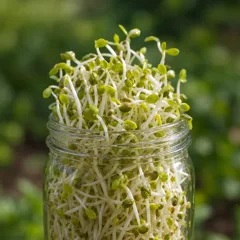
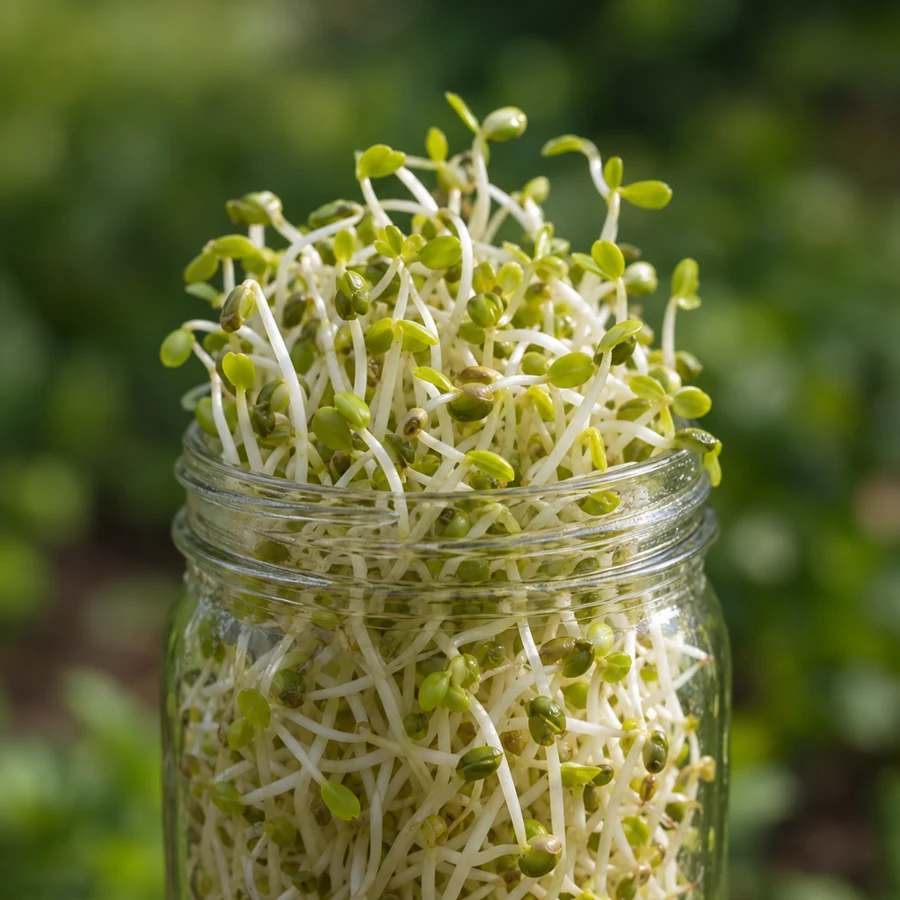
Sprouts are the young, edible shoots that emerge from seeds during the early stages of growth. Common types of sprouts include alfalfa, radish, broccoli, mung bean, and lentil. These miniature plants are packed with nutrients and are often used in salads, sandwiches, and wraps. Sprouts are incredibly nutritious and are known for being a rich source of vitamins, minerals, and antioxidants, particularly when consumed fresh. Because they grow quickly and require minimal space, they are an excellent choice for indoor gardening or anyone looking to grow fresh greens year-round.
History
Sprouting has been practiced for centuries as a way to grow nutritious food in a small space. Early records of sprouting date back to ancient China and Egypt, where sprouted grains were used as a nutrient-dense food source. Sprouting became particularly popular in the 20th century in the United States as people sought out health foods rich in enzymes and vitamins. Today, sprouting is a widespread practice, especially in urban gardening and health-conscious communities.
Recent community discussions
No one has talked about Sprouts yet. Be the first.
At a glance
| Category | Vegetables |
Is it sprouts weather where you are? See everything to plant this month or read your zone notes.
Companion Plants

Can be sown indoors year-round; ready to harvest in 4–7 days. Sow in succession for continuous supply.

3–7 days depending on variety.

Grown indoors, harvested year-round; new batch every few days. Not zone-dependent.

Best grown in soilless mixes or peat moss blends, pH 6.0–7.0. Consistent moisture essential.
Pests to watch for


Diseases
Mateo is researching the diseases that affect this plant.
Planting tips
Keep Your Sprouts Clean: Regular rinsing and draining is crucial to prevent mold and bacteria. Be sure to use clean water each time you rinse.
Start with Small Batches: Begin with a small batch of seeds to familiarize yourself with the sprouting process. Once you're comfortable, you can grow larger batches.
Use the Right Containers: A sprouting jar with a mesh lid or a sprout tray works best for even growth and easy rinsing.
Avoid Direct Sunlight: Sprouts do not need direct sunlight to grow, but giving them a little indirect light once they're fully sprouted can help improve their flavor and nutritional value.
Care and maintenance
Rinsing and Draining: Sprouts need to be rinsed at least twice a day to avoid mold or spoilage. Always drain well to prevent standing water, which could encourage mold.
Monitor Temperature: Ensure your sprouts are kept in a warm (but not hot) place, ideally between 65°F and 75°F (18°C-24°C), for optimal growth.
Watch for Mold: Mold can develop if the sprouts aren't properly rinsed or if they're kept too moist. If you see any mold, discard the affected batch and start fresh.
Companion plants
cilantro,parsley,pea
Varieties worth growing
Alfalfa Sprouts: One of the most popular and easy-to-grow varieties, alfalfa sprouts are crunchy with a mild, fresh flavor. They are rich in vitamin C, vitamin K, and fiber.
Mung Bean Sprouts: These are often used in Asian cuisine. Mung beans are crunchy with a slightly sweet flavor and are known for being high in protein and fiber.
Lentil Sprouts: Lentils are high in iron and protein and have a nutty flavor. They sprout quickly and are great for salads or sandwiches.
Broccoli Sprouts: Known for their high antioxidant content and sulforaphane, a compound thought to have cancer-fighting properties. These sprouts have a mild broccoli flavor.
Radish Sprouts: These sprouts have a peppery kick, similar to their mature counterparts, and are packed with vitamin C and potassium.
Sunflower Sprouts: Larger sprouts that have a nutty, slightly sweet flavor, commonly used in salads and wraps. They are rich in vitamin E and essential fatty acids.
How to Grow Sprouts
Choose Your Seeds: Choose high-quality, organic seeds that are specifically labeled for sprouting. Avoid seeds meant for planting in soil, as they may contain pesticides.
Soak the Seeds: Soak the seeds in water for 6-12 hours or overnight. This helps to activate the seed and kickstart the germination process.
Drain and Rinse: After soaking, drain the seeds and rinse them thoroughly. Place the seeds in a sprouting jar or sprout tray.
Rinse and Drain Twice a Day: For the next few days, rinse and drain your seeds 2-3 times a day to prevent mold growth and ensure the seeds stay moist.
Harvest: Depending on the variety, your sprouts will be ready in about 3-7 days. When they have developed small leaves and the roots are visible, they are ready to eat.
Store: Once harvested, store sprouts in a sealed container in the fridge for up to 5-7 days.
Sprouts seeds to buy
Affiliate links — shopping through these helps keep Evening Vines free.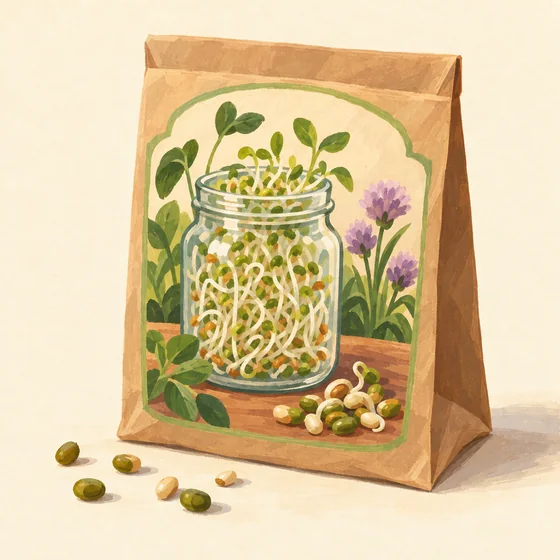 Organic Alfalfa
Seed saving
Sprouts are grown from seeds, so there's no need for traditional seed-saving methods, but you can save extra sprouting seeds for future batches:
Store in a Cool, Dry Place: Keep sprouting seeds in a sealed container in a cool, dry place to prevent them from becoming moldy or losing their viability.
Use Within the Year: Sprouting seeds lose their ability to germinate over time, so use them within 6-12 months for the best results.
Nutrition and uses
Sprouts are packed with essential nutrients and are often considered one of the healthiest foods you can eat. Some of the key benefits include:
High in Vitamins and Minerals: Sprouts are rich in vitamin C, vitamin K, folate, and vitamin A, which are important for immune health, bone health, and vision.
Rich in Antioxidants: Sprouts, especially broccoli and radish sprouts, are packed with antioxidants that help fight inflammation and oxidative stress.
Support Digestion: Sprouts are high in fiber, which promotes healthy digestion and helps regulate blood sugar levels.
Protein and Amino Acids: Many sprouts, such as mung beans and lentils, are great sources of plant-based protein and essential amino acids.
Sprouts are an excellent addition to any diet and are particularly beneficial in vegan and plant-based diets, where they provide important nutrients like iron, vitamin B12, and calcium.
Growing time
Sprouts are one of the fastest-growing crops and can be harvested in as little as 3-5 days for many varieties like alfalfa or broccoli sprouts. Mung beans and lentils take a bit longer, typically around 4-7 days. The growing time will depend on the type of seed and the conditions (temperature and humidity).
Seeds that grow well in your area in November
Affiliate links — shopping through these helps keep Evening Vines free. PhloxSeeds
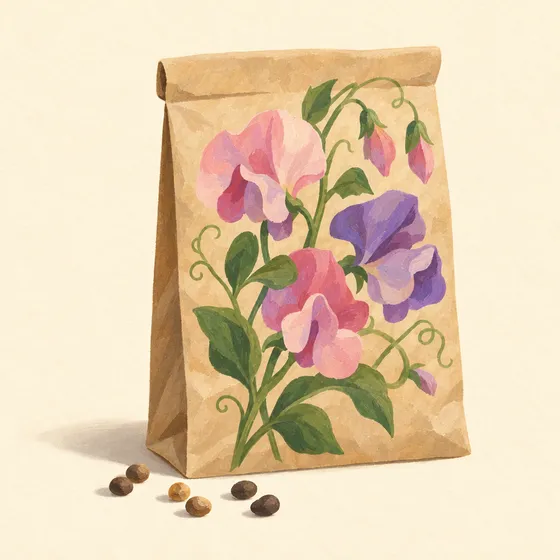 Royal Mix
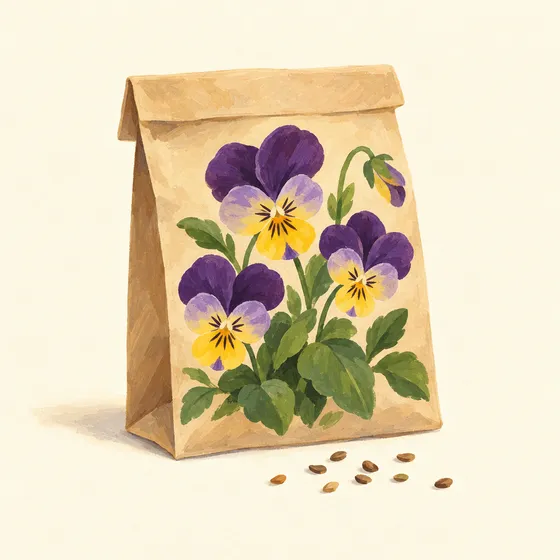 Johnny Jump Up
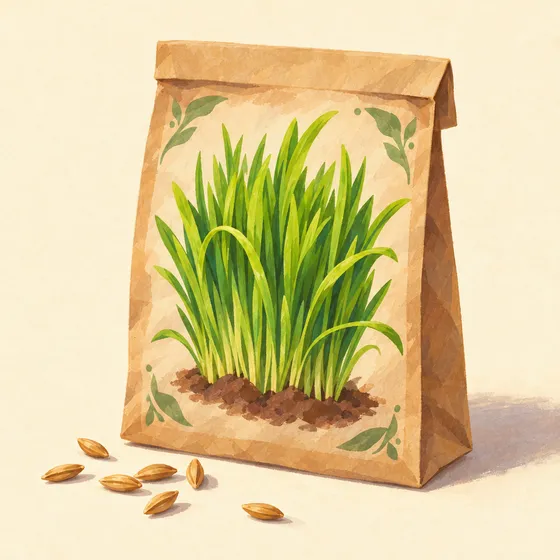 Organic Cat Grass
Sowing time
Sprouts can be grown year-round, depending on the variety. The sowing time typically depends on the seed type:
Mung Beans, Lentils, Alfalfa: These seeds can be sprouted indoors at any time of year, making them a great option for winter growing.
Broccoli, Radish, Mustard: These seeds also sprout indoors, but are typically best started during cooler months to prevent premature bolting.
Harvest
Since sprouts are grown indoors or in small controlled environments, they can be harvested year-round. You can grow a new batch every few days to ensure a continual supply.
Best Zone for Planting
Sprouts are grown in indoor environments, so they don't rely on USDA hardiness zones. They thrive in a warm (around 65°F to 75°F / 18°C to 24°C) environment with high humidity, so they are perfect for indoor gardening in most climates.
Soil
Unlike traditional crops, sprouts do not need soil. They are typically sprouted in a jar, tray, or sprouter that provides enough moisture and air circulation. Sprouting can be done using water alone, though some sprout growers use hydroponic media like coconut coir or paper towels to anchor the seeds.
Growing Conditions
Sunlight: Most sprouts do not require direct sunlight to grow. However, once sprouted, some varieties (like sunflower sprouts) can benefit from a few hours of indirect light to develop a better flavor and more nutrition.
Temperature: Most sprouts grow best in warm temperatures (65°F to 75°F or 18°C to 24°C), but they don't need intense heat. Cooler temps (around 50°F / 10°C) can slow the growth process, but they can still grow.
Watering: Regular rinsing and draining of sprouts is key to prevent mold or fungal growth. Sprouts should be rinsed 2-3 times a day in cool water to keep them hydrated and healthy.
Keeping it happy
Care and Maintenance Rinsing and Draining: Sprouts need to be rinsed at least twice a day to avoid mold or spoilage. Always drain well to prevent standing water, which could encourage mold. Monitor Temperature: Ensure your sprouts are kept in a warm (but not hot) place, ideally between 65°F and 75°F (18°C-24°C), for optimal growth. Watch for Mold: Mold can develop if the sprouts aren't properly rinsed or if they're kept too moist. If you see any mold, discard the affected batch and start fresh.
Saving seed for next year
Seed Saving Sprouts are grown from seeds, so there's no need for traditional seed-saving methods, but you can save extra sprouting seeds for future batches: Store in a Cool, Dry Place: Keep sprouting seeds in a sealed container in a cool, dry place to prevent them from becoming moldy or losing their viability. Use Within the Year: Sprouting seeds lose their ability to germinate over time, so use them within 6-12 months for the best results.
From garden to table
Nutritional Benefits Sprouts are packed with essential nutrients and are often considered one of the healthiest foods you can eat. Some of the key benefits include: High in Vitamins and Minerals: Sprouts are rich in vitamin C, vitamin K, folate, and vitamin A, which are important for immune health, bone health, and vision. Rich in Antioxidants: Sprouts, especially broccoli and radish sprouts, are packed with antioxidants that help fight inflammation and oxidative stress. Support Digestion: Sprouts are high in fiber, which promotes healthy digestion and helps regulate blood sugar levels. Protein and Amino Acids: Many sprouts, such as mung beans and lentils, are great sources of plant-based protein and essential amino acids. Sprouts are an excellent addition to any diet and are particularly beneficial in vegan and plant-based diets, where they provide important nutrients like iron, vitamin B12, and calcium.
Grower reports
How did Sprouts do in your garden? Members rate it and say which zone and month they planted, so everyone can see what works near them.
Recent community discussions
No one has talked about Sprouts yet. Be the first.
Seeds to try
Affiliate links — shopping through these helps keep Evening Vines free.Essentials for Growing Sprouts
 Grow Bags
Breathable fabric pots: grow almost anything on a patio, balcony or driveway, and roots never circle.
See it →
 Seed Starting Tray
Reusable tray with a clear dome to give seeds a warm, humid start indoors.
See it →
 Watering Can
Long-spout can for gentle watering of seedlings and pots.
See it →
 LED Grow Light
Full-spectrum light for sturdy seedlings through short winter days.
See it →
 Plant Labels
Waterproof markers so you know what's coming up where.
See it →
 Organic Fertilizer
Slow-release organic plant food for vegetable beds and containers.
See it →
