
What to Plant in Green Bay in November (Zone 5b)
In short: in November, gardeners in Green Bay can plant aster, bachelor's buttons, black-eyed susan, columbine, currants, daffodils, echinacea and gooseberry, plus 12 more vegetables, herbs, fruit and flowers below. The last spring frost usually comes around May 6 and the first fall frost around Oct 7 (Zone 5b averages).
Green Bay, WI · Zone 5b · frost ~May 6 – ~Oct 7
Herbs 3
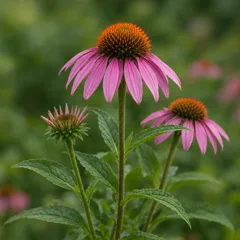
Echinacea seed germinates best after a cold winter, so sow once the soil is cold and it will sprout in spring. Sow outdoors in late fall; winter's cold chills the seed so it sprouts on its own in spring.
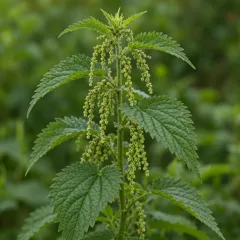
Sow outdoors in late fall; winter's cold chills the seed so it sprouts on its own in spring.
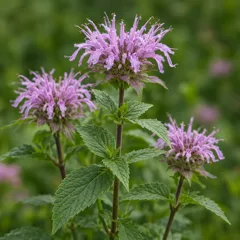
Sow outdoors in late fall; winter's cold chills the seed so it sprouts on its own in spring.
Fruit 2
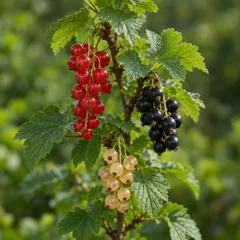
Plant dormant bushes after the leaves drop in fall, while the soil is still workable, so roots grow before winter.
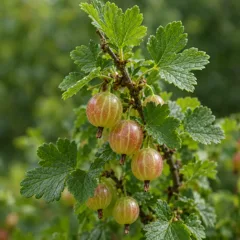
Plant bare-root bushes in late fall once the leaves drop; roots settle in over winter, ready to grow in spring.
Flowers 15
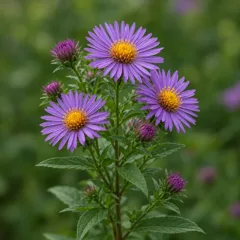
Sow outdoors in late fall; winter's cold chills the seed so it sprouts on its own in spring.
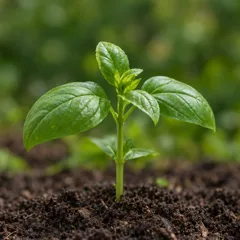
Sow outdoors in late fall; winter's cold chills the seed so it sprouts on its own in spring.
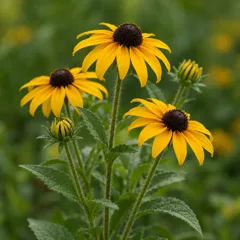
Sow outdoors in late fall; winter's cold chills the seed so it sprouts on its own in spring.
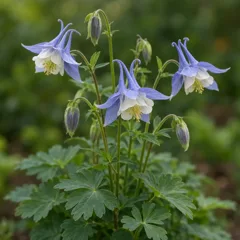
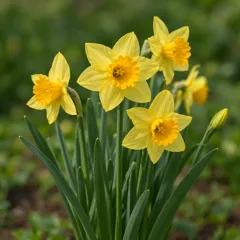
Plant bulbs now, pointed end up, about 6 inches deep: they need a few weeks to root before the ground freezes.
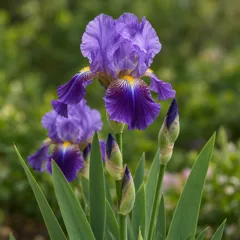
Plant Dutch iris and early dwarf iris bulbs now, around tulip time once the soil has cooled, 4 to 6 inches deep.
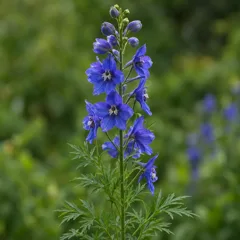
Sow outdoors in late fall; winter's cold chills the seed so it sprouts on its own in spring.
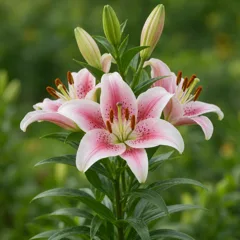
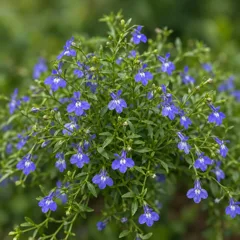
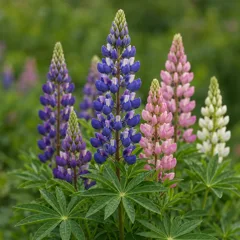
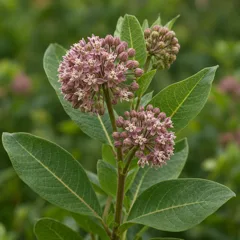
Milkweed seed needs cold, moist conditions to germinate, and a late-fall sowing lets winter do the job. Sow outdoors in late fall; winter's cold chills the seed so it sprouts on its own in spring.
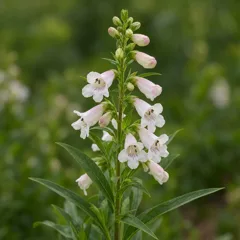
Sow outdoors in late fall; winter's cold chills the seed so it sprouts on its own in spring.
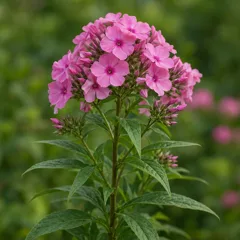
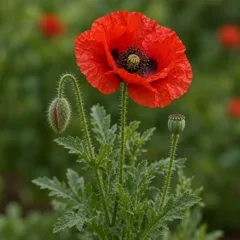
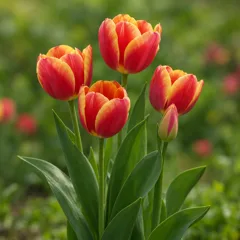
Plant bulbs once the soil has cooled below about 60°F, several weeks before the ground freezes, so roots grow before winter.
Indoors, any month 4
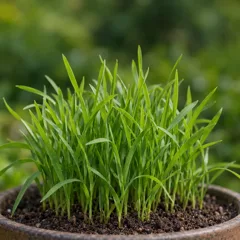
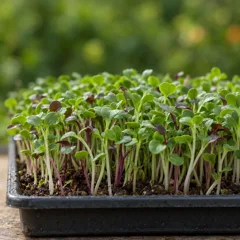
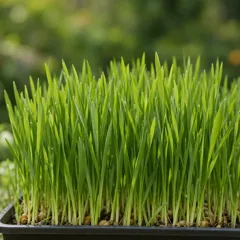
Sow a tray indoors any month; most are ready to cut in 1 to 3 weeks.
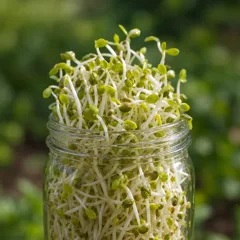
Sprout seeds in a jar on the counter any month; ready to eat in 3 to 6 days.
Seed and starter links are affiliate links: buying through them helps keep Evening Vines free.
Coming up in December
Nothing goes in outdoors in December in Zone 5b. It is a month for planning and ordering seed.
Gardening in Green Bay
Green Bay is on the bay of Lake Michigan, with very cold winters and a short season. Start tomatoes indoors and plant in late May; cool crops do very well.
- USDA zone
- 5b (ZIP 54301)
- Last spring frost (zone average)
- about May 6
- First fall frost (zone average)
- about Oct 7
- Growing season
- about 154 frost-free days
Frost dates are typical averages for the zone; a cold hollow or a spot near the water can differ by a couple of weeks.
Frost-free season: about May 6 to Oct 7. Green months have something to plant outdoors.
Green Bay gardeners ask
What can I plant in Green Bay in November?
In November you can plant aster, bachelor's buttons, black-eyed susan, columbine, currants, daffodils, echinacea, gooseberry, iris, larkspurs, lilies and lobelia, and 8 more listed on this page.
What growing zone is Green Bay in?
Green Bay is in USDA Hardiness Zone 5b on the 2023 USDA Plant Hardiness Zone Map (ZIP 54301). The zone is set by the average coldest winter night.
When is the last frost in Green Bay?
The last spring frost is usually around May 6 and the first fall frost around Oct 7. These are averages for Zone 5b from NOAA weather-station records; low spots can be a week or two later.
When can I plant tomatoes in Green Bay?
Tomatoes go in outdoors in May here. Start seed indoors 6 to 8 weeks before planting out.
What should I plant next month in Green Bay?
The December list is much the same as November’s, so there is no rush.
Nearby city calendars
- Milwaukee, WI Zone 6a
- Madison, WI Zone 5a
- Racine, WI Zone 6a
- Kenosha, WI Zone 6a
- Waukegan, IL Zone 6a
- Grand Rapids, MI Zone 6a
