
What to Plant in Cork, Kerry & Limerick in November
Kerry, Cork and Limerick have the mildest winters in Ireland: on the coasts of Kerry and west Cork, frost is rare and some tender plants survive outdoors all year. It is also the wettest and windiest part of the country, and summers stay cool.
Typical last spring frost, county by county: Cork Mar 11 · Kerry Mar 17 · Limerick Mar 26. Low, sheltered spots near the coast are earlier; frost hollows and hills later.
South-West Ireland · RHS H3 and hardier outdoors · frost ~Mar 14 – ~Dec 6
Vegetables 4
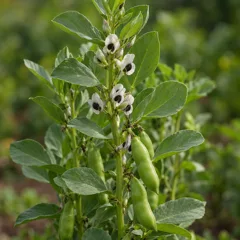
Sow a hardy variety such as Aquadulce Claudia now so young plants overwinter and crop early next spring; fleece them in hard cold.
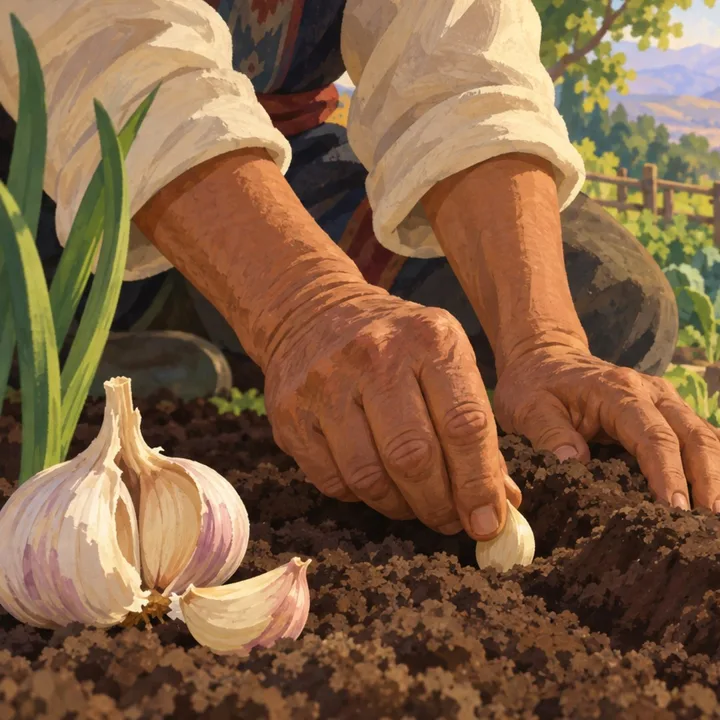
Plant cloves now, pointed end up, 4 to 6 weeks before the ground freezes: they root before winter, and the cold makes each clove divide into a new bulb.
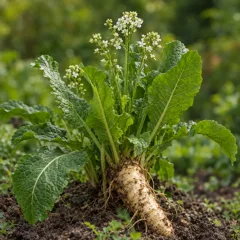
Plant root cuttings in autumn, around your first frost and a month or more before the ground freezes, so they root in and grow away early next spring.
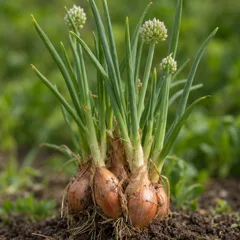
Herbs 3
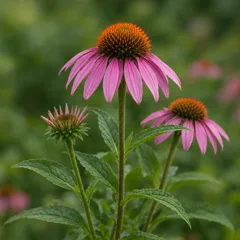
Sow outdoors in late autumn; winter's cold chills the seed so it sprouts on its own in spring.
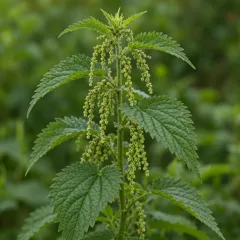
Sow outdoors in late autumn; winter's cold chills the seed so it sprouts on its own in spring.
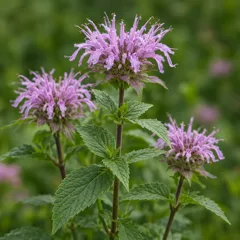
Sow outdoors in late autumn; winter's cold chills the seed so it sprouts on its own in spring.
Fruit 5
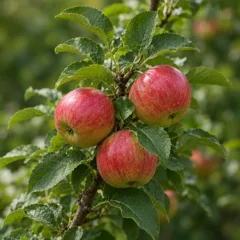
Where winters are mild, plant dormant bare-root trees in late autumn once the leaves have dropped, whenever the ground isn't frozen or waterlogged.
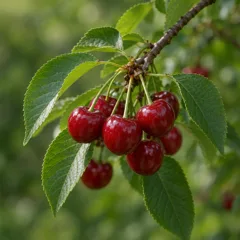
Plant dormant trees in late autumn once the leaves have dropped; in mild winters the soil stays workable and the roots settle in before spring.
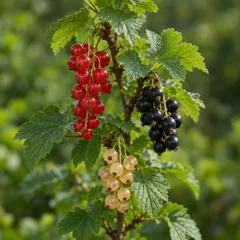
Plant dormant bushes after the leaves drop in autumn, while the soil is still workable, so roots grow before winter.
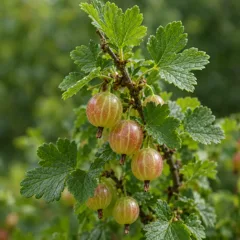
Plant bare-root bushes in late autumn once the leaves drop; roots settle in over winter, ready to grow in spring.
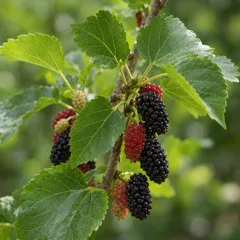
Flowers 13
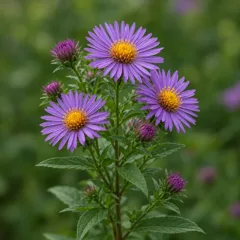
Sow outdoors in late autumn; winter's cold chills the seed so it sprouts on its own in spring.
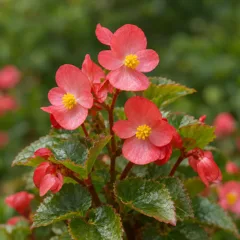
Start the dust-fine seed indoors now; begonias grow slowly and need 3 to 4 months before planting out.
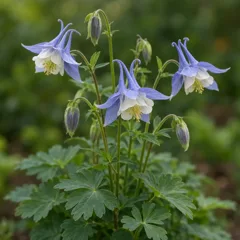
Sow outdoors in late autumn; winter's cold chills the seed so it sprouts on its own in spring.
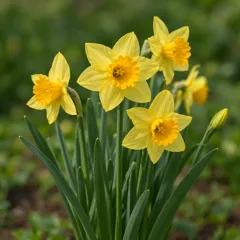
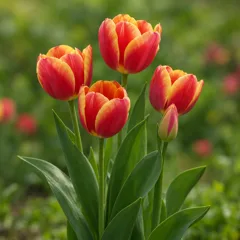
Plant bulbs once the soil has cooled in autumn; they root over winter and need the cold to bloom in spring.
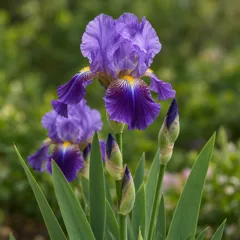
Plant Dutch iris and early dwarf iris bulbs now, around tulip time once the soil has cooled, 4 to 15 cm deep.
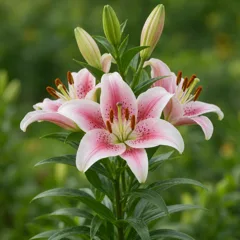
Plant bulbs now, a few weeks before the ground freezes, so roots grow through autumn and plants come up strong in spring.
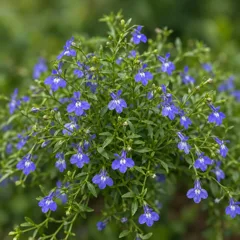
Sow cardinal flower outdoors in late autumn so winter chills the seed.
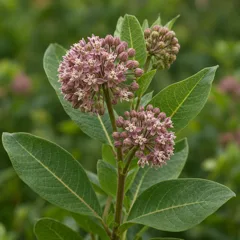
Sow outdoors in late autumn; winter's cold chills the seed so it sprouts on its own in spring.
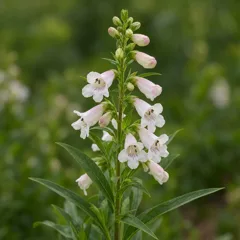
Sow outdoors in late autumn; winter's cold chills the seed so it sprouts on its own in spring.
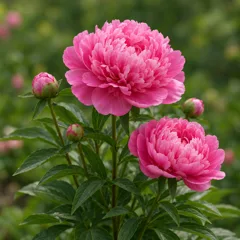
Plant bare-root peonies now, about 4 to 6 weeks before the ground freezes, with the eyes no more than 5 cm deep; the roots settle in before winter.
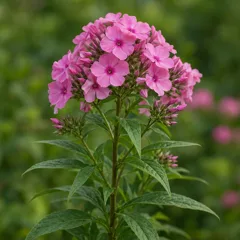
Sow outdoors in late autumn; winter's cold chills the seed so it sprouts on its own in spring.
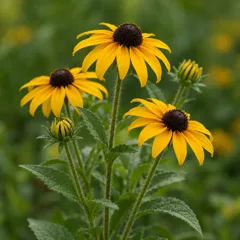
Sow outdoors in late autumn; winter's cold chills the seed so it sprouts on its own in spring.
Indoors, any month 4
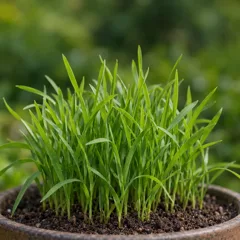
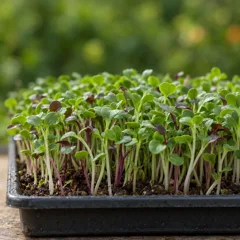
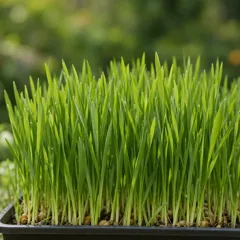
Sow a tray indoors any month; most are ready to cut in 1 to 3 weeks.
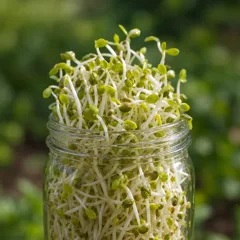
Sprout seeds in a jar on the counter any month; ready to eat in 3 to 6 days.
Seed and starter links are affiliate links: buying through them helps keep Evening Vines free.
This list is for most gardens in South-West Ireland. 33% are colder, with a later last frost, so type your county above for your own dates.
Coming up in December
27 plants go in outdoors in December. 9 of them are new for the month:
Gardening in South-West Ireland
- Near the coast you can sow and plant out weeks earlier than in the Midlands.
- Shelter from salt-laden westerlies is essential: a hedge of escallonia or griselinia works well.
- Leafy crops, herbs, potatoes and brassicas grow strongly in the moist air.
- Tomatoes, peppers and cucumbers need a polytunnel or greenhouse; summers are too cool and damp outdoors.
- Last spring frost
- about Mar 11 to Mar 26
- First autumn frost
- about Nov 16 to Dec 4
- Coldest night, typical winter
- -4 to -3°C
- January nights
- average low 4.0°C
- July days
- average high 18.8°C
- Air frosts
- about 11 nights a year
- Rain
- about 1,226 mm a year
- Sunshine
- about 1,378 hours a year
Frost dates and coldest nights cover most of the region (the middle 80% of places). Met Éireann daily station records, 1991-2025. On hardiness: plants rated RHS H3 or hardier come through a typical winter in the mildest parts. Tender plants (H1 to H2) need a frost-free place over winter.
Frost-free season: about Mar 14 to Dec 6. Green months have something to plant outdoors.
By county
| County | Last frost | First frost | Coldest night |
|---|---|---|---|
| Co. Cork Corcaigh | about Mar 11 | about Dec 4 | -3°C (H3) |
| Co. Kerry Ciarraí | about Mar 17 | about Nov 26 | -3°C (H3) |
| Co. Limerick Luimneach | about Mar 26 | about Nov 16 | -4°C (H3) |
Pick your county to see your own list. Each county uses the median of the Met Éireann and Met Office stations within about 50 km, so gardens on the coast are often milder, and high or low-lying inland spots colder, than shown.
Other regions
- South-East Ireland last frost ~Apr 1–Apr 22
- West and North-West Ireland last frost ~Mar 23–Apr 22
- The Irish Midlands last frost ~Apr 20–Apr 29
- Dublin and the East last frost ~Apr 23–Apr 28
Climate figures: Met Éireann (CC BY 4.0, summarised by Evening Vines). Sources and licences
