
What to Plant in Mobile in November (Zone 9a)
In short: in November, gardeners in Mobile can plant lettuce, carrots, peas, broccoli, kale, spinach, onions and garlic, plus 60 more vegetables, herbs, fruit and flowers below. The last spring frost usually comes around Mar 4 and the first fall frost around Nov 25 (Zone 9a averages).
Mobile, AL · Zone 9a · frost ~Mar 4 – ~Nov 25
Vegetables 26
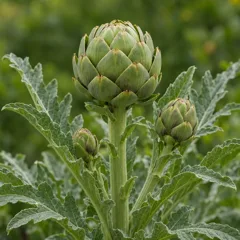
Fall planting lets roots settle in over your mild winter, ready to grow strongly in spring.
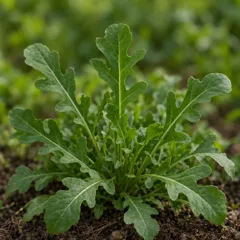
Arugula grows quickly and handles light frost. Your mild winters make fall through early spring the main season for arugula: sow outdoors now while it's cool.
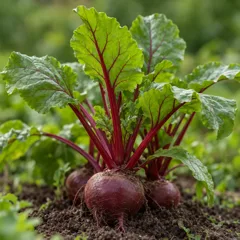
Your mild winters make fall through early spring the main season for beets: sow outdoors now while it's cool.
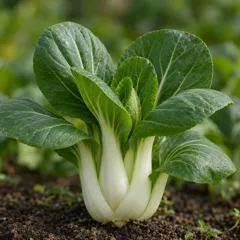
Your mild winters make fall through early spring the main season for bok choi: sow outdoors now while it's cool.
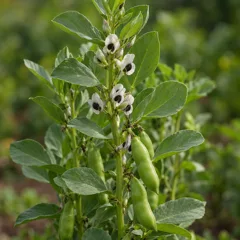
Sow a hardy variety such as Aquadulce Claudia now so young plants overwinter and crop early next spring; fleece them in hard cold.
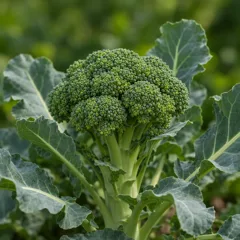
Your mild winters make fall through early spring the main season for broccoli: set out transplants now while it's cool.
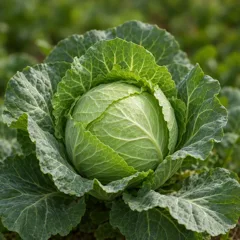
Your mild winters make fall through early spring the main season for cabbage: set out transplants now while it's cool.
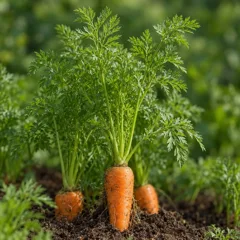
Your mild winters make fall through early spring the main season for carrots: sow outdoors now while it's cool.
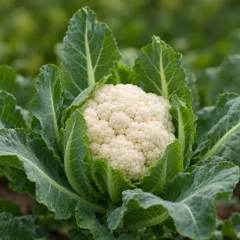
Your mild winters make fall through early spring the main season for cauliflower: set out transplants now while it's cool.
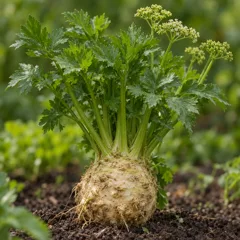
Plant out in fall; roots swell through the mild winter and are ready to dig in late winter and spring.
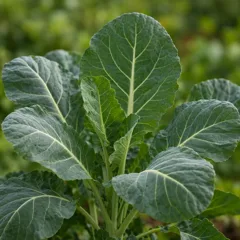
Your mild winters make fall through early spring the main season for collards: sow outdoors now while it's cool.
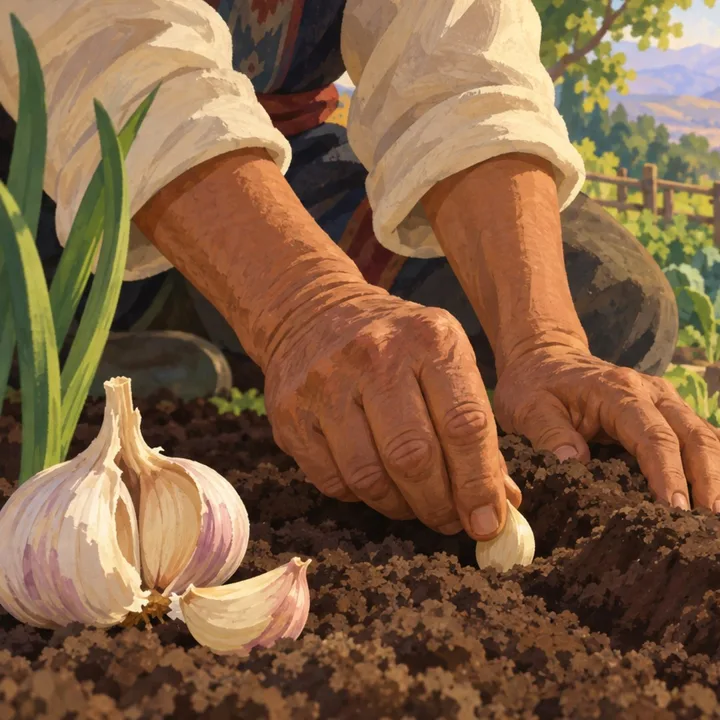
Plant cloves in late fall once the soil has cooled; choose softneck garlic, which suits mild winters.
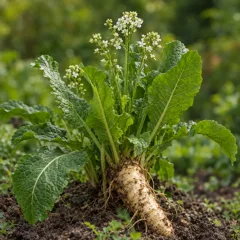
Plant root cuttings in fall, around your first frost and a month or more before the ground freezes, so they root in and grow away early next spring.
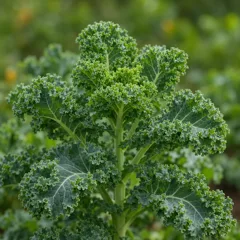
Your mild winters make fall through early spring the main season for kale: sow outdoors now while it's cool.
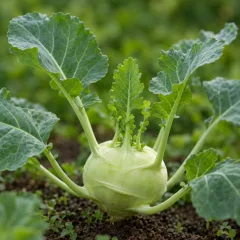
In mild winters sow from fall into winter for harvests in winter and early spring.
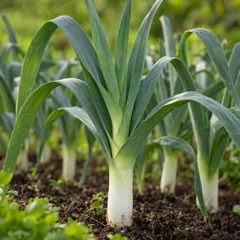
Set out leeks now for pulling through winter and spring.
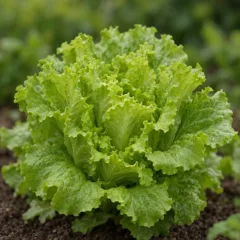
Lettuce handles light frost and grows slowly through the mild winter. Your mild winters make fall through early spring the main season for lettuce: sow outdoors now while it's cool.
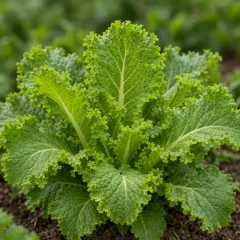
Your mild winters make fall through early spring the main season for mustard greens: sow outdoors now while it's cool.
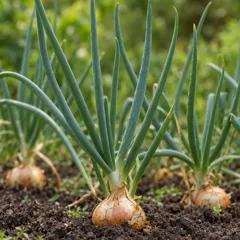
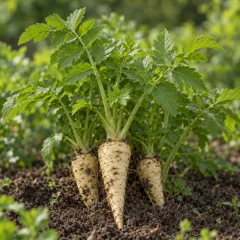
Your mild winters make fall through early spring the main season for parsnips: sow outdoors now while it's cool.
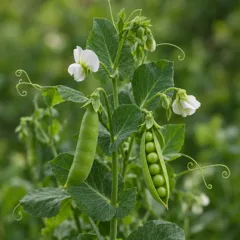
Your mild winters make fall through early spring the main season for peas: sow outdoors now while it's cool.
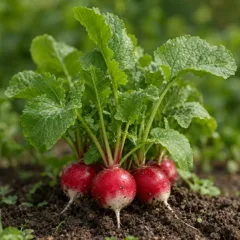
Your mild winters make fall through early spring the main season for radishes: sow outdoors now while it's cool.
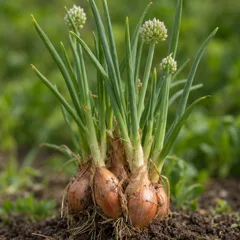
Plant sets from late fall into winter so they grow through the cool months and bulb up as days lengthen.
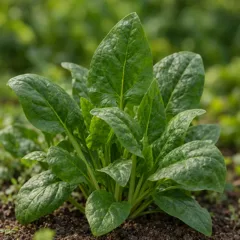
Your mild winters make fall through early spring the main season for spinach: sow outdoors now while it's cool.
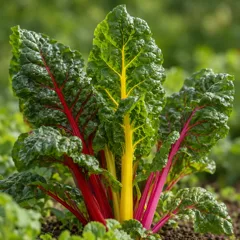
Your mild winters make fall through early spring the main season for swiss chard: sow outdoors now while it's cool.
Herbs 7
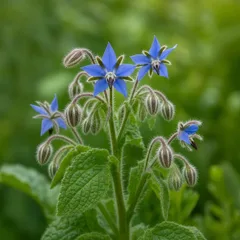
Your mild winters make fall through early spring the main season for borage: sow outdoors now while it's cool.
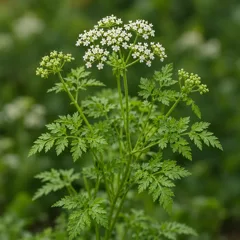
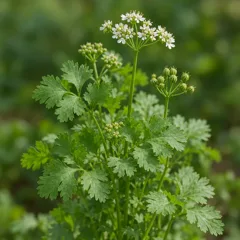
Cilantro handles light frost and stays leafy through winter. Your mild winters make fall through early spring the main season for cilantro: sow outdoors now while it's cool.
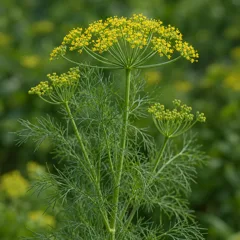
Your mild winters make fall through early spring the main season for dill: sow outdoors now while it's cool.
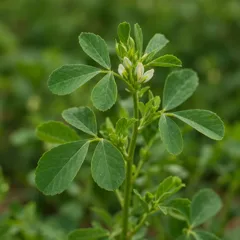
Fenugreek is a cool-season crop here; sow now for leaves through winter and seed by late spring.
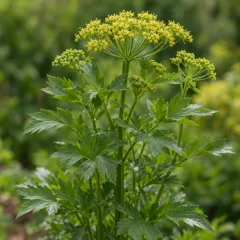
In mild zones plant in fall so the clump grows through the cool months; lovage sulks in summer heat.
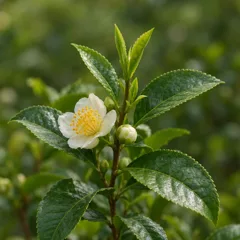
Fruit 14
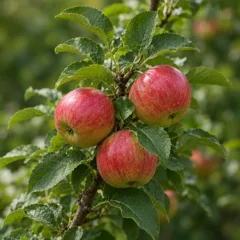
Plant dormant bare-root trees from late fall through winter; roots grow in mild spells and the tree is ready to leaf out in spring.
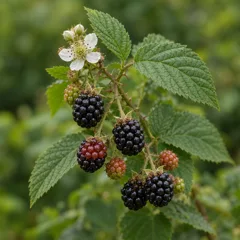
Plant dormant canes from late fall to late winter; mild weather lets the roots settle before spring growth.
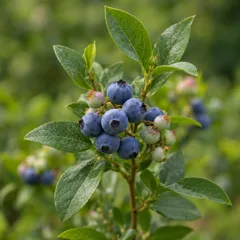
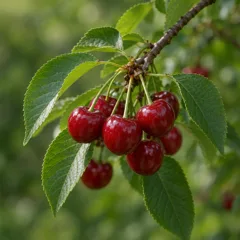
Plant dormant trees from late fall through winter; the soil rarely freezes, so roots settle in before spring.
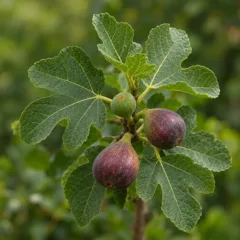
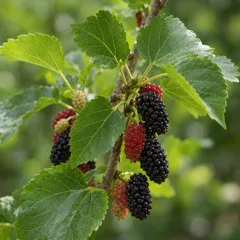
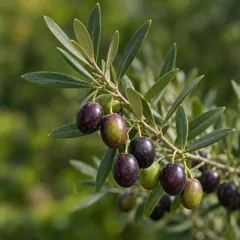
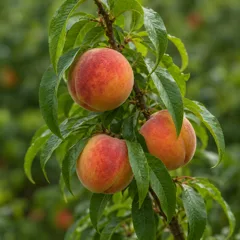
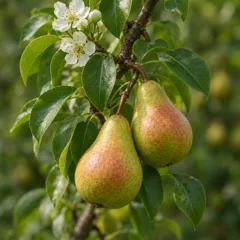
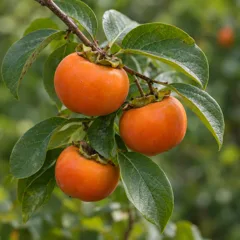
Plant dormant trees through late fall and winter; roots settle in the cool months before spring growth.
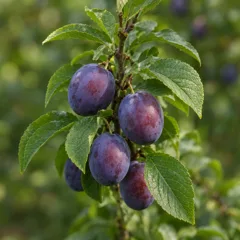
Plant dormant bare-root trees from late fall to late winter; roots grow in the cool soil before spring.
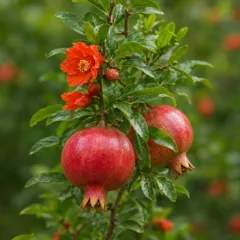
Plant dormant pomegranates in late fall or winter; mild weather lets roots grow before spring.
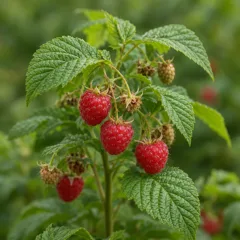
Plant dormant canes from late fall through winter while the ground isn't frozen; roots settle before spring growth.
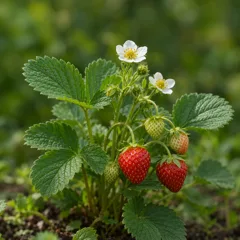
Plant from mid-September into fall for berries from winter into spring; in hot-summer areas strawberries are grown as a cool-season crop and replanted each fall.
Flowers 21
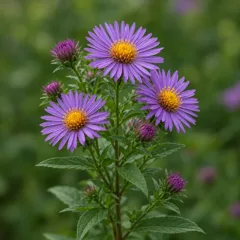
Plant now for a fall crop: 3 to 6 weeks before your first fall frost (about Nov 25) gives it time to mature in cool weather.
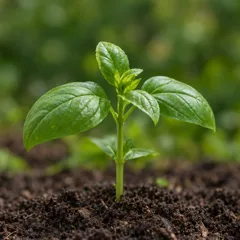
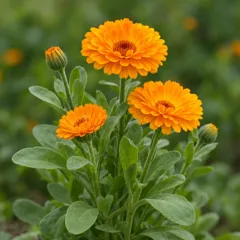
Your mild winters make fall through early spring the main season for calendula: sow outdoors now while it's cool.
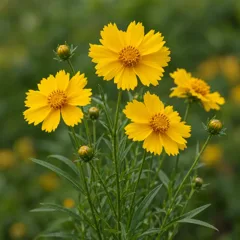
Fall planting lets roots settle in over your mild winter, ready to grow strongly in spring.
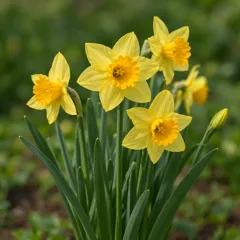
Plant bulbs once the soil has cooled in fall; they root over winter and need the cold to bloom in spring.
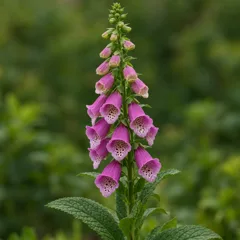
Move seedlings or nursery plants into their flowering spot now so they root in before winter and flower next spring.
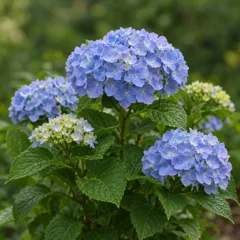
Plant in fall or early winter; roots grow through the mild winter, ready for the first hot summer.
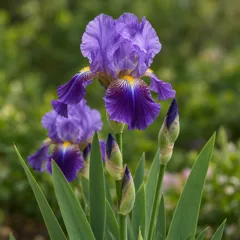
Plant Dutch iris and early dwarf iris bulbs now, around tulip time once the soil has cooled, 4 to 6 inches deep.
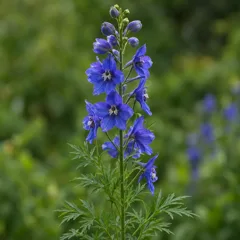
October and November are the best time here: fall-sown larkspur makes big plants for spring.
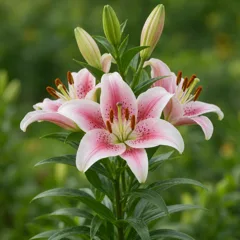
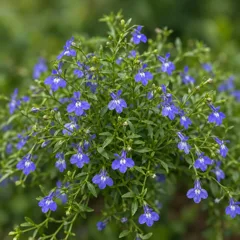
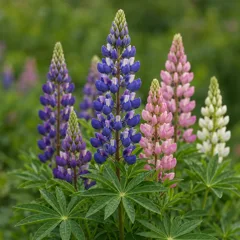
Sow bluebonnets and other lupines between September and November; this is time-sensitive.
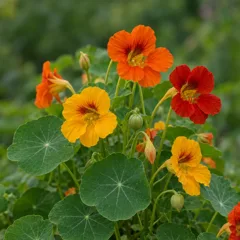
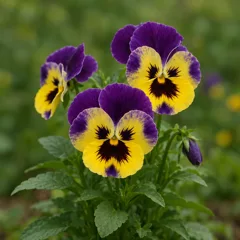
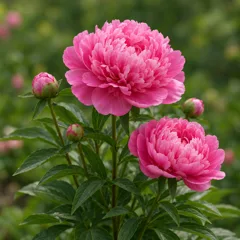
Plant bare-root peonies now, about 4 to 6 weeks before the ground freezes, with the eyes no more than 2 inches deep; the roots settle in before winter.
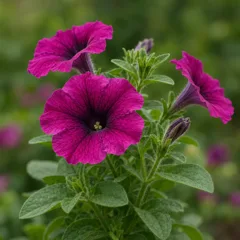
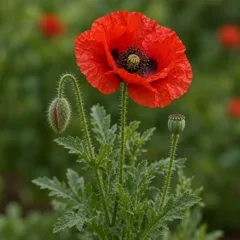
Your mild winters make fall through early spring the main season for poppies: sow outdoors now while it's cool.
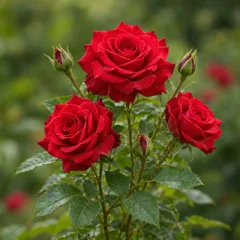
Plant dormant bare-root roses from late fall through winter; mild weather lets the roots grow before spring.
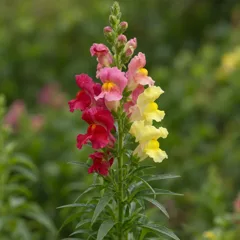
Fall planting lets roots settle in over your mild winter, ready to grow strongly in spring.
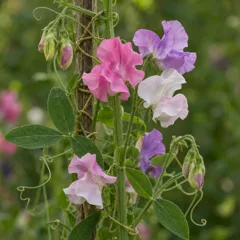
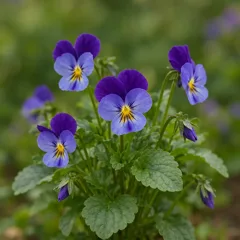
Indoors, any month 4
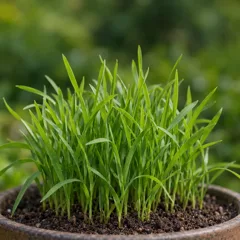
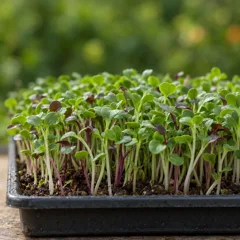
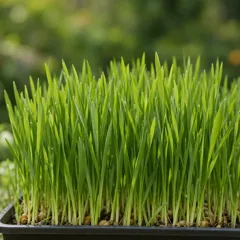
Sow a tray indoors any month; most are ready to cut in 1 to 3 weeks.
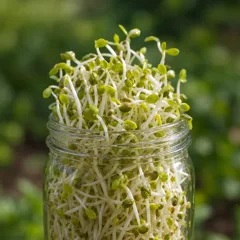
Sprout seeds in a jar on the counter any month; ready to eat in 3 to 6 days.
Seed and starter links are affiliate links: buying through them helps keep Evening Vines free.
Coming up in December
74 plants go in outdoors in December. 26 of them are new for the month:
Gardening in Mobile
Mobile is one of the rainiest cities in the country, with over 60 inches a year and steamy summers off the Gulf. Sandy soil drains fast; plant tomatoes early in spring and greens from September on.
- USDA zone
- 9a (ZIP 36607)
- Last spring frost (zone average)
- about Mar 4
- First fall frost (zone average)
- about Nov 25
- Growing season
- about 266 frost-free days
Frost dates are typical averages for the zone; a cold hollow or a spot near the water can differ by a couple of weeks.
Frost-free season: about Mar 4 to Nov 25. Green months have something to plant outdoors.
Mobile gardeners ask
What can I plant in Mobile in November?
In November you can plant lettuce, carrots, peas, broccoli, kale, spinach, onions, garlic, cabbage, cauliflower, beets and radishes, and 56 more listed on this page.
What growing zone is Mobile in?
Mobile is in USDA Hardiness Zone 9a on the 2023 USDA Plant Hardiness Zone Map (ZIP 36607). The zone is set by the average coldest winter night.
When is the last frost in Mobile?
The last spring frost is usually around Mar 4 and the first fall frost around Nov 25. These are averages for Zone 9a from NOAA weather-station records; low spots can be a week or two later.
When can I plant tomatoes in Mobile?
Tomatoes go in outdoors in March, August and September here. Start seed indoors 6 to 8 weeks before planting out.
What should I plant next month in Mobile?
New for December: peppers, parsley, eggplant, celery, rosemary, thyme, mint, lavender, apricot and asparagus.
Nearby city calendars
- New Orleans, LA Zone 9b
- Montgomery, AL Zone 8b
- Jackson, MS Zone 8b
- Baton Rouge, LA Zone 9a
- Tuscaloosa, AL Zone 8b
- Hoover, AL Zone 8b
