
 Anthracnose
At a glance
| Type | Fungus |
| Main cause | Mostly Colletotrichum species (different species attack different plants); on grapes, a different fungus, Elsinoë ampelina |
| Worst conditions | Warm, wet, humid weather and long periods of wet leaves |
Recent community discussions
No one has talked about Anthracnose yet. Be the first.
Signs
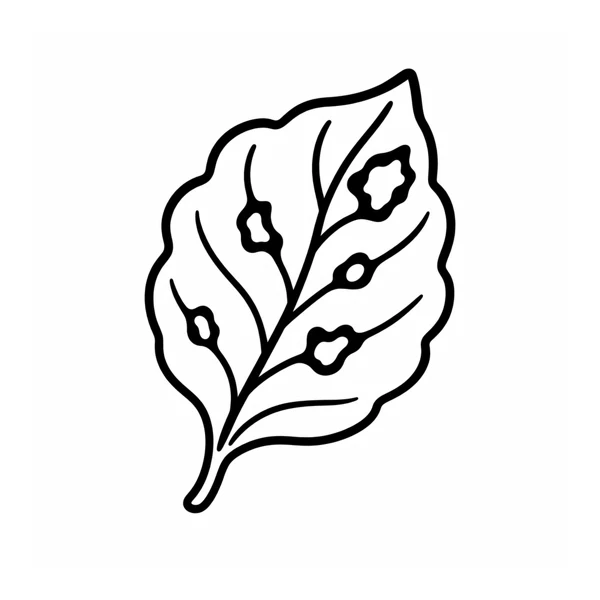
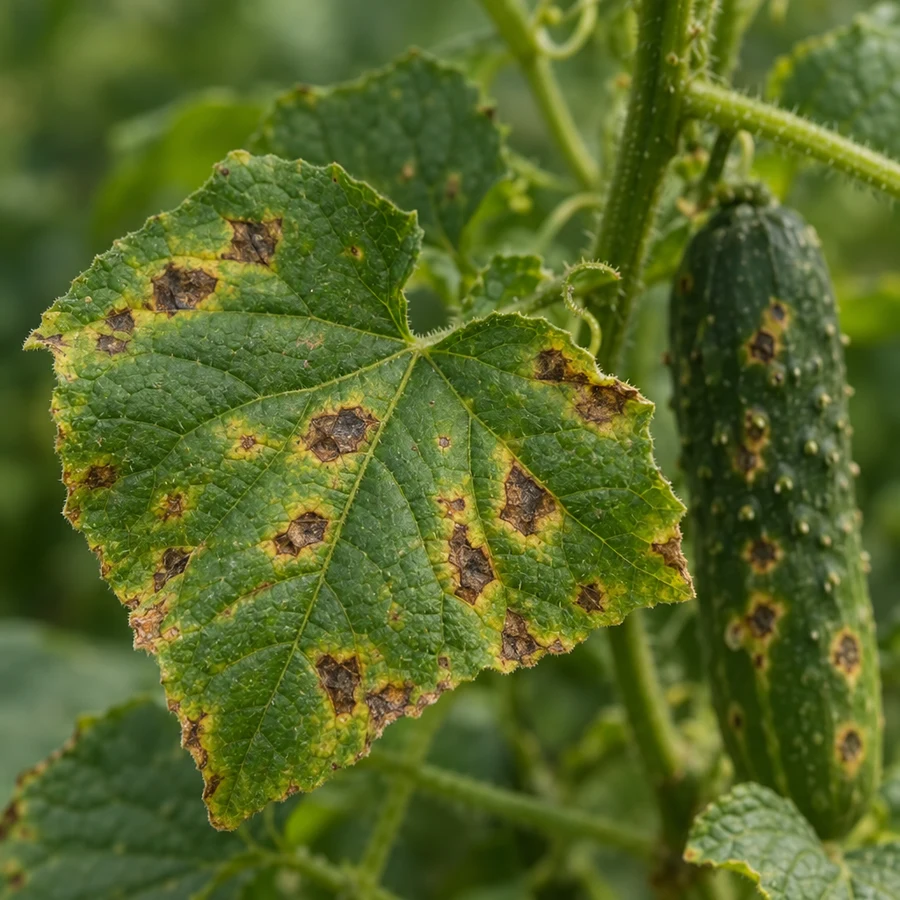
- Small, sunken spots on leaves, stems, flowers or fruit, usually tan, brown or black, often with a darker edge.
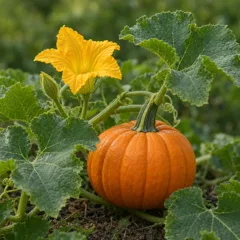
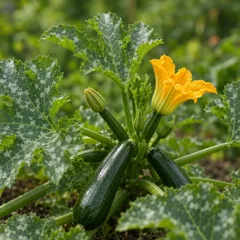
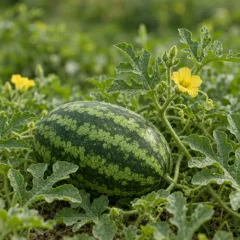
- On fruit (squash, melons, cucumbers), round, sunken, dark spots that may ooze pinkish-orange spore masses in damp weather.
- Leaf spots can join up into larger dead patches, and badly hit leaves drop early.
- Twig tips and new shoots may die back.
- Look-alikes: salt burn and sunscald can look similar, so check before treating (UF/IFAS).
Cause and Spread
Most anthracnose is caused by fungi in the genus Colletotrichum. Grapes are the exception: their anthracnose comes from a different fungus (see the grapes note below). The spores spread mainly by splashing water from rain or overhead watering, and also on hands, tools and infected seed. The fungus survives between seasons in infected plant debris and, for some crops such as cucurbits, on seed. Warm, wet weather lets it build up fast. On cucurbits, spores are released most readily when it's wet and around 75°F (Iowa State).
Prevention
- Water at the soil, not over the leaves, and water in the morning so leaves dry quickly.
- Space plants for good airflow, and mulch to stop soil splashing onto leaves.
- Clear away and destroy infected leaves, fruit and plant debris at the end of the season (how to clean up diseased plants in fall).
- Rotate crops, especially cucurbits, and don't save seed from infected plants (a crop rotation plan against disease).
- Choose resistant varieties where they're offered.
Organic Treatment
- Remove spotted leaves and fruit as soon as you see them, and bag them rather than composting.
- Copper-based fungicides allowed in organic growing can slow the spread on many crops when used as a preventive, following the label exactly.
- Fungicides protect healthy tissue but don't cure spots that are already there, so start early in wet spells.
When to Pull the Plant
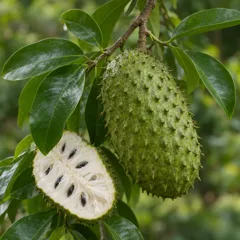
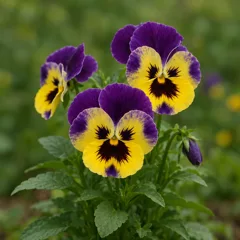
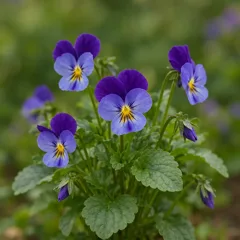
Pull annual plants (squash, cucumbers, melons, pansies, violas) if most leaves are spotted or fruit is rotting, because they become a source of spores for the rest of the garden. Perennials, vines and trees (grapes, coffee, lime, guanábana) usually don't need pulling: prune out infected shoots and improve airflow instead.
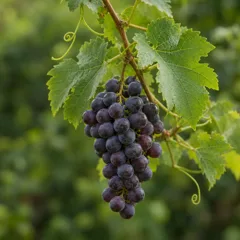
Grapes (Bird's-Eye Rot)
On grapes, anthracnose is caused by Elsinoë ampelina, not Colletotrichum. It starts as small dark spots on young leaves and shoots. On the berries the spots get a pale center with a dark ring around it, which is where the name bird's-eye rot comes from. The fungus spends the winter on infected canes and on old berries left on the vine or the ground, so cut out spotted canes when you do your dormant pruning (prune grapevines in late winter), clear away fallen fruit, and keep the vine open so the leaves dry fast after rain (Connecticut Agricultural Experiment Station; University of Kentucky).
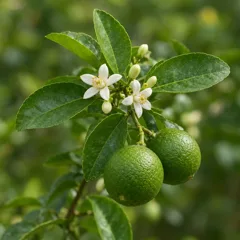
Key Lime Anthracnose
Key lime anthracnose is a separate form of the disease that affects Key (Mexican) lime only. Persian (Tahiti) limes, lemons and oranges are not affected by this form of the disease. It attacks leaves, flowers, young fruit and twigs, causing dead spots and blighted shoots, and can ruin the crop in wet weather. In areas where it occurs, a Persian-type lime avoids the problem, and Key lime trees need dead twigs pruned out and good airflow (Peres et al., Phytopathology, 2008).
Sources
- University of Florida IFAS Extension, "Anthracnose Diseases of Landscape Plants" (EP659): https://ask.ifas.ufl.edu/publication/EP659
- UF/IFAS Lee County Extension, "Anthracnose Disease of Ornamental Plants: A Pictorial": https://blogs.ifas.ufl.edu/leeco/2018/02/03/factsheet-anthracnose/
- Montana State University Extension, Anthracnose fact sheet: https://urbanipm.montana.edu/uhpp_fact_sheets/anthracnosefact.pdf
- Iowa State University Extension, "Cucurbit Anthracnose" (warm, moist weather; overwintering in debris and on seed): https://yardandgarden.extension.iastate.edu/encyclopedia/cucurbit-anthracnose
- University of Florida IFAS Extension, "Anthracnose on Cucurbits in Florida" (PP370): https://ask.ifas.ufl.edu/publication/PP370
- Clemson HGIC, "Cucumber, Squash, Melon and Other Cucurbit Diseases": https://hgic.clemson.edu/factsheet/cucumber-squash-melon-other-cucurbit-diseases/
- Connecticut Agricultural Experiment Station, "Anthracnose of Grape" fact sheet: https://portal.ct.gov/-/media/caes/documents/publications/fact_sheets/plant_pathology_and_ecology/grapeanthracnosepdf.pdf
- University of Kentucky, "Anthracnose of Grapes": https://fruitscout.ca.uky.edu/anthracnose-grapes
- Peres et al., Phytopathology 98:345 (2008), Colletotrichum acutatum lineages on citrus (Key lime anthracnose): https://www.apsnet.org/publications/phytopathology/2008/March/Pages/98_3_345.aspx
Plants it affects 15
Recent community discussions
No one has talked about Anthracnose yet. Be the first.
Products that take care of Anthracnose
 Copper FungicideOrganic spray that protects leaves from blights, leaf spots and bacterial diseases.See it →
 Biofungicide (Bacillus subtilis)Friendly bacteria that crowd out mildews, gray mold and leaf spots.See it →
 Soaker HoseWaters the roots slowly, not the leaves: less disease, less water, less work.See it →
