
Lime
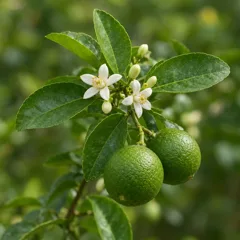
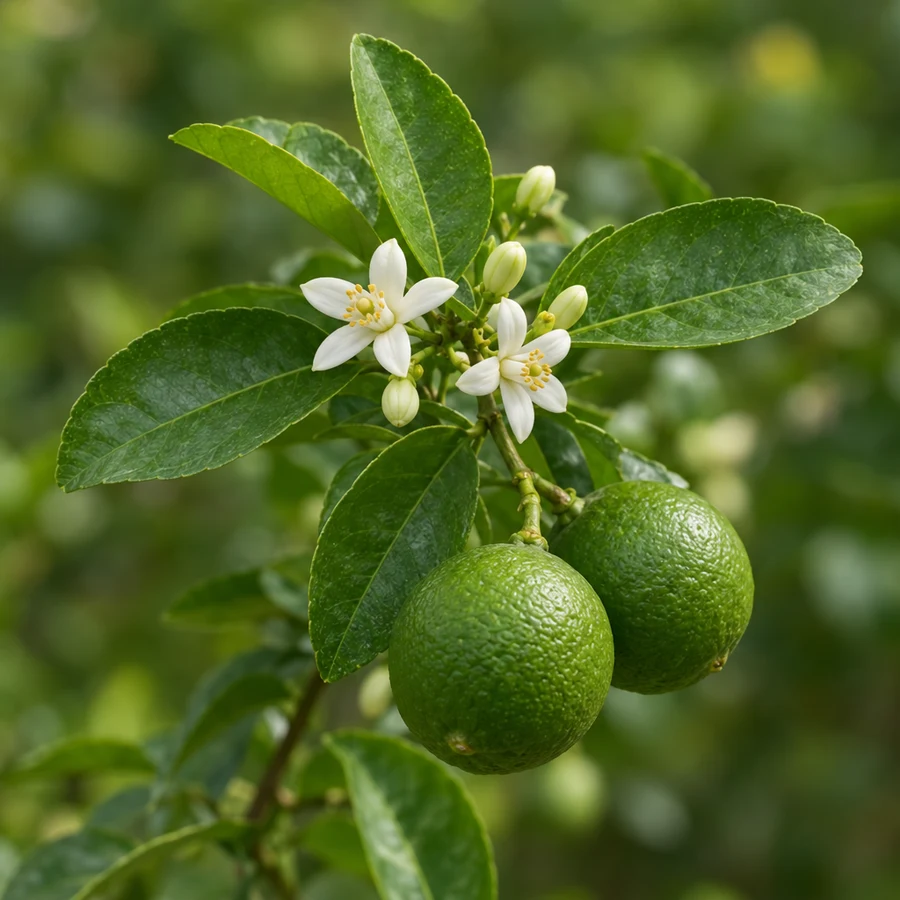
A lime tree is one of the friendliest citrus you can keep in a pot: glossy evergreen leaves, white blossoms that scent a whole patio, and fruit coming on and off through the year. The catch is cold. Limes sit with lemons and citrons among the most frost-tender citrus, so they only live outdoors year-round in the warmest zones. Everywhere else they spend summer outside and winter by a bright window. Persian (Tahiti) limes are the big seedless ones from the grocery store; Key limes are small, seedy, sharper and more perfumed.
Can a lime live outdoors where you are? Check your zone.
Recent community discussions
No one has talked about Lime yet. Be the first.
At a glance
| Plant type | Fruit tree (evergreen citrus) |
| Botanical name | Citrus × latifolia (Persian/Tahiti); Citrus × aurantiifolia (Key lime) |
| Annual or perennial | Perennial |
| Sun | Full sun (8+ hours) |
| Water | Deep, regular watering |
| Spacing | Dwarf 6 to 10 feet; standard 15 to 20 feet from other trees and buildings |
| Planting depth | Same as the nursery pot, root ball top slightly above soil |
| Days to germinate | About 2 to 6 weeks for fresh Key lime seed in warm mix; Persian limes are seedless, so most growers buy a grafted tree |
| Days to maturity | 2 to 3 years to first crop on a grafted tree; fruit ripens about 3 to 4 months after bloom |
| Best USDA zones | 9b to 11 outdoors (Key lime 10 to 11); containers elsewhere |
| Soil pH | 6.0 to 7.0 |
Is it lime weather where you are? See everything to plant this month or read your zone notes.

Plant young trees in spring after last frost. In frost-free zones, can be planted year-round. Container limes can be moved indoors during winter in cooler zones.

1–4 years to bear fruit; ripens in 6–9 months.

Zones 9–11, summer?early fall; Persian limes harvested green, Key limes when yellowish; in tropics harvestable year-round.

Well-drained sandy loam, pH 6.0–7.5. Needs steady moisture and organic content.
Pests to watch for








A little history
Limes trace back to Southeast Asia. Arab traders carried them west, and Spanish and Portuguese ships took them on to the Americas. Much later the British navy issued its sailors rations of lime juice against scurvy (lemon juice came first, then cheaper Caribbean limes took over), and that's where the nickname "limey" comes from. The joke is that limes hold less vitamin C than lemons, so the swap wasn't quite the upgrade it seemed.
When to sow in your zone
Spring: Plant a grafted tree once frost danger has passed, so it has a whole warm season to settle its roots.
Fall: In zones 10 and 11, early fall planting works well too. Elsewhere, fall is when potted limes head indoors: bring them in before nights drop to about 40°F. See Bring tender plants indoors.
Growing it, step by step
Choosing your tree
Most growers start with a young grafted tree. It stays true to its variety and usually fruits in 2 to 3 years. Buy from a certified nursery and check your state's citrus quarantine rules first, since moving citrus plants is restricted in some areas because of citrus greening and canker.
Growing from seed only makes sense for Key limes. Their seeds are polyembryonic, which means most seedlings come up as copies of the mother tree, so Key limes come true from seed. It's slow going, though: fresh seed sprouts in a few weeks in warm, moist mix, and the young tree takes several years longer to fruit than a grafted one. Persian limes have no seeds at all.
Where it can live outdoors
In zones 9b to 11 (10 to 11 for Key lime), a lime can stay in the ground all year. Give it full sun, at least 8 hours a day, and soil that drains fast, with a pH of about 6.0 to 7.0. Choose the warmest, most sheltered spot you have, like the south side of a wall. Plant at the same depth it grew in the nursery pot, top of the root ball slightly above the soil and the graft union well clear of it. Leave standard trees 15 to 20 feet from other trees and buildings; dwarf trees need about 6 to 10 feet.
Lime tree in a pot
Anywhere colder, a lime lives in a container. Move a young tree into a pot only a size or two bigger than the one it came in, not a giant tub, and use a gritty, fast-draining potting mix in a pot with good drainage holes. Wet, airless soil is what kills potted citrus most often. Summer it outdoors in full sun.
Bringing it indoors for winter
Before nights fall to about 40°F, carry the pot to the brightest window in the house, away from heater vents, and water a little less while it's inside. A few leaves may drop as it adjusts to the lower light. Take it back out once frost danger has passed in spring, easing it into full sun over a week or so.
Water
Water deeply when the top 2 inches of soil feel dry. Pots dry out quickly in summer heat, so check them often (see Watering containers in summer), and never leave a pot standing in a saucer of water.
Mulch
In the ground, mulch 2 to 3 inches deep, kept 6 inches back from the trunk.
Feeding
Feed with a citrus fertilizer every 6 to 8 weeks from spring through late summer.
Keeping it happy
Keep frost off it: cover in-ground trees on cold nights and bring pots in early (see Protect plants from frost). Prune lightly, no more than once a year, to shape the tree and open up the middle, and snip off any suckers that sprout below the graft. Key limes have sharp thorns, so wear gloves. Keep lawn grass and weeds out from under the canopy, where they compete with the tree's shallow roots.
Trouble in the bed
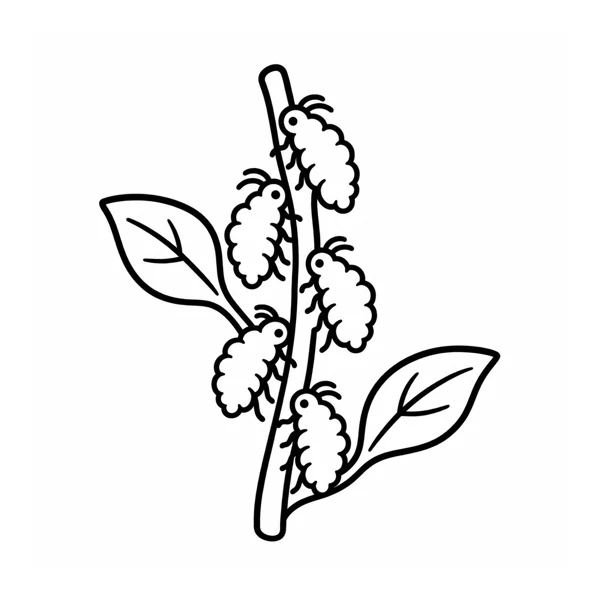
- Aphids: Hose them off the tender new growth; lady beetles and lacewings usually mop up the rest.
- Whiteflies: Rinse the undersides of the leaves, and use horticultural oil if they build up.
- Scale and mealybugs: Wipe them off or use horticultural oil.
- Spider mites: Rinse the leaves, especially indoors where the air is dry.
- Citrus leafminer: The silvery squiggles in new leaves look worse than they are. Leave damaged leaves on the tree, since they still make food for it, and cutting them off only pushes out more fresh growth for the leafminers. Prune at most once a year and let natural enemies do the work.
- Asian citrus psyllid and citrus greening: Report suspected signs to your extension service or state agriculture department.
- Diseases: Watch for citrus canker, root rot in soggy soil, and anthracnose on Key limes.
Good neighbors





Good: Low, shallow-rooted plants kept a little way out from the trunk, like sweet alyssum, thyme and chives. Alyssum's tiny flowers bring in hoverflies and little parasitic wasps that help keep aphids in check.
Avoid: Lawn grass and thirsty, deep-rooted plants right under the canopy.
Seeds that grow well in your area in November
Affiliate links — shopping through these helps keep Evening Vines free. PhloxSeeds
 Royal Mix
 Johnny Jump Up
 Organic Cat Grass
Varieties worth growing
- Bearss (Persian/Tahiti), Citrus × latifolia: Seedless, juicy, the standard grocery-store lime and a little hardier than Key lime.
- Key lime (also called Mexican or West Indian lime), Citrus × aurantiifolia: Small, seedy and aromatic, for pies and drinks; the most cold-tender of the bunch.
- Makrut lime, Citrus hystrix: Grown mostly for its fragrant leaves; the bumpy fruit has little juice. Trees
- Finger lime, Citrus australasica: Australian native with "caviar" beads of pulp.
- Palestine sweet lime, Citrus limettioides: Mild, low-acid fruit for eating fresh or juicing.
Lime trees to buy
Affiliate links — shopping through these helps keep Evening Vines free.Picking notes
Fruit ripens about 3 to 4 months after the blossoms open, and because trees bloom on and off, you'll often find fruit at different stages at once. Pick Persian limes green and glossy, before they turn yellow. Key limes can be picked green or left to turn yellow. Clip fruit off with a short stem rather than pulling.
Saving seed for next year
Persian limes have no seeds to save. Key lime seeds come true, so you can sow a fresh one for fun, but a grafted tree will fruit years sooner. Limes are self-fertile, so one tree is enough for fruit.
From garden to table
Limes are rich in vitamin C. Use the juice and zest in drinks, marinades, salsas, curries and desserts. Makrut lime leaves flavor Thai and Southeast Asian dishes.
Questions from the potting bench
Why are my limes turning yellow? On a Persian lime, yellow means the fruit is past its best, so pick them while they're still green and glossy. Key limes are different: they're fine to pick yellow.
Can a lime grow indoors? Yes, in the brightest window you have, ideally with summers spent outdoors.
Which lime is hardiest? Persian (Bearss) is a little hardier than Key lime.
Can I grow a tree from a store-bought lime? Not from a Persian lime, which has no seeds. Key lime seeds will grow into true Key limes, but expect to wait several years for fruit.
Grower reports
How did Lime do in your garden? Members rate it and say which zone and month they planted, so everyone can see what works near them.
Recent community discussions
No one has talked about Lime yet. Be the first.
Trees to try
Affiliate links — shopping through these helps keep Evening Vines free.Essentials for Growing Lime
 Grow Bags
Breathable fabric pots: grow almost anything on a patio, balcony or driveway, and roots never circle.
See it →
 Organic Fertilizer
Slow-release organic plant food for vegetable beds and containers.
See it →
 Pruning Shears
Sharp bypass pruners for harvesting, deadheading and tidying.
See it →
 Insect Netting
Fine mesh that keeps cabbage worms, flea beetles and birds off your crops, no sprays needed.
See it →
 Soaker Hose
Waters the roots slowly, not the leaves: less disease, less water, less work.
See it →
 Garden Hand Tools
Trowel, transplanter and cultivator: the three tools you reach for most.
See it →
