
 Verticillium Wilt: Signs, Spread and What to Do
At a glance
| Type | Fungal |
| Main cause | Verticillium dahliae and Verticillium albo-atrum (the hop strains of albo-atrum are now called Verticillium nonalfalfae) |
| Worst conditions | Cool to moderate soil temperatures; it often shows up after a cool spell followed by warm weather |
Recent community discussions
No one has talked about Verticillium Wilt: Signs, Spread and What to Do yet. Be the first.
Join free to talk about Verticillium Wilt: Signs, Spread and What to Do ›
Signs
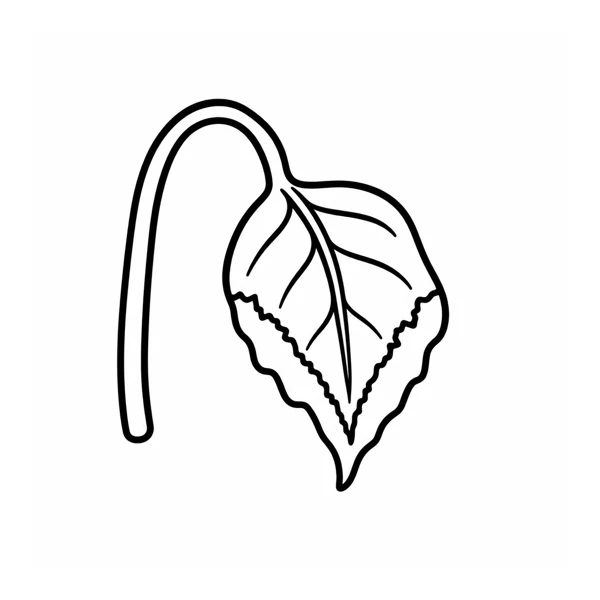
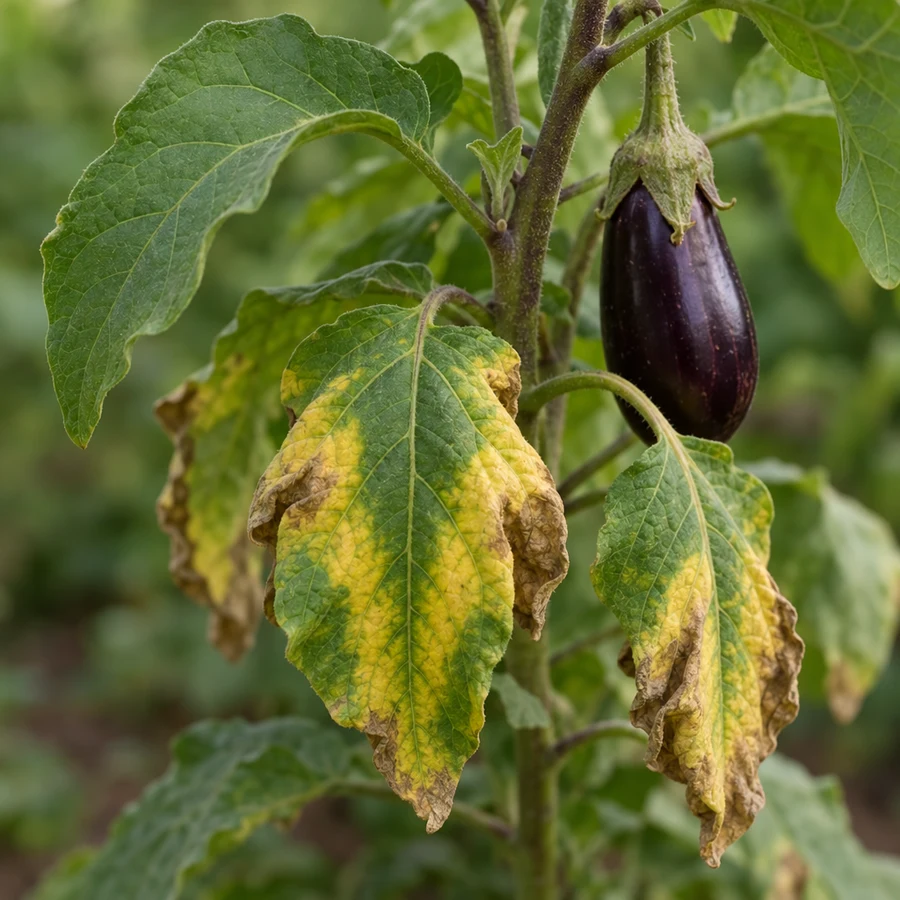
- Lower and older leaves turn yellow, often in a V shape that starts wide at the leaf edge and narrows inward. Then they brown and wilt.
- Wilting may show on just one side of the plant or on a single branch.
- Cut a stem near the base and you'll see brown or tan streaks in the water-carrying tissue. They're usually lighter than the streaks Fusarium wilt leaves.
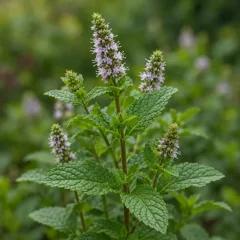
- Plants are stunted. Mint with this disease is slow to start growing in spring and often has a bronze cast, and its lower leaves yellow and wilt in warm or dry spells (Connecticut Agricultural Experiment Station).
Cause and Spread
The fungus lives in the soil for many years as tiny resting bodies, and it infects a very wide range of plants, so rotation alone is slow to clear it. It gets in through the roots and blocks the plant's water vessels. It travels in infected soil, on tools and boots, in plant debris, and in infected cuttings or transplants.
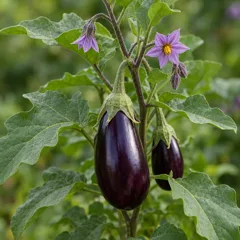
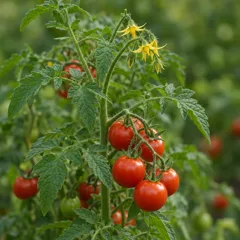
In the vegetable patch, tomato, peppers, potatoes and eggplant are the four crops it hits most often (University of Illinois Extension). So if your tomatoes had it, don't count on the peppers or potatoes being safe in the same bed.
Prevention
- Choose resistant varieties. On tomato labels, "V" means Verticillium resistance (Purdue). That "V" only covers race 1 of the fungus, though. Race 2 is also around, and no commercial tomato resists it yet (UC IPM). So a "V" tomato can still wilt in a bed where race 2 has settled in. More on picking varieties in choosing disease-resistant varieties.
- Rotate away from susceptible crops. Grasses and grains don't host it and help clear the soil (University of Arkansas). Don't follow tomato with its relatives like peppers, potatoes or eggplant (University of Illinois Extension). Our crop rotation plan walks through it.
- Need something else for that bed? See what to plant in your zone this month.
- Start mint from clean, certified plants, and never take cuttings from a plant that's wilting.
- Wash soil off tools and boots before moving from an infected bed to a clean one.
- Remove and destroy infected plants and debris each season.
- Avoid wounding roots, and go easy on nitrogen fertilizer.
Organic Treatment
There's no cure once a plant is infected, and fungicides don't control this soil-borne disease (Connecticut Agricultural Experiment Station). Remove infected plants and lean on the prevention steps above.
When to Pull the Plant
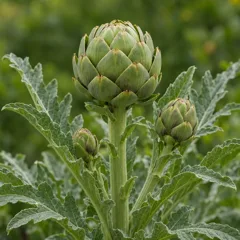
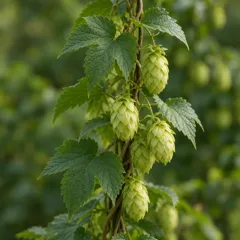
Pull infected plants, roots and all, once wilting and stem streaks confirm it, and throw them away rather than composting them. Mildly affected perennials such as hops or artichoke can sometimes be kept and watched, but remove them if they decline year after year, and don't replant susceptible crops in that spot.
Sources
- University of Illinois Extension, Verticillium wilt
- UC IPM, Verticillium wilt of tomato
- Purdue Extension BP-184, tomato diseases
- University of Arkansas Extension, Okra wilt
- Connecticut Agricultural Experiment Station, Plant Pest Handbook: Mint
- RHS plant profile, Papaver rhoeas (verticillium wilt listed)
Plants it affects 8
Recent community discussions
No one has talked about Verticillium Wilt: Signs, Spread and What to Do yet. Be the first.
Join free to talk about Verticillium Wilt: Signs, Spread and What to Do ›



